









Anxiety disorder is the most common mental health condition worldwide, but what often goes unnoticed is the significant gender disparity. Women are nearly twice as likely as men to be diagnosed with an anxiety disorder. This isn’t a minor difference; it’s a consistent trend across cultures, age groups, and even diagnostic tools.
Biological, psychological, and social elements all contribute to this imbalance. Hormonal fluctuations, societal pressures, and caregiving responsibilities are just a few of the many layered factors that place women at a higher risk. Recognizing the complexity of these elements is vital to understanding the full scope of the issue.
By better understanding why women experience anxiety at higher rates, we can create more targeted mental health interventions, reduce stigma, and empower women to seek timely help. It’s not just about statistics, it’s about real lives, everyday challenges, and making wellness more accessible to all.
Understanding Anxiety
Anxiety is a term we hear a lot, but what does it really mean? While it’s normal to feel anxious occasionally, chronic anxiety is something else entirely. It’s not about overreacting or being “too sensitive”; it’s a real mental health concern that can affect every area of your life.
What Does Anxiety Feel Like?
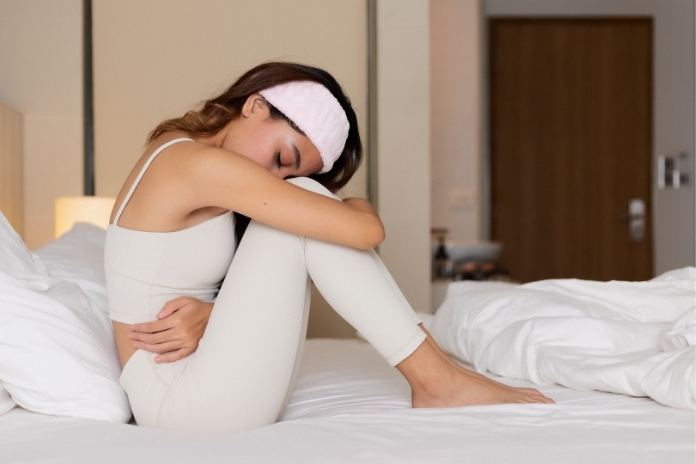
Anxiety isn’t always easy to spot, especially when you’ve been living with it for a long time. You might think, “This is just how I am,” but in reality, you’re carrying around stress your body wasn’t meant to hold for so long. These symptoms can sneak into your daily life quietly, affecting how you think, feel, and function. Understanding these signs helps you recognize when it’s more than everyday stress.
Here’s what anxiety can look and feel like:
- Constant, excessive worry (even about things others might see as minor)
- Restlessness or feeling “on edge”
- Irritability (snapping at loved ones without knowing why)
- Tense muscles, especially in the shoulders, jaw, and neck
- Trouble sleeping, either falling asleep, staying asleep, or waking up tired
- Racing thoughts, especially at night
- Feeling fatigued or mentally drained, even after doing very little
Types of Anxiety Disorders
Just like there are different types of headaches or stomach issues, there are several distinct anxiety disorders. Each one has its own pattern, symptoms, and impact on daily life. That’s why one person’s anxiety might look completely different from someone else’s. Knowing what kind you or a loved one might be dealing with can make treatment more effective.
Here are the most common types:
- Generalized Anxiety Disorder (GAD): Chronic, excessive worry about everyday issues, work, money, family, health, often without a clear reason. It’s like your mind is always running a worst-case scenario loop.
- Panic Disorder: Sudden, unexpected panic attacks with intense physical symptoms. Many people describe it as feeling like they’re dying or losing control, even if they’ve had attacks before.
- Social Anxiety Disorder: More than shyness, this is a fear of social situations, especially ones where you feel observed or judged. It can make simple things like making eye contact or speaking in groups feel terrifying.
- Specific Phobias: These are intense fears of specific things (like snakes, heights, or flying) that may seem irrational but cause very real reactions, including avoidance, anxiety attacks, or nausea.
Why Untreated Anxiety Matters
It’s tempting to push anxiety to the side, after all, we all have bad days, right? But anxiety isn’t just a bad mood or a stressful week. When it’s left untreated, it can chip away at your well-being over time. It can affect how you work, how you connect with others, and even your physical health. The longer it lingers, the more deeply it can root itself into your life.
Here’s why taking it seriously matters:
- Work or academic performance (difficulty focusing, missing deadlines)
- Relationships (irritability, withdrawal, communication issues)
- Physical health (chronic tension, headaches, digestive problems)
- Mental health (increased risk of depression or substance use)
What You Can Do
If this all feels a bit overwhelming, take a breath, you’re not alone. Anxiety is one of the most common mental health conditions, and the good news is: it’s highly treatable. There are proven therapies, tools, and habits that can help ease the weight and bring relief. You don’t have to fix everything overnight; small steps add up over time.
Here’s where to begin:
- Talk to a mental health professional. A therapist or counselor can help you figure out what’s going on and what treatments may help.
- Explore Cognitive Behavioral Therapy (CBT). One of the most effective talk therapies for anxiety.
- Consider medication, if recommended by a psychiatrist.
- Practice grounding and relaxation techniques, like breathwork or meditation.
- Build small lifestyle changes; consistent sleep, movement, and nutrition make a real difference.
The Biological Reasons Women Are More Prone to Anxiety
Ever wonder why anxiety seems to affect women more than men? It’s not just a coincidence or cultural difference; there are real biological factors at play. From fluctuating hormones to brain chemistry, a woman’s body goes through a wide range of changes across her lifetime that can influence how she experiences stress, fear, and mood. Understanding these biological differences doesn’t just help explain the “why”; it can also lead to better treatment, more compassion, and proactive mental health care.
Let’s break down some of the key biological factors contributing to why women are more vulnerable to anxiety disorders than men.
Hormonal Fluctuations
One of the most significant biological factors behind anxiety in women is hormonal fluctuation. Estrogen and progesterone, two main female sex hormones, are deeply tied to the regulation of mood and emotional balance. These hormones interact closely with neurotransmitters like serotonin, dopamine, and GABA, which influence mood, calmness, and feelings of pleasure or stability.
Here’s how key phases in a woman’s life can disrupt that hormonal balance and increase anxiety risk:
- Menstrual Cycle: The days leading up to menstruation are known for emotional shifts. During this phase, estrogen and progesterone levels dip sharply, affecting serotonin production. For many women, this leads to PMS (Premenstrual Syndrome) symptoms like irritability, mood swings, and anxiety.
- Pregnancy: While pregnancy is often portrayed as a joyful time, it’s also a period of intense hormonal changes. During the first trimester, rapid hormonal shifts and physical changes can heighten anxiety and lead to racing thoughts or sleep disruptions.
- Postpartum Period: After giving birth, hormone levels plummet, particularly estrogen, which can affect mood regulation. This is one reason many women experience postpartum anxiety, independent of postpartum depression.
- Perimenopause and Menopause: As women approach menopause, estrogen levels begin to decline gradually, followed by a more dramatic drop. This hormonal decline can lead to increased anxiety, restlessness, and mood instability.
These hormonal fluctuations aren’t imagined; they’re real, biological, and they have profound effects on brain chemistry and emotional processing.
Brain Chemistry and Structure
Beyond hormones, women’s brains themselves are wired a little differently when it comes to how stress and fear are processed. Modern neuroscience has uncovered fascinating differences in how male and female brains respond to threat, manage emotions, and recover from stressful events.
Here’s what the research shows:
- More Active Amygdala: The amygdala, a small almond-shaped structure in the brain, is central to processing fear and emotional memories. Studies suggest that women may have higher amygdala reactivity, meaning they respond more intensely to negative emotional stimuli.
- Prefrontal Cortex Function: The prefrontal cortex helps regulate emotional responses and make rational decisions during stress. Some studies indicate that women’s prefrontal cortices may not dampen amygdala activity as effectively under high stress, which could prolong or intensify anxious feelings.
- Serotonin Levels and Receptor Sensitivity: Serotonin plays a key role in mood regulation and is often lower in women than in men. Additionally, women may have fewer serotonin receptors or be less sensitive to serotonin’s effects.
- Greater Emotional Memory Retention: Women also tend to remember emotional experiences more vividly, particularly negative ones. While this can enhance empathy and social bonding, it also means past stressful events may linger longer and fuel chronic worry or rumination, a core symptom of anxiety.
Do Men Experience Anxiety Differently?
While men also experience anxiety, they often do so in ways that differ from women:
- Less likely to seek help: Due to stigma and societal expectations around masculinity.
- Different coping strategies: Men may be more prone to suppressing emotions or using distractions like alcohol or work.
- Symptoms may vary: Men are more likely to report physical symptoms such as headaches, chest pain, or irritability rather than emotional distress.
Understanding these differences is key for healthcare providers to identify anxiety in men early and accurately.
How Social and Environmental Factors Contribute to Anxiety in Women

While biology plays a key role in anxiety, it’s only part of the picture. The world women live in, shaped by societal expectations, cultural norms, and environmental stressors, can also contribute significantly. From unrealistic beauty ideals to invisible caregiving burdens, these pressures aren’t just frustrating, they’re deeply exhausting.
Over time, they can create chronic stress that wears down emotional resilience. Let’s explore some of the most common social and environmental triggers for anxiety in women.
a. Gender Expectations and Societal Pressures
From the moment girls grow up, they’re taught to be everything at once: successful, nurturing, attractive, and composed. The expectation to balance career, family, appearance, and emotional labor creates a mental load that rarely gets acknowledged. When you’re constantly trying to meet standards that keep shifting, it’s easy for anxiety to take hold and grow.
The pressure to “do it all” while making it look effortless can feel crushing, especially when there’s little room for rest or failure. Even workplaces are not always safe or supportive, gender bias, harassment, and unequal pay can lead to chronic stress. And in the background, the media continues to push unrealistic beauty standards that erode confidence and fuel comparison.
b. Family and Caregiving Roles
Women are often the emotional anchors of their families, managing schedules, providing care, and handling crises, usually without help. Whether it’s raising children, supporting a partner, or caring for aging parents, the load is constant and heavy. And because caregiving is seen as a “natural role,” the emotional toll is often dismissed or downplayed.
Motherhood brings its own wave of anxiety, starting with pregnancy, continuing through postpartum changes, and evolving as children grow. Many women feel they have to be perfect mothers, often while juggling work or other responsibilities. When no one checks in on the caregiver, burnout becomes inevitable.
Even outside of parenting, caregiving for sick or elderly relatives often falls to women, who do it alongside full-time jobs. The stress is silent but real; guilt, exhaustion, and lack of time for oneself build up fast. Without strong support systems, this emotional labor becomes a major driver of chronic anxiety.
Read More: 15 Ways To Overcome Social Anxiety – Fight Your Way Through!
Psychological Factors and Anxiety in Women
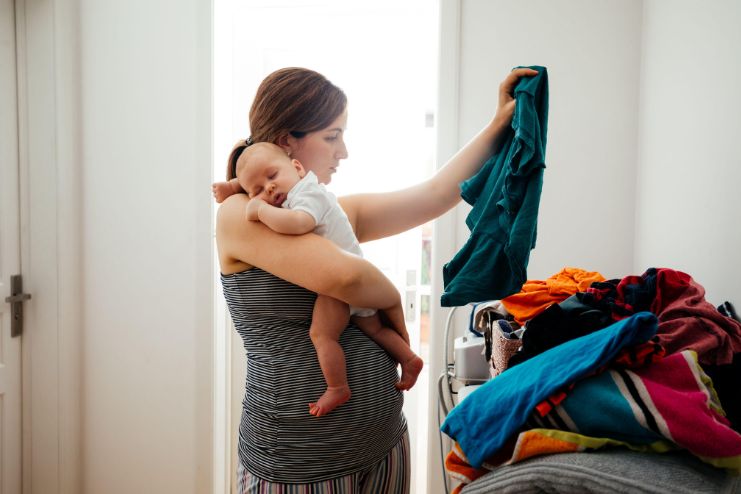
While biology and social conditions set the stage, psychology shapes how women experience anxiety internally. Women often process emotions more deeply, react strongly to interpersonal tensions, and carry stress longer than they show. These internal dynamics, rooted in emotional wiring and learned coping patterns, can quietly magnify anxiety over time.
a. Higher Emotional Sensitivity
Many studies show that women are naturally more attuned to emotional cues, both in themselves and others. This ability to read between the lines makes them compassionate and responsive,but it also means they may absorb emotional stress more intensely. Over time, this emotional vigilance can take a mental toll.
- Emotional reactivity: Women often feel emotional shifts more deeply and more often. This increases sensitivity to interpersonal stress or changes in tone. High emotional load can lead to frequent anxious episodes.
- Rumination and overthinking: Women are more likely to replay events and analyze outcomes. This mental loop prolongs stress and delays emotional recovery. Instead of letting go, the brain stays stuck in alert mode.
- Emotional intelligence overload: Being emotionally aware can become overwhelming, not empowering. Noticing every shift in energy or behavior can cause constant tension. Even empathy, in excess, can exhaust emotional bandwidth.
b. Coping Styles and Social Support
How women cope with stress can either protect or pressure their mental health. While many rely on social connections for relief, others may take on nurturing roles even when depleted themselves. These coping styles, though natural, can backfire if not balanced with self-care or emotional boundaries.
- Tend-and-befriend response: Women often manage stress by helping others or seeking connection. This builds community but drains energy when done constantly. Without space to recharge, it leads to emotional burnout.
- Internalizing stress: When support is lacking, women may keep their pain to themselves. This can feel like strength, but often feeds silent suffering. Suppressed emotions are a slow-burning fuel for anxiety.
- Support system gaps: Not every woman has a safe space to vent or be vulnerable. Toxic relationships or cultural silence can block emotional release. Without validation, anxiety festers beneath the surface.
Hormonal Life Stages That Increase Anxiety Risk for Women

Women’s lives are deeply influenced by cycles of hormonal change, starting from adolescence and continuing through menopause. At each stage, shifts in estrogen, progesterone, and other hormones affect not just the body, but also the brain and emotional state. These hormonal transitions often bring vulnerability to anxiety, even in women who haven’t previously struggled with mental health issues.
While each stage is natural and expected, the psychological impact it carries is often underestimated. Below is a breakdown of the major hormonal milestones in a woman’s life and how they can increase the risk or intensity of anxiety.
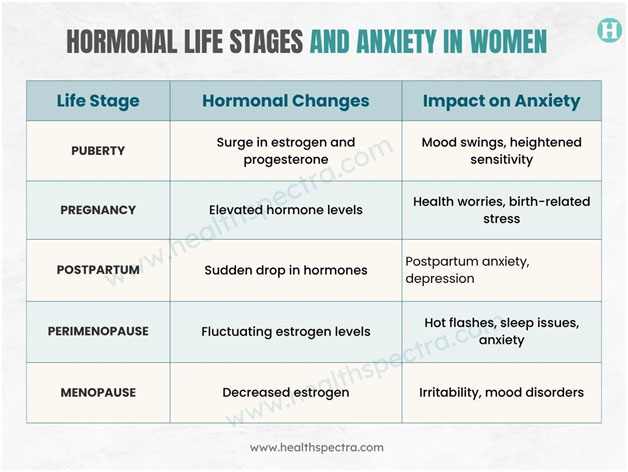
Each hormonal life stage carries its own emotional terrain, and anxiety often walks alongside it. While some fluctuations are temporary, others can lead to long-term shifts in mental health. Recognizing these changes as biologically rooted rather than personal weakness is key to early intervention, empathy, and effective support.
How to Address Anxiety in Women: Treatment Options
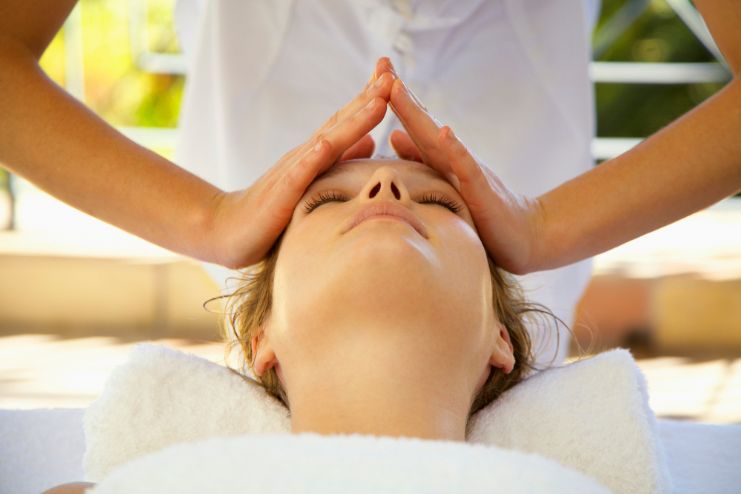
Managing anxiety in women requires a multi-dimensional approach because the causes are just as layered. From therapy to hormones, self-care to medication, each option can support a different part of the healing process. What works for one woman might not work for another, so personalization matters. The goal isn’t just symptom relief, it’s long-term resilience.
Here are some of the most effective, research-backed treatment paths.
- Cognitive Behavioral Therapy (CBT): Helps women recognize and reframe anxious thought patterns into healthier responses.
- Mindfulness & Meditation: Reduces rumination by grounding the mind in the present and calming the nervous system.
- Trauma-Informed Therapy: Especially useful for women with histories of abuse, neglect, or complex emotional trauma.
- Medication (SSRIs/SNRIs): Can stabilize mood and ease chronic anxiety when therapy alone isn’t enough.
- Hormone Replacement Therapy (HRT): Supports emotional regulation for perimenopausal or menopausal women experiencing hormone-linked anxiety.
- Exercise & Nutrition: Regular movement and anti-inflammatory foods can naturally balance mood and lower cortisol.
- Healthy Boundaries: Saying no, delegating, and protecting personal time helps reduce stress and mental overload.
What Can Women Do to Manage Anxiety?
While professional support is crucial, there’s also a lot women can do daily to take control of their mental well-being. Simple, consistent habits can ease anxiety and build emotional strength over time. Here are a few practical steps that make a real difference.
- Practice Daily Relaxation: Deep breathing, meditation, or gentle yoga.
- Keep a Journal: Writing down thoughts helps process emotions and spot triggers.
- Stay Connected: Regular check-ins with friends or support groups can uplift mental well-being.
- Educate Yourself: Learning about anxiety helps reduce fear and empowers decision-making.
- Know When to Seek Help: Therapy isn’t a last resort; it’s a smart and proactive choice.
Read More: New Study Finds Factors That Make Us More Prone To Anxiety
Final Thoughts
The reasons women are more prone to anxiety are multifaceted, spanning hormonal, psychological, and societal influences. It’s a pattern that’s deeply rooted in both biology and culture, demanding a nuanced and personalized approach to care.
Raising awareness about gender differences in anxiety is not about labeling but about better support. It allows medical professionals to tailor treatment and empowers women to recognize symptoms early. The more informed we are, the more effective interventions can be.
Let’s commit to breaking the stigma surrounding women’s mental health. Open conversations, better policies, and inclusive care models are crucial for ensuring every woman has access to the support she needs to thrive emotionally and mentally.
References
- Anxiety: MedlinePlus
- https://newsinhealth.nih.gov/2016/03/understanding-anxiety-disorders
- https://www.medicalnewstoday.com/articles/323454
- https://my.clevelandclinic.org/health/diseases/9536-anxiety-disorders
- https://www.mcleanhospital.org/essential/anxiety
- What causes anxiety? | Mental Health Foundation
- https://www.medicalnewstoday.com/articles/323456
- https://pmc.ncbi.nlm.nih.gov/articles/PMC2515922/
- https://www.betterhealth.vic.gov.au/health/conditionsandtreatments/anxiety-treatment-options
- https://my.clevelandclinic.org/health/diseases/9536-anxiety-disorders
- https://www.healthline.com/health/natural-ways-to-reduce-anxiety
- https://pmc.ncbi.nlm.nih.gov/articles/PMC5573566/
- https://www.helpguide.org/mental-health/treatment/therapy-for-anxiety-disorders
In this Article