











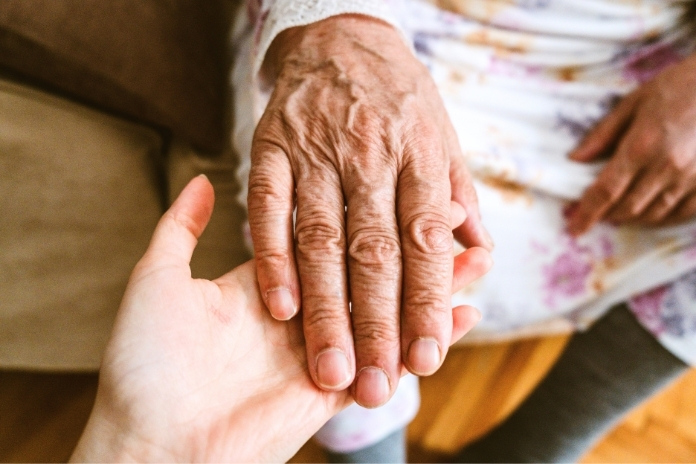
Have you noticed, when you look down at your hands, that the veins are more prominent than they have been before? Bulging veins in the hands can be alarming and worrisome for many people.
But the good news is that in most cases, it is perfectly normal. It may be due to something as simple as exercise, hot weather, old age, or even dehydration, which may cause the veins in your hands to look so.
Visible veins, however, can occasionally be associated with more serious conditions, such as varicose veins or circulation problems. Knowing why it occurs can help you determine whether you need medical attention or any other action.
This article will cover the common causes of suddenly appearing hand veins, when they are normal, and the warning signs that signal it’s time to consult a doctor.
Read More: 14 Remedies for Spider Veins on Face That Work
Understanding Hand Veins and Circulation
Knowing about how your circulation works can help you understand why you might see prominent veins in your hands. Veins keep blood and nutrients circulating in the body.
In your hands, there is a system of deep and superficial veins:
- Superficial veins: These veins are located just beneath the skin and are visible to the eye.
- Deep veins: These veins lie deeper within the tissues and are not easily visible. They play a crucial role in carrying blood back to the heart.
The primary function of these veins is to return deoxygenated blood from the hands back to the heart. Tiny one-way valves inside veins ensure that blood flows upward against gravity. When skin is thin, veins may naturally appear prominent, especially on the backs of hands.
Common Causes of Suddenly Bulging Hand Veins

Determining the cause of hand vein bulges can help ease common worries. Most of the time, bulging hand veins result from natural body changes or lifestyle factors rather than serious health concerns.
Age
As we age, our skin naturally becomes thinner and loses elasticity, making veins beneath the surface more visible.
Additionally, the valves in our veins weaken over time. Weakened valves allow blood to pool in the veins, which strains blood flow and causes veins to enlarge. This makes their appearance more noticeable as we get older.
Heat
Your veins become more prominent during hot weather and high temperatures. Heat causes vein dilation and expansion, which can lead to visible, rope-like blue veins on the hands.
The heat also traps blood in vascular tissues, intensifying this effect. Some people may experience mild discomfort or cramping from the expanded veins, though this typically subsides once temperatures cool.
Exercise
Engaging in physical activity makes hand veins more noticeable due to increased blood flow throughout the body, which raises blood pressure. As blood volume increases, enlarged veins press more prominently against the skin.
For most people, this effect is temporary. Bulging veins return to normal once the body recovers and blood pressure decreases. However, those who engage in regular or high-intensity exercise, such as heavy weightlifting, may develop permanently more prominent veins.
Low body fat
Veins are often more prominent in people with lower body fat. It is most commonly seen in athletes and those who exercise frequently, as there is very little subcutaneous fat overlying the underlying veins. Therefore, prominent veins in the hand indicate good body condition.
Genetics
The prominent veins may occasionally be inherited. If your parents or grandparents have bulging, veiny hands, you may have inherited that condition. It’s just a quirk of anatomy and doesn’t necessarily mean anything is wrong.
Varicose and Reticular Veins
While varicose veins are commonly associated with the legs, they can develop anywhere blood circulation is disturbed, including the hands. Varicose veins occur when blood vessel walls and valves weaken or become impaired, causing blood to pool and veins to enlarge, twist, and become uncomfortable.
Reticular veins are a milder variant of varicose veins. These appear as thin, flat, bluish or greenish branching lines on the skin, typically on the backs of wrists, knees, and thighs. They are smaller than varicose veins but larger than spider veins, and they rarely cause pain. Reticular veins can feed into spider veins, which appear as thin, web-like patterns on the skin.
If you develop varicose or reticular veins that cause discomfort or concern, consult a vascular surgeon to rule out underlying circulation problems.
Read More: 26 Natural Remedies for Varicose Veins That Actually Work
When Bulging Veins May Signal a Health Issue
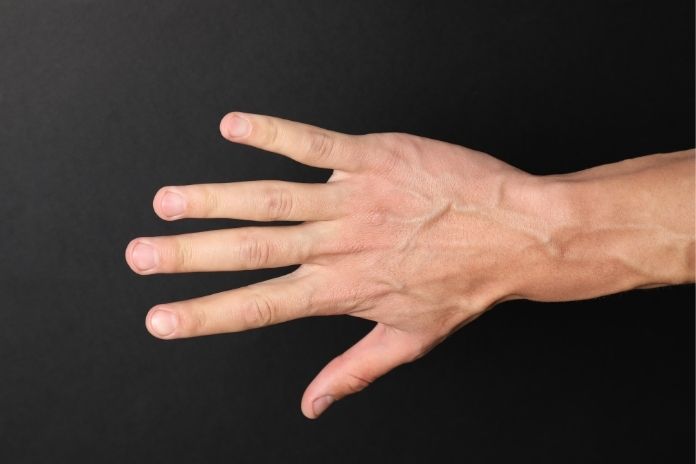
Most cases of bulging hand veins are harmless and temporary. However, if your symptoms persist, worsen, or are accompanied by pain, swelling, or skin changes, contact a healthcare provider for proper evaluation.
Understanding when bulging veins warrant concern can help you prevent complications and seek timely treatment.
Visible hand veins can occasionally indicate an underlying medical condition, including:
Thrombophlebitis (Vein Inflammation)
- Caused by blood clots or irritation within the vein
- Symptoms: Redness, pain, swelling, and warmth along the affected vein
Venous Insufficiency
- Occurs when damaged valves allow blood to pool in the veins instead of flowing properly back to the heart
- Symptoms: Heaviness, swelling, and persistently bulging veins
Deep Vein Thrombosis (DVT) of the Hand or Arm
- Rare but can develop following vein injury or medical procedures
- Symptoms: Sudden swelling, pain, and warmth – requires immediate medical attention
How to Reduce the Appearance of Bulging Veins
While bulging veins are often a normal sign of aging, genetics, or physical activity, there are several ways to minimize their appearance and support overall vein health.
1. Be Gentle With Your Hands
Daily care can help protect the skin and underlying veins.
- Avoid harsh soaps and scrubbing, which can dry out and weaken the skin.
- Moisturize regularly using creams with shea butter, vitamin E, or hyaluronic acid to keep the skin soft and supple.
2. Protect From Sun Exposure
Sun damage can accelerate skin aging and make veins more visible.
- Apply sunscreen to your hands whenever you’re outdoors, especially in sunny or hot conditions.
- This helps prevent UV-related skin thinning and protects the veins underneath.
3. Support Healthy Circulation
Good circulation keeps veins functioning properly.
- Engage in regular physical activity, such as walking, swimming, or yoga, to promote healthy blood flow.
- Stretching and mobility exercises can also improve circulation and reduce vein stiffness or swelling.
4. Stay Hydrated
Dehydration can cause veins to appear more prominent.
- Drink plenty of water throughout the day to maintain smooth blood flow and prevent veins from overstretching.
5. Eat for Vascular Health
Your diet plays a role in circulation and inflammation.
- Limit processed foods, trans fats, and excessive sodium, which can contribute to inflammation and poor blood flow.
- Focus on fruits, vegetables, whole grains, and healthy fats for optimal vein and skin health.
6. Try Compression Gloves
Compression gloves apply gentle pressure that helps improve circulation and reduce the appearance of bulging veins.
- They can prevent blood from pooling in the hands and are a simple, non-invasive option to try at home.
7. Cosmetic and Medical Treatments
If home remedies aren’t enough, cosmetic procedures can improve the appearance of hand veins:
- Sclerotherapy:
A doctor injects a special solution into visible veins, causing them to close and fade over time. Commonly used for spider and varicose veins, it can also be applied to hand veins under medical guidance. - Laser Treatment:
Concentrated light energy is used to seal smaller veins, making them less visible. This non-invasive option requires little to no downtime. - Endovenous Laser Treatment (EVLT):
A minimally invasive procedure in which a thin laser fiber is inserted into the vein to collapse and seal it. Recovery is typically quick, and results are effective for larger or more prominent veins.
Read More: Hidden Signs of Poor Blood Circulation You Shouldn’t Ignore
When to See a Doctor
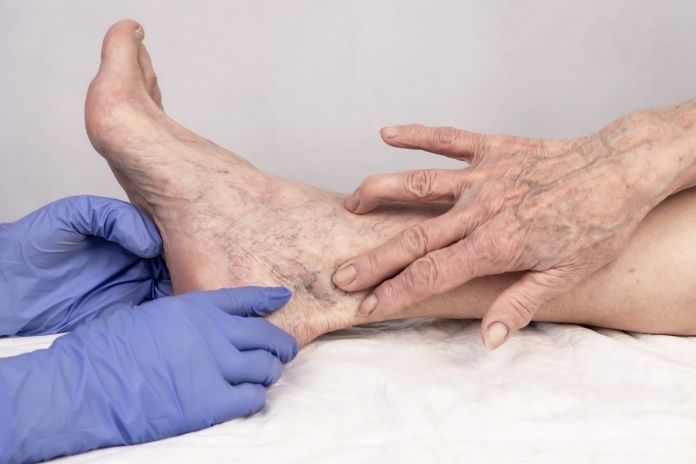
Schedule an examination with your provider if you notice any new bulging veins. Your enlarged veins may not be a cause for concern. However, having them examined will guarantee that nothing significant is happening. To check for blood clots, your doctor may recommend an ultrasound after gently feeling your veins.
See a doctor right away if you notice any problems with your bulging veins:
- Bleeding
- Staining or redness
- Pain
- Touching it feels warm
- Swelling surrounding your vein
These symptoms can indicate a more serious issue.
“By the age of 50, nearly 40% of women and 20% of men will have some significant leg vein problem,” says Dr. Cheryl McDonald, a physician at NIH.
In some cases, bulging veins can be a sign of venous insufficiency. As a dual-board-certified vein specialist, Dr. David T. Jacobs can identify this issue and recommend the treatments that make your hands beautiful and healthy.
Conclusion
It’s normal for hand veins to become more visible as you age, with exercise, or with any medical history. But sometimes, they can signal a vein problem that needs medical care.
Veins may become more noticeable without indicating a medical condition, especially after physical activity or when blood flow increases. By maintaining a good body weight, being hydrated, and engaging in a balanced exercise program, you can help lessen their appearance and promote good circulation.
It’s crucial to keep an eye out for any changes. Persistent pain, swelling, or color changes may indicate a vein issue that requires medical attention. By paying attention to these signs, you can protect your vein health in the long run.
Read More: Why Your Feet Swell in the Evening — and When to Be Concerned
FAQs
Are bulging hand veins a sign of good health?
No, protruding veins on the hands are not always a sign of good health; they can occasionally be a typical cosmetic variation or a sign of an underlying medical condition.
Can dehydration cause veins to pop out?
Dehydration can result in thicker, more viscous blood and a decrease in blood volume, which can make veins more noticeable and demand more pressure to pump.
Are bulging veins permanent?
Although they can be permanent, bulging veins—especially varicose veins—can be treated with compression therapy, lifestyle modifications, and medical procedures.
Do bulging veins mean high blood pressure?
Yes, elevated blood pressure can lead to noticeable, “popped out” veins because it can enlarge veins and, in the case of varicose veins, generate a more permanent bulge because of blood pooling and weaker valves.
References
- https://my.clevelandclinic.org/health/diseases/22877-bulging-veins
- https://veinreliever.com/visible-hand-veins-and-why-you-have-them/
- https://scmsc.com/bulging-veins-on-hands-causes-and-treatment/
- https://vcsla.com/bulging-veins-in-your-arms-and-hands-causes-and-treatment/
- https://cvicvascular.com/hand-veins-explained-normal-vs-problematic-blood-vessels/
- https://www.mayoclinic.org/diseases-conditions/varicose-veins/diagnosis-treatment/drc-20350649
- https://veininstitute.com/how-to-reduce-veins-in-hands/
- https://veintreatmentcenter.com/vein-information/hand-veins/
- https://newsinhealth.nih.gov/2019/08/bulging-veins
- https://www.linkedin.com/in/cheryl-l-mcdonald-m-d-bb194112
- https://www.southshorevein.com/provider/david-t-jacobs-md-dabr-dabvlm
In this Article