












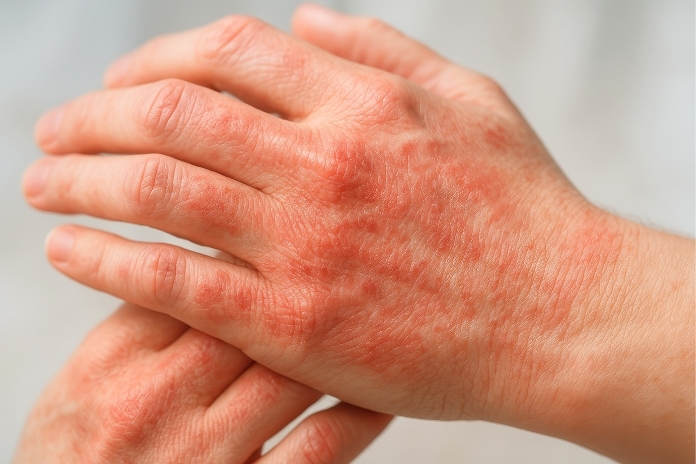
Dry skin is something you can easily overlook. It may feel tight after a shower, cause flakes on the back of your hands in the winter, or get rough on the back of your heels after a long day on your feet. In most cases, dry skin is perfectly normal and nothing to be worried about.
In some cases, though, dry skin can be a more serious issue. When severely dry skin cracks open and those cracks are oozing, hurting, or have a yellow crust, it may be infected dry skin, not dehydration.
This occurs as severely dry, damaged skin no longer has the protective covering on the surface, allowing bacteria to get in and cause the rough, dry skin to open into painful wounds. By learning how to recognize infected, cracked, dry skin, you can alleviate complications, cure the infection, and get the skin back to its normal, protective self.
In this article, we will discuss how dry skin becomes a serious issue, how to recognize an infection, when to seek medical attention, how to cure the infection, and how to prevent the infection from occurring in the future.
Read More: Natural Oils vs. Lab-Made Serums: Which Is Better for Skin Health?
When Dry Skin Becomes Something More Serious
Dry skin, also called xerosis, is the condition that results from the loss of moisture and oil in the outermost layer of the skin. The skin is supposed to be a protective shield that prevents infections from entering while at the same time protecting the moisture inside.
However, if dryness becomes chronic, the skin’s protective shield starts to break down. The skin becomes rough, then cracks, before fissures appear. These fissures in the skin are what allow infections to set in.
Bacteria that usually live on the surface of the skin can enter the body if there is dryness in the skin. These bacteria can be Staphylococcus aureus and Streptococcus pyogenes. These two bacteria can enter the body if there is dryness in the skin. Once they enter the body, they can cause impetigo, cellulitis, and other infections.
Eczema, psoriasis, cold weather, dry air that comes with winter, the use of harsh soaps, excessive washing of hands, aging of the skin, and chronic dermatitis can increase the risk of dry skin becoming infected.
These conditions can cause dry skin to become infected due to excessive dryness. Eczema can thus become infected because of the fissures that appear on the surface of the skin.
Read More: 7 Morning Habits That Could Be Damaging Your Skin Without Realizing It
Clear Signs Your Dry Skin Is Infected
Visual and Physical Clues
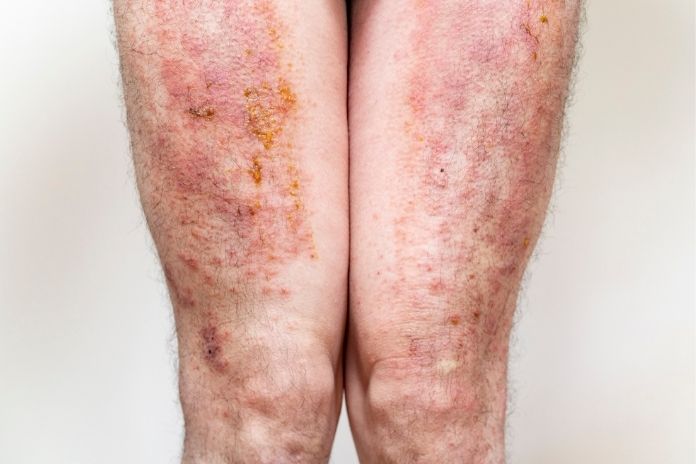
Spotting the difference between dryness and an infection can be a bit tricky, but there are certain signs to look out for. The infected area may appear and feel abnormal in certain ways. Instead of the normal dryness and flaking, you may feel pain, swelling, and a damp, wet appearance on the skin.
One of the clear signs of an infection on the skin is the appearance of a yellow crust on dry skin, commonly known as an impetigo honey-colored crust. This occurs due to the leakage of fluids and pus from the infected cracks, which then dry on the surface of the skin. In this case, you may also notice an area of skin with a sticky appearance, as well as an area of skin with repeated crust formation after washing the area.
Another sign of an infection on the skin is the presence of growing pain. In this case, the dry skin may itch and sting, but the infected area may throb, burn, and bleed. The infected area may also appear red, swollen, and warm.
In addition, the infected area may also spread out from the center, and this can be used to distinguish between an impetigo infection and dry skin, as the dry skin will remain in one place without spreading.
Systemic Symptoms That Indicate a Deeper Infection
Other signs of a staph infection on the skin include the appearance of small, pus-filled bumps, increased pain, and the development of an open sore on the skin, especially in the case of cracked heels, fingertips, and eczema.
In the case of an advanced infection, the following may be observed: fever, chills, swollen lymph nodes, and the appearance of red streaks going from the infected area.
When to See a Doctor—Don’t Try to Treat It Alone If…

Many people try home remedies for weeks, assuming cracks will heal with lotion alone. But infected dry skin often needs medical treatment. If redness spreads, swelling increases, or pain becomes severe, it’s time to seek care.
A wound that doesn’t improve after 7–10 days of proper cleaning and moisturizing may be infected. Individuals with diabetes, poor circulation, or weakened immune systems should seek care sooner, as even small cracks can develop into serious infections.
Cracks on hands or feet that make walking or using your hands difficult also need attention. Knowing when to see a doctor for a skin infection can prevent complications such as cellulitis, abscesses, or bloodstream infection.
Read More: Bathing and Eczema: How Often Should You Bathe? What the Latest Trial Shows
How Infected Dry Skin Is Treated
Medical Treatments
Treating infected and dry skin involves reducing the infection and allowing the skin to heal. If the infection is localized, topical antibiotics such as mupirocin and fusidic acid are used. These antibiotics are effective since they act locally on the infected area. However, if the infection is deeper and spreading, antibiotics are used to treat it.
The choice of antibiotic depends on whether Staphylococcus aureus or Streptococcus pyogenes is causing the infection. In some cases, an antiseptic wash is used to remove infected material from the area.
Home and Supportive Care
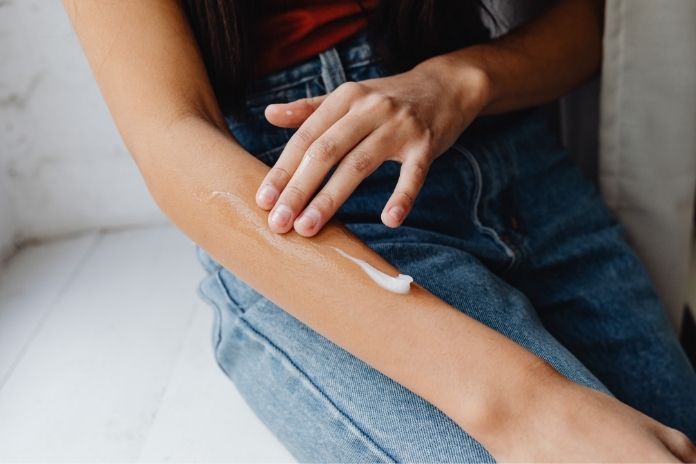
The choice of action to be taken at home is just as important as the one to be taken by a doctor. The area should be kept clean by washing it gently with soap and lukewarm water. The prescribed cream should be applied to the area and covered with sterile gauze. In some cases, a liquid bandage is used to cover painful fissures in the finger and heel areas.
Avoiding scented creams and alcohol is important, as they can cause more inflammation. The steps outlined are a basic outline for fissured and infected skin and are essential in ensuring safe handling of cracked skin.
How to Prevent Future Skin Infections
Rebuild and Protect the Barrier
The first step in taking care of an infection is to guard your skin’s protective covering. The single best step you can take to protect your skin is to maintain moisture. The next time you shower, use a thick cream or ointment to lock in moisture. If your hands or feet are extremely dry, you can also use cotton gloves or socks to protect your skin while you sleep.
Modify Daily Habits
The small decisions you make every day can add up to big benefits. Instead of taking long, hot showers, try taking quick, lukewarm showers. Use gloves while washing the dishes or while you clean to protect your hands from harsh soaps. Try not to scratch your skin, no matter how tempting it is. This can lead to micro-injuries that can cause infections.
“Proper skincare is extremely important in treating eczema,” says Dr. Joshua Zeichner, M.D., a New York City-based board-certified dermatologist and director of cosmetic and clinical research in dermatology at Mount Sinai Medical Center. He adds, “The right skin care products can keep your skin under control, but the wrong ones can make it worse.”
Manage Underlying Skin Conditions
Managing any underlying diseases like eczema or psoriasis is very important. Complying with your doctor’s plan of action can actually prevent infections by helping to soothe itching and inflammation that can lead to cracks in the skin.
Keeping your fingernails trimmed can prevent you from accidentally scratching your sensitive skin.
Key Takeaway
When dry skin becomes cracked, painful, oozing, or forms a yellow crust on dry skin, it may no longer be simple dryness. It could be infected dry skin. Early recognition and proper treatment prevent complications, ease pain, and restore healthy skin.
If you are unsure whether your dry skin is infected, seeing a healthcare professional is always safer than waiting. Treating both the infection and the underlying dryness is the best way to protect your skin long-term.
References
- Bass Medical Group. (n.d.). How to tell if a wound is healing correctly.
- Niva Bupa Health Insurance. (n.d.). What is a staph infection? Symptoms, causes, and treatment.
- ScienceDirect. (n.d.). Bacterial skin disease.
- Medscape. (n.d.). Skin and soft tissue infections medication.
- National Institute of Arthritis and Musculoskeletal and Skin Diseases. (n.d.). Atopic dermatitis.
- WebMD. (n.d.). Skin infections slideshow.
- Arnold Palmer Hospital for Children. (n.d.). 3 ways to tell if it’s eczema or a skin infection.
In this Article