













Vaccines aren’t just for school-aged kids. As we transition into adulthood, our immune systems undergo changes, our environments evolve, and our risk of certain infections increases. Illnesses like shingles, pneumonia, and influenza often hit harder in adulthood, especially if immunity has waned or key vaccines were missed earlier in life.
According to the Centers for Disease Control and Prevention (CDC), adult vaccination rates remain far below national targets. The result? Thousands of preventable hospitalizations and deaths every year. Whether you’re in your 20s or your 80s, keeping up with vaccines is one of the simplest, most effective ways to protect your health and the health of those around you.
This guide outlines the vaccines adults need, when to receive them, and how personal factors, such as age, medical history, and lifestyle, influence your vaccination schedule.
Why Adult Vaccination Matters

Many adults assume their childhood immunizations provide lifelong protection. In reality, immunity to certain diseases fades over time, and some illnesses never existed in your community when you were younger. Travel, pregnancy, aging, and chronic health conditions all change the landscape of infectious risk.
Here’s why vaccination is just as critical for adults as it is for kids:
- Immunity can wear off over time– This is especially true for tetanus, pertussis (whooping cough), and chickenpox if your immune system is weakened.
- Disease exposure changes as you age– Older adults are more vulnerable to pneumonia and shingles. Pregnant people need certain vaccines to protect both themselves and their newborns.
- Herd immunity depends on adults, too– You could pass illnesses like pertussis to infants who are too young for full vaccination.
- Travel brings unique risks– visiting areas with yellow fever, typhoid, or hepatitis A puts you in contact with pathogens against which you may not have immunity.
The National Foundation for Infectious Diseases (NFID) reports: “Prior to the COVID‑19 pandemic, approximately 50,000 adults died from vaccine‑preventable diseases in the US each year.”
At the beginning of each year, the CDC’s Advisory Committee on Immunization Practices (ACIP) publishes an updated Adult Immunization Schedule that elegantly displays which adults are eligible to receive which vaccines. It is very easy for providers to use.
Core Vaccines Most Adults Need
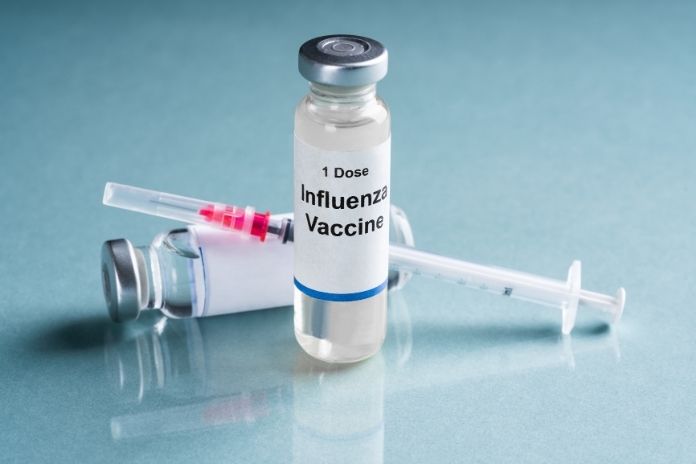
Not every adult needs every available vaccine, but there’s a set of core immunizations that nearly everyone should have, regardless of health history or travel plans. These shots address diseases that are widespread, potentially severe, and preventable with well-tested vaccines.
a. Influenza (Flu Vaccine) – Annually
Who needs it: Everyone aged 6 months and older.
Why it matters: The flu mutates constantly, meaning last year’s shot won’t protect you this season. Even in years when the vaccine’s match isn’t perfect, it can reduce your risk of hospitalization by 40–60%, according to the CDC.
Especially important for:
- Adults 65+
- People with asthma, diabetes, or heart disease.
- Pregnant individuals.
- Healthcare and elder care workers.
Extra tip: Adults 65 and older should consider requesting high-dose or adjuvanted versions, such as Fluzone High-Dose or Fluad, which offer enhanced protection for aging immune systems.
b. Tdap (Tetanus, Diphtheria, Pertussis)
Schedule: One-time Tdap booster in adulthood if never received, then a Td or Tdap booster every 10 years.
Pertussis is often mild in adults but can be deadly for infants, and adults are frequently the source of infection. For pregnant individuals, the Tdap vaccine between weeks 27 and 36 of each pregnancy helps pass protective antibodies to the baby.
Tetanus protection is equally important. The bacteria that cause it are found in soil and dust, and even small cuts can be an entry point. Boosters keep you covered.
“Whooping cough is not ancient history; it is staging a comeback all across the country,” says Dr. William Schaffner, Professor of Preventive Medicine at Vanderbilt University Medical Center. He adds: “Some of the protection generated in the mother will flow across the placenta into the unborn baby and give the newborn infant protection during the first months of life before the baby can be vaccinated.”
c. COVID-19 Vaccine
Why keep up: COVID-19 has shifted from a pandemic emergency to an ongoing infectious threat. Immunity, whether from infection or vaccination, tends to fade over time, and new variants continue to emerge.
Current recommendations (as of 2025):
- Annual bivalent booster for most adults.
- Additional doses for immunocompromised individuals.
Benefits go beyond preventing severe illness. Vaccination also lowers the risk of long COVID and reduces community transmission. Your exact schedule may depend on age, immune status, and vaccine type (mRNA vs. protein-based).
d. MMR (Measles, Mumps, Rubella)
Who needs it: Adults born after 1957 without documented immunity, prior vaccination, or positive blood test (titers).
Measles outbreaks still occur in under-vaccinated communities. In 2019, the U.S. experienced its highest number of cases in 25 years, with many cases occurring in adults. Mumps and rubella also remain concerns, particularly during travel to regions where the diseases are more common.
If you’re unsure about your status, a simple blood test can confirm whether you need a booster.
e. Varicella (Chickenpox)
Who needs it: Adults without prior infection or vaccination.
Schedule: Two doses, spaced 4–8 weeks apart.
While chickenpox is typically mild in children, adult cases tend to be more severe and can cause complications like pneumonia or encephalitis. If you’re unsure about your history, your doctor can order a varicella-zoster IgG titer to check immunity before vaccinating.
Vaccines Based on Age & Risk Factors
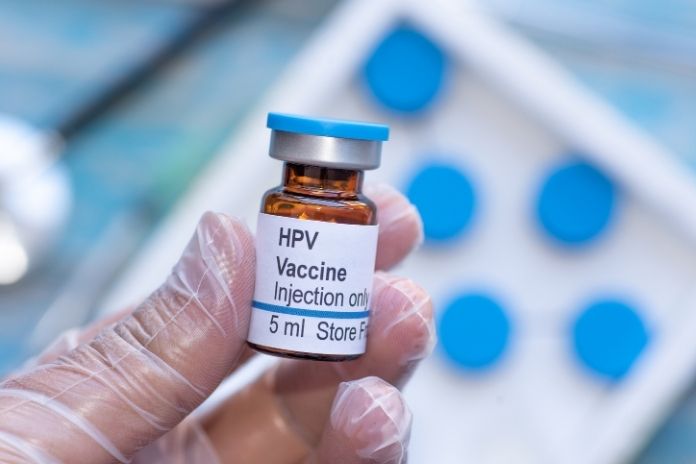
Your vaccine needs aren’t static; they shift as your body, lifestyle, and environment change. Some vaccines are one-and-done. Others need boosters every few years. And certain shots only become relevant later in life, when risks rise.
The CDC’s adult immunization schedule reflects this reality, breaking recommendations down by age and health status. Think of it like a moving target: what you needed in your 20s isn’t the same as what will protect you in your 60s.
Here’s a decade-by-decade breakdown of what to expect.
Ages 19–26
This stage is often a whirlwind, moving out, starting careers, traveling, or planning families. It’s also when gaps from adolescence may still need closing.
Key vaccines:
- HPV (Human Papillomavirus)
- Recommended for all adults up to 26 if not fully vaccinated earlier.
- Three doses if starting at 15 or older; two doses if younger.
- Protects against cervical, anal, and oropharyngeal cancers.
- CDC notes nearly all sexually active adults will encounter HPV, but vaccination can prevent 90% of related cancers.
- MMR, Varicella, and Tdap boosters if missed or immunity is unclear.
- Blood tests can confirm MMR or varicella immunity if documentation is missing.
- Annual flu shot
- COVID-19 vaccine and boosters.
Ages 27–49
In these years, the goal is to maintain strong immunity and catch up where needed. Many adults in this group travel more, care for children or aging parents, or face changing health risks.
Key vaccines:
- Flu shot– annually
- Tdap booster– every 10 years
- COVID-19 booster– per CDC schedule
- MMR and Varicella– if missed earlier
- Shingles vaccine– early for immunocompromised adults.
- Important for those undergoing cancer treatment, organ transplants, or on immunosuppressants.
According to the Immunization Action Coalition, fewer than 30% of adults in this age group are fully up to date on routine vaccinations, leaving a significant gap in protection against preventable illnesses.
Ages 50–64
Chronic conditions like diabetes, heart disease, and COPD become more common here. The immune system also begins to decline, making certain vaccines more urgent.
Key vaccines:
- Shingles vaccine (Recombinant Zoster Vaccine, e.g., Shingrix)
- Two doses starting at age 50, spaced 2–6 months apart.
- Over 90% effective at preventing shingles and postherpetic neuralgia.
- Pneumococcal vaccine– for adults with:
- Smoking history
- Asthma or COPD
- Diabetes
- Heart, kidney, or liver disease
- PCV20 (or PCV15 followed by PPSV23) based on medical advice
- Flu, COVID-19, and Tdap boosters– stay on schedule
Age 65+
For older adults, vaccine-preventable diseases are more likely to lead to hospitalization or death. At this point, vaccines move from “recommended” to “essential.”
Key vaccines:
- Pneumococcal vaccine
- PCV20: single dose with no further pneumococcal needed.
- OR PCV15 followed by PPSV23 one year later.
- Protects against 23 strains of pneumonia-causing bacteria.
- Shingles vaccine– if not received at 50, get it now.
- Flu vaccine– high-dose or adjuvanted for a stronger immune response.
- COVID-19 and Tdap boosters
Before the COVID-19 pandemic, the CDC estimated that pneumococcal pneumonia accounted for 12–13% of all adult hospitalizations for pneumonia, which translates to around 225,000 adult hospitalizations annually in the U.S.
Read More: Flu Vaccines Can Prevent Early Death In Elderly ICU Patients
Vaccines for Special Populations
Not all vaccine schedules are one-size-fits-all. Certain groups have higher exposure risks, weaker immune responses, or the ability to pass protection on to others, meaning their vaccine timing and choices may differ from the general adult population. In some cases, extra shots are needed. In others, certain vaccines should be avoided altogether.
Below are the main populations where vaccine strategy changes, along with the reasoning behind each recommendation.
Pregnant Individuals
Pregnancy alters the immune system, making some infections more severe and increasing the risk of passing illness to newborns. The right vaccines protect both the mother and the baby in those first vulnerable months of life.
Recommended:
- Tdap between 27–36 weeks of each pregnancy to pass protective antibodies to the infant, guarding against pertussis.
- Annual flu shot to reduce risk of flu-related complications during pregnancy.
- The COVID-19 vaccine to lower the risk of severe illness, which can also impact pregnancy outcomes.
Why it matters: According to the American College of Obstetricians and Gynecologists (ACOG), Tdap during pregnancy can cut the risk of whooping cough in newborns by over 90%.
Travelers
Crossing borders can mean crossing into areas where diseases are more common or where local strains differ. Some vaccines are routine, while others are only necessary for specific destinations.
Recommended:
- Hepatitis A & B– for areas with higher prevalence or limited sanitation infrastructure.
- Typhoid– especially if traveling to parts of Asia, Africa, or Latin America.
- Yellow fever– required for entry into certain countries.
- Japanese encephalitis, cholera, or rabies– for long-term stays, rural travel, or specific regional outbreaks.
Why it matters: Many travel vaccines aren’t just for your protection; they’re a legal requirement for entry into some countries.
Healthcare Workers
People in clinical settings face daily exposure to infectious diseases and can unknowingly transmit them to vulnerable patients.
Recommended:
- Hepatitis B– especially for those at risk of contact with blood or body fluids.
- MMR– to prevent measles, mumps, and rubella transmission in hospitals and clinics.
- Varicella– to protect against chickenpox outbreaks in healthcare facilities.
- Tdap– booster every 10 years.
- Annual flu shot
- COVID-19 vaccine– ongoing protection against variants circulating in healthcare environments.
Immunocompromised Adults
When the immune system is weakened, due to illness, medication, or medical procedures, the risks from preventable diseases increase sharply. However, not all vaccines are safe in this group.
Recommended:
- Shingles and pneumococcal vaccines may be given earlier than usual (before age 50).
- Additional boosters for flu, COVID-19, or other vaccines as advised by a doctor.
- Avoid live vaccines like MMR or varicella unless specifically cleared by a healthcare provider.
Why it matters: Adjusting the schedule helps offset reduced immune response while avoiding vaccines that could actually cause illness in this population.
How to Check Your Vaccination History
Lost your old immunization records? Here’s how to find or rebuild them:
- Ask your primary care doctor: They may have a record in your electronic health chart.
- Check old documents: Some people have childhood immunization booklets tucked away in family files.
- State Immunization Information Systems (IIS): Many U.S. states maintain vaccine registries for both children and adults.
- Blood titers: A blood test can check immunity to measles, rubella, varicella, hepatitis B, and others.
If records are unclear, the CDC typically recommends revaccination rather than skipping; it’s safe in most cases.
Where to Get Vaccinated

For most adults, getting vaccinated no longer means waiting weeks for a doctor’s appointment. Many vaccines are available on a walk-in basis, and you can often combine them with routine errands. The key is knowing where to go, checking availability ahead of time, and keeping your records up to date so you don’t waste time or get unnecessary repeat shots.
Common options include:
- Primary care clinics– Best for reviewing your full vaccination history and coordinating with ongoing medical care.
- Pharmacies(CVS, Walgreens, Rite Aid, etc.) – Convenient, often open evenings and weekends, and ideal for flu, COVID-19, and boosters.
- Community health centers– Affordable or free vaccines for uninsured or underinsured adults.
- Travel medicine clinics– Specialized in destination-specific vaccines like yellow fever or typhoid.
- Urgent care centers– Useful for quick access if your primary doctor isn’t available.
- Workplace health programs– Some employers provide free flu shots or other vaccines during health fairs.
Pro tip: Always carry your vaccination card or use a secure digital health record app. This makes it easier to prove your status when traveling, starting a new job, or changing healthcare providers, and ensures you don’t miss or repeat a dose.
Final Thoughts
Vaccines aren’t just for kids. They’re a lifelong defense system that adapts as your body and environment change. Immunity can fade, new viruses emerge, and global travel means you’re more exposed to diseases that were once considered rare. Yet too many adults skip routine shots simply because no one reminds them, or they assume their childhood vaccines still have them covered. That assumption leaves dangerous gaps.
A quick vaccination checkup can make a world of difference. Maybe it’s a Tdap booster you’ve put off for years, the shingles vaccine you didn’t realize was recommended starting at 50, or a pneumonia shot that could save you from a hospital stay. These are small, preventative actions with big payoffs, not just for you, but for the people around you who might be more vulnerable.
The takeaway is simple: don’t wait until there’s an outbreak, a trip abroad, or a health scare to take vaccines seriously. Build it into your annual health routine, the same way you would a dental cleaning or blood pressure check. Prevention now is easier, cheaper, and far safer than treatment later.
References
- https://www.cdc.gov/vaccines-adults/reasons/index.html
- https://www.apollohospitals.com/health-library/adult-vaccination-why-it-matters
- https://pmc.ncbi.nlm.nih.gov/articles/PMC7227717/
- https://www.nfid.org/immunization/10-reasons-to-get-vaccinated/
- https://doh.wa.gov/sites/default/files/legacy/Documents/Pubs/348-326-CHW%20VaccinationManual.pdf
- https://www.medanta.org/patient-education-blog/why-are-adult-vaccinations-important-list-of-top-vaccines-for-adults
- https://www.cdc.gov/vaccines/imz-schedules/adult-easyread.html
- https://www.nhs.uk/vaccinations/why-vaccination-is-important-and-the-safest-way-to-protect-yourself/
- https://www.aarnaclinics.in/blogs/Adult-Vaccination
- https://www.vaccinate.initiatives.qld.gov.au/who-should-get-vaccinated-and-when/adults
- https://www.immunize.org/clinical/topic/adult-vaccination/
- https://japi.org/article/japi-73-5-s1-21
- https://www.apolloclinic.com/blog/adult-vaccination-why-is-it-important
- https://www.tandfonline.com/doi/full/10.1080/21645515.2024.2334475
In this Article