














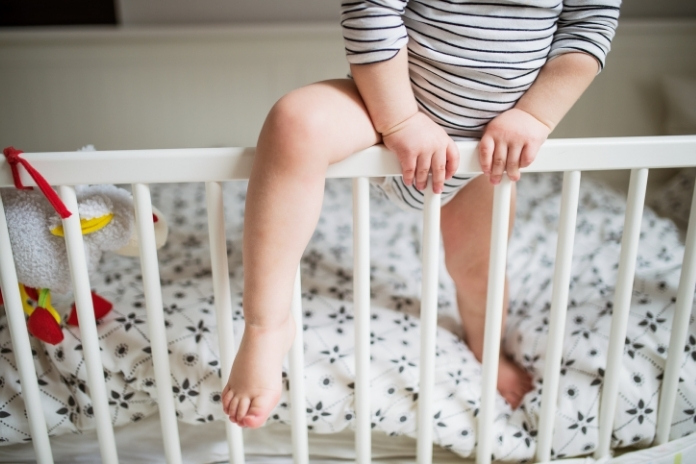
Every parent’s worst nightmare is the heart-stopping moment when their child falls. Panic sets in the moment your child tumbles and falls off the bed.
It’s surprisingly common for babies to fall, especially during the first few months when they start exploring and moving around. These falls usually appear more frightening than they are, and your baby will recover more quickly than you anticipate.
“It’s very common that babies fall from high surfaces, like beds, couches, and changing tables,” says pediatrician Laura O’Connor, MD. “Even babies who don’t know how to purposefully roll yet can spontaneously, reflexively, roll over when you least expect it.”
However, how you respond in those initial minutes is essential. This article will explain precisely what to do immediately following a fall, including how to assess your infant carefully, what to look for that indicates you need medical help, and how to prevent accidents in the future.
Read More: The Best Natural Remedies for Baby Gas and Colic Relief (Backed by Science & Parents)
What to Do When Your Baby Falls: Step-by-Step Guide
Step 1: Stay Calm and Check for Immediate Danger
There’s no need to panic. Staying calm can help you cope with any signs of distress that may develop. Your reaction will set the tone for the situation. As soon as possible, make sure your baby is conscious and breathing normally. Avoid rushing to pick them up; sudden movements can worsen an unnoticed injury.
Make sure your baby’s body, arms, and legs are in a safe and comfortable position. Then look for any apparent wounds, such as bruises, bleeding, or any area of the body that is misshapen or swollen. However, seek emergency services immediately if you observe breathing difficulty, unconsciousness, or any unnatural posture of the body.
Step 2: Check for Common Symptoms After a Fall
If your baby has a bump, bruise, or swelling on the head and starts crying suddenly, gently apply a cold compress to the swollen area. Observe the symptoms for some time, and apply a warm compress to the same location if no new symptoms appear. However, take your baby to the doctor immediately if symptoms like persistent crying, vomiting, unusual sleepiness, or frequent spitting up continue.
Step 3: When to Call the Doctor or Go to the ER Immediately
Regardless of how your baby looks after a fall, some circumstances call for immediate medical attention. If your infant falls from a significant height or onto a hard surface, such as wood or tile, you should contact your pediatrician or visit the emergency department right away. If your baby hits their head, neck, or back during a fall, or shows signs such as pain, stiffness, vomiting, or loss of balance, seek medical attention right away.
Reasons to visit the ER

Some signs may require a visit to the emergency room even if your infant did not lose consciousness or seem to have suffered a serious injury. These include:
- Being inconsolable
- Swelling in the soft spot at the front of the head
- Continuously touching head
- Excessive drowsiness
- Yellow or clear fluid oozing from the ear or nose
- High-pitched screaming
- Impaired balance
- Pupils of unequal size
- Sensitivity to light or noise
- Vomiting
If you notice any signs that your baby is acting strangely, or if you have any concerning feelings, you should immediately seek medical assistance. It is much better to be safe than sorry.
Read More: How Many Baby Bottles Do I Really Need? A Practical Guide for New Parents
Home Care for a Minor Fall
Home care and close monitoring are usually sufficient if your baby has had a minor fall and appears alert, lively, and responsive afterward.
- Start by gently applying a cold compress to the affected area for ten to fifteen minutes. The ice pack should be wrapped in a soft cloth so that the ice does not come directly in contact with your baby’s skin. This will provide relief and help reduce the swelling.
- After that, comfort your baby. If they are willing, resume regular feeding; if not, hold them close, talk gently, and soothe them. Monitor your baby for the next 24 hours, observing their alertness, feeding, and sleeping patterns.
- Do not give pain relievers or medications unless your doctor specifically advises you to. If you observe any new symptoms, such as excessive sleepiness, vomiting, or unusual irritability, call your physician at once.
How to Prevent Baby Falls in the Future
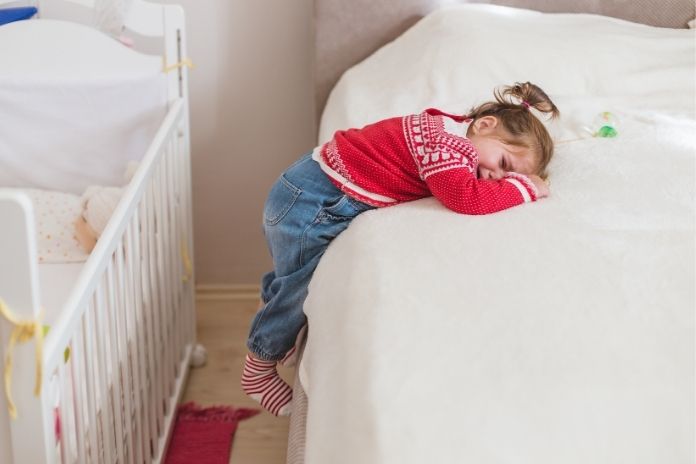
It’s not reasonable to discuss falls without also addressing how to prevent them in the first place. I’m not trying to lecture you. Even though we know you’re trying your hardest, accidents do happen.
To protect your child from falls, the CDC also recommends the following precautions:
- To help prevent window falls, keep their crib and other furniture away from windows.
- Always keep an eye on your baby while they are in their strollers, swings, high chairs, and infant carriers.
- Instead of using a chair or other raised furniture, such as a table, consider placing car seats or bouncy seats directly on the floor.
- Instead of a walker that can topple over or fall down steps, consider using a stationary activity center.
- Don’t leave your child unattended in the shopping cart; instead, use the safety belt.
- Children should never play unattended on balconies, decks, high porches, or staircases.
- To prevent TVs and furniture from toppling over, secure them to the wall using wall straps, anchors, bracing, brackets, or mounts.
- Under every rug, place non-slip pads. Use a non-slip mat to prevent your little one from slipping while you bathe them in the tub.
- As soon as your baby starts to stand in their crib, lower the mattress.
- Install gates at the top and bottom of each staircase, and try to keep your child away from decks and porches that are elevated. (A mesh gate is better than the accordion type, which can snap and pinch little fingers.) If your child can squeeze through the bars, place guards or sheets of acrylic (Plexiglass) on the railings and banisters.
- Soften the sharp corners of your furniture. Coffee tables can cause scrapes and bruises to your little one because they are at a low height. You may want to put your coffee table in storage until your child is a confident walker, or you may want to pad the corners.
Read More: Rethinking Baby Food: The Hidden Dangers of Ultra-Processed Choices
Emotional Recovery for Parents

A fall can have a significant effect on both the parent and the child. When they hear that little thump, almost every parent feels scared, guilty, or like they are to blame. It’s important to remember this: even in the safest homes, accidents happen. Babies often fall as they learn because they are naturally curious and unpredictable.
Instead of dwelling on what went wrong, think about what you can learn from the experience. It could involve using soft padding to make surfaces safer, or supervising with more awareness. When you turn your worries into actionable steps, you regain your sense of control and confidence.
Conclusion
For a parent, a baby’s fall can be sudden, frightening, and unforgettable—like a little earthquake. The majority of baby falls, however, are minor and serve as a reminder that infants are developing, learning, and exploring.
The true power lies in how calmly and thoughtfully you respond, not in preventing every fall, which is impossible. Promptly assessing your baby, monitoring them, and knowing when to seek assistance can transform a moment of panic into a moment of protection.
It’s equally important to acknowledge how you feel. Guilt and fear are common in these situations, so do not blame yourself or question your parenting. Use these moments to learn, grow, and become more confident. All falls are temporary, and your careful parenting will ensure that both you and your baby can recover.
Read More: Preparing for Parenthood: Essential Items for Your Baby Registry
FAQs
Should I let my baby sleep after a fall?
If your baby doesn’t show any signs of a serious injury, it’s usually fine to let them sleep after a fall.
What if my baby fell and hit their head on a hard floor?
Apply a cold compress to your baby’s head for ten minutes after they fall and hit their head. Be on the lookout for any warning signs, such as vomiting, extreme irritability, or difficulty waking up, that require immediate medical attention.
How long should I monitor my baby after a fall?
Monitor your baby closely for 24 to 48 hours after a fall. Look for signs such as excessive sleepiness, repeated vomiting, unusual fussiness, or loss of balance. If you notice any of these symptoms, call your doctor right away.
Can a fall cause long-term damage if there are no symptoms right away?
While most falls result in no lasting effects, it’s important to monitor your baby carefully because some serious injuries may not show immediate symptoms. Concerning signs can sometimes develop gradually or be subtle in babies. This is why close observation for 24 to 48 hours after a fall is crucial. If you have any concerns about your baby’s behavior or development following a fall, consult your pediatrician.
References
- https://health.clevelandclinic.org/what-to-do-if-your-infant-falls-off-the-bed-or-changing-table
- https://www.babycenter.com/health/injuries-and-accidents/falls-what-to-do-when-a-baby-or-toddler-gets-a-bump-on-the-h_397
- https://www.samitivejhospitals.com/article/detail/if-your-child-falls-out-of-bed
- https://providers.clevelandclinic.org/provider/laura-o-connor/4271030
- https://www.webmd.com/parenting/baby/what-to-do-when-baby-falls
- https://inandouturgentcare.com/child-falls-knowing-when-to-see-a-doctor/
- https://kidshealth.org/en/parents/falls-sheet.html
In this Article