








Several skincare trends come and go, but a few actually help us. One of those is pimple patches. Most of us have used them and swear by the benefits. However, what is often less talked about is the care of the skin after removing the pimple patch. Read on to find out more!
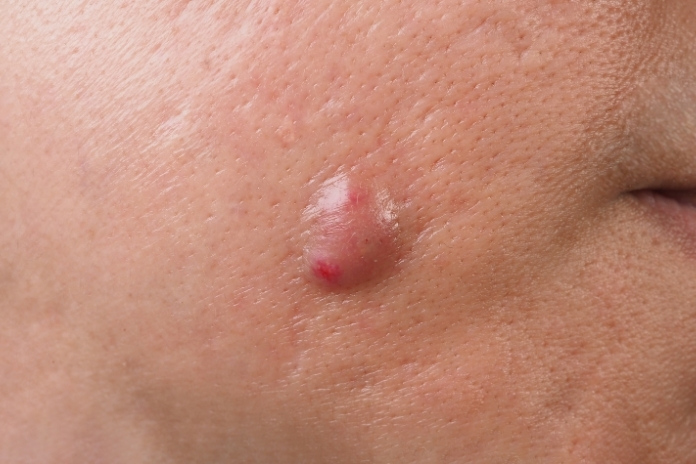
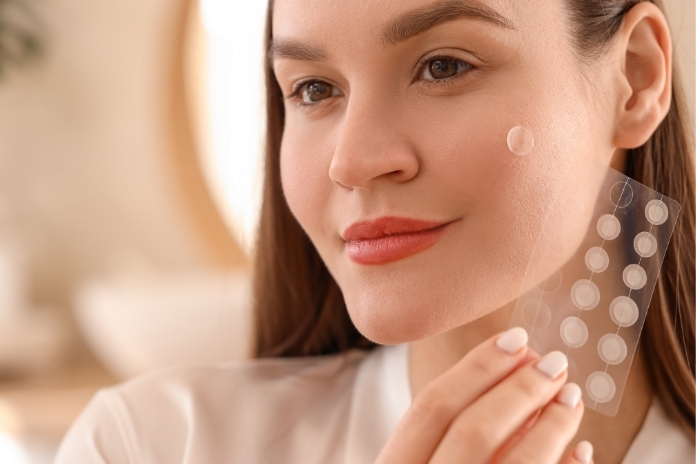
What are pimple patches? Pimple patches have become a staple in skincare. It is a small but mighty solution that sucks out pus, soaks up excess liquid, and protects your blemish from dirt, pollution, and even your own fingers. They do all this by providing a moist healing environment that accelerates healing and reduces the temptation to pick.
But when the patch is removed, what follows is also crucial. The skin under it can be dry, sensitive, and temporarily exposed. This skin might appear smooth and clean, but it’s actually fragile. The condition is very similar to a healing wound. Without aftercare, you are more prone to irritation, scarring, or even a secondary breakout.
That’s when post-patch care starts. A few careful moves —gentle cleaning, moisturizing, guarding, and avoiding harsh actives —are the key.
Kord Honda, MD, a dermatologist and the Director of Dermapathology at University Hospitals Cleveland Medical Center, shares his thoughts on pimple patches. He says, “We use these dressings to help with wound healing,” says Dr. Kord Honda. “A hydrocolloid pimple patch can help heal minor skin troubles, like blemishes, pimples, and superficial acne lesions. Theoretically, they draw out moisture from the area,” he says. “In part, they also serve as a barrier that helps keep people from picking their acne.” Dr Kord Honda adds.
In this article, we will explore a dermatologist-recommended regimen to help your skin heal safely and return to its normal balance after you remove a pimple patch.
Read More: How to Fade Dark Spots From Pimples: Dermatologist-Approved Treatments
Step 1 — Cleanse the Area Gently

Once you’ve peeled off your pimple patch, it’s tempting to jump straight into the rest of your routine. But cleansing correctly is the foundation of healthy healing.
- Start with clean hands. Always wash your hands before touching your face. The freshly exposed skin is more susceptible to infection, as it is more fragile and allows bacteria to enter.
- Use a mild, non-stripping cleanser. Avoid anything abrasive or foamy that will irritate the skin. A low-pH gel or cream cleanser will remove leftover adhesive, oil, and debris without disturbing the skin’s barrier. Look for soothing ingredients such as glycerin, oat extract, or green tea.
- Dry the area by patting, not rubbing. Use a gentle towel or tissue and pat the skin dry. Rubbing could irritate the healing skin, leading to redness or microtears.
Pro Tip: If you’re using micellar water or cleansing pads, make sure they are alcohol-free and fragrance-free so that they won’t sting the area.
Step 2 — Soothe and Hydrate the Skin
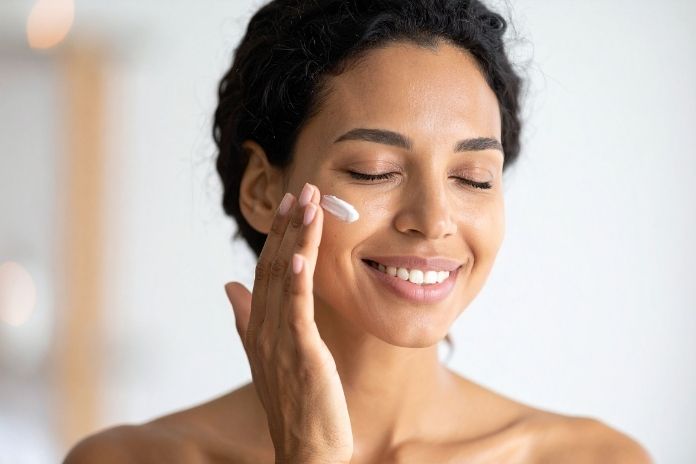
After a hydrocolloid patch is removed, it’s normal to see the skin appear slightly red, dry, or flaky. That’s because the patch has sucked out excess moisture. Now, the skin requires moisture and soothing ingredients that help restore elasticity and comfort.
What to Apply:
You can apply a light, non-comedogenic moisturizer or serum with barrier-promoting and soothing ingredients like:
- Cica (Centella Asiatica), which stimulates repair and inflammation reduction.
- Aloe vera, natural pulp or gel, provides immediate cooling relief and hydration.
- Panthenol (Vitamin B5), which retains moisture and maintains barrier function.
- Ceramides help build up the skin barrier and prevent water loss through the skin.
- Niacinamide of low concentration, which stimulates healing gently and brightens uneven tone if you can tolerate it well.
What Not to Use:
- Avoid using fragrant creams or alcohol gels.
- Stay away from strong actives (retinol, acids, or benzoyl peroxide) immediately after stripping.
- Heavy, pore-blocking ingredients must be avoided, too, unless the skin is very dry.
If your skin is particularly tight, you may use a thin coating of petroleum jelly or a healing balm only on the affected area. This seals in moisture and protects the healing area from bacteria and friction.
Read More: If Popping Pimples Is So Bad, Why Do Estheticians Still Do It? A Dermatologist Explains
Step 3 — Avoid Harsh Ingredients for 24 Hours
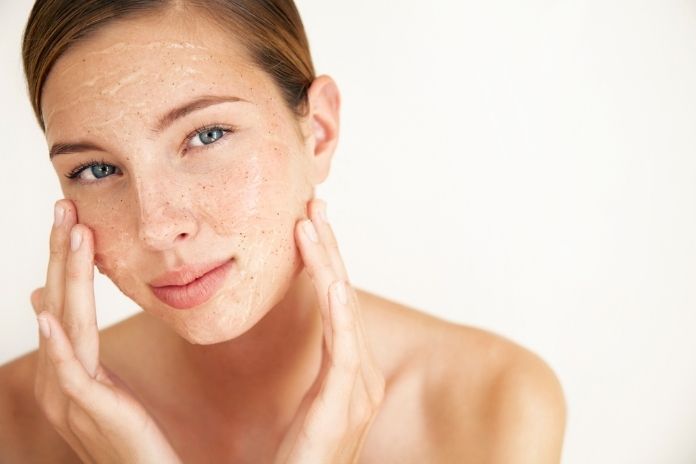
Once you remove the patch, the first 24 hours are about letting your skin breathe and heal. Although the pimple can appear smaller, the tissue underneath is still delicate.
Here’s what you can stop temporarily:
- Exfoliating acids (AHAs/BHAs): These irritate the recently healed skin and slow down recovery.
- Retinoids: Known to promote cell turnover, retinoids are too harsh for sensitive skin.
- Benzoyl Peroxide or Sulfur Treatments: Effective for active acne, but overkill for skin that’s already healing.
- Clay Masks or Scrubs: These can strip moisture and increase sensitivity.
You can instead let your skin’s natural regeneration process work on its own. A single night of gentle, minimal skincare can promote better healing.
If you feel that the area is particularly dry or exposed, apply a light layer of healing ointment at night. This forms a barrier that locks in moisture and keeps bacteria away.
Step 4 — Protect the Spot from Sunlight
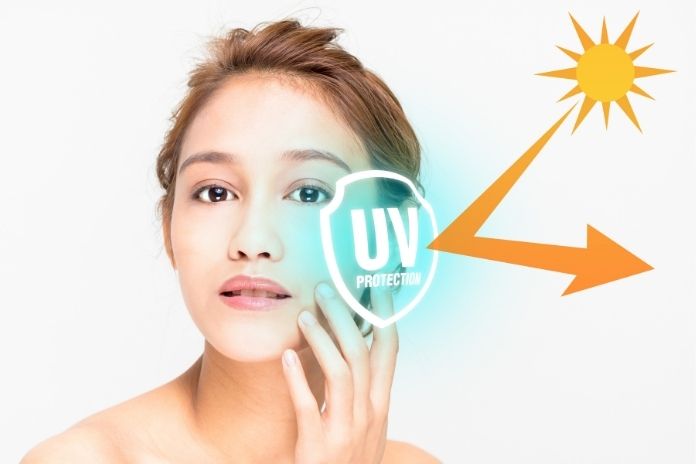
Even after the blemish flattens, the spot can remain more sensitive to sunlight. This is because the skin cells underneath are newly formed and lack full melanin protection, making them prone to post-inflammatory hyperpigmentation (PIH).
Here’s how to protect your progress:
- Apply SPF 30 or higher every morning, even if you’re staying indoors.
- Choose a non-comedogenic sunscreen (gel or lotion-based) that won’t clog pores.
- Reapply every 2–3 hours when spending time outdoors, particularly if you wipe your face often.
- Cover the area physically with a hat or find shade when the sun is intense.
This one easy step not only prevents dark spots but also enables the area to heal more evenly and faster.
Step 5 — Monitor for Signs of Irritation or a Rebreakout
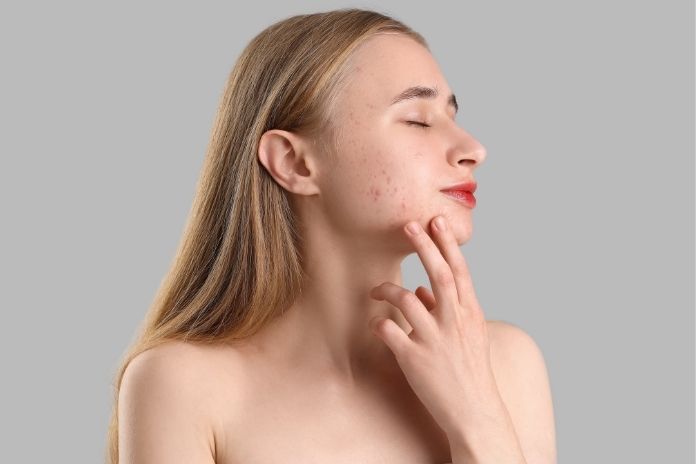
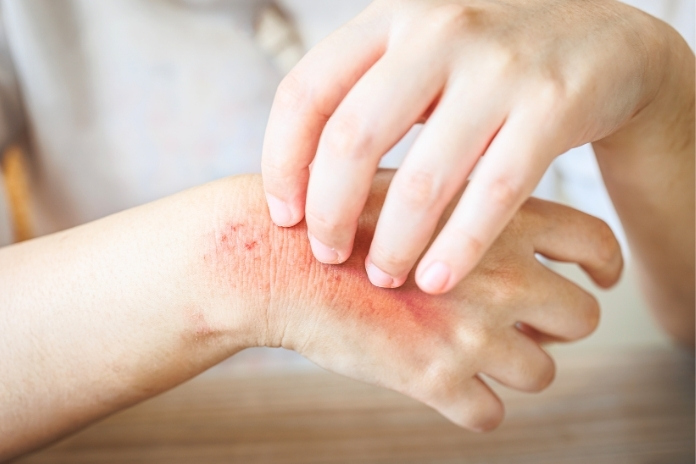
Healing is not smooth. Some minor redness or dryness is to be expected after a patch is removed, but symptoms that persist or worsen may signal irritation or infection.
What’s Normal:
- Mild pinkness or flaking
- Little tightness or dryness of the skin
- A light mark where the pimple was
What’s Not:
- Swelling or throbbing pain
- New pus formation or oozing
- Stinging, burning, or itching that won’t go away
- Redness spreading beyond the spot
If you notice any of these symptoms, stop all actives, do not re-patch, and consult a dermatologist if needed. Do not repeatedly pick or re-patch, as this can cause inflammation and slow recovery.
Remember, your skin heals best with gentle support, not an overload of products.
Read More: 9 Home Remedies for Acne and Pimples
Step 6 — Optional: Reapply a New Patch (If Necessary)
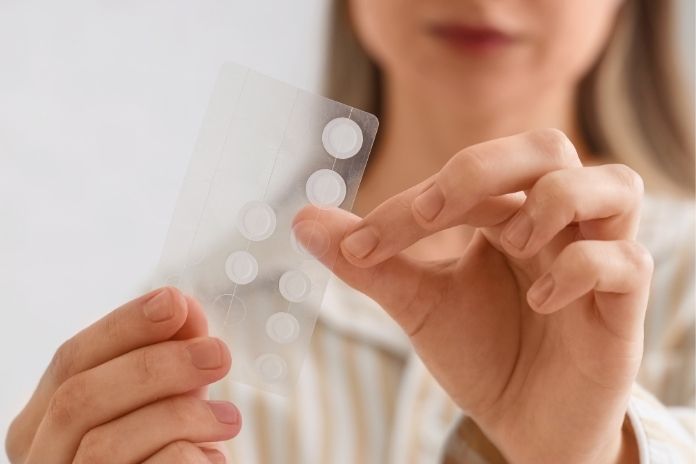
Occasionally, even after you’ve applied a patch, the area may continue to secrete a small amount of liquid or appear shiny. In these situations, it is perfectly safe to reapply a new hydrocolloid patch over the area to absorb excess moisture and promote further healing.
- Always clean and dry the skin prior to using a new patch.
- Use small patches that exactly cover the blemish.
- Change every 6–8 hours, or sooner if the patch turns cloudy or becomes saturated.
- Do not layer multiple patches over a single site, close to each other.
But if the skin looks irritated, sensitive, or too dry, it’s better to avoid re-patching. Give it time to breathe for a day or two before doing anything else.
A few tips to remember to get things moving naturally:
- Make skincare gentle and regular.
- Stay hydrated with barrier-repairing products.
- Get plenty of sleep and don’t pick or touch the spot.
Patience is crucial. If you overdo the area with actives or patches, it can do more harm than good.
Key Takeaway
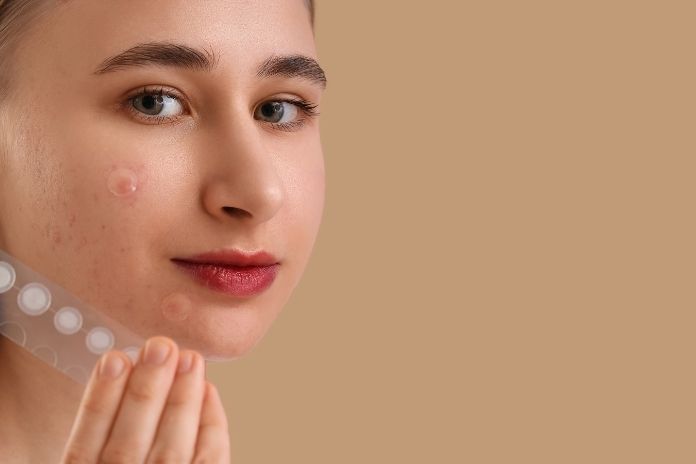
Once you remove a pimple patch, treat your skin as gently as a minor wound. Wash gently, hydrate, shield with sunscreen, and skip heavy-duty actives for at least 24 hours.
With this approach, the blemish spot will become flatter, fade, and heal without scarring or pigmentation. As time passes, you’ll see smoother, more even skin with fewer recurring episodes.
FAQs About Pimple Patch Aftercare
Q: Do I need to wash my face after taking off a pimple patch?
Yes. Always gently wash with clean hands and a mild cleanser to dislodge residue and oil. Steer clear of hot water or scrubbing.
Q: Can I use moisturizer or serum afterward?
Yes. Try a calming, unscented moisturizer or serum containing humectants such as panthenol, aloe, or ceramides. Steer clear of potent actives.
Q: Why is my skin red or flaky with a patch?
That’s to be expected. The hydrocolloid draws out water and pus, leaving the surface temporarily dry. A gentle moisturizer or healing ointment will soothe it.
Q: Can I use another patch right away?
If there is still fluid or an open pore, you can reapply a fresh patch after cleaning the area. Otherwise, skip it to give the skin some rest.
Q: Can I apply actives such as retinol following pimple patch use?
Not right away. Wait at least 24 hours, or until the area is completely calm. Applying actives too early can lead to peeling or irritation.
Q: How long does it take for the spot to fade completely?
Usually 3–7 days, depending on your skin type, pimple depth, and how well you protect it from the sun and other irritants.
References
- https://avarelle.com/blogs/guide/understanding-the-white-stuff-on-pimple-patches
- https://pmc.ncbi.nlm.nih.gov/articles/PMC2921758/
- https://thebathandcare.com/blogs/news/what-to-do-after-removing-the-pimple-patch
- https://www.acs.org/education/chemmatters/articles/pimple-patches-and-what-they-offer.html
- https://www.uhhospitals.org/blog/articles/2025/09/are-pimple-patches-really-a-quick-fix-for-acne?
- https://www.uhhospitals.org/for-clinicians/specialties/dermatology/diagnostic-services
In this Article