












Muscle stiffness or spasms out of the blue. A body that reacts violently to the most minor stimuli—touch, sound, or stress. This isn’t the script for an imaginary illness; it’s the everyday life of people with Stiff Person Syndrome (SPS)—a rare and progressive neurological disorder that has only recently come to our notice.
Even though it is presented dramatically, SPS is usually misdiagnosed for years. Presenting with symptoms that are similar to anxiety, Parkinson’s disease, or multiple sclerosis, most patients are left with no explanation. This article helps you understand all about SPS: what it is, why it occurs, how it is diagnosed, and what treatment and support are like.
Read More: 18 Natural Muscle Relaxers – Bid Adieu to Muscle Pain and Cramps
What Is Stiff Person Syndrome
Stiff Person Syndrome is a rare autoimmune and neurological disease affecting mainly the central nervous system. Noticeable symptoms include progressive stiffness of muscles, painful spasms, and increased startle response. These symptoms severely impact mobility, posture, and daily function.
What makes SPS so difficult to deal with is its unpredictable nature. Today, a person might walk normally; tomorrow, the sound of a gong might send them into a full-body spasm, forcing them to the ground. With time, this unpredictability creates anxiety and social isolation.
Key symptoms include:
- Chronic stiffness in the trunk and limbs
- Painful muscle spasms caused by external stimuli that occur abruptly
- Trouble walking, balancing, or standing still
- Exaggerated startle reflex to touch, sound, or emotional stress
The illness gradually worsens, and if not properly controlled, it can end up causing disability.
Why Is It Called “Stiff Person”?
The term “Stiff Person Syndrome” may sound unusual, but it’s a fitting description. The patients say and complain that their muscles feel locked, particularly in the spine and lower body. The condition was previously called “stiff man syndrome” in the medical literature, but the nomenclature was changed as it occurred in both genders, particularly because women are twice as likely to become its patients.
What Causes SPS?

At its center, Stiff Person Syndrome is an autoimmune attack. The body mistakenly attacks glutamic acid decarboxylase (GAD), an enzyme necessary to make gamma-aminobutyric acid (GABA), a neurotransmitter that quiets overactive nerves.
When GABA levels decrease, the body’s muscle-controlling nerves become overactive. Muscles contract and stiffen because they’re no longer getting the normal inhibiting signals.
The main reason is the presence of anti-GAD antibodies (found in 60–80% of patients). In rare cases, the syndrome is paraneoplastic, starting with an immune reaction to cancer (most commonly breast or lung cancer). In these patients, the body’s response to attacking the tumor mistakenly attacks neurons.
Read More: Top 10 Recovery Products Every Athlete and Fitness Enthusiast Should Own
Early Symptoms: What to Look Out For
SPS is a chameleon at the start. Signs creep in gradually and might resemble general stress, lower back pain, or muscle tension. But there are warning signs.
- Progressive Muscle Stiffness:
Muscle stiffness usually starts in the lower back and thighs. Initially, it can be similar to muscle tightness after exercise, but the pain doesn’t go away, and the discomfort increases. Eventually, it can affect abdominal, upper limb, and neck muscles, making daily activities stiff and mechanical.
- Painful Muscle Spasms:
Spasms are often severe, abrupt, and provoked by sudden stimuli such as a loud noise, sudden contact, or even emotional upset. These spasms are not only unpleasant, they are disabling at times, resulting in a fall or complete inhibition of movement.
- Postural Abnormalities:
Patients, as stiffness sets in, develop a typical posture:
- Hyperlordosis (increased inward curvature of the spine)
- Rigid trunk that is resistant to bending or twisting
- Abnormality in maintaining normal patterns of gait
- Impaired Balance and Falls:
Rigid muscles impair coordination. Walking is hard, and turning or brusquely stopping may cause stumbles or even dangerous falls. Standing up might be as challenging as walking.
- Increased Startle Reflex:
SPS patients also report that they are “a live wire.” A sudden slamming door or any rapid movement might trigger spasms or extreme reactions. Hyper-responsiveness becomes one of the most life-threatening symptoms.
How Is SPS Diagnosed?
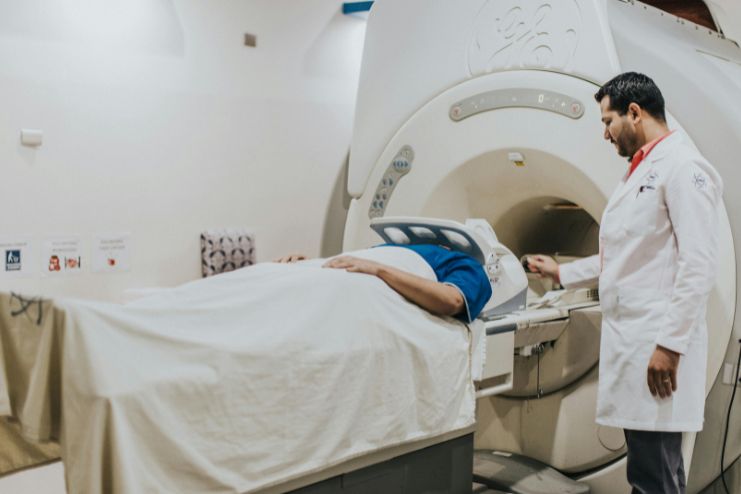
Diagnosis of SPS is notoriously tricky. The illness is uncommon, and the symptoms are similar to many neurological and psychiatric illnesses. Patients often spend years without an accurate diagnosis, usually being treated for anxiety, fibromyalgia, or conversion disorder.
Step-by-step diagnosis includes:
- Antibody Testing:
The most informative marker is the occurrence of anti-GAD antibodies in the bloodstream. Not all patients, however, will be positive. Some can have amphiphysin antibodies (particularly in cancer-related SPS).
- Electromyography (EMG):
EMG tests pick up on ongoing involuntary muscle spasming, even when muscles are not moving—something that healthy people will not experience.
- MRI and Lumbar Puncture:
They are used to rule out diagnosis such as MS or spinal cord lesions. A lumbar puncture can also test for inflammation within the central nervous system.
- Neurological Examination:
A skilled neurologist looks for classic signs: symmetrical stiffness, spasms triggered by startle, abnormal reflexes, and postural changes. This helps him diagnose the condition early on, in a better way.
Common Misdiagnoses
Since symptoms look neurological, psychiatric, and musculoskeletal, patients are often misdiagnosed with:
- Parkinson’s disease
- Multiple sclerosis
- Generalized anxiety disorder
- Fibromyalgia
- Functional neurological disorder (FND)
This is why seeing a neurologist with experience in rare autoimmune neurological disorders is essential.
Read More: 6 Best Vitamins To Improve Your Brain Health
Treatment: Can It Be Cured?

SPS has no cure, but various treatments can help reduce symptoms greatly, enhance functioning, and slow the progression.
- GABA-Enhancing Medications:
- Diazepam (Valium): A benzodiazepine that increases GABA and reduces both stiffness and spasms.
- Baclofen: It acts on spinal GABA receptors; orally or by an intrathecal pump for severe cases.
- Immunotherapy:
- IVIG (Intravenous Immunoglobulin): The most effective treatment; modulates the immune system.
- Plasmapheresis: A process of blood filtration to eliminate damaging antibodies.
- Steroids and Immunosuppressants (such as rituximab): Used in aggressive or cancer-associated SPS.
- Physical Therapy
- Stretching regimens to promote flexibility
- Balance training to prevent falling
- Postural training helps correct spinal deformities.
- Psychological Support:
Since the SPS disorder can drain you emotionally, psychological support is essential:
- Anxiety or traumatic CBT for spasms
- Depression or sleep medication
- Stress-reducing strategies to reduce the frequency of spasms
Living With SPS: Daily Strategies and Support
SPS is more than a medical disorder, it’s a lifestyle challenge. But with the proper care and tips, many people can have a better quality of life.
- Safety First:
- Eliminate tripping hazards
- Install grab bars and railings
- Use assistive devices such as walkers or braces when necessary.
- Monitor Your Triggers:
- Maintain a symptom diary to track flare-ups
- Recognize environmental, emotional, or food triggers
- Discuss patterns with your healthcare provider to modify treatments
- Develop a Support System:
- Join organizations such as the Stiff Person Syndrome Research Foundation
- Participate in online forums for peer support
- Educate family and friends to promote understanding
The Final Thoughts

Stiff Person Syndrome is perhaps rare, but its effects are strong. Early indicators such as unexplained stiffness, spasms, or exaggerated startle reactions should never be dismissed. As long as awareness, accurate diagnosis, and compassionate treatment exist, individuals with SPS can gain mobility, dignity, and hope.
If you, or someone you care about, are showing symptoms that don’t fit into any diagnosis, keep questioning. Find a neurologist, get tested, and most importantly, don’t give up. In the universe of rare illnesses, persistence usually brings results.
In this Article