











Most people think skincare is about finding the “strongest” product, the fastest retinol, the highest percentage peel, the most tingling serum. But skin doesn’t always respond to aggression. Sometimes, the quietest ingredient does the most consistent work.
Mandelic acid is one of those ingredients. It does not scream for attention, doesn’t sting aggressively, and doesn’t even promise an unrealistic overnight transformation. But give it time, and it shows steady results that look natural, not forced.
What Exactly Is Mandelic Acid?
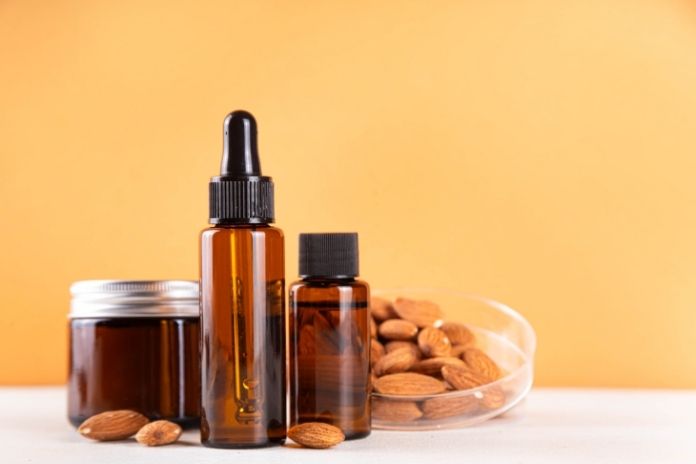
Mandelic acid belongs to the AHA (Alpha Hydroxy Acid) family and originally came from bitter almonds. Today, many formulations are lab-developed for purity and stability, but the function remains the same: gentle chemical exfoliation.
Unlike glycolic acid (which is small and penetrates quickly, sometimes too quickly), dermatologist Heather Rogers says that mandelic acid has a larger molecular size, so it enters the skin slowly. Because of this slower penetration, it often causes fewer flare-ups, less burning, and less irritation, especially for sensitive skin, acne-prone skin, or deeper skin tones that are prone to pigmentation.
In simple terms:
It’s an exfoliating acid that works patiently, not aggressively.
So if glycolic acid feels too aggressive or salicylic acid dries you out, mandelic acid often becomes that “middle ground” exfoliant.
The Core Benefits of Mandelic Acid – But Explained With Realistic Expectations

Most blogs list benefits in a predictable format: shiny skin, acne control, pigmentation fading, and anti-aging. But let’s break it down differently, by how the skin reacts to it over time.
Week 1–2: Texture Reset Begins
During the first few uses, something subtle happens:
Dead cells loosen and shed more efficiently. This never looks dramatic. There is usually no peeling, no visible flaking. But you start noticing a smoother touch, less roughness around the nose, and fewer bumps on the forehead.
This is the “silent work” phase.
Week 3–6: Acne and Pores Respond
Mandelic acid also helps regulate oil, unclog pores, and reduce inflammation. Its antibacterial property gives it an advantage for breakouts, especially whiteheads, blackheads, and stubborn closed comedones.
Some dermatology research even suggests it can be as effective as stronger exfoliants, but without the collateral irritation.
If your skin gets shiny or easily congested, this phase is when things feel more controlled.
6–12 Weeks: Pigmentation and Tone Changes
This is where mandelic acid earns loyal users.
Hyperpigmentation, post-acne marks, dull patches, and uneven tone fade gradually; not aggressively bleached, not sudden, not patchy. Skin tone evens out at a controlled, safer pace, especially compared to stronger acids, which can sometimes worsen pigmentation when overused.
Read More: 20 Health Benefits of Parsley—Lead a Healthier Life!
Anti-Aging – But Not in the Overpromising Style
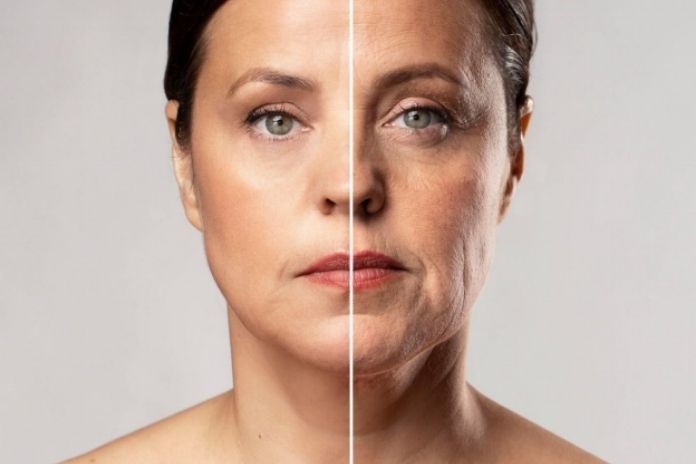
Many anti-aging claims sound exaggerated, almost like a skincare advertisement. Mandelic acid does not give a “face-lift” effect or dramatic tightening.
Instead, it helps skin look:
- Smoother
- More even-toned
- Less tired
- Slightly plumper due to better cell turnover
Fine lines may soften, not vanish. That honesty matters. Older or sensitive skin types often tolerate mandelic acid better than glycolic acid because irritation itself speeds aging. Less irritation means better long-term skin behaviour.
Read More: Spermidine – The Anti-Aging Compound That’s Creating Buzz in Wellness Circles
Who Benefits Most?

Rather than listing skin types, here’s a simpler viewpoint:
Mandelic acid works especially well for people who say sentences like:
- “Everything irritates my skin.”
- “My skin gets dark marks even when a pimple heals.”
- “Strong exfoliants sting or give me a rash-like reaction.”
- “My skin feels congested but too sensitive for harsh treatments.”
- “I want exfoliation, but I do not want purging drama.”
- “My skin gets red or patchy the moment I try anything stronger.”
- “I do not want to risk worsening my pigmentation with overly strong acids.”
- “My skin looks dull, but scrubs and harsh peels make it worse.”
- “I break out around my period or during humid weather, but aggressive acne products dry me out.”
- “I prefer a low-maintenance routine and need an exfoliant I do not have to ‘manage’ carefully.”
If any of these sound familiar, mandelic acid is a good fit.
Read More: 14 Remedial Benefits For Lower Back Pain That Provide Promising Results
How Mandelic Acid Comes and What Each Form Really Does
Not every product type behaves the same. There is no “best format,” only what fits your routine and skin tolerance:
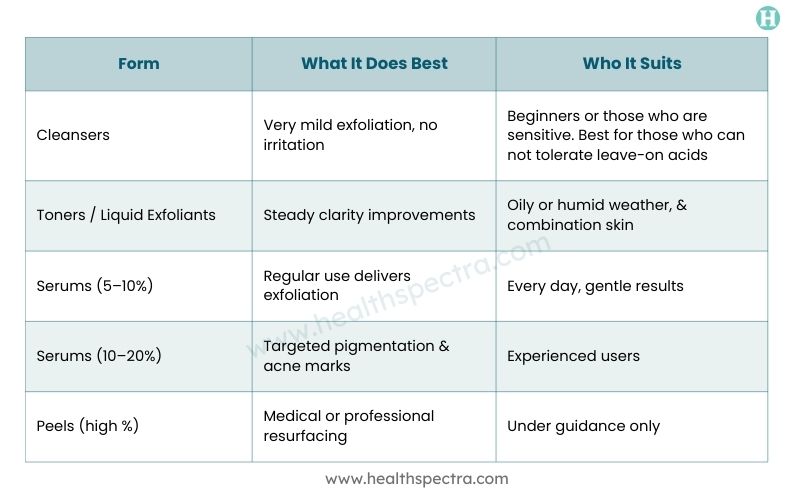 A cleanser will not transform pigmentation. A toner never gives overnight results. A 10–20% serum is where meaningful change usually begins, slowly and consistently.
When you’re actually shopping for mandelic-acid products, dermatologist Dr. Marnie Fisher says you’ll mostly see 10% formulations. She notes that this is the concentration you’ll come across most often, and she recommends choosing options without added fragrance to avoid unnecessary irritation. She also adds that while mandelic acid originally came from bitter almonds, the versions used in skincare are made through controlled lab processes – meaning the final AHA does not contain nut proteins.
Read More: How Long Does Dulcolax Take to Work? Onset Time, What to Expect, and Tips for Safe Use
How to Use Mandelic Acid Safely – Without Trial and Error Chaos
Skincare mistakes usually happen because people rush. Here’s a practical approach:
1. Start Slow
Use it 2–3 times a week at first, especially if using 10% or above. Cosmetic scientist Dr. Shuting Hu recommends starting with just once a week to see how your skin handles it, and only increasing the frequency if everything feels calm.
2. Pair With Moisture, Not Harsh Actives
Mandelic acid does not need competition. Avoid combining it with:
- Retinoids:Using both at the same time can overwhelm your skin and trigger redness or flaking.
- Glycolic acid or lactic acid:Layering multiple AHAs can be too harsh and increase sensitivity.
- Salicylic acid (unless already tolerable):Combining exfoliating acids may dry out or irritate skin prone to breakouts.
- Strong vitamin C (L-ascorbic acid):High-strength vitamin C, along with mandelic acid, can sting and compromise your barrier.
Skin should feel supported, not interrogated.
Dermatologist Dr. Marina Peredo says mandelic acid works best when used at night, right after cleansing and before your moisturizer, so it has the whole night to settle in and work efficiently.
3. Sunscreen Is Not Optional
Exfoliation makes skin more sun-sensitive without SPF, pigmentation, and irritation risk increase. Even the best acid will not help if sun exposure cancels progress.
4. Patch Test
Especially if:
- You have eczema
- Very reactive skin
- Allergy to almonds or nut derivatives
Better safe than sorry.
5. Do Not Expect “Tingling Means Working”
Mandelic acid usually does not sting. That does not mean it’s ineffective.
Read More: The Hidden Dangers of Neem: Side Effects & How to Use It Safely
Possible Side Effects – Honest, Not Fear-Based
Even gentle ingredients can trigger issues if misused:
- Redness
- Dryness or tightness
- Temporary peeling
- Increased sensitivity
- Irritation if mixed with too many active ingredients
If something feels like “burning,” stop and reset. Skin barrier comes first.
Read More: Is Cream of Wheat Good for You? Nutrition, Benefits, and Side Effects
Who Should Avoid or Use With Caution
Not everyone needs exfoliation, even gentle exfoliation.
You should avoid or be careful if:
- Your skin barrier is damaged
- You are peeling from retinoids or other exfoliants
- You cannot commit to daily sunscreen
- You have severe dermatitis or active wounds
- You know you react to almond-derived ingredients
Not every skin condition benefits from acids; sometimes hydration and repair matter more.
Read More: Diet for Ulcerative Colitis: What to Eat and Avoid to Manage Flares Naturally
Final Thoughts – A Balanced View
Mandelic acid is neither a miracle nor a trend ingredient. It is a science-backed exfoliant that works steadily, quietly, and predictably, especially for skin that reacts badly to harsher actives.
It will not erase every flaw. It will not transform skin overnight. But it can:
- Improve texture
- Reduce breakouts
- Fade marks
- Balance tone
- Support long-term skin clarity
If skincare feels overwhelming, and every product either burns or does nothing, mandelic acid may be the middle path your skin responds to. Not loud. Not aggressive. Not trendy. Just consistent.
FAQs
1. Can I use mandelic acid every day?
You can, but do not start that way. Begin 2–3 times a week. If your skin stays calm, you may increase to daily use, especially for lower concentrations (5–10%).
2. Does mandelic acid purge the skin?
Some people experience mild purging (small breakouts) as clogged pores clear. It usually lasts 2–6 weeks. If breakouts worsen or feel inflamed, stop and reassess.
3. Can mandelic acid be used with retinol?
Yes, but never in the same routine, especially if you’re new to both. It is good to alternate nights to avoid irritation and keep the skin barrier healthy.
4. How long does it take to see results?
Texture improvement can show in 1–2 weeks. Pigmentation, acne marks, and scars usually need 6–12 weeks of steady use.
5. Is it safe for deeper skin tones?
Yes, generally safer than stronger acids for deeper tones.
References
- Dayal, S., Kalra, K. D., & Sahu, P. (2019). Comparative study of efficacy and safety of 45% mandelic acid versus 30% salicylic acid peels in mild‐to‐moderate acne vulgaris. Journal of Cosmetic Dermatology, 19(2), 393–399
- Jacobs, S., & Culbertson, E. (2018). Effects of Topical Mandelic Acid Treatment on Facial Skin Viscoelasticity. Facial Plastic Surgery, 34(06), 651–656
- Rizza, L., Frasca, G., Bonina, C., & Puglia, C. (2010). Comparative in vivo study of the efficacy and tolerance of exfoliating agents using reflectance spectrophotometric methods. Journal of Cosmetic Science, 61(3), 247–258
In this Article