












Among all the eye problems people worry about, a chalazion is the one that seems harmless yet disrupts life in small, irritating ways. It never calls for loud attention the way a stye does. It lies quietly, forms slowly, and creates a firm, stubborn eyelid swelling that refuses to go away on its own timetable.
Most people don’t know what to call it, so they Google “eyelid pimple,” “eyelid cyst,” “small ball on eyelid,” and everything in between. And, that confusion is actually normal; chalazia behave differently from most common eyelid issues.
This article keeps things practical rather than overwhelming. How doctors actually explain this condition: simple, observable, and straight to the point.
What Exactly Is a Chalazion?
Medical Definition
A chalazion is basically a blocked oil gland inside the eyelid. When the gland, called the meibomian gland, gets clogged, the oil stays trapped. And the body reacts by forming a firm, well-defined lump.
Not pus. Not an infection. Just a small pocket of thickened oil wrapped in inflammation. It is one of those problems that looks more serious than it actually is.
Why It Happens
These oil glands are supposed to release a thin layer of oil to keep the eyes moist always. But sometimes the oil becomes thick, the gland opening narrows, or even the eyelid skin around it becomes inflamed. This blockage sets everything in motion.
Think of it like this: one small traffic jam in a narrow lane can block the entire flow. The gland behaves exactly like that lane.
How a Chalazion Looks
Patients usually describe it as:
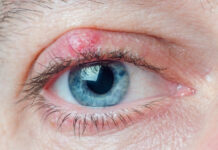
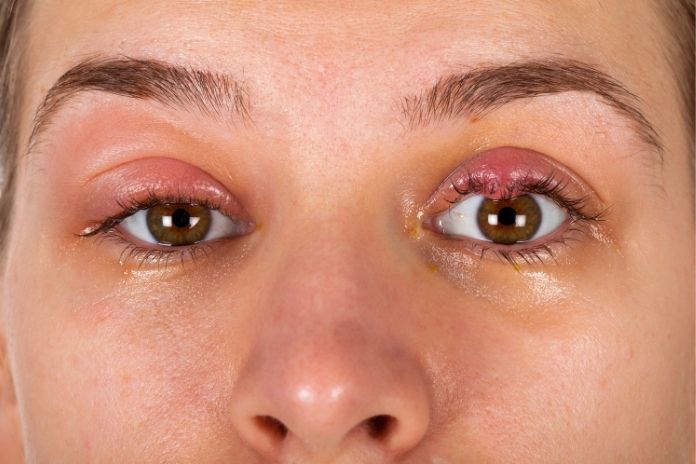
- A smooth, firm, painless eyelid lump
- Skin over it looks normal
- Eyelid swelling feels deeper rather than on the surface
- No “point” like a pimple
- Size can stay small or grow enough to push on the eye
If you press with a fingertip (gently), it feels like a small rubber bead under the skin.
Chalazion vs Stye – Key Differences
People confuse the two because they appear in the same area.
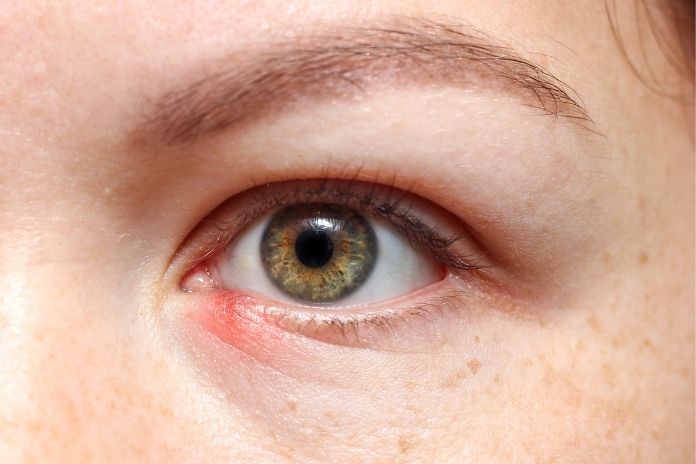
A stye, on the other hand, is an infection. It tends to be painful, red, warm, and tender to the touch. “A stye happens when both the oil glands as well as lash follicles are infected,” says Dr. Justine M. Filippelli, a primary care practitioner. Because infection is involved, styes often feel sore while blinking and may develop a visible white or yellow point.
A chalazion is a blockage. A firm, usually painless eyelid bump, and slow-growing.
One more difference:
A stye may settle down but leave a residual eyelid swelling. When no further infection is present, that residue becomes a chalazion.
Symptoms of a Chalazion
A chalazion does not behave as if it were urgent. It builds slowly.
Early Chalazion Symptoms
- Mild heaviness of the eyelid
- Slight eyelid swelling
- Feeling as if something small is inside the lid
Most people ignore this stage, assuming it will settle.
Established Chalazion Symptoms
Once this eyelid lump forms:
- Firm, round eyelid swelling
- The eyelid feels tight when blinking
- Cosmetic concern, especially on the upper lid
- Slight blur if the lump presses on the eyeball
The blur is usually temporary and purely mechanical.
Severe or Uncommon Chalazion Symptoms
These are not typical but worth noting:
- Significant redness spreading around the eyelid
- Sudden pain (suggests new infection)
- Distorted eyelid shape
- Pressure sensation
If any of these occur, a doctor’s evaluation is better sooner rather than later.
Causes of a Chalazion

1. Blocked Meibomian Glands
This is the core reason. The oil inside the glands thickens or hardens. When the opening gets blocked, the oil stays trapped.
And why does the oil thicken? Several reasons: age, environment, screen time, blinking pattern, diet, skin type, or eye conditions.
2. Skin and Eye Conditions That Increase Risk
Some people’s eyelid skin is simply more reactive.
Conditions often linked:
- Blepharitis (crusty or inflamed eyelids)
- Rosacea (skin that flushes easily and has unstable oil glands)
- Seborrheic dermatitis
- Acne-prone skin
These conditions don’t affect the gland; they make the oil thicker or more unstable.
3. Lifestyle Factors
These rarely get discussed but matter quite a lot:
- Sleeping without removing eyeliner or even mascara
- Using old kajal or shared eye cosmetics
- Constant eye rubbing
- Long screen hours → reduced blinking → thicker oil
- Poor contact lens habits
None of these is a direct “chalazion cause,” but they increase the chances by disturbing normal eyelid oil flow.
4. When a Stye Turns Into a Chalazion
When an infected stye heals but doesn’t drain properly, the remaining content becomes a firm, non-tender eyelid lump. That is the transition from sty to chalazion.
How a Chalazion Is Diagnosed
1. Clinical Examination
Most of the time, a doctor confirms a chalazion through simple inspection and gentle palpation.
No scan, no lab test, nothing complicated.
They will check for:
- Size and location
- Signs of infection
- Underlying eyelid inflammation
- Blocked gland openings
2. No Special Tests Needed
Unless the lesion behaves unusually or keeps recurring in the same spot, no test is required. Rare cases may need a biopsy to rule out other eyelid growths, but this is not the norm.
How a Chalazion Is Treated
Most chalazia respond to early, consistent chalazion home remedies. But “consistent” is the keyword many people underestimate.
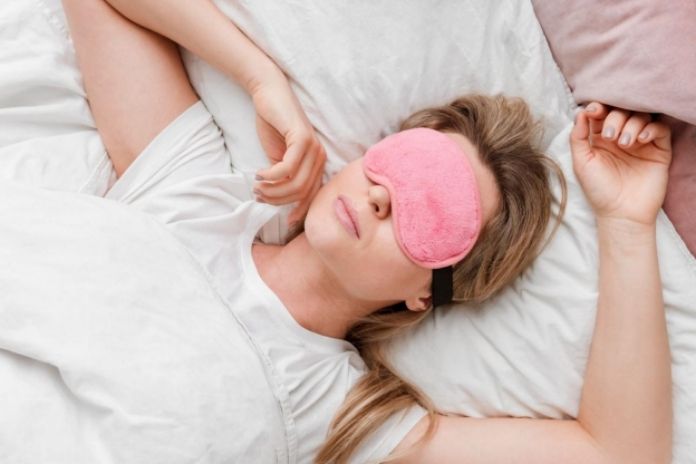
1. First-Line Treatment of Chalazion: Warm Compresses
A warm compress helps soften the trapped oil.
Important points, often ignored:
- Water should be warm, not hot enough to irritate the skin
- Keep it for 8–10 minutes
- Repeat 2–3 times daily
- Cloth should be clean
- Warmth should reach the inner lid, not just stay on the surface
A warm compress is the closest thing to chalazion home remedies and a home cure.
2. Gentle Eyelid Massage
After the compress, very gentle pressure helps the softened oil move.
This is not the aggressive squeezing people try at home. That usually irritates the gland.
Massage direction:
Upper lid → downwards
Lower lid → upwards
(Aim is to move oil toward the natural gland opening.)
3. Over-the-Counter Options
What usually helps:
- Lubricating eyedrops for dryness
- Mild cleansing wipes for eyelid margins
Antibiotics do not help unless there is an infection, which a chalazion does not have.
4. What NOT to Do
This part is important because wrong home techniques make things worse:
- Do not squeeze it like a pimple
- No needles
- No random leftover steroid creams
- No makeup directly over the eyelid swelling
- No constant touching or checking
A chalazion needs calm handling, not force.
Medical Treatments When a Chalazion Doesn’t Improve

If nothing changes after 3–4 weeks of proper care, medical chalazion treatment is reasonable.
1. Steroid Injection
A small steroid injection into the lesion reduces inflammation and shrinks the eyelid swelling.
Not painful beyond a small prick.
Works well for medium-sized or deep chalazia.
2. Surgical Drainage
A small procedure done under local anaesthesia.
- Incision is made from the inside of the eyelid
- The trapped material is cleaned out
- No visible external scar
It is quick, usually less than 10 minutes.
3. Antibiotics
Only needed if there is an infection around the chalazion or if there is blepharitis requiring topical medication. Not a routine part of chalazion treatment.
Read More: Why Your Vision Is Blurry in the Morning (and What It Means for Your…
How Long Does a Chalazion Last
The timeline depends on size and response to care:
- Small ones: 1–2 weeks
- Medium size: 3–4 weeks
- Larger ones: may take 6 weeks or more
- Long-standing ones: sometimes don’t resolve without a procedure
Chalazia do not disappear overnight because the trapped oil needs time to soften and drain.
Read more: Is It Safe to Use Lumify Eye Drops Daily? What Eye Doctors Want You…
Possible Complications (Rare but Important)
Chalazion is a mild condition, but ignoring it for months can lead to:
- Blurry vision due to pressure on the cornea
- Persistent eyelid thickening
- Cosmetic deformity
- Secondary infection
- Recurrence (if underlying causes are not addressed)
Nothing life-threatening, but still worth managing early.
Read More: How to Treat a Pink Eye: Home Remedies for Conjunctivitis
Prevention: How to Reduce Your Risk of Future Chalazia
1. Good Eyelid Hygiene
Simple daily habits make the biggest difference:
- Clean eyelid margins with diluted baby shampoo or lid wipes
- Avoid touching your eyes unnecessarily
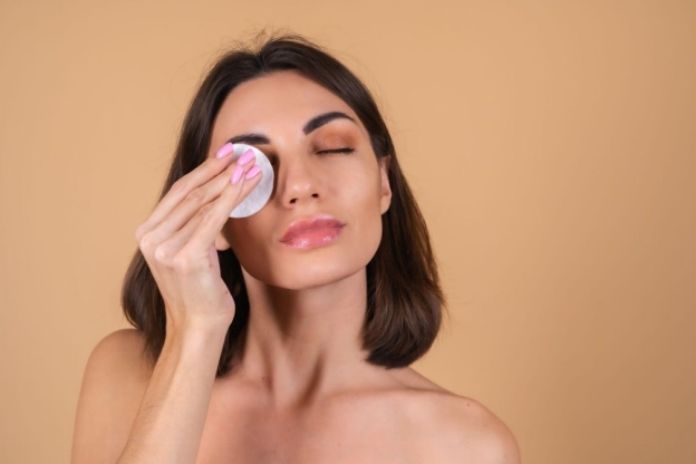
- Remove all eye makeup before sleeping
2. Makeup Habits
Eye makeup behaves like a silent contributor:
- Replace kajal, mascara, and eyeliner every 3–6 months
- Do not share eye cosmetics
- Choose formulas that you can wash easily
- Avoid applying thick layers inside the lash line
3. Managing Skin Conditions
People with rosacea, seborrheic dermatitis, or blepharitis should follow a maintenance routine. Ignoring these conditions leads to frequent recurrence of chalazia.
4. Warm Compress Routine
If you get a chalazion every few months, a weekly warm compress habit helps keep the gland’s oils flowing.
Read More: Dry Eyes: 10 Best Eye Drops 2021; Causes, Symptoms, Treatment
When to See a Doctor
Seek professional care when:
- This eyelid lump persists beyond a month
- It becomes large or distorts the eyelid
- Pain or redness increases
- Vision is affected
- The same spot keeps swelling again and again
A recurrent chalazion in the exact same location always deserves a proper evaluation.
Read More: How to Cure a Stye on the Eye
Final Thoughts
A chalazion is simple in nature but stubborn in behaviour. Treating it early with warm compresses and proper eyelid hygiene usually works well. The key is consistency, not intensity. And most importantly, avoid comparing it to a stye; they look similar but behave differently and require different approaches.
Quick Recap
- Chalazion means a blocked oil gland, not an infection.
- Usually painless and slow-growing.
- Warm compress along with gentle massage is first-line care.
- Persistent cases may need an injection or drainage.
- Good eyelid hygiene prevents recurrence.
FAQs
1. Is a chalazion dangerous?
No, but ignoring it for months can cause discomfort or cosmetic issues.
2. Can I pop it?
No. It is not a pimple, and squeezing only worsens inflammation.
3. Can it spread to the other eye?
Not directly. It is not contagious.
4. Why does mine keep coming back?
Usually due to oily eyelids, underlying skin conditions, or inconsistent hygiene.
5. Do warm compresses really work?
Yes, if done properly and regularly.
References
- Cleveland Clinic. (2024, January 8). Chalazion: Symptoms, Causes, Treatments. Cleveland Clinic.
- Jordan, G. A., & Beier, K. (2020). Chalazion. PubMed; StatPearls Publishing.
- MedlinePlus. (2023). Chalazion: MedlinePlus Medical Encyclopedia. Medlineplus.gov.
- Willmann, D., Guier, C. P., Patel, B. C., & Melanson, S. W. (2023, August 8). Hordeolum (Stye). NIH; StatPearls Publishing.
In this Article