






It usually starts quietly, almost experimentally. Maybe it’s Dry January, a personal challenge to hit pause. Maybe you’re sober-curious, wondering what life feels like without alcohol. Maybe cocktails, wine, or beer just don’t sit the way they used to, messing with your sleep, your digestion, or leaving you foggy the next morning.
You’re not trying to quit forever, and this isn’t about a detox or a social statement.
You just want to see what happens if you swap your usual drinks for something alcohol-free for a set period, like 30 days.
This article breaks down what typically happens when you replace alcohol with mocktails for 30 days, week by week. It’s grounded in real physiology, practical insights, and the subtle shifts you’re likely to notice, not hype or wellness trends. By the end, you’ll understand both what to expect and why these changes happen, so your experiment can be intentional, informed, and enjoyable.
Why People Try a 30-Day Alcohol Break
Short-term alcohol breaks are popular because they allow people to reset habits, improve well-being, and understand their relationship with alcohol without committing to permanent abstinence. This isn’t a detox; your liver doesn’t need special cleanses.
The benefits you notice depend on your usual drinking patterns, and alcohol-free alternatives like mocktails help preserve the ritual and enjoyment of social or evening drinks.
Key Reasons People Try a 30-Day Break:
- Habit Reset: Pause routines to evaluate your consumption patterns.
- Sleep and Energy: Alcohol can disrupt sleep cycles; skipping it often improves rest and daytime alertness.
- Digestive and Physical Health: Avoiding alcohol may reduce bloating, gut irritation, or joint discomfort.
- Psychological Continuity: Mocktails maintain the ritual of a drink, clinking of a glass, winding down, or social enjoyment, without alcohol.
- Understanding Alcohol’s Role: Observing your mood, cravings, and energy over 30 days helps you see how alcohol affects your daily life.
- Social and Emotional Support: Structured challenges, such as Dry January or Sober October, provide accountability and community for those who want them.
How Alcohol Affects the Body (Baseline Context)
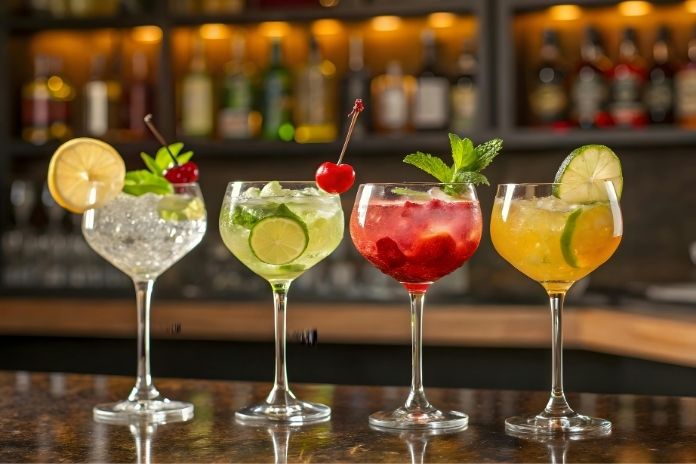
Before looking at what changes during a 30-day alcohol break, it helps to understand how alcohol affects the body in the first place. Even moderate drinking influences the nervous system, sleep, and metabolism, which explains why removing it can lead to noticeable shifts in energy, mood, and overall well-being.
Alcohol Is a Central Nervous System Depressant
Alcohol acts as a central nervous system depressant. When you drink, brain activity slows, which can create temporary relaxation or euphoria. As the alcohol wears off, however, the nervous system often rebounds toward stimulation.
This rebound can cause anxiety, restlessness, and disrupted sleep, sometimes extending into the next day. That’s why even a single evening drink can affect mood, focus, and energy the following morning.
Alcohol Gets Metabolic Priority
Alcohol also takes metabolic priority. Because the liver treats it as a toxin, it focuses on breaking alcohol down before handling other tasks. During this time, fat burning pauses, blood sugar regulation becomes less stable, and nutrient processing is delayed. Over time, even regular moderate drinking can interfere with sleep quality, inflammatory balance, and metabolic health.
Other Key Effects of Alcohol
- Sleep Architecture: Alcohol may make it easier to fall asleep, but it reduces deep and REM sleep, leaving you less rested.
- Hydration and Electrolytes: Alcohol is a mild diuretic, which can contribute to dehydration, headaches, and fatigue.
- Inflammatory Response: Alcohol can trigger low-grade inflammation, affecting joints, digestion, and metabolic health.
- Cognitive Function: Decision-making, reaction time, and memory can be impaired during and after drinking.
As Harvard Health Publishing explains, alcohol slows coordination and reaction time, and while it may cause drowsiness initially, it disrupts sleep as its effects wear off, making it a common contributor to insomnia.
Understanding these baseline effects helps clarify why taking a break from alcohol can produce noticeable changes across multiple areas of health.
Week 1: What Usually Changes First
The first week without alcohol is largely an adjustment phase. Sleep, habits, and daily rhythms begin to shift, and some changes can feel uncomfortable at first.
Sleep often feels unsettled initially. Because alcohol suppresses REM sleep, stopping it can lead to REM rebound, which may cause vivid dreams or brief night awakenings. Sleep quality may seem worse before it improves, as the body takes several days to rebalance sleep cycles.
Cravings during this stage are often driven more by habit than chemistry. Many people associate the end of the workday with a drink as a signal to relax. Replacing alcohol with a mocktail or non-alcoholic alternative can help preserve the ritual while breaking the chemical dependency.
Other early changes may include slightly clearer mornings, improved hydration, digestive adjustments, and temporary irritability as the nervous system recalibrates. These responses are normal and usually short-lived.
Week 2: Internal Improvements Begin
By the second week, internal improvements often become more noticeable.
Sleep tends to stabilize, with fewer awakenings and better continuity. Mornings may feel more refreshing, and daytime energy often improves as sleep becomes more restorative. Short-term alcohol abstinence has been shown to improve sleep efficiency and next-day alertness.
Digestive health may also improve. Alcohol irritates the gastrointestinal tract and increases gut permeability. Around this time, many people notice less bloating, reduced reflux, and more regular digestion, especially if they were frequent drinkers.
As sleep specialist Dr. Nancy Foldvary-Schaefer explains, alcohol repeatedly interrupts normal sleep cycles and reduces REM sleep, which is essential for mood, memory, and energy. Even if it helps you fall asleep faster, it compromises the quality of rest.
Week 3: Noticeable Physical and Mental Shifts
By week three, changes often become more visible and easier to feel.
Reduced inflammation and fluid retention may lead to less facial puffiness, decreased bloating, and looser-fitting rings or shoes. These changes reflect lower water retention and inflammation rather than fat loss.
Mentally, many people report improved focus and steadier mood. Next-day anxiety, sometimes called “hangxiety,” often diminishes, and baseline anxiety levels may decrease as the nervous system spends less time in rebound stress mode.
Week 4: Metabolic and Cardiovascular Effects
By the fourth week, deeper metabolic and cardiovascular shifts may begin to emerge.
Replacing alcoholic drinks with non-alcoholic alternatives can reduce overall calorie intake, since alcohol contains seven calories per gram and mixed drinks often include added sugar. Weight changes vary depending on diet, appetite, and activity, but some people notice gradual shifts.
Blood sugar regulation may become more stable, leading to fewer energy crashes between meals. Blood pressure may also decrease slightly, particularly in regular drinkers.
The liver responds quickly to reduced alcohol intake. Liver enzymes can begin improving within weeks, even in people without diagnosed liver disease, reflecting the organ’s ability to recover when alcohol exposure is reduced.
As Dr. Takahiro Suzuki, lead author of a large study on alcohol and blood pressure, notes, recent evidence suggests that no amount of alcohol is optimal for heart health. Even stopping low-level drinking may offer measurable cardiovascular benefits.
Read More: How Smoking and Alcohol Consumption Increase Diabetes Risk
Why Mocktails Make the Transition Easier
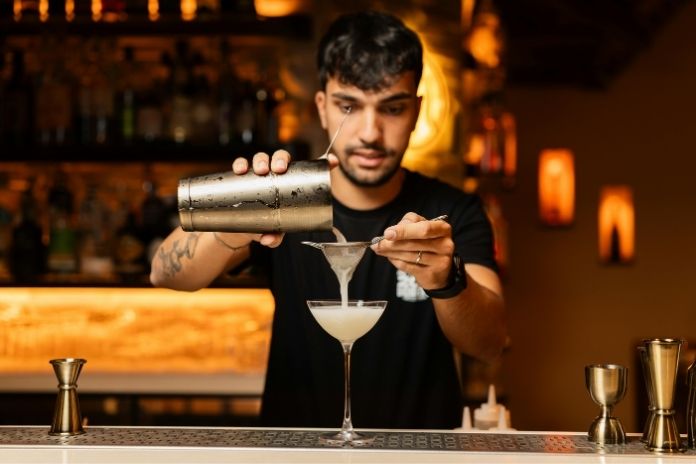
When people stop drinking, what they miss first usually is not the alcohol itself. It is the ritual around it. The glass in your hand at the end of the day. The signal that work is over. The feeling that you are allowed to relax.
Mocktails keep that ritual alive. You still pour a drink. You still take that first sip. Your brain still gets the cue that it is time to unwind. The only thing that changes is the substance. That makes the transition feel less like loss and more like a shift.
Ritual and Routine
Habits are built on patterns. When evening hits, or when friends gather, your brain expects a drink. Removing that pattern all at once creates friction and a sense of deprivation.
Mocktails slide into that same space. You keep the timing, the glass, and the small ceremony of making something special. This tells your nervous system that everything is okay, even though alcohol is no longer part of the equation.
Sensory Satisfaction
Cocktails are not just about alcohol. They are about bitterness, citrus, herbs, bubbles, and aroma. Those layers are what make a drink feel grown and indulgent.
Mocktails use the same sensory language. Sour and bitter flavors wake up the tongue. Carbonation adds bite. Fresh herbs and spices engage smell. Your brain still gets a rich, multi-sensory experience, which reduces the feeling that something is missing.
Social Comfort and Belonging
One of the hardest parts of quitting is social. When everyone else is holding a drink, being empty-handed makes you feel exposed.
A mocktail solves that quietly. You still have a glass. You can join the toast. You look and feel part of the group. That lowers the pressure to explain yourself and makes it easier to stay committed without turning it into a big moment.
Why This Works Psychologically
Your brain is wired to respond to cues. The sight of a drink, the clink of ice, and the time of day all trigger the expectation of alcohol. Keeping these cues while changing the substance makes behavior shifts more stable.
Instead of breaking a habit, you are rewiring it. The brain learns that the same situation no longer requires alcohol to feel complete.
Emotional Support During a 30-Day Break
Mocktails also serve as emotional anchors. They give you something to look forward to and a small sense of reward. That matters when you are asking your brain to let go of a familiar coping tool.
The drink becomes a signal to pause and breathe, not to numb. Over time, that builds a healthier relationship with relaxation itself.
The Challenges People Don’t Expect
Even with mocktails, quitting alcohol brings up things people rarely talk about. Social moments can feel awkward when others comment on your choice. Those reactions usually reflect how normalized drinking is, not any flaw in your decision.
Emotions can also come through more clearly. Stress, boredom, or restlessness may feel sharper without alcohol dulling them. This can be uncomfortable, but it also reveals what you were using alcohol to manage.
Some people notice subtle identity shifts, too. You might question where you fit or whether you are missing out. These thoughts are part of adjusting to a new, more intentional way of being in social and personal spaces.
Cravings still appear, but they are often driven by routine, not real need. Dinner, weekends, or gatherings trigger the old pattern. Having a mocktail in those moments keeps the loop intact without reinforcing alcohol.
What This Really Builds
These challenges are not setbacks. They are practicing. You are learning how to relax, connect, and cope without outsourcing those feelings to a substance.
By the end of a 30-day break, the biggest change is not in your glass. It is in how much more comfortable you feel inside your own choices.
Who Tends to Benefit the Most
A 30-day break from alcohol affects everyone differently, but some people notice changes almost right away.
Sleep and Energy
If your sleep has been light, broken, or unrefreshing, alcohol is often part of the problem. Even small amounts interfere with deep sleep and cause nighttime wake-ups. When alcohol is removed, many people fall asleep more easily, wake up less during the night, and feel more alert in the morning. That alone can change how your entire day feels.
Digestive Health
Alcohol irritates the stomach lining, increases acid production, and disrupts gut bacteria. People who deal with bloating, reflux, headaches, or nausea often feel relief once alcohol is out of the picture. Digestion becomes calmer, and the body spends less time reacting to irritation.
Mental and Emotional Clarity
Anxiety, mood swings, and the familiar feeling of hangxiety are closely tied to alcohol’s effect on brain chemistry. During a break, emotions usually become steadier. You start noticing what you actually feel instead of what alcohol was covering up, which makes patterns and triggers easier to recognize.
Alcohol Awareness
If you have ever wondered how much alcohol really affects you, a 30-day pause gives you honest data. Cravings, habits, and emotional associations become visible. The people who drank more often or in larger amounts usually notice the biggest contrast.
When a 30-Day Break Needs Extra Care
For many people, stopping alcohol is safe. For some, it is not something to do without support.
If alcohol has been a daily or heavy part of life, stopping suddenly can lead to withdrawal. Shaking, sweating, nausea, rapid heartbeat, intense anxiety, or vomiting are warning signs that the nervous system is under stress. This is not something to push through alone.
Health authorities like the CDC advise medical supervision for anyone at risk of withdrawal. A doctor can help you taper safely or provide support if symptoms appear. Safety always comes first.
If you have liver disease, heart issues, or other chronic illnesses, changes in alcohol intake can affect how your body responds. Even moderate drinkers should check in with a healthcare professional when there is an underlying condition involved.
What Usually Happens After the 30 Days
The end of a 30-day break is not about making a forever decision. It is about knowing yourself better.
Most people do not go back to drinking the way they did before. They drink less often, in smaller amounts, or only when they truly want it. Alcohol stops being automatic and starts becoming a choice.
Mocktails often stay in the picture. They let you enjoy the social and sensory side of drinking without needing alcohol. For many people, they become a long-term moderation tool rather than just a temporary substitute.
By the end of the month, you know how alcohol affects your sleep, digestion, mood, and energy. That awareness gives you power. You are no longer guessing. You are making decisions based on how your body and mind actually respond.
Mocktails vs Cocktails: Practical Comparison
Choosing between mocktails and cocktails isn’t just about alcohol content; it affects sleep, energy, inflammation, and overall well-being. While cocktails can be enjoyable socially, mocktails offer a way to maintain the ritual of drinking without the drawbacks alcohol can bring. Here’s a practical side-by-side look at the differences:
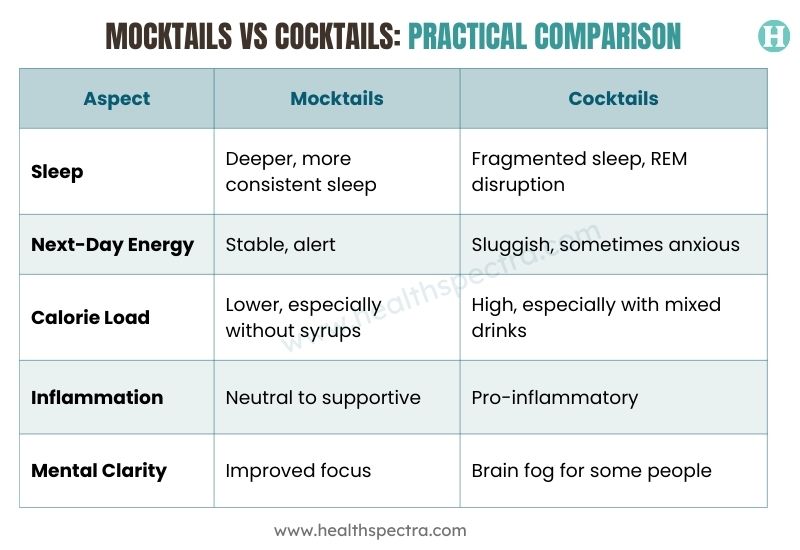 Mocktails provide a satisfying alternative that preserves social rituals, flavors, and sensory enjoyment while supporting sleep, energy, and focus. While cocktails have their place, swapping some drinks for anti-inflammatory mocktails can help reduce unnecessary calories, inflammation, and next-day sluggishness, making your drinking experience both enjoyable and body-friendly.
Final Takeaway
Swapping cocktails for mocktails for a month isn’t about perfection, extreme restriction, or chasing a “detox” effect. It’s about curiosity, self-observation, and seeing how your body and mind respond when alcohol is removed from your routine. For many people, even a short-term break brings noticeable improvements. Sleep often becomes deeper and more restorative, with fewer interruptions and a better sense of morning alertness.
Energy stabilizes throughout the day instead of spiking and crashing, digestion may feel lighter, and mental clarity often improves, helping you focus and process emotions more easily. The magnitude of these benefits depends on how much and how often you were drinking before the experiment, so they are highly individualized. Mocktails make this transition realistic and sustainable.
They preserve the ritual of drinking, a pause after work, a social toast, or the sensory pleasure of flavors, without the downsides of alcohol. The drinks themselves can be enjoyable, flavorful, and even supportive of your health when built with whole ingredients and low sugar. Perhaps the most profound shift isn’t physical at all.
It’s the awareness that comes from paying attention: noticing how alcohol truly affects your body, recognizing patterns in your energy and mood, and discovering that social connection and enjoyment don’t require alcohol. This insight often leads to more intentional choices around drinking in the future, creating a long-term, balanced approach rather than an all-or-nothing mindset.
References
- Better Health. (n.d.). How alcohol affects your body. Victorian Government.
- Cleveland Clinic. (n.d.). Why you should limit alcohol before bed for better sleep.
- Fluent in Health. (n.d.). Hammered and harmed: This is how alcohol affects your body.
- Harvard Health Publishing. (n.d.). Alcohol’s effects on the body.
- Mayo Clinic. (n.d.). Alcohol use disorder: Symptoms and causes.
- National Institute on Alcohol Abuse and Alcoholism. (n.d.). Alcohol’s effects on the body.
- National Institute of Health. (n.d.). Short-term effects of alcohol consumption. Wikipedia.
- NIDirect. (n.d.). What happens when you drink alcohol.
- Rochester Regional Health. (n.d.). How alcohol affects the body.
- World Health Organization. (2022). Alcohol.
- American College of Cardiology. (2025, October 22). Small changes in alcohol intake linked to blood pressure shifts.
- Australian Government Department of Health. (n.d.). What are the effects of alcohol?
- PubMed. (2018). Effects of alcohol on cardiovascular and metabolic health.
- WebMD. (n.d.). How alcohol affects your body.
In this Article