













Let’s be honest – we all love a good fit. Skinny jeans that hug right, shapewear that smooths every curve, tight shirts that make us look gym-ready. Feels confident, looks sharp. But after a few hours, that feeling of ugh, I can’t breathe properly, or why is my stomach burning? starts showing up quietly.
Wearing tight clothes every day is not just a fashion choice – it’s also a full-time body experiment. Your skin, nerves, muscles, and even digestive system – all quietly adjusting themselves to survive your outfit of the day. You might not notice much at first, but your body surely does.
Let’s talk real – what happens to your body when you wear tight clothes every day? Not the usual textbook talk, but how it actually feels and affects you over time.
1. It Can Restrict Blood Circulation
You know that feeling when you sit cross-legged in tight jeans and your leg goes numb? This is your blood struggling to do its job.
Tight jeans, leggings, and even waistbands press on small blood vessels and nerves. It’s like putting slow traffic on your blood highways. Less circulation means your legs can feel tingling, burning, or even mild swelling.
There’s even a name for this – meralgia paresthetica – basically, nerve compression in the thigh area. Many people think it’s some vitamin issue or back problem, but sometimes it’s just those “super skinny” jeans doing their silent job.
If you already have varicose veins or poor blood flow, tight shapewear makes it worse. You may not faint, but your body slowly loses its comfort zone.
Read More: Hidden Signs of Poor Blood Circulation You Shouldn’t Ignore
2. It May Interfere With Digestion and Cause Bloating
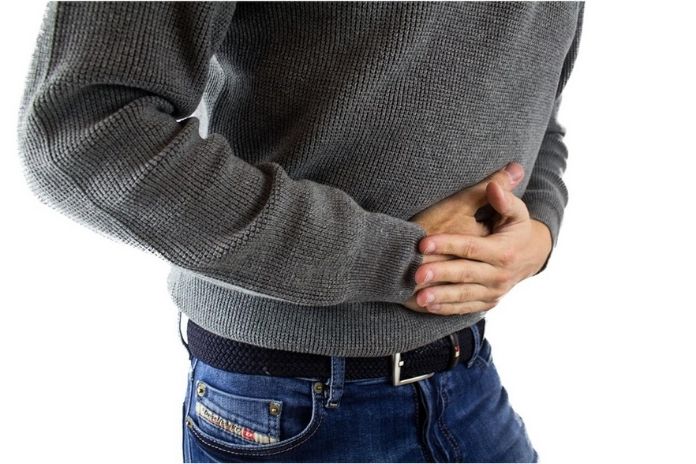
If you’ve ever had a meal and then tightened your belt like you’re going to a war, you know what comes next.
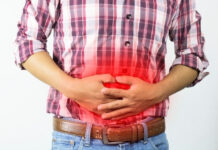
That burning, bloated feeling? It’s not just the food. Tight waistbands push your stomach in, forcing acid upwards. That’s how acid reflux or heartburn starts visiting.
Digestion is a gentle process – your stomach expands, contracts, and churns food. When it’s squeezed all day, digestion slows down. You’ll feel bloated, burpy, maybe even tired for no reason.
Dr. Octavio Bessa Jr., a physician from Stamford, Connecticut, noticed something interesting among several of his male patients who kept coming in with stomach issues like bloating and heartburn. Despite being otherwise healthy, they all had one thing in common: their trousers were too tight, often at least two inches smaller than their actual waist size. When he suggested they try looser pants or even switch to suspenders (a tough fashion ask for some!), their symptoms cleared up.
And it’s not just men. Earlier this year, Dr. William Dickey from Altnagelvin Hospital in Londonderry reported similar findings in women. He even coined the term “designer dyspepsia” – a nod to the growing number of people experiencing digestive issues thanks to tight, figure-hugging clothes and hold-in underwear. His theory? Restrictive garments may trap gas bubbles that naturally build up during digestion, stopping your body from releasing them. That trapped pressure leads to bloating, discomfort, and yes, another button undone after dinner.
Many people blame spicy food for indigestion, but sometimes it’s the tight jeans. The stomach needs space more than style.
Read More: Bloating vs. Belly Fat: How to Tell the Difference in Minutes
3. It Can Cause Nerve Compression and Pain
That sharp, needle-like tingling in your thigh after long sitting? Classic tight pants syndrome. Yes, that’s actually a thing – doctors even use that name.
Tight pants or shapewear can press on nerves near your groin and upper thigh. It starts with tingling or burning, but with daily wear, it can cause long-term numbness. Some even get mild sciatic-like pain, which feels like pins running down the leg.
A study noted that long-term nerve compression can result in temporary or even permanent sensory changes.
So if your thigh goes numb halfway through dinner, it’s not your phone in your pocket. It’s your pants protesting.
And the funny part – people run to physiotherapists for back stretches when sometimes the solution is just: loosen your pants.
Read More: Trigger Finger vs. Carpal Tunnel: How to Tell the Difference
4. It Can Trigger Skin Irritation and Infections
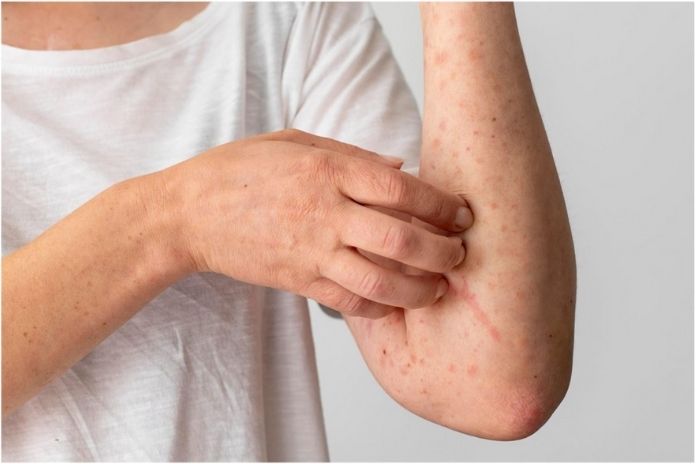
Skin also breathes – even though we don’t think about it. When it’s trapped under tight synthetic clothes all day, sweat and friction become best friends with bacteria.
Result? Skin irritation from tight clothes. Redness, itching, rashes, folliculitis (those tiny bumps that look like acne), or even fungal infections – especially in warm, moist places like inner thighs or under shapewear.
Tight polyester or nylon leggings trap heat and sweat, disturbing your skin’s natural bacterial balance. Cotton, linen, or moisture-wicking fabrics let your skin calm down. Your skin needs air, so address the primary cause of unpleasant body odour first.
Read More: 10 Everyday Triggers of Atopic Dermatitis (Eczema) Flare-Ups—and How to Avoid Them
5. It Can Affect Posture and Breathing
Ever noticed you can’t take a deep breath in a tight blouse or shapewear? You’re not imagining it.
When your ribcage can’t expand freely, you breathe shallowly from the chest instead of deeply from the diaphragm. It’s like living in 60% oxygen mode – makes you tired faster, even when you’re not doing much.
Corset-like shapewear or compression tops may “improve” your shape for a selfie, but inside, your diaphragm is struggling. Over time, this shallow breathing can affect oxygen flow and posture. Your back and core muscles become lazy because the clothing is doing their job.
So, shapewear side effects are real! You look “held together,” but your muscles forget how to hold you naturally.
Read More: Avoid These 5 Common Posture Mistakes at Your Desk Job
6. It Might Impact Reproductive and Urinary Health
This is where things get awkward but true. Reproductive organs also carry health risks from tight clothing! Tight underwear, pants, or shapewear trap heat and moisture. And both men and women pay the price differently.
For women, it can lead to yeast infections or urinary tract infections (UTIs). For men, it can reduce sperm quality because testicles need a cooler temperature, not sauna conditions.
Dr. Robert Huddart, a medical oncologist, also reports that people have been wearing tight clothes for the past two decades, and their sperm count is also falling. This is also increasing the incidence of testicular cancer.
You don’t need expensive “antimicrobial” underwear. Just breathable, non-synthetic fabric and a little space does the job. Comfort is not the opposite of confidence.
7. It May Affect Lymphatic Flow
You know how your body swells after sitting long hours in tight clothes? That’s not just fat or water weight – it’s lymph fluid stuck.
The lymph system is like your body’s drainage – it removes waste and toxins. When you compress it daily, it slows down. That means puffiness, swelling in the feet, or feeling heavy even when you’ve done nothing.
Loose clothes help lymph move naturally. It’s not about looking “flowy” – it’s about helping your body do its clean-up work.
Read More: The Lymphatic System Detox – Simple Daily Habits for Better Circulation
How to Wear Fitted Clothes Without Harming Your Health
You don’t need to throw away all your jeans and shapewear. The idea is not to live in loose pants forever. It’s about balance – a few easy habits that keep your body happy and your style intact.
1. Choose stretchable fabrics.
Modern stretch denim or spandex-blend cotton allows flexibility. You can move, bend, eat, and still breathe.
2. Take breaks.
If you’re wearing shapewear or tight jeans, loosen them every few hours. Let the blood move. Nobody’s checking your waistband in the office.
3. Rotate outfits.
Don’t wear compression clothes daily. Give your body rest days with relaxed fits – joggers, wide pants, or any loose tops.
4. Listen to your body.
If you feel tingling, burning, or skin marks after removing clothes, that’s your sign. It’s not “normal” – that’s your body talking.
5. Wash and dry properly.
Sweat plus tight clothes equals bacteria. Always dry clothes fully before wearing them again. Never wear damp jeans or leggings – that’s like inviting fungus to a spa day.
Read More: How Your Wearables Can Catch Health Problems Before They Start
Key Takeaway
Wearing tight clothes every day may seem harmless, but your body quietly pays for it – through poor circulation, slow digestion, nerve pain, and skin irritation.
The truth is: your body doesn’t need to be “tucked in” all the time. The healthiest outfit is one that lets you move, breathe, eat, laugh, and live freely.
Tight is fine for moments. Comfort is strength for life.
Final Thought
We all love to look good. But beauty should not come with numb legs, a burning stomach, or fungal rashes. Fashion is fun when your body feels free.
So next time, before buying another “super-slim fit” outfit, just remember – there are some effects of tight clothing on health, and your blood, skin, and stomach also have opinions. Give them some space.
FAQs About Tight Clothing and Health
Q1. Is it bad to wear shapewear every day?
Yes, tight clothes and circulation are closely related. In fact, daily wear can also affect breathing and digestion. Once in a while is fine, but not as a second skin.
Q2. Does wearing tight clothing affect the growth of male genitals?
No, it doesn’t affect growth — but yes, it can affect temperature and sperm health if worn too often.
Q3. Why do tight clothes make me feel bloated?
Because they put pressure on your stomach, slowing digestion and pushing acid upward! Yes! That’s acid reflux from tight pants. It’s not food – it’s the squeeze.
Q4. How can I tell if my clothes are too tight?
If you have marks on your skin after removing clothes, feel tingling, or struggle to take deep breaths, they’re too tight.
Q5. Are compression leggings safe for daily wear?
They’re okay for workouts or short periods, but not all-day wear. Continuous pressure can affect circulation and skin health.
References
- https://pmc.ncbi.nlm.nih.gov/articles/PMC4593137/
- https://pmc.ncbi.nlm.nih.gov/articles/PMC7383414/
- https://www.mayoclinic.org/diseases-conditions/meralgia-paresthetica/symptoms-causes/syc-20355635
- https://health.clevelandclinic.org/a-doctors-advice-on-wearing-shapewear
- https://pubmed.ncbi.nlm.nih.gov/28267445/
- https://journals.sagepub.com/doi/10.1177/0268355520909066
- https://bmcbiomedeng.biomedcentral.com/articles/10.1186/s42490-020-00041-5
- https://www.mdpi.com/2673-8392/5/2/84
- https://www.hhs.nd.gov/sites/www/files/documents/DOH%20Legacy/FungalInfections.pdf
- https://pubmed.ncbi.nlm.nih.gov/1932263/
- https://pmc.ncbi.nlm.nih.gov/articles/PMC4755982/
- https://pmc.ncbi.nlm.nih.gov/articles/PMC6530653/
- https://pmc.ncbi.nlm.nih.gov/articles/PMC4593137/
- https://pmc.ncbi.nlm.nih.gov/articles/PMC3652571/
In this Article