













Lifestyle decisions significantly influence the risk of breast cancer. A healthy weight, physical activity, and moderation in alcohol use are essential variables that can lower the risk of breast cancer.
Furthermore, risk can be decreased by abstaining from smoking and choosing a healthy diet high in fruits, vegetables, and whole grains. Although genetics play a role in some cases, environmental factors and personal habits contribute to many incidences of breast cancer, making lifestyle changes crucial for prevention.
Equally crucial is awareness since treatment outcomes are much improved by early discovery. The American Cancer Society reports that the 5-year survival rate for early-stage breast cancer is 99%. Unfortunately, a lack of knowledge and awareness causes many cases to remain undiagnosed until later stages.
Encouraging self-examinations, routine tests, and education about breast health can enable people to take preventative measures, increasing the likelihood of early discovery and effective treatment. Education and awareness campaigns are effective weapons in the fight against breast cancer.
Read More: Empowerment and Education: Understanding Breast Cancer
Healthy Lifestyle Choices

Healthy lifestyle choices are associated with a lower risk of several cancers and health disorders, including breast cancer.
Two essential things that can tilt the scales in your favor are diet and exercise. Studies reveal that maintaining an active lifestyle and consuming nutrient-dense meals can help reduce your risk of breast cancer by improving your immune system, controlling inflammation, and controlling your weight.
Regarding your diet, picture your plate as a vibrant canvas. Fill it to the brim with a range of fruits, veggies, and whole grains to provide your body with vital vitamins and antioxidants. Include heart-healthy fats with anti-inflammatory properties, such as almonds, avocados, and olive oil. Restrict your intake of processed meals and sugary snacks because they can lead to unhealthy weight gain, which is a proven risk factor for breast cancer.
You don’t need to run marathons to see the impact of exercising. Aim for 150 minutes a week of moderate exercise, such as swimming, cycling, or brisk walking. Even splitting it into five days a week, 30-minute sessions will help you stay active and reduce your risk.
By making deliberate dietary choices and maintaining an active lifestyle, you’re improving your general health and gradually lowering your chance of breast cancer.
Read More: Experiences of Breast Cancer Survivors and Personal Journeys
Importance of Regular Screenings
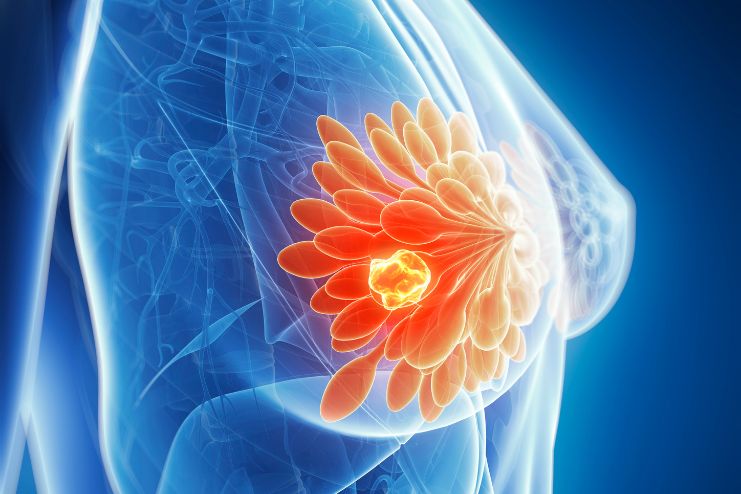
Early detection and screening for breast cancer are critical to your health. When breast cancer is detected early, when the survival rates are highest, screening tests can be beneficial. The outcome improves with early detection, and mammograms are essential in this procedure.
Women aged 25 to 39 should have a clinical breast examination every 1 to 3 years, while women 40 and older should do it annually. Once you reach the age of 55, you can choose to continue annually or every two years. But, those more vulnerable (because of a family history, for example) might need to start sooner. Consult your physician to customize your screening schedule.
Self-evaluations are equally crucial. Understanding how your breasts should feel typically will make it easier to notice any changes, including lumps, swelling, or skin dimpling. Combining professional tests with self-awareness increases your chances of identifying something strange early.
Checklist for Breast Health:
- Aim for yearly mammograms for those over 45
- Perform monthly self-assessments
- Keep track of any alterations (lumps, discomfort, swelling)
- Speak with a healthcare professional about customized screening programs
By following this practice, you’re proactively managing your breast health and putting yourself in a position to notice problems early and feel at ease.
Read More: Early Detection Saves Lives: Why Breast Self-Exams and Mammograms Matter
Genetic Testing and Family History
Sometimes, breast cancer runs in the family. It’s not always random. Certain types of breast cancer may have a hereditary component. Mutations in the BRCA1 and BRCA2 genes markedly increase the risk of breast cancer. Even though these mutations are uncommon, people who inherit them have a 70% lifetime risk of getting breast cancer. Hereditary Breast and Ovarian Cancer Syndrome (HBOC syndrome) is the term used to describe women (and men) who have one of these gene alterations.
Genetic counselors advise testing for gene alterations linked to breast cancer for those interested. Your genes are analyzed to determine whether you have any mutations that may increase your risk of breast cancer. A genetic counselor can walk you through your options, including more frequent screenings, preventive medicine, or even risk-reducing surgeries like a mastectomy, and help you understand your results and what they imply for you.
Being aware of your genetic makeup gives you the power to choose wisely. Don’t wait if breast cancer runs in your family; get genetic counseling to create a proactive plan that is specific to your genetic makeup.
Read More: Male Breast Cancer: Understanding Risk Factors, Symptoms, and Unique Challenges
Engaging With the Community
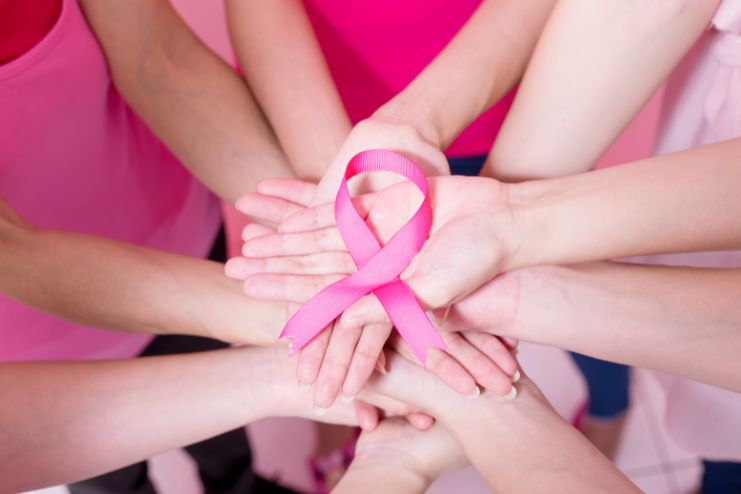
Imagine the impact we could have if we worked together to raise awareness and encourage people to lead healthier lifestyles. Not only are you safeguarding your health by participating in awareness campaigns and taking preventative actions, but you are also empowering others to do the same.
To increase your level of involvement, participate in local health seminars on breast health education, self-exams, and lifestyle modifications. Another option is to participate in a real-life or virtual run in honor of Breast Cancer Awareness Month.
These events create a ripple effect of awareness, encouraging participants to communicate critical information in their communities. These events are not just about raising dollars; they are about creating awareness. Because many organizations provide virtual choices, joining from anywhere in the world is possible.
Consideration participating in some of the following initiatives:
- Take Part in a Virtual Run to Raise Awareness About Breast Cancer
- Participate in a free health workshop online or in a community center in your area.
- You and your friends could start a Breast Health Challenge in which each individual commits to performing frequent screenings and self-exams.
Through your participation in these efforts, you are contributing to a broader movement—one that has the potential to save lives. Now is the time to put on your running shoes, spread the word, and join forces in the fight against breast cancer!
Read More: 5 Exercises For Cancer Patients For Better Recovery
References
- https://www.mayoclinic.org/healthy-lifestyle/womens-health/in-depth/breast-cancer-prevention/art-20044676
- https://www.cancer.org/cancer/types/breast-cancer/risk-and-prevention.html
- https://www.cancer.gov/types/breast/patient/breast-prevention-pdq
- https://www.cdc.gov/cancer/features/breast-cancer.html
- https://www.cancer.org/content/dam/cancer-org/research/cancer-facts-and-statistics/breast-cancer-facts-and-figures/2024/breast-cancer-facts-and-figures-2024.pdf
- https://www.cancer.org/cancer/types/breast-cancer/understanding-a-breast-cancer-diagnosis/breast-cancer-survival-rates.html
- https://www.mayoclinic.org/healthy-lifestyle/womens-health/in-depth/breast-cancer-prevention/art-20044676
- https://www.komen.org/breast-cancer/risk-factor/lifestyle
- https://www.ucsfhealth.org/education/basic-facts-about-breast-health-lifestyle-changes-for-breast-cancer-prevention
- https://www.cancer.org/cancer/types/breast-cancer/risk-and-prevention/lifestyle-related-breast-cancer-risk-factors.html
- https://www.ncbi.nlm.nih.gov/pmc/articles/PMC4324293
- https://www.komen.org/breast-cancer/risk-factor/lifestyle/diet
- https://www.cancer.org/cancer/types/breast-cancer/screening-tests-and-early-detection/american-cancer-society-recommendations-for-the-early-detection-of-breast-cancer.html
- https://www.komen.org/breast-cancer/screening
- https://www.cdc.gov/breast-cancer/screening/index.html
- https://www.ncbi.nlm.nih.gov/books/NBK556050
- https://www.breastcancer.org/genetic-testing
- https://www.cancer.org/cancer/types/breast-cancer/risk-and-prevention/genetic-testing.html
- https://www.nationalbreastcancer.org/genetic-testing-for-breast-cancer
- https://www.hopkinsmedicine.org/health/conditions-and-diseases/breast-cancer/hereditary-breast-cancer
- https://www.komen.org/breast-cancer/risk-factor/gene-mutations-genetic-testing
- https://breastcancernow.org/healthcare-professionals-hub/webinars-and-events
In this Article