













Picture this. You clean up your diet, add more vegetables, and expect to feel better. Instead, your joints feel stiff, your stomach feels off, or your skin flares up. Naturally, you start wondering if vegetables are the problem. Here’s the thing: vegetables are overwhelmingly anti-inflammatory.
They’re packed with fiber, antioxidants, and phytonutrients that actively reduce chronic inflammation and protect against disease. But for a small group of people, certain vegetables can trigger uncomfortable reactions that feel like inflammation. That doesn’t mean vegetables are “bad.” It means bodies are different.
This article breaks down vegetables that may cause inflammation in some people, why those reactions happen, and what to eat instead so you’re not cutting out nutrient-dense foods unnecessarily.
We’ll separate internet myths from actual science, explain who’s most likely to react, and show you how to identify personal triggers without fear-based dieting.
Understanding Inflammation: What It Actually Means

Before blaming food or cutting things out, it helps to understand what inflammation really is. The term gets used so loosely that it’s often misunderstood.
Inflammation isn’t automatically harmful. It’s a normal biological response. The problem isn’t inflammation itself; it’s when it doesn’t shut off.
Acute vs. Chronic Inflammation
Inflammation shows up in two very different ways.
Acute inflammation
- Short-term and protective.
- Happens after an injury, infection, or illness.
- Redness, swelling, warmth, and pain are common signs.
- The immune system activates, fixes the problem, and then steps back.
This is your body doing exactly what it’s supposed to do.
Chronic inflammation
- Long-term and low-grade.
- Often has no obvious symptoms at first.
- Linked to heart disease, type 2 diabetes, autoimmune conditions, arthritis, and some gut disorders.
- Builds slowly and quietly over time.
Here’s the key distinction: diet mainly influences chronic inflammation, not normal, short-term immune responses.
Eating a food doesn’t trigger inflammation the same way an infection or injury does.
What Actually Drives Chronic Inflammation
According to Harvard Health Publishing, chronic inflammation isn’t driven by any one food or habit alone. Instead, it’s linked to a combination of factors such as poor diet, sedentary behavior, stress, smoking, excessive alcohol, and weight gain, all of which can contribute to persistent immune activation.
Common contributors include:
- Overall diet quality, not individual foods.
- Gut health and microbial balance.
- Blood sugar and metabolic health.
- Chronic psychological stress.
- Poor sleep or irregular sleep patterns.
- Sedentary lifestyle.
- Genetic predisposition.
Inflammation is cumulative. The more systems under pressure, the higher the inflammatory load.
Why “Inflammatory Food” Lists Are Misleading
This is where many people go wrong.
Most food lists remove context and create unnecessary fear. They imply that eating a specific food automatically inflames the body, which isn’t how physiology works.
What actually matters:
- Portion size.
- Frequency of intake.
- The overall dietary pattern.
- Individual tolerance and health status.
No single food causes chronic inflammation in isolation.
What this really means is that managing inflammation isn’t about perfection or restriction. It’s about long-term patterns that support metabolic health, gut function, and recovery.
When you understand inflammation this way, the question shifts from “Is this food inflammatory?” to “How does my overall lifestyle affect my body over time?”
That shift makes nutrition clearer, calmer, and far more effective.
Can Vegetables Really Be Inflammatory?
For most people, vegetables actively reduce inflammation. Large population studies show that greater vegetable intake is associated with lower levels of inflammatory markers such as CRP and interleukin-6, reflecting reduced systemic inflammation in those consuming more vegetables.
However, certain vegetables can cause problems for specific individuals due to:
- Food intolerances.
- Autoimmune conditions.
- Gut disorders like IBS or SIBO.
- Allergies or histamine sensitivity.
These reactions are individual, not universal.
So let’s talk about the vegetables most commonly reported as triggers, and why.
Read More: Is Inflammation the Root of All Chronic Diseases? What You Should Know
Vegetables That May Trigger Inflammation in Some People
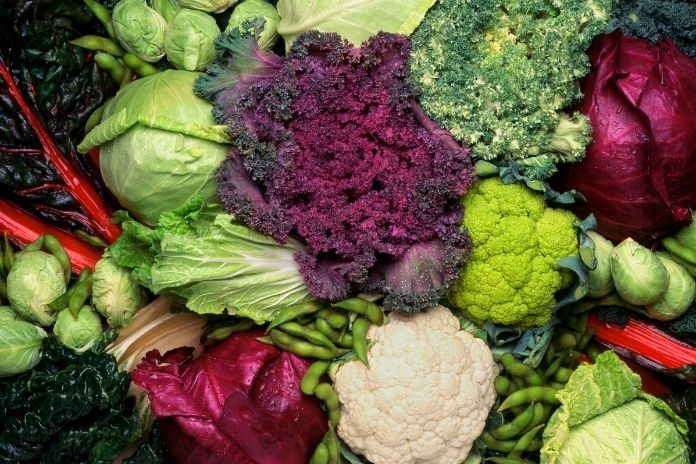
Vegetables are usually the first foods people are told to eat more of, especially when inflammation is the concern. And for most people, that advice holds up. Vegetables are packed with fiber, antioxidants, and plant compounds that actively reduce inflammatory processes.
Here’s the thing, though. Some vegetables can cause discomfort or symptom flare-ups in certain individuals. That doesn’t automatically make them inflammatory foods. More often, it’s about digestion, immune sensitivity, blood sugar response, or existing gut conditions.
The key distinction matters. A food can trigger symptoms without driving chronic inflammation.
What follows isn’t a list of vegetables to avoid. It’s a context-based breakdown of why specific vegetables may cause issues for some people, while remaining anti-inflammatory and health-supportive for most others.
Nightshade Vegetables and Inflammation
Examples: Tomatoes, white potatoes, eggplants, bell peppers, chili peppers
Nightshades contain natural compounds called alkaloids, including solanine and capsaicin. These compounds help protect plants from pests, but in humans, they can interact differently depending on immune and gut health.
Some people, especially those with autoimmune conditions like rheumatoid arthritis or inflammatory bowel disease, report symptom flare-ups after eating nightshades. Joint pain, stiffness, or digestive changes are the most commonly reported issues.
What the science says
- Research findings are mixed and not definitive.
- Animal studies suggest very high doses of solanine may increase gut permeability.
- Human studies do not show consistent inflammatory effects in the general population.
- Many nightshades are rich in anti-inflammatory compounds such as lycopene and vitamin C.
A 2024 randomized controlled trial protocol highlights that, despite patient reports, there are no completed large human studies proving that nightshade elimination actually reduces inflammation or arthritis markers. This underscores how the scientific community lacks strong evidence that nightshades worsen arthritis; the research is just beginning and hasn’t yet confirmed an inflammatory effect in humans.
Signs nightshades may be an issue for you
- Joint pain or stiffness after meals.
- Digestive discomfort.
- Skin rashes or eczema flare-ups.
If symptoms improve during a short elimination period and return after reintroduction, that points to a personal intolerance, not proof that nightshades are inflammatory foods overall.
Read More: Do You Really Need to Avoid Nightshades for Inflammation?
Cruciferous Vegetables and Digestive Sensitivity
Examples: Broccoli, cauliflower, cabbage, Brussels sprouts, kale
Cruciferous vegetables are nutritional heavyweights. They contain sulforaphane, fiber, and antioxidants shown to reduce inflammation and lower cancer risk.
So why do some people feel worse after eating them?
The real issue: gut fermentation
These vegetables contain raffinose, a carbohydrate that ferments in the gut. In people with IBS, SIBO, or altered gut microbiota, fermentation can lead to:
- Gas
- Bloating
- Abdominal pain
This discomfort is often mistaken for inflammation.
Higher intake of cruciferous vegetables is associated with lower circulating levels of pro‑inflammatory markers such as TNF‑α, IL‑1β, and IL‑6, supporting the idea that these vegetables are anti‑inflammatory in populations studied and that discomfort reactions are more likely due to digestive fermentation rather than immune‑driven inflammation.
In many cases, cooking them thoroughly, eating smaller portions, or spreading intake throughout the day significantly reduces symptoms.
Corn and Inflammatory Pathways
Corn sits in a gray area. While technically a vegetable, it’s higher in starch and has a higher glycemic load than leafy or non-starchy vegetables.
Why corn can be problematic
- Rapid blood sugar spikes can promote inflammatory signaling in people with insulin resistance.
- Corn is a common allergen, though true corn allergy is rare.
- Highly processed corn products are strongly linked to inflammation.
Whole corn eaten occasionally is not inherently inflammatory. The issue is frequency, processing, and metabolic context.
Evidence from epidemiological research shows that diets higher in refined carbohydrates are associated with elevated inflammatory markers like hs‑CRP, whereas higher whole grain and whole plant food intake is linked with lower levels of these markers, highlighting the different effects of processed versus whole plant foods on inflammation.
Mushrooms and Immune Sensitivity
Mushrooms are generally anti-inflammatory and immune-supportive. They contain beta-glucans and antioxidants that help regulate immune function.
However, a small subset of people may react to mushrooms due to:
- True mushroom allergy.
- Mold sensitivity.
- Histamine intolerance.
Possible symptoms include:
- Skin rashes
- Swelling
- Digestive upset
This is an immune or allergic reaction, not a sign that mushrooms promote chronic inflammation.
According to the Mayo Clinic, food allergies trigger the immune system to release histamine and other chemicals that cause symptoms resembling inflammation, but this reaction is driven by immune activation and histamine release rather than by chronic inflammatory processes.
Onions and Garlic in FODMAP Sensitivity
Examples: Onions, garlic, leeks, shallots
These vegetables are rich in fructans, a fermentable carbohydrate.
For people with IBS, fructans can cause:
- Bloating
- Cramping
- Diarrhea
This is not true inflammation. It’s carbohydrate malabsorption.
Research from Monash University’s FODMAP program shows that onions and garlic contain fermentable carbohydrates that can lead to gas, bloating, and gut discomfort in sensitive individuals, but this is a digestive fermentation response rather than systemic inflammation in healthy people.
Legume-Like Vegetables and Autoimmune Reactions
Examples: Green peas, peanuts (legumes often grouped with vegetables)
Some individuals with autoimmune conditions report symptom flare-ups after eating legumes.
Possible explanations include:
- Lectins trigger immune sensitivity.
- Cross-reactivity in certain autoimmune disorders.
According to cardiologist and author Dr. Steven Gundry, who has studied lectins extensively, “Lectins are a type of protein found in many plant foods, including legumes. In sensitive individuals, lectins can bind to the lining of the gut, potentially triggering inflammation and immune reactions. This effect may be more pronounced in people with autoimmune conditions, though for most individuals, legumes are safe and nutritious.”
Evidence here is limited and inconsistent. In the general population, legumes are strongly associated with lower inflammation and better gut health.
Bottom line: Vegetables are not the enemy. When reactions happen, they’re usually about digestion, immune sensitivity, or metabolic context, not inflammation itself. Paying attention to personal response beats blanket avoidance every time.
Why These Vegetables Can Trigger Sensitivity

When vegetables cause discomfort, it’s tempting to label them as inflammatory and move on. But that skips the most important part of the conversation. The reaction usually isn’t about the vegetable itself. It’s about how your body processes it.
Food sensitivity lives at the intersection of gut health, immune function, and individual biology. Once you understand that, these reactions make a lot more sense and feel far less random.
Individual Food Sensitivities
No two microbiomes are the same. The bacteria living in your gut decide how food is broken down, fermented, and absorbed. They also influence how strongly your immune system reacts.
This is why the same vegetable can:
- Improve digestion and reduce inflammation for one person.
- Cause bloating, discomfort, or pain for another.
A vegetable that feeds beneficial bacteria in one gut may over-ferment in another, producing gas and irritation. That doesn’t make the food bad. It means the gut environment determines the response.
Autoimmune Conditions
In autoimmune diseases, the immune system is already on high alert. It’s primed to react, even to otherwise harmless stimuli.
Certain foods can act as symptom triggers by:
- Increasing gut permeability.
- Interacting with immune receptors.
- Amplifying existing inflammation.
This doesn’t mean those foods are harmful in isolation or problematic for everyone. It means the immune system’s threshold for reaction is lower. That’s why personalized nutrition matters so much in autoimmune management. What reduces symptoms for one person may be neutral or even beneficial for someone else.
Allergic Reactions and Histamine Response
True food allergies follow a different pathway altogether.
When an allergenic food is consumed, the immune system releases histamine. This can cause:
- Itching or hives
- Swelling
- Digestive upset
- Flushing or headaches
These symptoms often look like inflammation, but they’re driven by acute immune activation, not chronic inflammatory pathways. Histamine intolerance can create similar reactions without a true allergy, especially when the gut lining is compromised.
Gut Health Factors
Underlying gut conditions significantly raise the likelihood of food sensitivity.
Common contributors include:
- Irritable bowel syndrome (IBS)
- Small intestinal bacterial overgrowth (SIBO)
- Dysbiosis or imbalanced gut bacteria
These conditions make the digestive system more reactive to fiber, fermentable carbohydrates, and certain plant compounds. The result is discomfort, not damage.
According to Dr. Will Bulsiewicz, an American gastroenterologist specializing in the gut microbiome: “If you have food sensitivity, you’ve already demonstrated to me that you have a damaged gut. People who have a healthy gut do not routinely suffer from food sensitivities. The solution is to give your gut what it is starving for, which is fiber.”
The important takeaway is this: improving gut health often reduces or eliminates food reactions. Many people regain tolerance to previously problematic vegetables once digestion and microbial balance improve.
Bottom line: Vegetable sensitivities are rarely about inflammation in the traditional sense. They’re signals of how your gut and immune system are functioning right now. Address the root causes, and restrictions often become temporary, not permanent.
How to Know If a Vegetable Is Causing Inflammation for You

Figuring out whether a vegetable is actually causing inflammation can feel confusing. Symptoms don’t always show up immediately, and discomfort doesn’t automatically mean something is wrong with the food itself.
The goal isn’t to micromanage every bite. It’s to look for consistent patterns that help you understand how your body responds over time.
Keep a Food and Symptom Journal
One of the simplest and most effective tools is also the most overlooked.
Write down:
- What you eat
- Portion sizes
- How foods are prepared
- Any symptoms that follow
Track this for several weeks. Single reactions can be misleading. Patterns are what matter. When the same vegetable repeatedly lines up with the same symptoms, that’s useful information.
Try a Structured Elimination Approach
Elimination doesn’t mean permanent removal. It’s a short-term diagnostic tool.
A sensible approach:
- Remove suspected trigger foods for 2 to 4 weeks.
- Keep the rest of your diet stable.
- Reintroduce one food at a time.
During reintroduction, watch for clear, repeatable reactions. This method is widely used in clinical nutrition because it helps identify triggers without unnecessary long-term restriction.
If a food causes symptoms again after reintroduction, that’s a personal sensitivity, not a universal rule.
Watch for These Symptoms
Not all reactions look the same.
Common signs include:
- Joint stiffness or pain.
- Bloating or abdominal discomfort.
- Fatigue or brain fog.
- Skin flare-ups or rashes.
- Headaches.
Timing matters. Symptoms that appear within hours of eating are more suggestive than vague discomfort the next day, which can be influenced by many factors.
Consider Medical Testing When Needed
If symptoms are persistent, severe, or confusing, testing can help rule out underlying conditions.
This may include:
- Food allergy testing for immune-mediated reactions.
- Celiac disease screening if gluten is a concern.
- Guidance from a registered dietitian or qualified healthcare professional.
Be cautious with commercial food sensitivity tests that claim to identify dozens of trigger foods through blood panels. Many lack scientific validation and can lead to unnecessary restriction.
Bottom line: Determining whether a vegetable is causing inflammation is about observation, structure, and context. When you approach it methodically, you get clarity without fear and answers without cutting out foods you don’t need to avoid.
What to Eat Instead: Anti-Inflammatory Vegetable Choices

If certain vegetables trigger discomfort or digestive issues, the solution isn’t to avoid vegetables altogether. It’s to choose options that are easier on the gut while still delivering anti-inflammatory benefits. These vegetables are generally well tolerated, especially for people dealing with digestive sensitivity, autoimmune conditions, or metabolic stress.
- Leafy greens (spinach, Swiss chard): These are low in fermentable carbohydrates and rich in antioxidants, folate, and magnesium. They support cellular repair and help regulate inflammatory pathways. Lightly cooking them often makes them even easier to digest without reducing their nutritional value.
- Zucchini and summer squash: Soft in texture and high in water content, these vegetables are gentle on the digestive system. They provide fiber without excessive fermentation, making them a reliable option during periods of gut sensitivity.
- Carrots and sweet potatoes: Both offer beta-carotene, which the body converts into vitamin A, a nutrient involved in immune regulation. Their natural sweetness comes with slower-digesting carbohydrates that help stabilize blood sugar, which indirectly reduces inflammatory signaling.
- Beets: Beets contain betalains, compounds known for their antioxidant and anti-inflammatory effects. They also support blood flow and nitric oxide production. Cooking beets tends to improve tolerance for people who experience bloating with raw vegetables.
- Cucumbers and asparagus: Cucumbers are hydrating, low in fiber, and easy to digest, making them ideal during flare-ups. Asparagus provides anti-inflammatory phytonutrients and prebiotic fiber when eaten in moderate portions.
In many cases, cooking vegetables, rotating varieties, and adjusting portion sizes can restore tolerance over time. Sensitivity often reflects the current state of gut health, not a permanent reaction to the food itself.
Read More: Best Anti-Inflammatory Foods To Counter Inflammation
Final Summary
Most vegetables are powerful allies against inflammation. They deliver fiber, antioxidants, and phytonutrients that help calm immune activity and support long-term health.
At the same time, it’s important to recognize that certain vegetables can cause inflammatory-like symptoms in some people, especially those with food sensitivities, autoimmune conditions, allergies, or underlying gut issues. Nightshades, cruciferous vegetables, onions, garlic, corn, and legumes are the most commonly reported triggers, but reactions are highly individual.
What causes discomfort for one person may be completely beneficial for another. This is why the goal isn’t blanket avoidance or fear-based food rules. It’s awareness. Paying attention to patterns, symptoms, and timing gives you far more useful information than relying on generic lists. When you identify personal sensitivities, focus on improving gut health, and adjust preparation methods or portions, tolerance often improves.
Pair that with well-tolerated, anti-inflammatory vegetable choices, and you create a diet that supports your immune system instead of stressing it. What this really comes down to is alignment. A diet that works with your body is one that’s flexible, personalized, and sustainable, not restrictive. Vegetables are meant to help you heal, not make eating feel like a constant battle.
Vegetables aren’t the enemy. Misinformation is.
References
- National Center for Biotechnology Information. (n.d.). Inflammation. In StatPearls.
- Harvard Health Publishing. (n.d.). Understanding acute and chronic inflammation. Harvard Medical School.
- WebMD. (n.d.). About inflammation.
- Parul Seva Shram Hospital. (n.d.). What is inflammation and why it should not be ignored.
- Gupta, A., & Kumar, A. (2015). Inflammation: Mechanisms and control. PMC.
- Harvard Health Publishing. (n.d.). Foods that fight inflammation. Harvard Medical School.
- University of Chicago Medicine. (2020, September). What foods cause or reduce inflammation.
- Health.com. (n.d.). Vegetables that can cause inflammation.
- Arthritis Foundation. (n.d.). 8 food ingredients that can cause inflammation.
- Johns Hopkins Medicine. (n.d.). Anti-inflammatory diet.
- Gupta, R., & Sharma, S. (2022). Diet and inflammation: Current insights. PMC.
- Houston Methodist. (2022, June). 5 types of foods that cause inflammation.
- Comprehensive Rheumatology. (n.d.). Foods and inflammation.
- GoodRx. (n.d.). Foods that cause inflammation.
In this Article