
















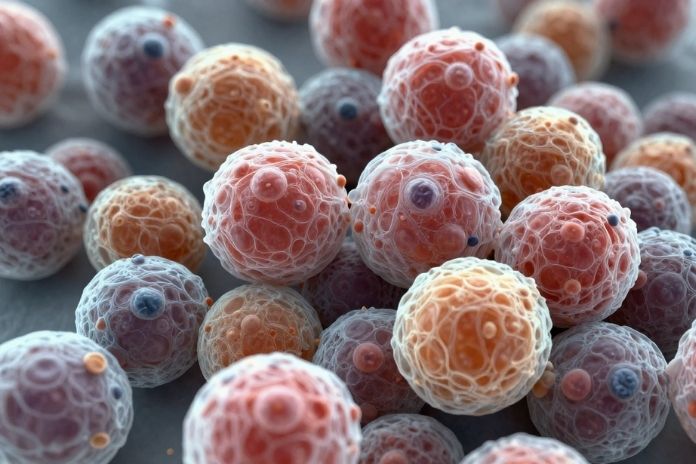
Triglycerides are a type of fat in your blood that often rises without obvious symptoms, yet raises the risk of heart disease and pancreatitis, and unlike LDL cholesterol, they can respond quickly when you change everyday habits.
High sugar and refined carbs such as sweets, white flour products, and white rice are easily converted into triglycerides in the body, so cutting them way down helps lower levels. Eating more fibre from whole grains, fruits, vegetables, beans, and legumes slows the absorption of sugar and supports healthy fats.
Choosing heart-healthy unsaturated fats such as those found in olive oil, nuts, avocados, and omega-3-rich fish (salmon, sardines) instead of trans and saturated fats makes a big difference. Regular activity, even a brisk walk most days, helps your body burn fat for energy and lowers triglycerides.
Avoiding or limiting alcohol, losing excess weight, managing blood sugar and blood pressure, quitting smoking, and getting good sleep all further support healthier triglyceride levels. Together, these changes are practical, science-backed ways to naturally lower high triglycerides.
Read More: 10 Foods High in Unsaturated Fats That One Needs to Stay Wary Of
Why High Triglycerides Are a Bigger Deal Than Most People Realize

Triglycerides are a type of fat in your blood that your body uses for energy, but they are different from cholesterol. Triglycerides store unused calories as fat, while cholesterol helps build cells and produce hormones. When triglyceride levels rise, it’s often not just about eating fatty foods; it usually reflects overall metabolic health.
In fact, high triglycerides are closely linked to how your body processes sugar and excess calories, especially from refined carbs and added sugars. Because triglycerides increase when you consistently consume more energy than you burn, they can signal deeper issues like insulin resistance, obesity, or metabolic syndrome.
This is why doctors often look at triglycerides as a marker of metabolic imbalance, not just diet. While some triglycerides are normal, levels above 150 mg/dL are considered borderline high, and readings over 200 mg/dL are classified as high.
Very elevated numbers above 500 mg/dL are especially concerning because they raise the risk of pancreatitis and cardiovascular disease. Over time, high triglycerides can contribute to fatty buildup in the arteries, increasing the chances of a heart attack or stroke.
The good news is that lifestyle changes can often help lower triglycerides effectively and improve long-term heart health. As Dr. Nicholas Marston, a cardiologist (Harvard Health), says, “If people with high triglycerides eat a healthier diet, exercise regularly, and lose weight, they can lower their levels by more than 50%.”
Read More: Fruits For Weight Loss: 18 Fruits That Shed Off Unwanted Fats
9 Evidence-Backed Ways to Lower Triglycerides
High triglycerides (also known as hypertriglyceridemia) are often overlooked, but they are one of the clearest signals of metabolic imbalance. Triglycerides are fats in the bloodstream that store unused calories for energy.
When triglyceride levels stay elevated, they increase cardiovascular risk, contribute to artery buildup, and may even raise the risk of pancreatitis at very high levels. Unlike LDL cholesterol, triglycerides often respond quickly to lifestyle changes, which is why understanding how to lower triglycerides naturally can make a major difference in long-term heart and metabolic health.
Below are nine science-backed strategies that form the foundation of effective treatment for high triglycerides.
1. Cutting Back on Added Sugar (Not Just Calories)

One of the most powerful steps in lowering triglycerides is reducing added sugar. Sugar does more than simply add extra calories; it directly increases triglyceride production in the liver.
When you eat too much sugar, especially fructose, the liver converts it into triglycerides and stores it as fat. Over time, this can contribute to fatty liver, weight gain, and worsening triglyceride levels.
Sugary drinks are one of the biggest triggers because liquid sugar is absorbed quickly. Soda, sweetened coffee, fruit juices, and sports drinks can sharply raise triglyceride levels. Hidden sugars also appear in cereals, flavored yogurts, packaged snacks, sauces, and baked goods.
Reducing added sugar is one of the fastest and most reliable ways to lower triglycerides naturally. Cardiologist Ashish Sarraju, MD (Cleveland Clinic) talks on sugar and diet choices, “It’s particularly important to reduce the consumption of sugar and foods with high-fructose corn syrup. These foods are converted to triglycerides in your body.”
2. Reducing Refined Carbs That Spike Insulin
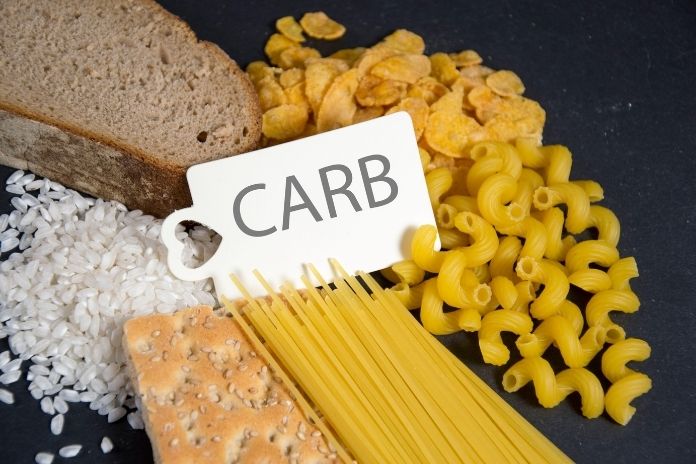
Refined carbohydrates are another major driver of hypertriglyceridemia. Foods like white bread, white rice, pasta, crackers, and ultra-processed snacks break down rapidly into glucose. This causes insulin levels to spike.
Frequent insulin surges contribute to insulin resistance, which is strongly linked to high triglycerides. When the body becomes resistant to insulin, the liver responds by producing more triglycerides, worsening metabolic health.
This is why some “low-fat” diets backfire. If fat is reduced but replaced with refined carbs, triglyceride levels may actually rise.
Instead, focus on whole carbohydrates such as oats, quinoa, brown rice, beans, lentils, vegetables, and fiber-rich fruits.
3. Losing Even a Small Amount of Excess Weight

Weight loss does not need to be extreme to have a major impact. Research shows that losing just 5-10% of body weight can significantly lower triglyceride levels.
Excess visceral fat (fat stored around the abdomen) is metabolically active. It releases fatty acids into the bloodstream, which increases triglyceride production in the liver and worsens insulin resistance.
Even modest weight reduction improves metabolic syndrome markers, reduces the risk of fatty liver, and lowers cardiovascular risk.
Small changes, such as reducing portion sizes, cutting sugary drinks, and increasing daily activity, often produce meaningful improvements in triglyceride levels.
4. Drinking Less Alcohol (Even Moderate Amounts)

Alcohol intake is strongly associated with elevated triglycerides. The liver processes alcohol before other nutrients, and this directly increases triglyceride synthesis.
Even moderate drinking can raise triglyceride levels, particularly in people already prone to hypertriglyceridemia. For some, alcohol can cause sudden spikes, even if the rest of the diet is healthy.
If triglycerides are high, limiting alcohol or avoiding it entirely is often a critical part of high triglyceride treatment.
This is particularly important when triglycerides exceed 200-500 mg/dL.
5. Adding Omega-3-Rich Foods (or Supplements, When Needed)

Omega-3 fatty acids are among the most effective nutrients for lowering triglycerides. EPA and DHA reduce triglyceride production in the liver and improve fat clearance from the bloodstream.
Excellent foods that lower triglycerides include:
- Salmon
- Sardines
- Mackerel
- Trout
- Flaxseeds
- Chia seeds
- Walnuts
Eating fatty fish twice a week provides strong heart benefits.
For very high triglyceride levels, prescription-strength omega-3 supplements may be recommended. Supplements can be powerful, but they should be used with medical guidance, especially for people taking blood thinners or other medications.
6. Moving More—Especially After Meals

Exercise is one of the fastest ways to clear triglycerides from the bloodstream. Physical activity encourages muscles to use triglycerides for energy instead of leaving them circulating in the blood.
Even a short activity after eating, such as a 10-15-minute walk, helps reduce post-meal triglyceride spikes.
Aim for at least 150 minutes of moderate aerobic exercise per week, such as brisk walking, cycling, or swimming.
Resistance training also improves muscle metabolism and insulin sensitivity, supporting long-term reductions in triglycerides.
Regular movement also increases HDL cholesterol, which helps remove excess fats from the bloodstream.
7. Choosing Healthier Fats Instead of Eliminating Fat

Many people assume that eating fat automatically raises triglycerides, but the type of fat matters more than the amount.
Saturated fats (red meat, butter, full-fat dairy) and trans fats (fried foods, packaged snacks) tend to raise triglycerides and increase heart disease risk.
In contrast, unsaturated fats improve lipid balance and reduce triglyceride production. Healthy fat sources include:
- Olive oil
- Avocados
- Nuts and seeds
- Fatty fish
Replacing refined carbs with healthy fats often lowers triglycerides more effectively than cutting fat entirely.
This approach also supports higher HDL cholesterol and reduced cardiovascular risk.
8. Improving Sleep and Stress Management

Lifestyle goes beyond food and exercise. Poor sleep disrupts insulin regulation and increases cortisol, a stress hormone that can raise triglyceride levels.
Chronic stress keeps the body in a state of metabolic strain, encouraging fat storage and triglyceride production, even without major diet changes.
Prioritizing 7-9 hours of quality sleep, maintaining a consistent sleep schedule, and practicing stress-reduction habits such as meditation, yoga, deep breathing, or walking outdoors can support healthier triglyceride levels.
Better sleep also strengthens the benefits of diet and exercise changes.
9. Reviewing Medications and Medical Conditions

Sometimes, triglycerides remain high because of underlying medical causes. Conditions commonly linked to hypertriglyceridemia include:
- Diabetes
- Hypothyroidism
- Insulin resistance
- Metabolic syndrome
- Fatty liver disease
Certain medications, such as steroids, beta blockers, or some hormone therapies, may also raise triglycerides as a side effect.
If lifestyle changes are not enough, treatment of high triglycerides may require medications such as fibrates, niacin, or prescription omega-3 fatty acids.
Medical evaluation is especially important when triglyceride levels exceed 500 mg/dL due to an increased risk of pancreatitis.
Read More: The Power of Macronutrients: Understanding Proteins, Carbs, and Fats in Your Diet
How Fast Can Triglycerides Be Reduced?

Triglycerides can often improve faster than many people expect. With the right diet, activity, and lifestyle changes, levels may drop within weeks, but lasting results usually take months.
Short-Term vs Long-Term Changes
When you start healthy habits, triglycerides can begin to drop fairly quickly, sometimes within a few weeks of cutting sugary drinks, refined carbs, and alcohol, and increasing physical activity.
Short-term changes, such as reducing sugar and simple carbohydrates, can reduce liver triglyceride production and begin lowering levels within a few weeks of consistent effort. More noticeable drops often happen after about 4-6 weeks of regular lifestyle changes.
What Improvements in Weeks vs Months Mean
Seeing a small improvement in a few weeks is encouraging, but it’s only the start. Bigger and more lasting reductions, especially if triglycerides are significantly high, usually take several months of a steady diet, exercise, weight loss, and other lifestyle changes.
A 3-month period is common before retesting, as consistent improvements build up gradually. Lifestyle changes such as eating foods that lower triglycerides, reducing added sugar, controlling fat intake, and increasing activity help lower triglyceride levels over time.
Why Retesting Timing Matters
Triglycerides fluctuate depending on what you eat and when you last ate; levels are higher right after meals and lower when fasting. Because of this, your doctor usually recommends fasting before testing and may wait 4-12 weeks between tests to measure true progress.
Regular retesting helps show whether lifestyle changes or treatment for high triglycerides are working and whether adjustments are needed.
Read More: Hidden Signs You’re Not Eating Enough Healthy Fats
When High Triglycerides Need Medical Treatment

High triglycerides often improve with lifestyle changes, but very high levels may require medical intervention. Knowing when medication is needed helps prevent serious risks like pancreatitis and heart disease.
Thresholds Where Lifestyle Alone May Not Be Enough
Doctors first recommend healthy lifestyle changes, exercise, weight loss, cutting sugar and refined carbs, to lower triglyceride levels. Most people can reduce borderline-high levels (150-199 mg/dL) in this manner.
But when levels reach 200-499 mg/dL, especially with other risk factors like diabetes or heart disease, lifestyle changes may not be enough, and your doctor will evaluate whether drug therapy is needed.
Risk of Pancreatitis at Very High Levels
Very high triglycerides, generally 500 mg/dL and above, greatly increase the risk of pancreatitis, a dangerous inflammation of the pancreas.
Doctors take this risk seriously because pancreatitis can be painful, severe, and sometimes life-threatening. If triglycerides stay very high even after lifestyle improvements, medical treatment is usually necessary to prevent this complication.
Role of Prescription Therapies
When diet and exercise alone don’t considerably lower triglycerides, or when the risk is high, prescription drugs may be added as part of high triglycerides treatment.
- Statinsare often first-line therapy when there is a risk of heart disease, and also lower triglycerides modestly.
- Fibrates(like fenofibrate or gemfibrozil) can cut triglycerides significantly.
- Niacinand prescription omega-3 fatty acids can also be used under medical supervision.
Medical evaluation considers overall cardiovascular risk, other health conditions, and the persistence of high triglyceride levels despite changes.
Read More: Stroke Prevention in Your 30s & 40s: Silent Signs and Lifestyle Changes to Reduce Risk
The Practical Takeaway
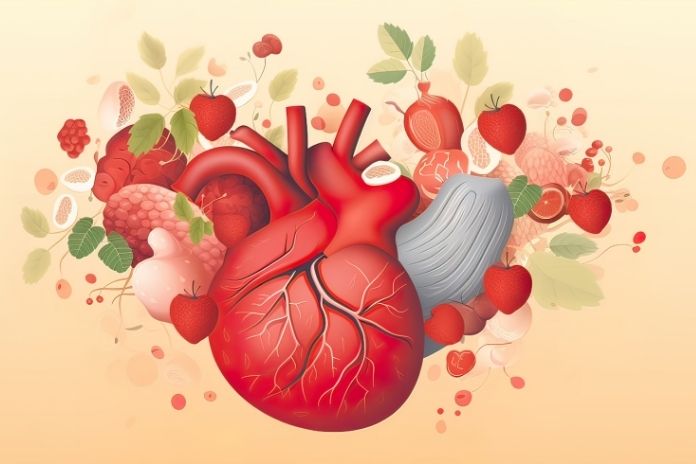
High triglycerides are a modifiable early warning sign of metabolic imbalance and cardiovascular risk, and they often improve with everyday changes. Cutting back on added sugar and refined carbohydrates, swapping sodas and sweets for whole grains and fiber, helps lower triglycerides naturally because excess sugar is quickly turned into fat in the blood.
Eating foods that lower triglycerides, such as whole grains, vegetables, legumes, and foods rich in omega-3 fatty acids (such as fatty fish, nuts, and seeds), helps maintain healthier levels. Avoiding or limiting alcohol and being less sedentary, adding regular exercise, and losing extra weight also reduce triglyceride production and improve overall heart health.
Even small, targeted adjustments in diet and activity can significantly lower triglyceride levels over time, while regular check-ups help track progress and guide further changes. Start today by reducing sugar intake, staying active, and eating heart-healthy foods. Even small daily changes can lower triglycerides and support better heart health over time; take your first step now.
References
- Clinic, C. (2025, December 9). 10 ways to lower your triglyceride levels. Cleveland Clinic.
- Hospitals, A. (2026, January 21). 10 Ways to Decrease Triglycerides: Practical steps to lower this important health number. Apollo Hospitals.
- Triglycerides: Why do they matter? (n.d.). Mayo Clinic.
- Professional, C. C. M. (2025c, December 26). Triglycerides and heart health. Cleveland Clinic.
- Karanchi, H., Muppidi, V., & Wyne, K. (2023, August 14). Hypertriglyceridemia. StatPearls – NCBI Bookshelf.
- Corliss, J. (2024, May 1). Taming high triglycerides. Harvard Health.
- How to lower triglycerides | Mass General Brigham. (2025, December 9).
- Beyond Cholesterol: 14 Ways to Lower Triglycerides. (n.d.). WebMD.
- Clinic, C. (2025b, December 9). 10 ways to lower your triglyceride levels. Cleveland Clinic.
- How to reduce triglycerides: 7 simple steps to a healthier heart. (n.d.).
- Dietary advice for management of high triglycerides. (n.d.). Cambridge University Hospitals.
- Harvard Health. (2023, May 22). Should you worry about high triglycerides?
- Oh, R. C., & Lanier, J. B. (2007, May 1). Management of hypertriglyceridemia. AAFP.
- Griffin, R. M. (2026, January 23). High triglycerides: What you need to know. WebMD.
In this Article