













In today’s fast-paced world, overthinking has become a common struggle, deeply impacting our mental health. Constantly juggling multiple thoughts, often negative or repetitive, leaving us feeling overwhelmed, anxious, and mentally drained. As people look for ways to cope, mindfulness has emerged as a powerful tool to help calm the mind and regain control over their thoughts.
Mindfulness, rooted in ancient practices, is all about staying fully present in the moment without judgment. This simple yet effective technique has been proven to reduce stress, improve focus, and enhance emotional well-being. One of the most fascinating ways to embrace mindfulness is through Japanese techniques, which offer a holistic approach to mental clarity. These practices blend simplicity with profound effectiveness, giving us a pathway to quiet our minds.
Japan’s mindfulness techniques don’t just focus on calming the mind but also nurturing emotional and physical well-being, making them incredibly valuable in our everyday lives.
In this article, we’ll explore ten Japanese mindfulness techniques that are both ancient and accessible, designed to help tackle the issue of overthinking head-on. From traditional mindfulness exercises to simply spending time outdoors, each of these methods offers a way to declutter your mind and promote clarity.
Forest Bathing
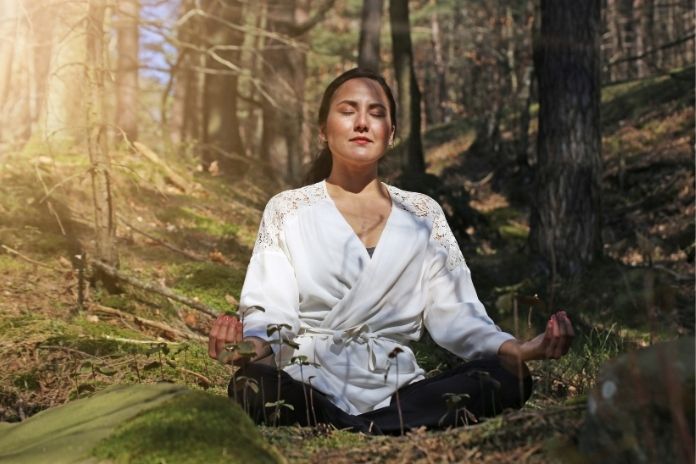
Shinrin-yoku, or forest bathing, is a deeply rooted mindfulness practice that originated in Japan, focusing on fostering a deeper connection with nature. This technique invites individuals to immerse themselves in the natural environment, with an emphasis on being fully present and mindful of their surroundings.
Rather than simply walking through the woods, shinrin-yoku encourages an immersive experience where participants engage their senses in the sights, sounds, and smells of the forest, allowing the environment to restore and rejuvenate their mental state.
The Benefits of Forest Bathing
The advantages of shinrin-yoku extend far beyond the physical realm. Numerous studies have shown that spending time in nature through forest bathing can help lower cortisol levels, reduce stress, and improve mental clarity.
The natural sounds and peaceful ambiance of the forest provide the perfect setting for releasing the mental clutter often caused by overthinking. By surrounding oneself with nature, individuals can experience an immediate sense of calm, making it a powerful antidote to stress and anxiety.
Incorporating forest bathing into your daily routine doesn’t require a long, complicated process. You don’t need to embark on an elaborate hike to benefit from this practice; simple activities can offer profound results. Engaging in mindful walking, focusing on your breathing, and taking the time to pause and appreciate the beauty around you are easy ways to begin.
Tea Ceremony
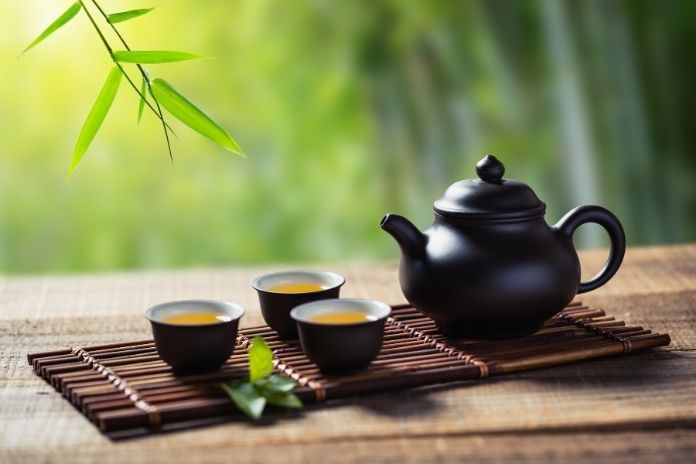
The Japanese tea ceremony, known as Chanoyu or Sado, is much more than just brewing and drinking tea. It’s a profound practice that is deeply embedded in Japanese culture, emphasizing mindfulness, respect, and a sense of peace. The ritualistic aspects of preparing tea, including the precise measurement of tea leaves, the gradual addition of hot water, and the careful serving, serve to heighten awareness and focus.
This act of preparing and drinking tea is intended to be a meditative experience that allows participants to escape the noise and distractions of daily life and immerse themselves fully in the present moment.
Mindful Tea Ritual at Home
While the traditional Japanese tea ceremony may seem elaborate, the essence of this practice can easily be brought into your everyday life with a simplified version. You don’t need a formal ceremony setup to experience the benefits; the key lies in intentionality and mindfulness. Choose your favorite tea, learn the mindful process of brewing it, and take a moment to savor every sip.
By removing distractions, focusing on the sensations of the tea-making process, and appreciating the act of drinking, you can create a calm, peaceful environment in the comfort of your own home. This ritual, however simple, can be a powerful tool for cultivating mindfulness and emotional balance.
This practice not only nurtures mental clarity but also offers a calming influence, transforming an ordinary task into a mindful, reflective experience. By making this small but meaningful change in your daily routine, you can bring the tranquility and focus of the tea ceremony into your own life, improving your mental well-being and fostering a more grounded, peaceful state of mind.
Zen Meditation

Zen Buddhism’s central practice, Zazen, is a deeply transformative method of meditation that offers a direct path to self-discovery and tranquility. Rooted in mindfulness and presence, Zazen encourages practitioners to explore their inner world through introspection and silence. The simplicity of this practice lies in its focus on the present moment and breathing, making it a powerful tool for those looking to quiet the mind and connect with their deeper selves.
How to Practice Zazen
To engage in Zazen meditation, find a quiet, peaceful space where you can sit without distractions. Start by sitting on a cushion, with your legs crossed, and your back straight. Place your hands in a mudra, typically with the palms facing up, one hand resting on top of the other. Gently close your eyes and bring your awareness to your breathing.
Focus on the natural rhythm of each breath as it flows in and out, without trying to control it. As thoughts arise, simply observe them without attachment, letting them pass by like clouds in the sky. Whenever your attention drifts, gently return to the breath. This practice of observing the breath helps cultivate mindfulness and mental clarity.
Over time, this practice helps alleviate the burden of overthinking and cultivates a peaceful, balanced state of mind. Zazen isn’t just about meditation on a cushion; it’s a way of being, offering a pathway to emotional stability and inner peace by fostering a harmonious connection between the mind and spirit. Through its simplicity, Zazen becomes a transformative tool for anyone seeking mental clarity and tranquility.
Dr. Jon Kabat-Zinn, in his book Wherever You Go, There You Are: Mindfulness Meditation in Everyday Life (1994), emphasizes that: “The practice of mindfulness, being present and fully engaged with whatever we’re doing at the moment, can be profoundly healing. Zazen, as a form of meditation, allows us to access that stillness and insight that resides within each of us.”
Read More: 20 Health Benefits of Meditation According To Science
Wabi-Sabi Appreciation
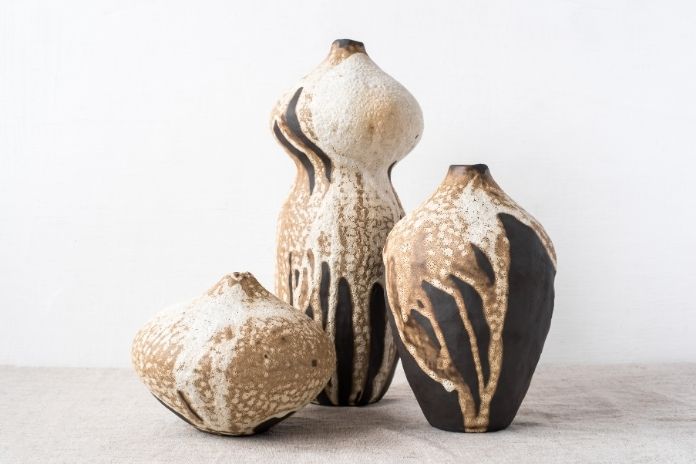
Wabi-Sabi is a Japanese aesthetic theory that celebrates the beauty found in imperfection and transience. It offers a refreshing perspective, especially in a world that constantly strives for perfection.
Wabi-Sabi encourages individuals to appreciate the natural flaws and fleeting moments of life, showing that there is profound beauty in the unfinished and the imperfect. By embracing this philosophy, people can move beyond the pressure of perfectionism and overthinking, finding peace in the acceptance of life as it is.
How Wabi-Sabi Enhances Mental Well-Being
The Wabi-Sabi philosophy invites us to focus on the journey rather than the destination. Instead of fixating on a perfect outcome, Wabi-Sabi encourages us to find joy in the process itself, whether it’s the act of creating or simply experiencing life in its raw form. Key to this is the appreciation of simplicity, modesty, and the organic aspects of everyday life.
By acknowledging the beauty in life’s imperfections, whether it’s the worn patina of a cherished object or the natural wear of handmade products, we can let go of the need for things to be flawless. This shift in perspective fosters a deeper sense of contentment and peace with the present moment.
Integrating Wabi-Sabi into daily life requires a mindset shift. Instead of seeing imperfections as flaws, Wabi-Sabi encourages us to view them as valuable qualities that add character and authenticity to life. This shift allows us to embrace the imperfections within ourselves, others, and the world around us. Wabi-Sabi teaches us that beauty exists not just in perfection, but in the transient, unfinished, and imperfect nature of everything.
Ikebana (Japanese Flower Arranging)
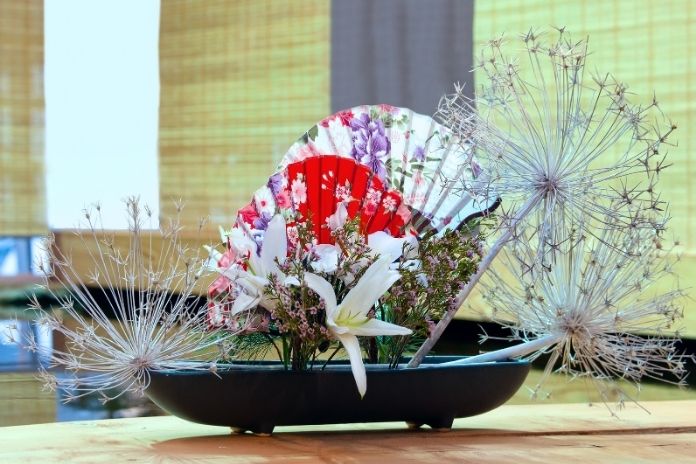
Ikebana, the ancient Japanese art of flower arrangement, goes beyond simply placing flowers in a vase. It is a practice rooted in nature that emphasizes harmony, balance, and mindfulness. This centuries-old tradition encourages participants to create beautiful, thoughtful arrangements by paying full attention to each stem, angle, and the space between flowers. Rather than focusing on ornate displays, ikebana aims to capture the essence of nature’s simplicity and elegance, making it a mindful practice that fosters reflection and inner peace.
Mindfulness Through Ikebana
One of the most profound aspects of ikebana is its ability to cultivate mindfulness. Whether you are arranging flowers for your home or creating a more intricate piece for a special occasion, the process encourages deep engagement with the present moment.
Every step, from selecting the flowers to trimming and arranging them, becomes an opportunity for focused attention and reflection. This careful, deliberate engagement with nature allows practitioners to quiet the mind and foster a sense of calm.
Incorporating ikebana into your daily routine offers more than just an aesthetically pleasing display for your space. It serves as a meditative practice that transforms a simple task into a mindful experience. As you carefully arrange the flowers, you create a connection with nature and encourage a peaceful, reflective state of mind. By embracing ikebana as part of your routine, you invite tranquility into your life, offering a moment of calm in the midst of a busy day.
A study in the year 2015 shows that practicing ikebana can significantly reduce anxiety and even impact physiological indicators such as respiratory rate. In participants with high trait anxiety, anxiety scores dropped markedly, their feelings of pleasantness increased, and their breathing rate slowed after an hour-long ikebana session, suggesting both psychological and bodily calming effects.
Walking Meditation
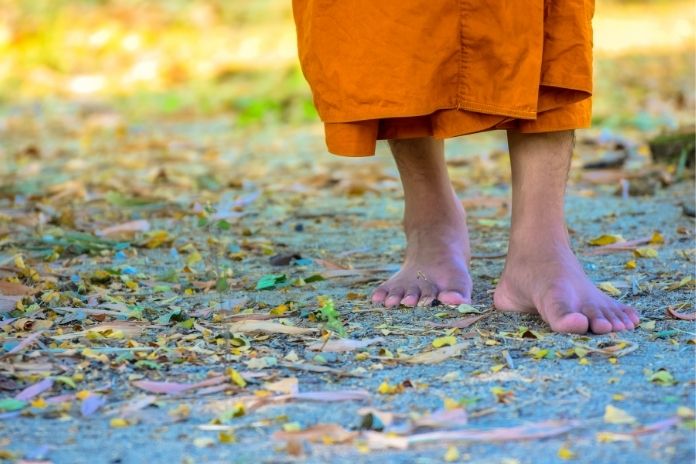
A key aspect of Zen Buddhism, Kinhin is a walking meditation that complements seated meditation (Zazen). Rooted in mindfulness, Kinhin provides a calming transition between periods of sitting meditation, helping practitioners maintain a contemplative mindset even while moving. It’s a simple, yet powerful practice that connects body and mind through slow, deliberate steps, fostering deep focus and presence.
How to Practice Kinhin
To begin practicing Kinhin, stand with your hands in a specific mudra, usually a soft fist with your right hand resting over your left. As you breathe deeply, match your steps with your breath, ensuring that each movement is slow and deliberate.
The pace is gentle, allowing you to tune into every step and the surrounding environment. Keep your gaze soft and forward, and if you’re practicing with others, try to move in unison. This synchronized movement not only enhances the practice but also strengthens the sense of collective mindfulness.
Kinhin offers significant mental health benefits. The slow, rhythmic nature of walking meditation can help alleviate stress, reduce anxiety, and provide relief from overthinking. By focusing on each step and coordinating it with your breath, you create a break from the constant chatter of the mind.
Kokedama
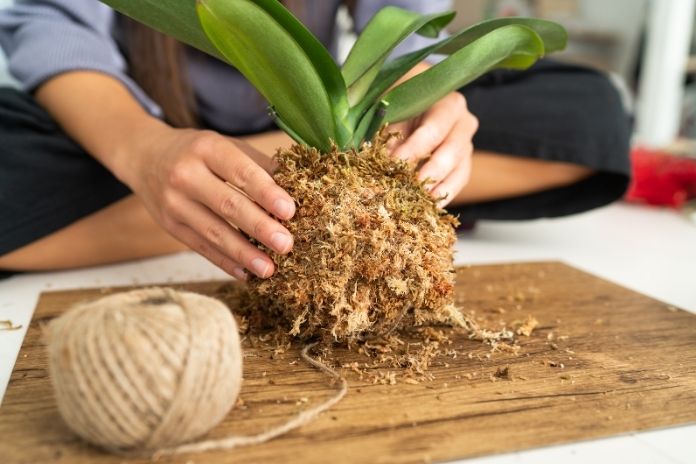
Kokedama, a fascinating Japanese art form, involves creating stunning plant arrangements that are encased in a moss-covered ball. The term “kokedama” translates to “moss ball,” and it refers to a unique technique where the roots of a plant are wrapped in soil and moss, forming a beautiful, spherical structure. While visually striking, kokedama also offers a deeply therapeutic experience, providing an immersive and hands-on way to connect with nature.
The Meditative Process of Creating Kokedama
Creating kokedama is more than just a craft; it’s a form of meditation. The act of molding soil, moss, and twine into a cohesive sphere requires focused attention and presence. This tactile process helps clear the mind, making it easier to embrace the moment.
The slow and deliberate creation of the moss ball allows for mindfulness, turning the practice into a grounding and peaceful exercise. Not only is it an opportunity for creative expression, but it also serves as a way to relax and unwind, offering a mental break from daily stress.
To begin practicing kokedama, choose plants that are low-maintenance, like ferns or pothos, making the process easier and more enjoyable. Allow yourself to embrace imperfections in the design, understanding that these “flaws” are part of the artistic journey.
Once the kokedama is complete, caring for it becomes an ongoing mindfulness practice. Regularly misting the moss and submerging the ball in water provides an opportunity to nurture both the plant and your own well-being.
Bonsai Cultivation
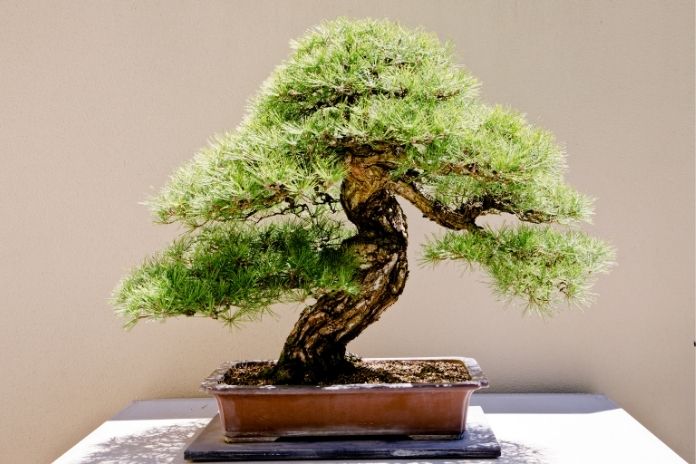
Bonsai, the ancient Japanese craft of growing miniature trees, goes beyond gardening and becomes a profound practice in patience, attention, and mindfulness. The term “bonsai” means “planted in a container” in Japanese, reflecting the artistry involved in creating a small, harmonious version of nature.
Caring for a bonsai tree is not just about growing a plant; it’s about developing a deep connection with nature and cultivating a mindful approach to every aspect of the process.
The Meditative Process of Bonsai Cultivation
Taking care of a bonsai tree is a meditative exercise that encourages concentrated awareness. From shaping and trimming the branches to appreciating the delicate beauty of each leaf, every action requires patience and mindfulness.
The slow, deliberate growth of a bonsai encourages practitioners to move away from the rush of everyday life and embrace a steady, focused approach. This quiet, intentional practice offers a unique opportunity to calm the mind and nurture the spirit, making it an enriching mental health journey.
To begin your mindfulness practice with bonsai, start with a hardy plant like juniper or ficus; both are well-suited for beginners. Select an appropriate container and begin pruning the tree to shape it. The act of tending to the tree involves careful handling of the soil and routine tasks like watering, trimming, and reshaping. This ongoing relationship with your bonsai fosters a sense of equilibrium, as it encourages you to stay present and mindful in each moment.
A 2021 study on the therapeutic effects of bonsai cultivation found that participants experienced enhanced mindfulness and emotional awareness. One individual reflected, “When I prune a tree, I feel like I’m pruning my thoughts… it brings me back to the moment. I can’t rush. The tree won’t let me.”
Calligraphy

Shodo, the revered Japanese calligraphy technique, transcends mere writing; it is an art form that celebrates beauty, balance, and mindfulness. Rooted in ancient brushwork traditions, Shodo is not just about creating characters; it’s about embracing the grace of each brushstroke. This practice holds deeply meditative qualities, transforming the act of writing into a form of contemplation.
Shodo as a Meditative and Mindful Practice
When you engage in Shodo, you are more than just writing. The brush, the ink, and the paper come together in a harmonious flow, requiring full attention and presence. Each brushstroke becomes a moment of mindfulness, as you direct your thoughts and emotions into the flowing ink.
Shodo demands focus, precision, and intentionality, turning the act of writing into an active meditation. By staying focused on the rhythm of the brush, practitioners find themselves immersed in the present moment, leaving little room for distractions or overthinking.
Looking for a therapeutic way to quiet your mind and combat overthinking? Shodo might be the perfect practice for you. Start with simple characters or short phrases, letting your hand guide the brush in a gentle flow of ink. Don’t be afraid of imperfections; flaws are part of the process and contribute to the art’s charm. The very act of focusing on the brushwork helps redirect your thoughts and offers a peaceful escape from mental clutter.
Conclusion
We’ve explored eleven transformative Japanese mindfulness practices that offer a refreshing way to combat the effects of overthinking and cultivate mental clarity. Each of these practices, from the deep stillness of Zazen meditation to the mindful care of Bonsai trees, offers its own unique path to peace.
These Japanese Mindfulness techniques are more than just cultural traditions; they’re powerful tools for mental well-being.
The beauty of these practices lies in their simplicity and their ability to speak directly to our inherent need for balance and harmony in life. Each one encourages us to slow down, focus, and engage in the present moment.
We encourage you to explore these practices and see how they can transform your mental health journey. By bringing elements like mindful walking, thoughtful tea ceremonies, and the art of bonsai into your routine, you’ll begin to create a calm, centered space where the stress of overthinking fades.
Cheers to finding moments of stillness and cultivating a more mindful approach to daily living!
References
- https://www.larksuite.com/en_us/topics/productivity-glossary/shinrin-yoku
- https://www.pinebarrens.org/bridge-to-the-barrens/the-power-of-forest-bathing/
- https://www.uwlax.edu/currents/what-is-forest-bathing/
- https://www.ncbi.nlm.nih.gov/pmc/articles/PMC5580555/
- https://teaceremonyjapan.muragon.com/entry/607.html
- https://www.metimeaway.com/magazine/tea-ceremony-silent-meditation-practice/
- https://www.zen-buddhism.net/the-principles-of-tea-ceremony-by-sen-no-rikyu/
- https://www.lionsroar.com/how-to-practice-zazen/
- https://zmm.org/teachings-and-training/meditation-instructions/
- https://sites.smith.edu/religious-spiritual-life/2016/02/19/zazen-meditation/
- https://www.healthline.com/health/mental-health/zazen
- https://www.tsunagujapan.com/wabi-sabi-japanese-aesthetic-conciousness/
- https://medium.com/@bharath_keshav/wabi-sabi-finding-beauty-in-lifes-imperfections-f3e2d4a443f8
- https://www.everand.com/book/463518630/Wabi-Sabi-The-Japanese-Art-of-Impermanence
- https://www.sunset.com/home-garden/flowers-plants/ikebana-flower-arranging-basics
- https://www.bonsaiempire.com/origin/related-arts/ikebana
- https://www.artsy.net/article/artsy-editorial-thriving-art-ikebana-japanese-tradition-flower-arranging
- https://konmari.com/ikebana/
- https://www.yogapedia.com/definition/11160/kinhin-walking-meditation
- https://www.zen-buddhism.net/what-is-kinhin-or-walking-zen-meditation/
- https://wwzc.org/dharma-text/kinhin-dignity-buddha
- https://extension.psu.edu/the-art-of-kokedama
- https://savvytokyo.com/the-art-of-kokedama/
- https://www.thespruce.com/making-kokedama-japanese-moss-balls-5085483
- https://orchidbliss.com/kokedama/
- https://www.britannica.com/topic/bonsai-horticulture
- https://www.birminghambotanicalgardens.org.uk/news/bonsai-a-brief-history/
- https://www.bonsaiempire.com/origin
- https://wabunka-experience.com/en/columns/calligraphy
- https://www.japan.travel/en/au/story/art-calligraphy/
- https://www.japan-guide.com/e/e2095.html
In this Article