















If you’ve ever wondered whether the way men and women should train to “tone up” is fundamentally different, you’re far from alone. The short answer: yes and no. Both men and women can achieve lean muscle definition, improved strength, and a more sculpted appearance through proper strength/resistance training combined with sound nutrition and recovery.
But the way that muscle tone appears, and the speed at which it shows up, can differ based on physiological and hormonal factors.
Let’s be clear: the idea that women must stick to light dumbbells to “tone” while avoiding strength training because they’ll bulk up is outdated, tethered more to culture than science. Likewise, the notion that men must always lift extremely heavy or only do upper-body workouts is a simplistic stereotype.
What truly matters is balanced training, progressive overload, nutrition, and consistency. In the sections ahead, we’ll explore biological differences, followed by training and nutrition considerations, sample workouts for each gender, busting myths, and wrapping up with key takeaways and FAQs.
The goal: you’ll walk away understanding how men and women tone differently, but also how similar the underlying process is.
The Science Behind Muscle Toning
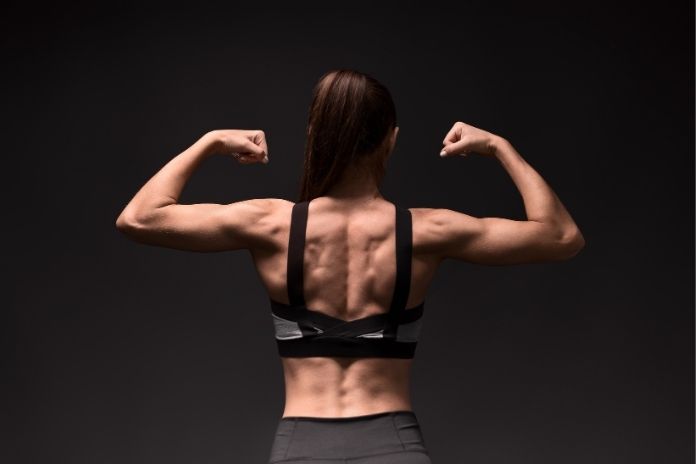
What is “toning”? In fitness parlance, “toning” typically means building lean muscle while reducing excess body fat, so that muscles look defined and you appear more sculpted. There isn’t a separate “tone muscle” type; rather, you’re increasing muscle size and body fat moderately, improving the muscle-to-fat ratio, and enhancing muscle definition.
To achieve this, three essential components apply equally to men and women:
- Strength or resistance training (to stimulate muscle adaptation and growth).
- Moderate calorie control or purposeful nutrition (so body-fat levels decrease or stay stable while muscle is built).
- Adequate protein intake and recovery (so the muscle you train has the substrate and rest to adapt).
While the mechanisms of muscle adaptation are broadly the same in men and women, hormonal, anatomical, and body-composition differences affect how the results appear, how fast they show, and where fat is lost or stored.
For example, research into hormonal responses to resistance exercise shows that men generally have higher baseline levels of anabolic hormones (like testosterone) than women, which supports more rapid muscle‐mass gain in men under equivalent training stimulus.
That said, women absolutely respond strongly to resistance training: one overview found that strength gains in women are similar (relative to muscle cross‐section) to those in men when training is equated.
So: yes, the process is the same; the visual outcome and rate of change may differ.
Read More: Tuesday Toning: Core-Focused Pilates Session
Biological Differences That Affect Muscle Tone
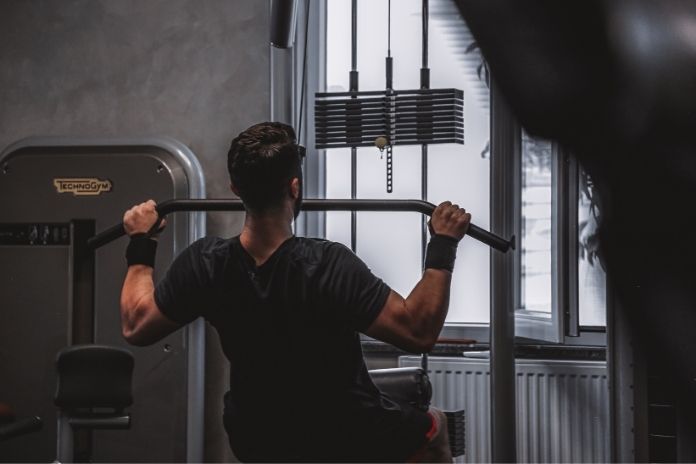
Muscle tone isn’t just about how hard you train; it’s also shaped by biology. Hormones, fat distribution, and muscle-fibre makeup all play a role in how men and women build, reveal, and maintain muscle definition.
Understanding these physiological differences helps explain why training results can look different even when effort and discipline are the same. Let’s break down the key biological factors that influence muscle tone.
1. Hormonal Influence
Hormones play a big role in how we respond to training, build muscle, store fat, and recover.
- Testosterone: Men typically have significantly higher circulating testosterone levels compared to women. This hormone supports the growth of muscle mass and strength. As a result, men may experience larger absolute gains in muscle size when training hard.
- Estrogen and other female hormones: Women have higher levels of estrogen and progesterone, which have their own effects on recovery, fat storage, muscle repair, and metabolism. For example, strength training can have beneficial effects on female hormones and bone health.
- Acute hormone responses: Studies show both men and women exhibit increases in anabolic hormones (growth hormone, free testosterone, IGF-1) after resistance exercise. However, the magnitude and baseline differ. For example, in one male cohort, acute hormonal responses correlated with strength gains.
- The upshot: Women absolutely build strength and muscle tone, but they are less likely to build large bulk unless they train and eat specifically for hypertrophy (and often manipulate hormones/steroids). That means many women can train like men (in terms of load, reps, etc) without concern of unintentional bulk.
“Women do not have the same level of muscle-bulking testosterone as men,” says Jim Beitzel, ATC, PES, CI, clinical athletic trainer and clinical coordinator for Northwestern Medicine Orthopaedics Athletic Training and Sports Performance Clinic.
2. Body Fat Distribution
How and where we store fat differs between sexes, and that affects how “toning” looks.
- Men tend to store more fat in the abdominal region (visceral + subcutaneous abdomen).
- Women tend to store more fat around the hips, thighs, and glutes. This means that definition (or the appearance of “toned”) might look different: for men, visible abs might appear fairly soon as you reduce belly fat; for women, even with the same body-fat percentage, muscle definition may be masked by fat around the hips/thighs and glutes.
“Where fat accumulates is largely beyond conscious control. Women tend to store more fat in the hips, thighs, and buttocks, whereas men typically store more fat around the abdomen. This pattern affects how muscle tone appears even when fat percentages are similar.” - Dr. Scott Kahan, MD, MPH, Director of the National Center for Weight & Wellness.
This is one reason many toning programs for women emphasize glute/leg work, as well as fat loss; for men, there is more emphasis on abs/upper body. But both should train full-body.
3. Muscle-Fibre Composition and Neuromuscular Differences
Some research suggests men and women may have subtle differences in muscle-fibre distribution and neuromuscular architecture. For example:
- Women may have a slightly greater proportion of type-I (slow-twitch) fibres in certain muscles, which aid endurance efforts.
- Men may have slightly more type II (fast-twitch) fibers and thus may experience more rapid hypertrophy in response to heavy loads.
- A recent paper(“Gender Differences in Response to Strength Training: Hormonal and Neuromuscular Insights”) found that although men show greater absolute strength and power post-training, when normalized for muscle cross-section and fiber size, gender differences diminish.
- Furthermore, women often recover more quickly from moderate loads and may tolerate higher frequencies of training (although individual variation is huge).
In short, these neuromuscular and fiber-type differences contribute to the “look” and rate of change in toning, but they don’t prohibit either gender from achieving lean muscle and definition.
Training Differences: Men vs Women
Now let’s translate those biological differences into practical training considerations.
1. Workout Intensity and Focus
There’s a common trend (but not a rule) that:
- Men often focus on the upper body (chest, shoulders, biceps) because culturally those areas are more prized or visible.
- Women often focus on the lower body (glutes, thighs, legs) and core, sometimes neglecting the upper body.
However, this isn’t optimal for “toning”; ideally, both genders train the full body. Arms, shoulders, chest, back, legs, glutes, core, all benefit. Why? Balanced muscle development creates the best aesthetics, improves posture, reduces injury risk, and enhances metabolic rate.
For example, men’s full-body toning training might include compound lifts (squats, deadlifts, and bench presses), whereas women’s training might include compound lifts plus isolation exercises for the glutes/hams. Both groups benefit from variation and treating leg and upper-body training equally.
2. Resistance Level (Weights, Reps, Progressive Overload)
Myth: “Women should only lift light weights for high reps to tone; heavy weights are for men.” This is incorrect.
Fact: Heavier weights (within safe limits) + moderate reps (8-12) + progressive overload (gradually increasing weight/volume) is one of the fastest ways for either gender to improve muscle tone and definition. The difference is not whether you lift heavy, but how much relative to your capacity and with proper technique.
For women, lifting heavier isn’t going to automatically cause a bulky look, precisely because hormonal environment and training history matter. For men, simply lifting heavy without attention to form and recovery can lead to injury or imbalanced development.
3. Recovery and Frequency
Due to hormonal and neuromuscular differences, there are some subtle differences in recovery needs, although individual variation is far greater than gender differences.
- Some studies suggest that women recover somewhat faster from moderate loads and might be able to tolerate higher-frequency sessions.
- Men may require longer rest periods after maximal-effort heavy sessions, particularly for upper-body hypertrophy.
- For both genders, recovery is non-negotiablefor toning. Sleep, nutrition, and rest days matter.
Additionally, women’s hormonal cycle (menstruation) sometimes impacts recovery and training tolerance, but recent evidence shows no consistent performance difference across cycle phases for most women.
Nutrition for Toning: What Differs by Gender?
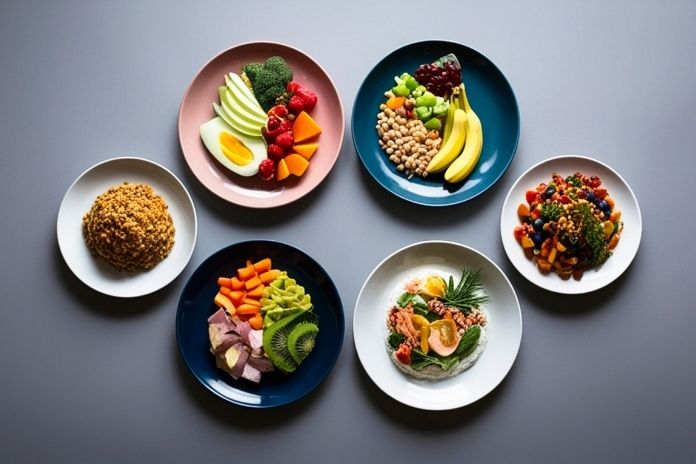
Toning requires the right nutritional support. Many fundamentals are identical for men and women, but a few differing considerations are worth noting.
Protein
- Both men and women aiming to tone and build lean muscle should aim for roughly 1.2–2.0 g protein per kilogram of body weight per day (depending on training intensity, goals, nutrition status).
- This target applies broadly regardless of gender, though absolute grams will differ (a 90 kg man and a 60 kg woman obviously have different totals).
Calories
- Because men generally have greater muscle mass, a higher resting metabolic rate, and greater total energy expenditure, they often need more calories to maintain weight while toning (or a larger calorie deficit if their goal is fat loss.
- Women often require a lower calorie intake, but still need a balanced deficit (or maintenance) so that the body has the energy to recover and build lean muscle.
Micronutrients and Other Considerations
- For women, iron, calcium, folate, vitamin D, and magnesium are particularly important due to menstruation, bone health, and concerns related to pregnancy/fertility. For example, strength training offers additional benefits for improving bone density in women.
- For men: Ensuring adequate zinc and magnesium may support testosterone production and recovery (though the differences are more subtle).
- Hydration, fibre, and healthy fats, essential for both genders.
Fat Loss and Body Composition
- Since toning often involves reducing fat to reveal muscle definition, both men and women benefit from nutrient-dense diets and a moderate caloric deficit if needed.
- The key is not to overrestrict calories to the point where recovery and muscle synthesis suffer.
Sample Toning Workouts for Men and Women

Here are sample routines for toning, generally separate by focus, but flexible. Remember: the real difference isn’t strictly gender, but goals and individual preferences.
For Men, Focus: Strength + Definition
- Push-ups (standard or elevated), 3 sets of 8–12
- Pull-ups or inverted rows, 3 sets until near failure
- Squats (barbell or dumbbell), 3 sets of 8–12
- Lunges (walking or stationary), 3 sets of 10 per leg
- Plank to shoulder taps, 3 sets of 30-45 s
- Dumbbell curls and triceps dips (superset), 2-3 sets of 10-12 each
For Women, Focus: Sculpting + Endurance
- Glute bridges or hip thrusts, 3 sets of 10-15
- Lateral lunges, 3 sets of 10 per side
- Shoulder presses (dumbbell or barbell), 3 sets of 8-12
- Mountain climbers, 3 rounds of 30-45 s
- Side planks + core twists, 3 sets of 30 s each side
- Deadlifts (dumbbell or barbell), optional, 3 sets of 8–12
Note: Either gender can actually use either routine. The main point: full-body movements, compound lifts, moderate reps (8–12) suited for toning, progressive overload, and balanced training.
Read More: How to Get a Toned Body
Myths About Men and Women’s Toning Workouts
Let’s bust some common myths:
- Myth: Women should only do cardio to tone their bodies.Truth: Strength/resistance training is key for tone and metabolism. Numerous sources confirm that lifting weights helps women build leaner bodies, not bulky ones.
- Myth: Men need extremely heavy weights to see results.Truth: Yes, heavier weights help, but form, consistency, and progressive overload matter more than just maximum load.
- Myth: Women will “bulk up” if they lift heavy.Truth: Because of hormonal environments (lower testosterone), women naturally have much lower potential for large hypertrophy unless they train intensely and eat specifically for that.
- Myth: Spot reduction (targeting fat loss in a specific area) is effective.Truth: Fat loss is systemic; you can target muscle development in an area (say, glutes or arms), but you can’t force fat loss in just one spot.
Key Takeaway
At the end of the day, the best toning plan isn’t about gender; it’s about consistency, smart training, nutrition, recovery, and progressive improvement. Men and women may respond differently in terms of speed, appearance of results, fat distribution, and muscle size due to hormonal and physiological differences. But the pathway to strength, definition, and lean muscle is universal.
If you focus on:
- Full‐body resistance training
- Using weights (you can progressively increase strength)
- Eating enough protein and nutrients
- Maintaining a moderate calorie deficit (if fat loss is desired)
- Getting good recovery and sleep
…you’ll be on track to tone up, whether you’re male or female.
“Tone” is not a gender-specific feature. Whether you’re a man or a woman, you can develop lean muscle, reduce body fat, and look defined. The differences are mostly in hormonal milieu, fat storage patterns, and visual outcomes, not in whether you can tone up, but in how you approach it.
Stay focused on training that challenges you, support your body with nutrition and rest, and you’ll be well on your way.
FAQs About Toning Workouts for Men and Women
Q: Can women build tone without gaining bulk?
Yes, absolutely. Because women have lower testosterone, the chances of ‘bulking up’ (in a bodybuilder sense) are very low unless they train and eat specifically for hypertrophy.
Q: Do men and women need very different protein intake levels?
Not fundamentally. Both need adequate protein (around 1.2-2.0 g/kg body weight is a good guideline), though absolute amounts will differ based on body weight, muscle mass, and training intensity.
Q: Should men and women train differently for abs?
Not hugely. Core training is core (no pun intended) for both. The difference might come in how much you do, variation, and overall body‐fat level (since abs show more clearly when body fat is lower). Both genders benefit from compound lifts that indirectly challenge the core (such as squats, deadlifts, and overhead presses).
Q: Is cardio necessary for muscle tone?
Cardio can help with fat loss (thus revealing muscle definition). But it is not a substitute for resistance training. For true tone, you need resistance training, fat control, and a balanced diet. Many professionals note that strength training has major fat-loss and metabolic benefits.
Q: How long does it take to see visible toning results?
That depends on your starting point, genetics, training history, diet, and consistency. Many beginners notice feeling stronger or leaner after 4-8 weeks; visible definition may take 8-16 weeks or longer, depending on the amount of fat‐loss needed. Remember: don’t compare yourself to others, track your own progress.
References
- https://www.mdanderson.org/cancerwise/why-muscle-toning-is-a-myth.h00-159464001.html
- https://fgaestheticsandmedicine.com/fg-aesthetics-and-medicine/understand-muscle-toning-how-it-works/
- https://www.medicalnewstoday.com/articles/319151
- https://pmc.ncbi.nlm.nih.gov/articles/PMC8071570/
- https://www.health.harvard.edu/staying-healthy/building-better-muscle
- https://www.sciencedirect.com/topics/medicine-and-dentistry/muscle-tone
- https://www.menshealth.com/uk/building-muscle/a37009576/hypertrophy/
- https://sport.port.ac.uk/news-events-and-blogs/blogs/health-and-fitness/7-stages-of-muscle-growth
- https://pmc.ncbi.nlm.nih.gov/articles/PMC12037481/
- https://www.frontiersin.org/journals/neuroscience/articles/10.3389/fnins.2024.1511783/full
- https://pubmed.ncbi.nlm.nih.gov/11101268/
- https://health.clevelandclinic.org/nutritional-needs-for-men-and-women
- https://pmc.ncbi.nlm.nih.gov/articles/PMC11271261/
- https://www.bannerhealth.com/healthcareblog/teach-me/why-women-shouldnt-eat-the-same-way-men-do
- https://www.mdpi.com/2072-6643/16/23/3979
In this Article