











When discussing gut health and probiotics, yogurt often dominates the conversation, but is it truly the winner here? It is comforting, convenient, and commonly found, but is it the best of all the probiotic foods available?
Let’s burst the bubble for you. Many fermented foods offer a greater diversity and quantity of probiotics than yogurt. From spicy kimchi to tangy kefir, nature has a lively menu of natural probiotic foods that aid your digestion, immune system, and even your mental health.
Here, we highlight 8 fermented foods with higher probiotics than yogurt, including non-dairy probiotic foods and special ones from around the world. Read on to learn more!
Why Probiotics Matter
Probiotics are live bacteria and yeasts that are good for you, especially your digestive system. They’re associated with:
- Better digestion and relief from constipation or bloating
- More robust immune function
- Improved skin texture and health
- Improved mental health, such as fewer symptoms of anxiety and depression
These probiotic bacteria are also crucial for controlling systemic inflammation and supporting a healthy, strong gut microbiome, a foundation of overall well-being.
Read More: Why Probiotics Might Not Work Without Prebiotics: How to Maximize Gut Health
Yogurt: A Good Start, But Not Always the Best
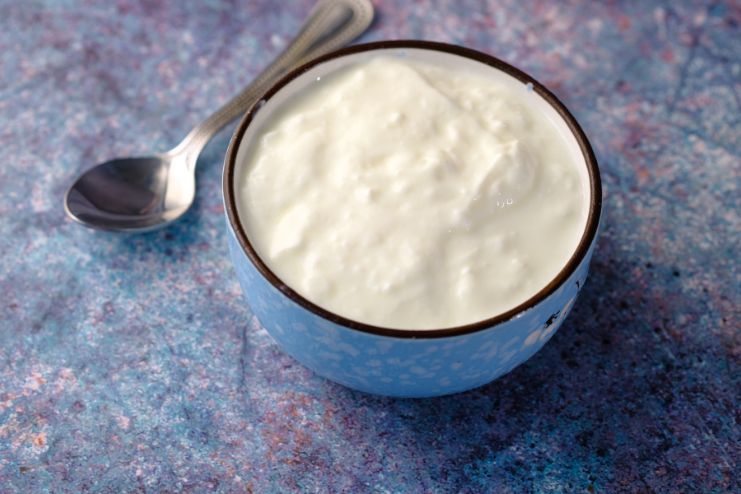
Yogurt is a good place to start with probiotic consumption. It generally includes Lactobacillus and Bifidobacterium strains. Yogurt typically contains between 10 million and 10 billion colony-forming units (CFUs) per cup. CFUs are colony-forming units, a measure of live bacteria. However,
- Probiotic variety may be limited
- Processing and pasteurization may reduce the number of active cultures
- Flavored yogurts can be packed with added sugars that reverse gut benefits
So, although yogurt helps with gut health, moving to other high-probiotic foods can significantly increase your microbiome diversity. Let’s review some of them.
8 Probiotic-Rich Options To Replace Yogurt
Here are the top 8 foods that are excellent sources of probiotics, aside from yogurt.
1. Kefir
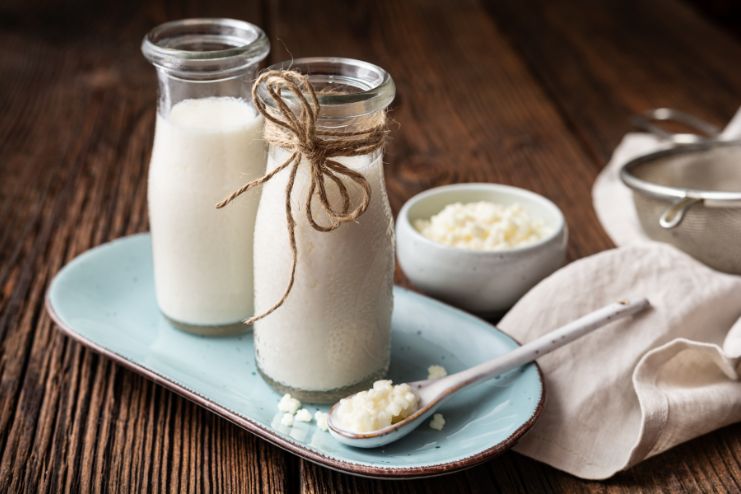
Kefir is a fermented milk beverage created by adding kefir grains (a blend of bacteria and yeast) to milk. It holds as many as 30–50 strains of useful microbes, many more than yogurt.
- High in Lactobacillus kefiri, yeasts, and acetic acid bacteria
- It could help in the digestion of lactose
- Approximated to have up to 2.5 trillion CFUs per cup
It has a tangy flavor and drinkable consistency — ideal for smoothies or as a refreshing drink.
2. Sauerkraut (Raw & Unpasteurized)
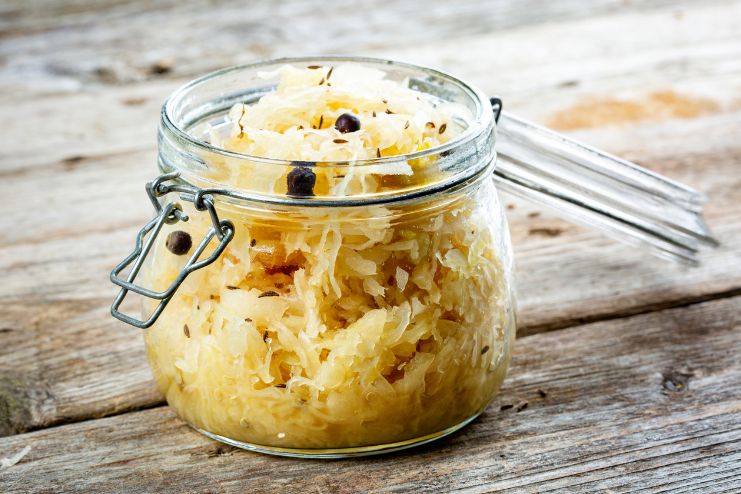
Produced from fermented cabbage, raw sauerkraut contains Lactobacillus plantarum and other lactic acid bacteria.
- Rich in probiotics, vitamin C, and digestive enzymes
- Provides sauerkraut gut health benefits such as enhanced bowel regularity
- Needs to be raw and unpasteurized for live cultures
- Two tablespoons of sauerkraut can have a mean of 5 million CFUs
Use it as a topping for salads, wraps, or grain bowls.
3. Kimchi
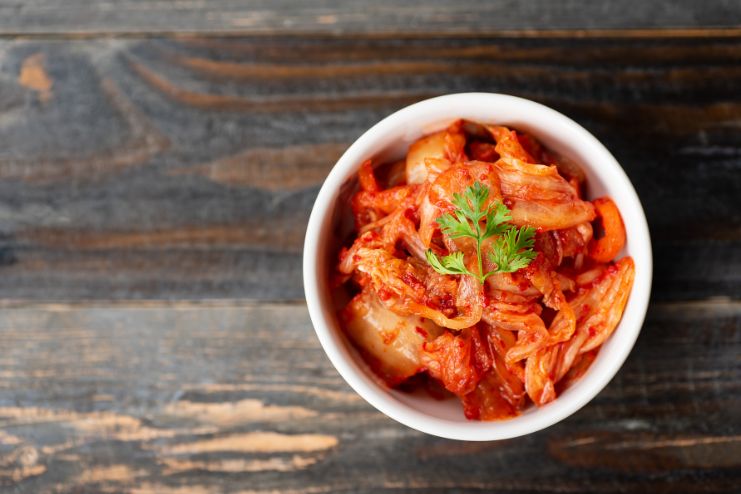
Kimchi is Korea’s legendary side dish made with fermented napa cabbage, radishes, garlic, and spices.
- Includes Lactobacillus sakei, L. brevis, and L. plantarum
- Provides prebiotic fiber and antioxidants
- Helps control weight, improves the diversity of the gut microbiome, and the immune system
- Kimchi is rich in lactic acid bacteria (LAB), with 14 billion CFUs per tablespoon. These LAB, mostly derived from spontaneous fermentation, are responsible for the distinct flavor of kimchi and its potential probiotic effect.
It’s a spicy, sour condiment that pairs perfectly with rice dishes, noodles, or scrambled eggs.
Read More: Gut Health and Diet: Foods that Promote a Healthy Digestive System
4. Miso
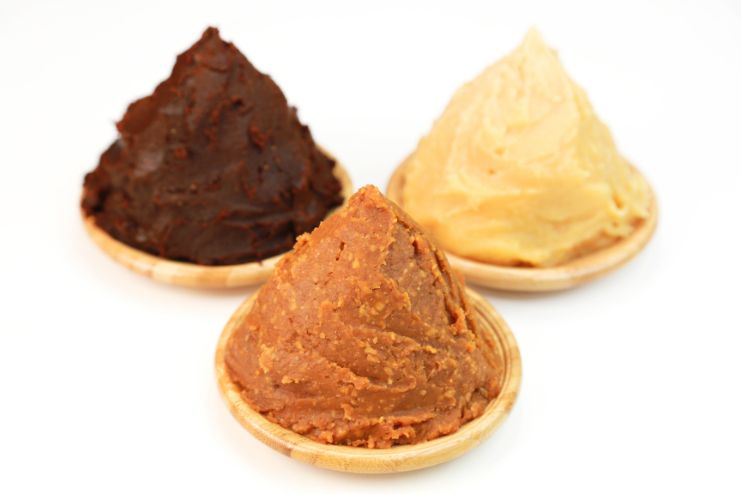
Miso is a fermented soybean paste used as an ingredient in Japanese cuisine. Made of Aspergillus oryzae, it’s a source of Lactobacillus strains and digestive enzymes.
- Supports gut health and digestion
- High in protein, copper, and manganese
- Contributes umami flavor to soups, dressings, and marinades
- The number of CFUs varies depending on the type of miso and its storage conditions.
To retain its live cultures, do not boil your broth after adding the miso. Instead, stir it into hot broth.
5. Tempeh
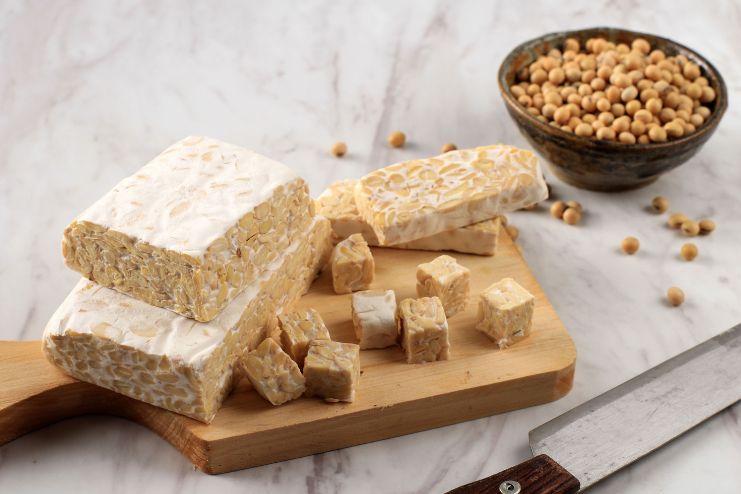
Tempeh is a nutty, firm fermented soy product — and a winner among probiotic non-dairy foods.
- Fermented using Rhizopus molds
- Rich in probiotics, fiber, and whole plant protein
- May benefit cholesterol regulation and bone health
- In retail tempeh, the colony-forming unit (CFU) counts vary but tend to be high in most samples, particularly for lactic acid bacteria. Aerobic plate counts tend to be greater than 10 million CFUs per gram. A standard one-cup serving contains 2.4 billion CFUs of aerobic plates and lactic acid bacteria.
Tempeh can be grilled, sautéed, or crumbled into tacos and grain bowls.
6. Natto
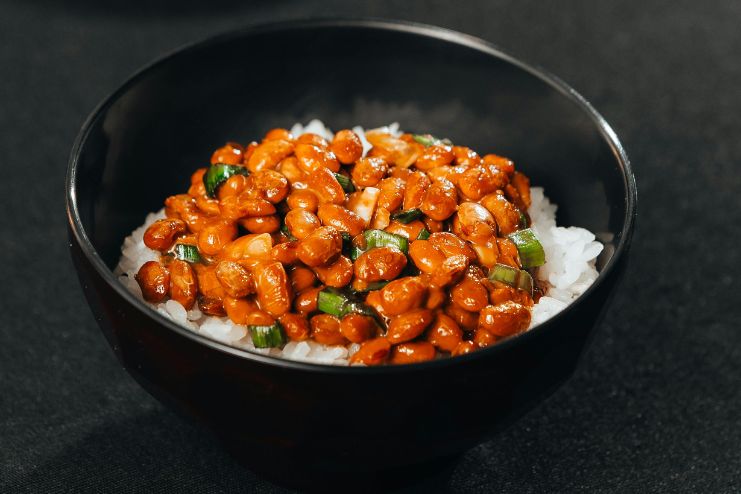
A traditional breakfast staple in Japan, natto is fermented soybeans using Bacillus subtilis.
- Has vitamin K2, which is important for heart and bone health
- Slimy texture and pungent flavor — an acquired pleasure
- Provides distinct probiotic strains not present in dairy
- A gram of lyophilized natto powder contained approximately 3.84 trillion CFUs per cup, and fresh natto has 24 billion CFUs per cup.
Serve with rice or pair with mustard and green onions for traditional zing.
7. Kombucha

Kombucha is a carbonated fermented tea brewed with black or green tea, sugar, and a SCOBY (symbiotic culture of bacteria and yeast).
- Has acetic acid bacteria, gluconobacter, and yeasts
- May aid digestion, liver health, and antioxidant defenses
- Best in low-sugar, unflavored varieties
- Kombucha contains 1 billion to over 5 billion per serving
Look for “raw” or “unpasteurized” for a live probiotic effect while selecting kombucha.
Read More: The Rise of Postbiotics: What They Are and Why They Matter
8. Buttermilk (Traditional, Not Bottled)
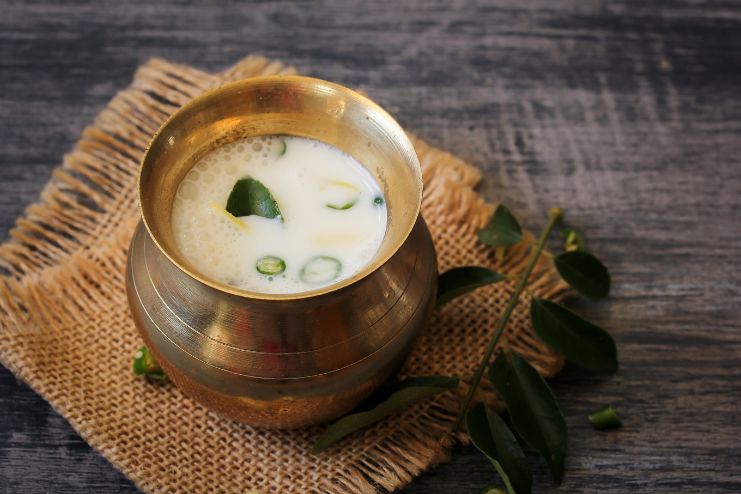
Buttermilk is the liquid residue of churning butter. It is also consumed as a spicy beverage by adding water, yogurt, and spices such as cumin or cardamom.
- Easier to digest than thick yogurt
- Generally richer in probiotic numbers, particularly when freshly prepared. Buttermilk typically contains more probiotics than yogurt, as it’s the liquid residue of churning butter, a process that yields live cultures and a unique fermentation process.
- In contrast, yogurt, which also contains probiotics, is a fermented milk product, and the method of fermentation can vary, resulting in different final probiotic quantities and qualities.
- Buttermilk is cooling to the gut and aids digestion
Homemade or freshly prepared buttermilk, mildly salted or spiced, is your best option. Additionally, buttermilk is quite versatile; you can use it in your cooking to knead dough or add it to curries.
Tips to Get the Most From Your Probiotic Foods
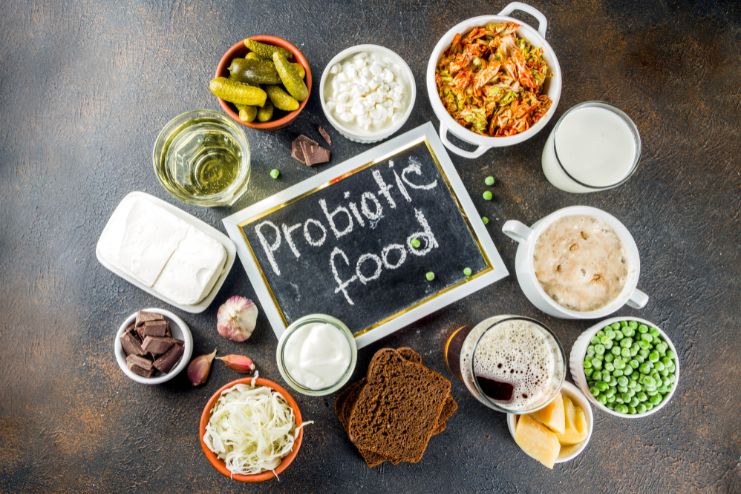
To get the most from these probiotic foods that are fermented:
- Select raw, unpasteurized, and refrigerated products
- Select those with labels indicating “live and active cultures.”
- Avoid those with added sugars or preservatives
- Cycle through your sources to nourish multiple strains in your microbiome
- Variety is the key — there isn’t one food that contains all the strains you require.
Final Thoughts
If you’re only depending on yogurt for your probiotics, you’re missing out. These other gut-friendly foods sometimes offer more probiotics than yogurt, and also add texture, culture, and flavors to your plate.
If you’re someone who is intolerant to yogurt or simply doesn’t like the taste and smell, these options can be a great alternative. Try experimenting with various sources and incorporating them into your diet throughout the day for optimal results.
Explore global cuisines, ferment on your own if you’re feeling adventurous, and mix up your plate. A happier, healthier gut could be just a few bites down the road. And, your skin, mood, and immunity may thank you for it.
References
- https://pmc.ncbi.nlm.nih.gov/articles/PMC4626640/
- https://www.ayurveda-products.eu/content/ayurvedic-lifestyle-and-recipes/recipes/probiotic-lassi-ayurvedic-fitness-drink-for-the-gut
- https://www.webmd.com/diet/the-truth-about-kombucha
- https://www.sciencedirect.com/science/article/abs/pii/S2212429221004570
- https://pmc.ncbi.nlm.nih.gov/articles/PMC9616652/
- https://pmc.ncbi.nlm.nih.gov/articles/PMC9731531/
- https://integrativerd.org/difm/resources/article-archives/raw-sauerkraut-as-probiotic
- https://www.tandfonline.com/doi/full/10.1080/10408398.2023.2170319
- How Much Probiotics Are in Kimchi? Unpacking the Fermented Wonder – CYMBIOTIKA
- The Best Fermented Foods for Gut Health | Best Foods For Gut Health
- https://cymbiotika.com/blogs/health-hub/how-many-probiotics-are-in-kombucha-exploring-the-fermented-beverages-gut-benefits
In this Article