










Living past 100 requires more than just luck or rare genetics. In 2021, the United States recorded around 89,739 centenarians, just 0.027% of the population, yet that number has steadily increased over the past two decades. This growing group offers valuable insight into what truly supports a long life.
Much of what we know comes from the world’s Blue Zones, five regions where people routinely live beyond 100 in good health. Journalist Dan Buettner identified these regions after studying communities where people with similar lifestyles lived the longest. These centenarians don’t follow extreme diets or trendy workout programs. They stick to simple routines repeated daily.
These routines organically incorporate nutritious eating, movement, quality sleep, stress relief, and social connection into each day. Over time, these habits support brain health and emotional well-being while reducing the risk of chronic disease. In this article, we’ll explore the essential weekly routines that create longevity and show how anyone can realistically adopt them.
Read More: 9 Daily Habits That People in Blue Zones Swear By for a Longer Life
1. They Maintain Light, Frequent Movement (Not Just Gym Workouts)
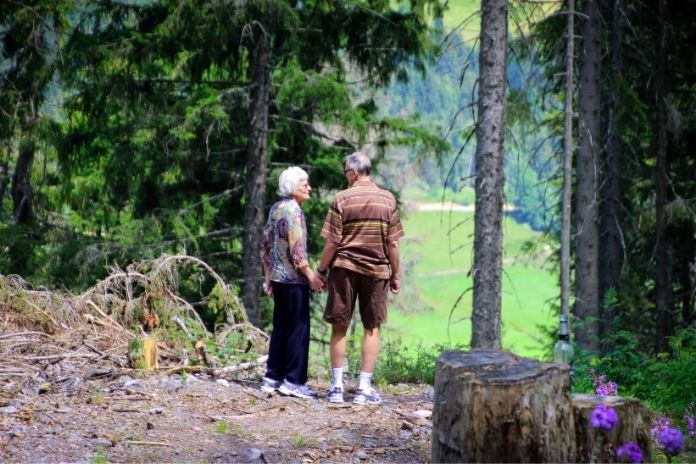
Centenarians rarely push themselves through intense gym sessions or follow strict exercise programs. Yet staying physically active throughout life, even into old age, is linked to both longer lifespan and better health. According to a National Institutes of Health study, just 2.5 hours of moderate exercise per week can increase life expectancy by 3.4 years.
In Blue Zones, people don’t spend hours commuting by car or sitting at desks all day. They live in small, close-knit communities where physical activity is naturally woven into daily life.
The Okinawa Centenarian Study tracked residents of a Japanese village with one of the world’s highest concentrations of centenarians. Researchers found the majority had “impressively young, clean arteries” because they stayed physically active throughout their lives while maintaining other healthy habits.
The key: they built movement into their day naturally. Walking to the market, tending gardens, climbing stairs, and doing household chores kept them active without formal exercise routines. No weight lifting sessions or 5K runs required.
2. They Prioritize Social Connection Every Week

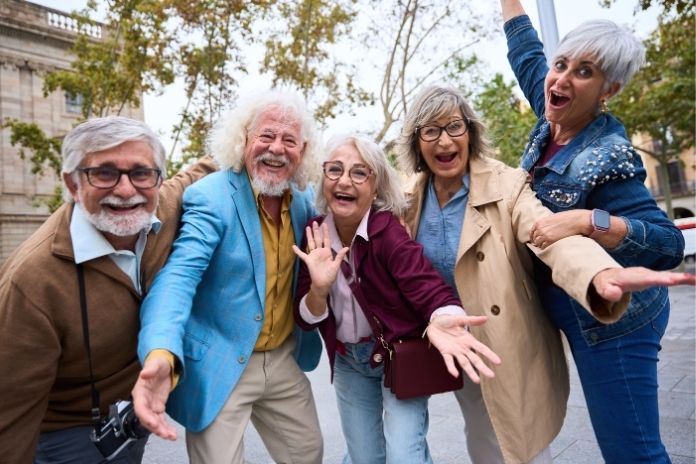
Social support is essential for longevity and good health, helping prevent conditions like dementia. In Okinawa, people practice a tradition called moai, where they form lifelong friend networks that provide support through life’s ups and downs.
You can adopt this practice by scheduling regular social time with a close group of friends. Meet for coffee, take a walk together, share a meal, or connect over video calls if distance is an issue. The format matters less than the consistency. What builds strong social bonds is showing up reliably, week after week.
3. They Spend Time Outdoors (Sunlight, Nature, Fresh Air)
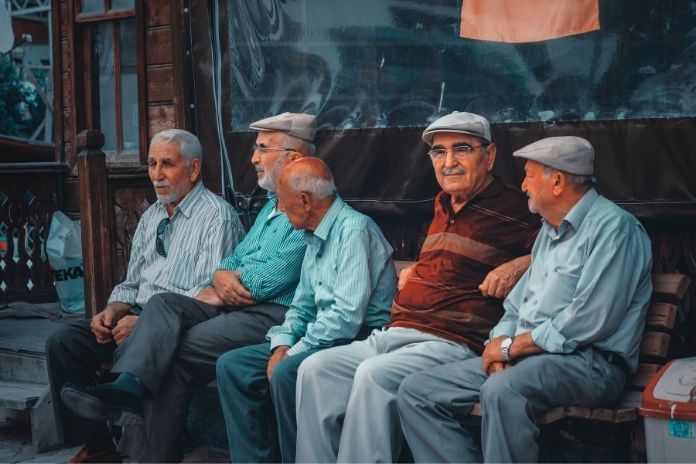
Centenarians spend significant time outside, incorporating nature and sunlight into their weekly routines. Living in small, rural communities gives them access to open spaces perfect for walking or gardening. The air is clean, and daily tasks like visiting neighbors, commuting to work, or running errands happen on foot.
Why is being outside so helpful?
“Multiple factors come into play,” says Dr. Dilip Jeste, MD, distinguished professor of psychiatry and neurosciences and director of the Sam and Rose Stein Institute on Aging at the University of California, San Diego.
While some may partly credit vitamin D from sunshine for lengthening life, he believes that other factors may have more to do with it.
“When you’re outdoors, you’re being active,” he says, whether you’re gardening or walking to or from somewhere. “You’re also looking at trees and nature. You’re more apt to interact with other people than to feel isolated. All this can promote happy feelings.”
4. They Practice Stress-Reduction Rituals
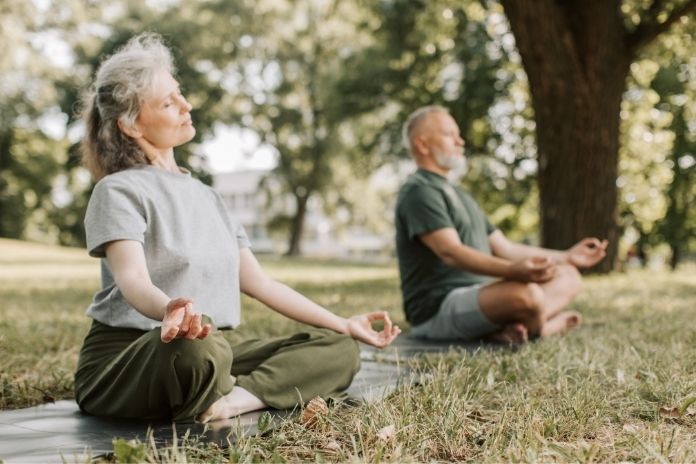
People who live to 100 intuitively understand that managing stress is vital for long-term health. In one study, 36% of centenarians reported engaging in weekly stress-relieving activities like meditation.
Chronic stress takes a serious toll on the body. It elevates cortisol levels, promotes inflammation, disrupts sleep, and harms cardiovascular health. Over time, stress accelerates biological aging.
Simple practices like meditation or even taking slow, deep breaths for a few minutes can activate the parasympathetic nervous system. This lowers heart rate, relaxes blood vessels, and counteracts the physical effects of stress.
Read More: Blue Zones Diet Can Help Improve Your Life Span
5. They Follow an Anti-Inflammatory Eating Pattern (Without Strict Dieting)
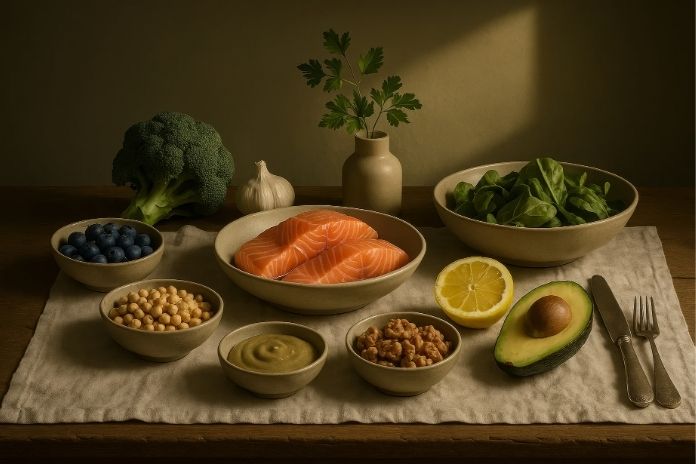
Centenarians don’t chase dietary trends or follow strict meal plans. Instead, they eat in a way that consistently nourishes their bodies while naturally reducing inflammation.
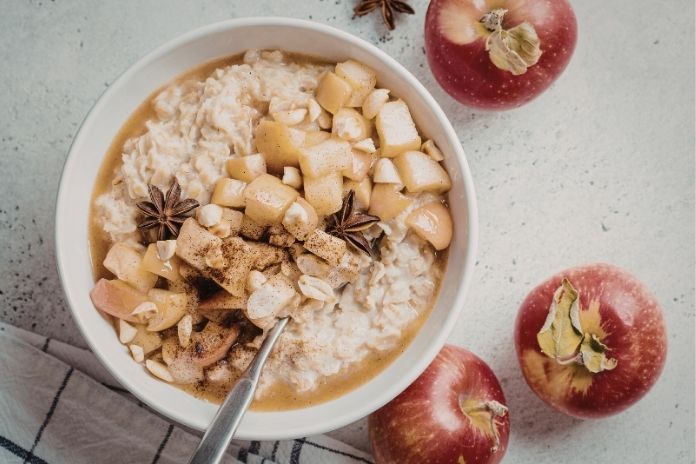
Nuts are a staple in many Blue Zone regions. They’re not only delicious and versatile but also packed with nutrients, fiber, and healthy fats. In fact, they’re among the best foods you can eat for heart health.
The Mediterranean diet, which supports healthy aging and longevity, has been a way of life in Ikaria, Greece (one of the five Blue Zones) for generations. Research shows this eating pattern may slow aging by preventing inflammation, which otherwise accelerates telomere shortening.
Telomeres are protective caps at the ends of your chromosomes. Their length directly influences how your cells age. The longer your telomeres, the better your cells can function and resist aging.
Studies show that following a Mediterranean diet can prevent typical age-related brain shrinkage and reduce cardiovascular disease risk by 50% over 10 years.
6. They Make Sleep a Non-Negotiable Priority
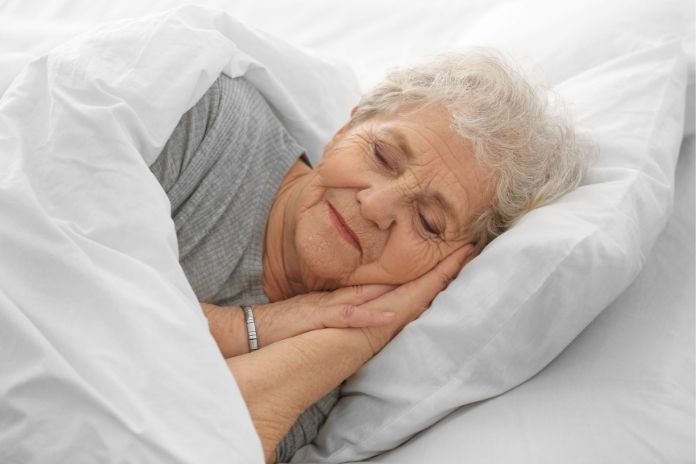
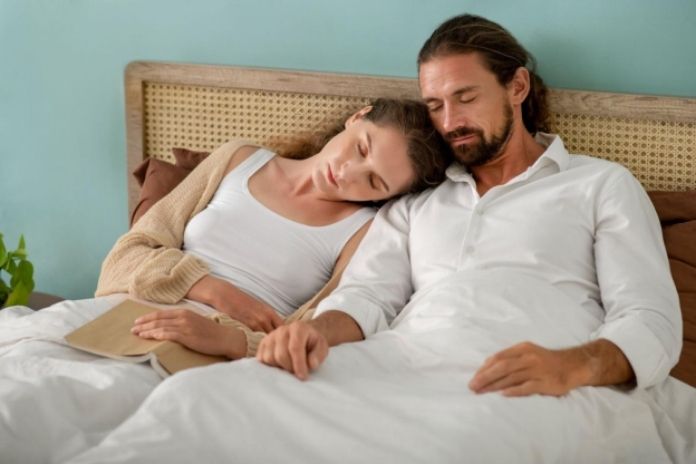
Centenarians view sleep as essential to good health, not a luxury to compromise. Quality sleep supports nearly every bodily system, including immunity, metabolism, memory consolidation, and cellular repair.
Adequate sleep improves health outcomes across the board, while sleep deprivation worsens them. Sleep is crucial for your immune system to fight infections and disease. Research by Michiaki Nagai found that people who slept 6 hours or less, or 9 hours or more per night, had an age-adjusted death rate up to 1.7 times higher than those who slept 7 to 8 hours.
Deep sleep and REM (rapid eye movement) sleep reshape the brain’s neural structure by forming new connections for learning and eliminating unnecessary ones that represent mental noise.
Getting enough sleep also helps us regulate hunger and make healthier food choices. In fact, adequate sleep functions as a powerful tool for weight management on its own. By making sleep non-negotiable, centenarians support long-term brain health, emotional stability, and hormonal balance, all crucial factors that quietly but significantly increase longevity.
7. They Maintain a Strong Sense of Purpose (“Ikigai”)
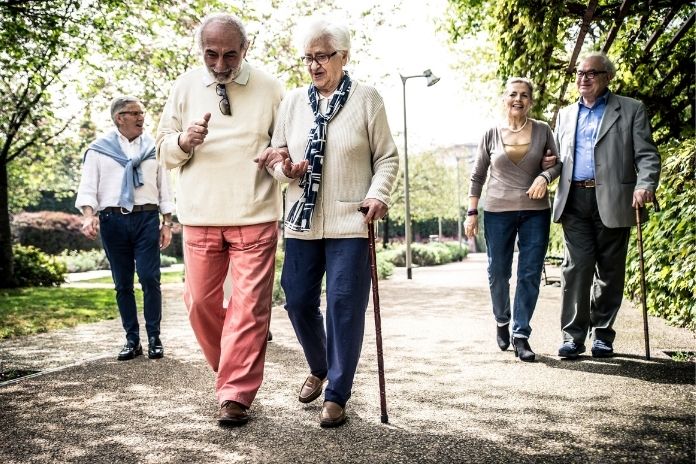
Finding your life’s purpose may not seem like the typical way to unwind after a demanding day. However, the ancient Japanese concept of “ikigai” suggests that purpose itself can be deeply restorative and may even contribute to a longer life.
Ikigai, often translated as “a reason for being,” represents the intersection of your passions, strengths, and values. Research shows that people with a clear sense of ikigai tend to live longer, happier, and more fulfilling lives.
This sense of purpose is evident throughout Blue Zone communities, where older adults remain actively engaged well into their later years. Elders stay busy attending family gatherings, caring for great-grandchildren, or practicing culturally meaningful skills that give their days structure and meaning.
In northern Okinawa villages, many older women practice traditional basho-fu weaving, a prized art form. Researchers from the Okinawa Centenarian Study found that 78 of 94 women (age 65 or older) they surveyed were involved in some aspect of the production process, whether weaving, dyeing, spooling, or washing fibers.
“Traditional basho-fu weaving helps older women remain vital and actively involved members of society as healthy, productive individuals, a role which is culturally approved and gains new moral weight in Japan’s aging population,” the researchers wrote.
Read More: Daily Rituals of People Who Live to 100 (Backed by Science)
8. They Protect Their Mental Health Weekly
Centenarians don’t wait for stress or burnout to strike. They actively safeguard their mental health through regular mental care, incorporating cognitive well-being into their weekly routines as an ongoing practice.
You can maintain cognitive abilities and promote healthy aging by taking community classes, joining clubs at your place of worship, or picking up new hobbies. It’s never too late to learn new skills.
Healthy aging is significantly influenced by cognitive function, particularly in the context of schooling. “Scientists have found that pursuing more education leads to higher ‘cognitive reserve,’” Dr. Meredith Bock, board-certified neurologist, says.
“This is your brain’s ability to solve problems, improvise, and find alternative ways to accomplish tasks.”
9. They Drink Alcohol Sparingly (or Not at All)

Centenarians approach alcohol with moderation and intention, not as a daily habit or coping mechanism. In Blue Zone regions, alcohol (most commonly wine) is consumed sparingly and primarily in social settings.
As you age, your body processes alcohol differently. Consuming more than three alcoholic drinks daily can lead to brain shrinkage and problems with memory and concentration.
This doesn’t mean you can’t enjoy an occasional glass of wine. The key is being mindful of how much and how often you drink. Drinking intentionally and moderately may actually help you appreciate and enjoy alcohol more when you do choose to have it.
10. They Monitor Their Health in Small, Consistent Ways
Centenarians rely less on occasional doctor visits and more on quiet, regular self-monitoring to stay in tune with their bodies.
In one survey, 28% of centenarians reported engaging in weekly indoor cardiovascular activity. Cardiovascular exercises like swimming, cycling, and running improve oxygen delivery, blood flow, and overall endurance, all linked to longer lifespans.
Research shows that higher VO2 max (a measure of cardiorespiratory fitness) is associated with lower risk of death from any cause, including cancer and cardiovascular disease. As one centenarian in the study said, “I think the key to staying healthy is keeping active.”
Another way to monitor your health is through mindful eating. According to 67% of centenarians surveyed, eating healthily is essential for healthy aging, not just a nice recommendation.
Growing evidence links diets high in ultra-processed foods to increased mortality, heart disease, stroke, and cognitive decline. Whole foods like fruits, vegetables, and nuts support cardiovascular and brain health by lowering inflammation, improving blood sugar regulation, and supplying nutrients that protect cells from oxidative stress.
Read More: Why Being Shorter Could Be Linked to a Longer Life: What the Research Really Shows
11. Apply the 80% rule
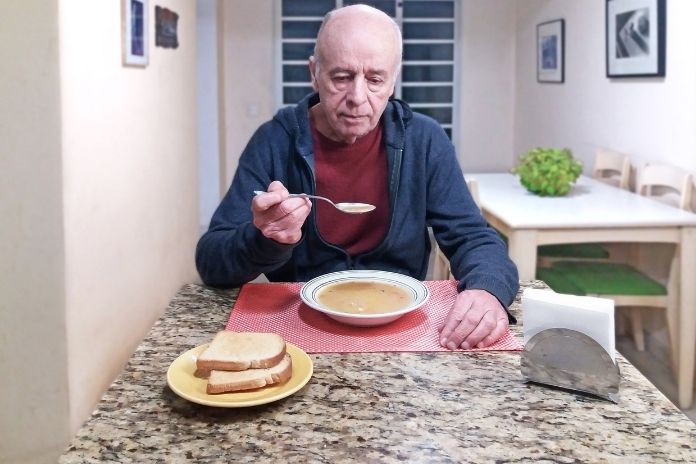
Okinawa, Japan, is home to a Blue Zone community with the world’s highest number of female centenarians. Their remarkable longevity stems from various dietary and lifestyle factors, but one key concept is “hara hachi bu.” This Confucian-inspired practice reminds you to stop eating when you’re 80% full.
In practice, this means finishing your meal when you’re satisfied, not stuffed. It encourages mindful eating and helps prevent overeating, accounting for the delay between when your stomach is full and when your brain registers that fullness.
12. They Keep Their Home and Environment Active & Organized

Centenarians create home environments that naturally encourage daily movement and engagement. Rather than prioritizing convenience and outsourcing tasks, they stay involved in maintaining their homes and surroundings throughout the day.
Cooking alone involves numerous small movements: standing, chopping, reaching up and down, shifting items, and moving ingredients. These small motions add up over time, contributing significantly to daily physical activity.
Gardening is another common habit that combines moderate physical labor with outdoor exposure and mental calm. Activities like digging, watering, and tending plants improve flexibility, strength, and balance without feeling like formal exercise. The purposeful nature of these activities makes them easier to maintain long-term.
These “environment-level habits” naturally reduce sedentary behavior. When your home setup encourages walking to nearby stores instead of ordering delivery, doing household tasks yourself, or shopping in person, physical movement becomes automatic rather than forced.
Read More: Hobby-Based Movement: Turning Everyday Activities into Fitness Opportunities
Conclusion
Extreme discipline or perfect genes aren’t required for longevity. Instead, it comes from regular, weekly habits that quietly support your body and mind. Centenarians focus on doing less, more often, prioritizing what matters over time rather than chasing perfect routines or strict rules.
Regular movement, nutritious eating, quality sleep, stress management, mental engagement, and purposeful activity might seem small individually. But together, practiced consistently over decades, they create extraordinary results.
The biggest lesson from long-living populations is this: consistency matters far more than perfection. When healthy practices become routine, missed days, adjustments, or occasional indulgences don’t derail your progress. These approaches are flexible, realistic, and accessible to people of any age in today’s world.
References
- Emily Laurence. (2023, May). 7 morning habits that can help you live to be 100.
- EatingWell. Jessica Ball, M.S., RD. (January 10, 2022). Things to do every day to help you live to 100.
- Bernadette Mazurek Melnyk. (2023, May 17). 8 evidence-based tips to live to a healthy 100.
- Karen Fittall. (February, 2018) Healthy habits of people who live to 100.
- Tanner Garrity. (October 21, 2021). 100 ways to live to 100: A definitive guide to longevity fitness.
- Joanne Chen. (Updated on Jul. 26, 2024). 11 things people who live to 100 have in common.
- Health.com. Kristen Fischer. (2025, December 11). 6 things people who live to 100 do every week to stay healthy.
- Louis-François Bouchard. (2021, December 11). Why should you sleep for 8 hours?
- Red Bull. Stuart Kenny. (2019, February 04). Is Ikigai the secret to a longer, happier life? The science says yes.
- Ria Bhagwat. (2025, September 22). 9 habits that’ll help you live to 100, according to longevity experts.
- Leaves Personal Care. Top tips for living to 100.
In this Article