















In our fast-paced modern world, maintaining optimal health while avoiding toxins can be challenging. With increasing environmental pollution, consumption of processed foods, and daily stress, detoxifying your body has become more crucial than ever.
Among the most natural and effective ways to support your body’s detoxification process are herbal detox teas. These botanical beverages have gained popularity as a preferred remedy for those seeking wellness and harmony, thanks to their soothing properties and rich antioxidant content.
Detox teas are specialized herbal blends designed to enhance the body’s natural cleansing mechanisms. These teas aid in the elimination of harmful substances from vital organs like the liver, kidneys, and colon, helping maintain peak bodily function.
These therapeutic beverages incorporate various cleansing herbs that work together to support the body’s toxin-processing organs.
Read More: 4 Morning Detox Drinks You Can Make in 2 Minutes or Less
1. Peppermint Tea: Cooling and Cleansing

Peppermint has been cherished throughout history for both its distinctive flavor and medicinal benefits. Today, this versatile herb remains a key ingredient in numerous consumer products, from dental care items to confectionery and beverages.
Peppermint tea, beloved for its refreshing taste, offers numerous potential health benefits beyond its delightful flavor profile. This aromatic beverage is crafted by steeping fresh or dried peppermint leaves in hot water, while its cousin, spearmint tea, follows a similar preparation method using spearmint leaves.
During the steeping process, peppermint leaves release their essential oils, including menthol, menthone, and limonene, which create the tea’s characteristic taste and invigorating scent. These compounds work in harmony to deliver the tea’s signature cool, minty, and energizing flavor experience.
This time-honored herbal infusion has earned a reputation for its ability to soothe digestive discomfort. The active compounds in peppermint oil can effectively relax the muscles within your digestive system, providing relief from common issues like indigestion, bloating, and excessive gas.
For those dealing with leaky gut syndrome, peppermint tea stands out as an excellent choice, and research suggests it may also help alleviate symptoms associated with irritable bowel syndrome (IBS). Additionally, peppermint tea is recognized for its inherent anti-inflammatory and antibacterial qualities.
2. Ginger Tea: Warmth and Digestive Support

The bioactive compounds present in ginger, particularly shogaols and gingerols, are associated with various health-promoting properties. Incorporating ginger tea into your wellness routine may offer significant benefits. This versatile beverage can be prepared using either fresh ginger root or dried ginger.
Throughout history, ginger has been utilized as a traditional remedy across cultures. One of the most accessible ways to harness its benefits is through tea, whether using convenient tea bags or fresh ginger root.
Recent studies have shown that ginger demonstrates effectiveness in alleviating motion sickness, nausea, and vomiting, particularly in cases related to chemotherapy and pregnancy. It’s worth noting that the concentrations and forms of ginger used in scientific research may differ from those typically found in a cup of ginger tea.
Research has shown that ginger contains powerful antioxidant compounds and demonstrates antiproliferative effects against certain cancer cells, with particular effectiveness against pancreatic and colon cancer cells.
When brewed into a tea, the essential phytonutrients in ginger known as gingerols have been scientifically proven to possess antibacterial and anti-inflammatory capabilities that can help maintain a balanced and healthy gut microbiome.
To brew a perfect cup of ginger tea, simply steep fresh or dried ginger in hot water for several minutes, allowing its beneficial oils to infuse the water before enjoying.
Read More: DIY Herbal Teas: 7 Home Remedies to Soothe Common Ailments
3. Dandelion Root Tea: Liver Support and Detoxification
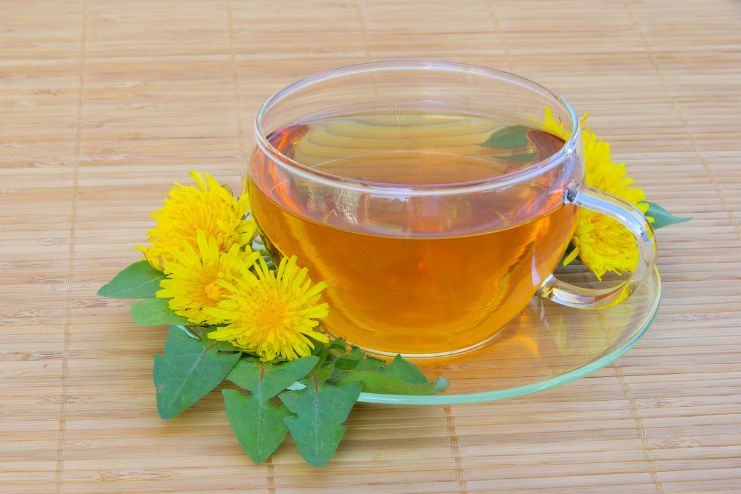
Throughout recorded history, dandelions have been utilized in various culinary applications, particularly in tea form. The root has traditionally been employed to address multiple conditions including intestinal gas, gallstones, joint pain, skin inflammation, bruising, muscle soreness, and decreased appetite. It also functions as a natural laxative, promoting regular bowel movements while enhancing urinary output.
Many people turn to dandelion as a natural treatment for various infections, including viral conditions, and even as a complementary therapy for cancer. It’s frequently used to enhance digestive health, purify blood, and improve skin condition.
As a natural diuretic, dandelion root aids in the body’s detoxification processes. Its prebiotic properties support the growth of beneficial gut bacteria, while potentially enhancing liver function when consumed as tea.
The liver-cleansing properties of dandelion tea help reduce toxin buildup in the skin. The root contains beneficial compounds like chicoric acid and taraxasterol, which contribute to its potent antioxidant and anti-inflammatory effects.
These remarkable plants provide approximately 10% of the daily calcium requirement, which is particularly noteworthy as calcium remains the most prevalent mineral in our bodies. This essential mineral plays a crucial role in maintaining strong teeth and bones through proper storage in these structures.
Dandelions play a vital role in supporting digestive health by promoting proper bile flow. Studies conducted on animals suggest that foods rich in Vitamin C, such as dandelion tea and stems, may enhance the body’s ability to absorb minerals, reduce inflammatory responses, and potentially slow down disease progression.
Dandelion tea is typically crafted from the plant’s leaves, while the root is commonly processed into powder form for various uses. You can find teas made from different parts of the plant, including leaves, flowers, and roots. Most commercial dandelion tea products clearly indicate which plant part they contain.
4. Turmeric Tea: Anti-Inflammatory and Immune-Boosting

Turmeric contains curcumin, a powerful compound renowned for its anti-inflammatory and antioxidant properties that offer numerous health benefits.
This active component, curcumin, serves as a natural anti-inflammatory agent. It shows promise in managing inflammatory skin conditions like eczema and psoriasis, while also promoting gut health by reducing intestinal inflammation.
The antioxidant properties of turmeric provide protection against free radical damage to the skin. These properties may help reduce signs of aging, including fine lines and wrinkles. Research indicates that turmeric could help even out skin tone and reduce hyperpigmentation.
Both turmeric and ginger possess significant anti-inflammatory capabilities. Ginger derives its distinctive flavor and protective properties from gingerol, a compound proven effective in reducing inflammation across various conditions, from common colds to inflammatory bowel disease. Turmeric belongs to the same botanical family.
Curcumin continues to be a focal point in anti-inflammatory research, with its remarkable effectiveness spurring interest in developing curcumin-based medications for various conditions.
As with many traditional culinary combinations, ginger and turmeric create a powerful synergistic effect when used together. A comprehensive study featured in the International Journal of Rheumatic Diseases investigated the therapeutic potential of combining these two potent spices for managing rheumatoid arthritis symptoms.
The research findings were particularly noteworthy, as the natural anti-inflammatory blend demonstrated superior efficacy compared to indomethacin, a conventional medication commonly prescribed for arthritis management, albeit in animal trials.
Read More: How to Detox Safely Without Fad Diets
5. Lemon Tea: Cleansing and Refreshing

Lemon tea stands out as a revitalizing herbal infusion offering remarkable purifying and digestive advantages. Packed with antioxidants and vitamin C, this citrus powerhouse stimulates liver function, enhancing the body’s natural detoxification processes.
The natural acidity of lemon promotes optimal digestion by triggering the production of essential digestive fluids, including bile and gastric acids, which are crucial for efficient food breakdown and waste elimination.
This exceptional detox tea combines powerful antioxidants, vitamin C, and anti-inflammatory properties, making it one of the most effective cleansing beverages available. Its simple preparation process yields numerous health benefits.
Regular consumption of lemon tea contributes to maintaining healthy skin and hair, strengthening immune function, and potentially reducing the risk of cancer and cardiovascular diseases.
The beverage offers a delightful taste experience, featuring bright citrus notes complemented by subtle ginger undertones. Enjoying this warming tea before bedtime can promote better sleep quality.
6. Chamomile Tea: Relaxation and Stress Relief
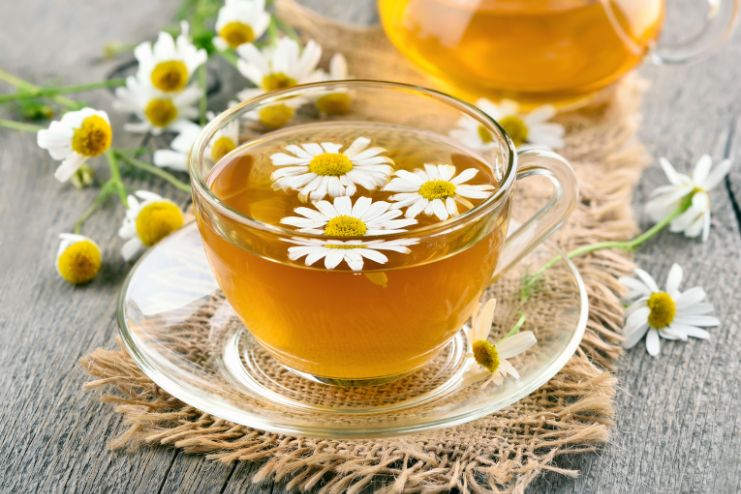
Chamomile, a versatile member of the Asteraceae family, offers two primary varieties for tea preparation: German chamomile (Chamomilla recutita) and Roman chamomile (Chamaemelum nobile), each prized for their unique therapeutic properties.
This gentle herb’s delicate, daisy-like flowers can be harvested, dried, and steeped in hot water to create a soothing infusion that has been cherished for generations.
The plant contains beneficial flavonoids that contribute to its potential health-enhancing properties. While most individuals tolerate chamomile tea exceptionally well, certain groups, including pregnant women and those with specific allergies, should exercise caution.
Chamomile’s remarkable anti-inflammatory properties work wonders for skin health. Furthermore, it helps maintain digestive balance by preventing excess acidity, which can adversely affect skin condition. Among herbal teas, it ranks as one of the most effective remedies for digestive discomfort.
Renowned for its gentle sedative effects, chamomile creates a fragrant, calming brew perfect for consumption throughout the day.
Egyptian chamomile, produced from premium-grade flowers, features large, aromatic blooms that yield an exceptionally floral cup designed to promote both physical and mental tranquility. For enhanced enjoyment, try adding a touch of honey!
Read More: Cleanse Your Body Naturally: 6 Herbal Detox Supplements for Whole-body Cleansing
7. Green Tea: Antioxidant-Rich and Metabolism-Boosting
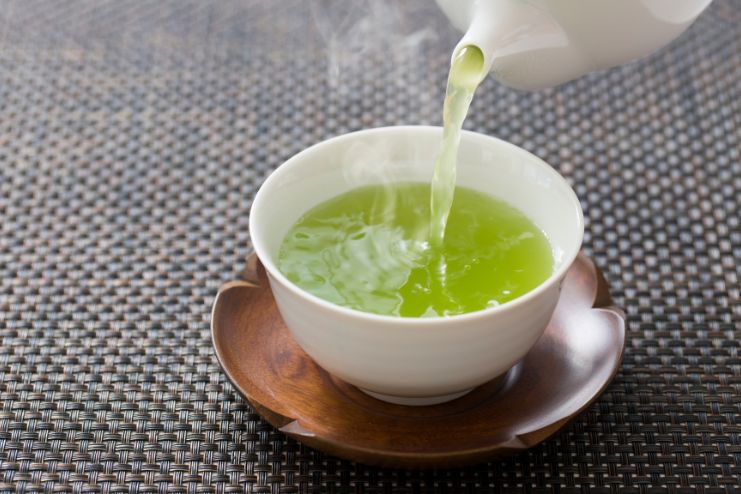
Your metabolism is a sophisticated biological system that transforms nutrients into vital energy, fueling everything from basic cellular functions to complex physical activities. This natural process is influenced by numerous factors, with age and lifestyle choices playing particularly significant roles in determining metabolic efficiency.
For those pursuing comprehensive wellness, understanding how to naturally support metabolic function is essential, and green tea emerges as a particularly beneficial option with its unique array of health-promoting properties.
Green tea’s distinctive processing method, which uses unoxidized leaves, ensures the retention of valuable polyphenols, a class of potent antioxidants. These antioxidants serve as protective agents against free radicals – unstable molecules that can damage cellular structures, compromise DNA integrity, and potentially lead to cell death.
Research suggests that free radicals significantly contribute to aging processes and various health conditions, including cardiovascular disease and certain cancers. The polyphenols in green tea function as protective antioxidants, potentially mitigating or preventing the cellular damage caused by these harmful molecules.
The antioxidants in green tea, particularly catechins such as epigallocatechin gallate (EGCG), are instrumental in promoting fat oxidation and enhancing metabolic rate. These natural compounds assist your body in optimizing calorie burning and maintaining healthy weight levels.
8. Hibiscus Tea: Detoxifying and Hydrating
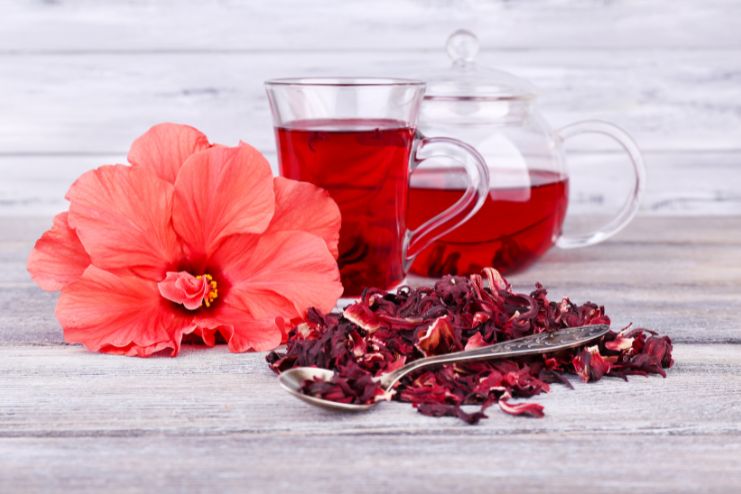
Hibiscus flowers offer a delightfully tangy sweetness reminiscent of cranberries, presenting a vibrant ruby-red hue.
The calyx, which serves as both support and protection for the hibiscus flower, is the primary component harvested for creating hibiscus tea. This versatile plant has earned recognition across diverse global cultures for its culinary applications and therapeutic properties.
One of the notable characteristics of hibiscus is its prebiotic properties. These prebiotics play a crucial role in supporting digestive health by nourishing beneficial gut bacteria, which in turn enhances the body’s ability to absorb essential nutrients that contribute to skin health.
Additionally, hibiscus is rich in Vitamin C, a powerful antioxidant compound that offers protection against skin damage and oxidative stress. This beneficial hibiscus tea cleanse can be seamlessly incorporated into your regular dietary routine.
When it comes to tea preparation, two primary hibiscus varieties stand out: Hibiscus sabdariffa and Hibiscus rosa-sinensis. While H. rosa-sinensis is more readily accessible and economical compared to H. sabdariffa, scientific research more strongly supports the health benefits of the latter.
Read More: 7 Best Detox Drinks For Summer
Conclusion
Incorporating detox teas into your daily routine represents a simple yet powerful approach to enhancing overall wellness.
These natural herbal infusions offer multiple benefits, from supporting digestive health and stress management to promoting relaxation and natural detoxification, all while providing an enjoyable drinking experience. Each variety brings its unique advantages, from the invigorating citrus notes of lemon detox tea to the cooling effects of peppermint tea.
When integrated into a well-balanced diet, detox teas can enhance your body’s natural detoxification processes and support optimal digestive function. Beyond their health-promoting properties, the ritual of preparing and savoring herbal tea provides a mindful pause during busy days.
References
- https://www.catalystteacompany.com/post/miracle-brews-for-spring-detox-energize-and-refresh-naturally
- https://www.bbcgoodfood.com/health/nutrition/health-benefits-peppermint-tea
- https://www.medicalnewstoday.com/articles/325242
- https://www.bbcgoodfood.com/health/nutrition/health-benefits-ginger-tea
- https://www.medicalnewstoday.com/articles/ginger-tea-benefits
- https://draxe.com/nutrition/dandelion-tea/
- https://health.clevelandclinic.org/dandelion-tea-benefits
- https://www.flavcity.com/immune-boosting-tea/
- https://www.medicalnewstoday.com/articles/319638
- https://fivewellbeing.com/immune-boosting-turmeric-tea/
- https://www.atozentherapies.com/post/cleanse-your-body-with-detox-tea
- https://www.realsimple.com/health/mind-mood/emotional-health/chamomile-tea-benefits
- https://www.medicalnewstoday.com/articles/320031
- https://www.healthline.com/nutrition/green-tea-benefits
- https://www.webmd.com/diet/health-benefits-green-tea
- https://www.ncbi.nlm.nih.gov/pmc/articles/PMC2855614/
In this Article