













You’re exhausted. Your throat feels raw. Your appetite is gone, but somehow soup still sounds right. That instinct isn’t random. Across cultures and generations, soup has been the default sick-day food because it’s warm, easy to tolerate, and gentle when your body doesn’t want to work too hard. Here’s the thing. Soup doesn’t cure illness.
It doesn’t kill viruses or magically shorten a flu. What it does do is support your body while it heals. Warm liquids soothe irritated airways, help thin mucus, and make hydration easier when plain water feels unappealing. When you’re sick, digestion competes with your immune system for energy. Heavy or dry foods add unnecessary strain.
Soup delivers fluids, electrolytes, and nutrients in a form that’s easy to digest, helping your body focus on recovery instead of breakdown. But not all soups help. Some calm inflammation and ease symptoms. Others quietly make things worse. This article breaks down why soup actually helps when you’re sick, what makes a soup truly healing, which soups work best for specific symptoms, and which ones to avoid.
Why Soup Helps Your Body Heal When You’re Sick
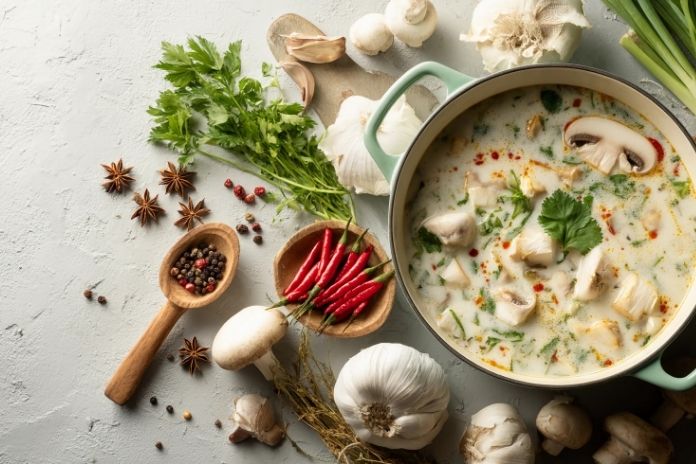
When illness hits, your body shifts into survival mode. Appetite drops. Digestion slows. Energy gets rerouted toward immune defense, temperature control, and repair. Soup fits neatly into that biological reality. It asks very little from your body while giving back fluids, warmth, and nutrients in a form that’s easy to handle.
Warm liquids help thin mucus and ease congestion.
Heat matters. Warm soup and broth can temporarily loosen thick mucus in the nasal passages and throat, making breathing feel easier and coughing more productive. This doesn’t cure congestion, but it improves comfort and airflow.
Research found that hot liquids increased nasal mucus velocity compared to cold drinks, suggesting that warmth helps mucus move rather than sit and clog airways.
Soup supports hydration when drinking feels hard.
Dehydration is one of the most common issues during illness, especially with fever, vomiting, diarrhea, or a sore throat. Soup counts as fluid, and for many people it’s easier to sip than plain water.
The CDC states that drinking enough water helps prevent dehydration and keeps your body functioning normally. That includes helping your body regulate temperature, carry nutrients and oxygen through the bloodstream, and remove waste, all of which matter most when you’re ill, especially with fever, vomiting, or diarrhea. They even point out that your body needs more fluids when you’re running a fever or losing water through symptoms of sickness.
It provides gentle calories and electrolytes.
Your immune system runs on energy. Even light soups supply small but meaningful amounts of calories, sodium, potassium, and sometimes glucose, all of which help prevent weakness and dizziness.
A systematic review of soup as a complementary therapy for respiratory infections notes that one way soup may help is by providing hydration and nutritional support. It highlights that soup’s combined nutrient content, including proteins and micronutrients, may help with immune function and symptom relief in acute respiratory illness.
Soup is easier to digest when the gut slows down.
Illness can slow gastric emptying and reduce digestive enzyme activity, which is why heavy or greasy foods often worsen nausea and bloating. Soft, cooked ingredients in soup require less mechanical and chemical digestion.
That reduced workload is why clinicians often recommend soup for upset stomach, early recovery, and post-fever fatigue. It feeds you without forcing your gut to overperform.
Read More: Home Remedies to Manage Common Cold Symptoms
What Makes a Soup “Healing” When You’re Sick

Not all soups help. Some actively backfire. A healing soup works through mechanisms, not just tradition or comfort. When your body is stressed, the details matter: temperature, texture, fat content, and electrolyte balance all change how a soup affects recovery.
Warmth that soothes the throat and airways.
Warm liquids do more than feel good. They coat irritated throat tissue, temporarily reducing dryness, scratchiness, and that constant urge to cough. Heat can also relax airway muscles and improve comfort when swallowing hurts.
The Cleveland Clinic explains that warm liquids such as broth and tea can help loosen mucus, soothe an irritated throat, and reduce coughing discomfort, which is why warm soup often feels better than cold drinks when you’re sick.
Fluids and electrolytes that prevent dehydration.
Illness increases fluid loss through fever, sweating, rapid breathing, vomiting, or diarrhea. At the same time, thirst signals often drop. Broth-based soups replace both water and sodium, which helps your body retain the fluids you consume.
This is why soup, when you’re sick, often hydrates more effectively than juice or tea alone, which may lack electrolytes or irritate the stomach.
Easy-to-digest ingredients that reduce gut stress.
During illness, digestion slows and tolerance drops. Healing soups are usually low in fat, soft, lightly seasoned, and free from heavy dairy. Fat slows gastric emptying and can worsen nausea, bloating, and reflux. Creamy soups may feel comforting, but during viral illness, they often increase digestive strain.
Clinical nutrition experts explain that during acute illness or digestive upset, choosing foods that are easy to digest, generally soft, low in fat, low in fiber, and mild in seasoning helps reduce stress on the gut and minimize nausea, bloating, and reflux. This is why broths, gentle soups, and a bland diet are recommended over high-fat creamy soups when your digestion is slowed by sickness.
What does this really mean? A healing soup is gentle, warm, hydrating, and uncomplicated. It supports your body without forcing it to work harder. When soup checks those boxes, it becomes more than comfort food. It becomes a practical tool that helps your body recover with less friction.
The Best Healing Soups for Different Symptoms
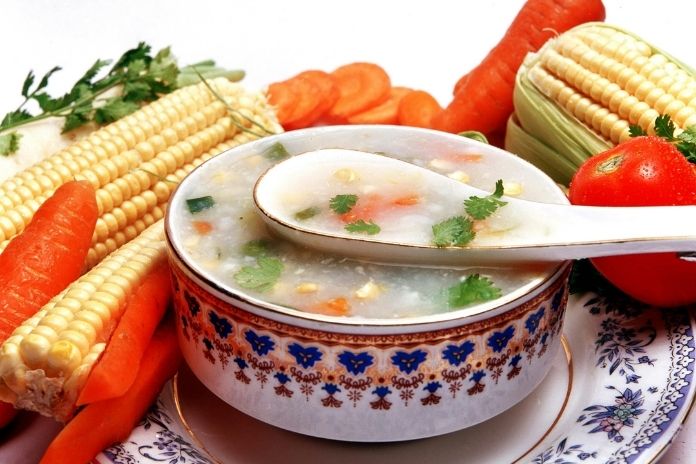
Different symptoms need different support. There’s no single “best soup” for everyone, because what helps congestion may worsen nausea, and what feels soothing for a sore throat may be too heavy for a weak stomach. The goal is to match the soup to what your body is struggling with most.
For cold and flu symptoms.
Chicken soup earns its reputation for a reason. It’s one of the few traditional foods that has actually been studied. Research published in Chest showed that traditional chicken soup inhibited neutrophil migration, suggesting a mild anti-inflammatory effect that may ease upper respiratory symptoms. Beyond that, it delivers sodium for hydration, protein to support immune cells, and warmth that helps nasal passages feel less blocked.
Dr. Stephen Rennard, the study’s lead author, emphasized that the benefit of traditional chicken soup likely doesn’t come from a single ingredient but from the combination of ingredients working together, which may help ease inflammatory responses in upper respiratory symptoms. If meat feels unappealing, a clear vegetable broth with aromatics like onion, garlic, celery, and herbs is a solid alternative; it hydrates, provides trace minerals, and helps avoid digestive heaviness.
For sore throat or cough.
When swallowing hurts, texture matters more than nutritional density. Clear broths, mild chicken broth, and smooth blended vegetable soups tend to go down easily and reduce irritation. Thick chunks, acidity, and spice can backfire. Tomato-based soups, vinegar-heavy broths, and chili-style soups often worsen throat inflammation and trigger coughing fits.
Harvard Health’s Cold & Flu overview explains that drinking plenty of fluids and warm liquids, like broth or tea, is one of the recommended ways to ease cold and flu symptoms, including sore throat and congestion, which can make coughing feel less irritating.
For upset stomach or nausea.
When nausea is present, simplicity wins. Clear chicken or vegetable broth, rice-based soups, and simple carrot or potato soups are usually easiest to tolerate. Ginger-based broths can also help, as ginger has been shown to influence gastric motility and reduce nausea in studies published in Nutrition Journal.
What to avoid is just as important here: cream soups, fried toppings, and high-fat ingredients slow digestion and often intensify nausea. Soup for an upset stomach should feel almost boring. That’s a sign you’re doing it right.
When you have no appetite at all.
Loss of appetite is common during infections, and forcing large meals often makes things worse. The goal shifts to nutrient density without volume. Bone broth with soft vegetables, chicken soup with finely shredded meat, or well-cooked, blended lentil soup can provide small amounts of protein and minerals.
Small portions every few hours are usually better tolerated than one full bowl. Even a few sips count toward recovery when eating feels like work.
Ingredients That Make Healing Soups More Effective
Certain ingredients can make a soup more supportive when you’re sick. None of them cures illness, and none replaces rest or medical care. What they do is improve comfort, digestion, and nutrient delivery when your body is already stretched thin.
Garlic and onions are commonly used for a reason. Garlic contains sulfur compounds, such as allicin, that exhibit antimicrobial activity in lab studies. That doesn’t mean garlic kills viruses in your body, but it may support immune signaling while you recover. Onions contribute quercetin, a flavonoid linked to anti-inflammatory effects. When cooked into soup, both become gentler on the stomach and easier to tolerate than when eaten raw.
Ginger and turmeric work more on symptom control than immunity. Ginger has well-documented anti-nausea effects and can help reduce gastric irritation, which is why ginger-based broths often feel calming during illness.
Turmeric contains curcumin, a compound with anti-inflammatory activity. Absorption from soup is limited, but small amounts can still contribute to overall inflammatory balance, especially when the soup isn’t completely fat-free.
Vegetables like carrots, celery, and leafy greens add nutrition without heaviness. Carrots provide beta-carotene, which the body converts to vitamin A for immune and tissue support. Celery and leafy greens provide potassium and vitamin C, supporting fluid balance and immune function. Cooking softens their fiber, making them easier to digest when the gut slows down.
The bone broth versus vegetable broth debate matters less than people think. Bone broth contains collagen, amino acids, and minerals, but there is limited strong evidence that it heals illness faster. Vegetable broth offers hydration and electrolytes without animal protein or fat. From a practical, clinical standpoint, both work. The better choice is the one your body tolerates and that you’ll actually drink.
Read More: Hearty and Healthy Soups: Warm Bowls for Nourishing Comfort
Soups to Avoid When You’re Sick

Not every bowl of soup helps recovery. Some add unnecessary stress at a time when your body is already working overtime. When you’re sick, the goal is comfort and support, not bold flavors or richness.
Cream-heavy soups are one of the most common problems. High-fat dairy can slow digestion and worsen nausea, bloating, and acid reflux, especially during viral illness. For some people, dairy also thickens mucus, which can make congestion and coughing feel worse. Even if a creamy soup tastes comforting, it often backfires once digestion kicks in.
Very spicy or highly acidic soups can also work against you. Ingredients high in capsaicin, like chili peppers, irritate inflamed throat tissue and can trigger coughing fits. Acidic bases, such as tomato or vinegar-heavy broths, may aggravate the throat and stomach lining, increasing burning sensations and nausea when tissues are already sensitive.
Fried or heavy add-ins create another issue. Croutons, fried meats, heavy oils, and rich toppings increase the digestive workload without offering much benefit. When digestion slows during illness, these extras can lead to fullness, discomfort, or nausea long after you finish eating.
If your illness is taking a toll on your tummy, foods that are higher in fat may be difficult to digest and add to any GI symptoms you are experiencing, notes Melissa Prest, DCN, RDN. Spicy foods may also irritate the stomach and cause stomach upset, she adds. “Go with a more bland diet until you’re feeling better,” Prest suggests.
What this really means is simple. When you’re sick, comfort and tolerance matter more than flavor complexity. A plainer soup that goes down easily will support recovery far better than a rich one that looks appealing but leaves your body struggling.
How Often Should You Eat Soup When You’re Sick
Soup is flexible. It can be a full meal when you have the appetite for it, a hydration tool when drinking feels hard, or a small comfort that soothes symptoms between rest. There’s no strict schedule. What matters is how your body responds. When hunger is low, don’t force large bowls. Small amounts sipped every few hours are often better tolerated and still contribute fluids, electrolytes, and light calories.
Even a few spoonfuls can help maintain energy and prevent dehydration when solid food feels unappealing. Soup also works best alongside other fluids. Pair it with water, herbal tea, or electrolyte drinks rather than relying on it alone. Variety helps prevent dehydration and reduces taste fatigue, which is common during illness.
At the end of the day, listening to your body matters more than timing or portions. The World Health Organization emphasizes that, for viral and respiratory illnesses, adequate rest and maintaining good hydration are key to recovery, with plenty of fluids supporting the body’s functions, even though specific foods like soup don’t replace these basics.
Key Takeaway
Soup supports recovery. It does not cure illness. It won’t kill viruses or replace medical treatment, but it helps your body do what it’s already trying to do: heal. The real value of soup comes from a few simple things working together. Hydration helps maintain circulation, temperature, and immune function. Warmth soothes irritated airways and makes swallowing easier.
Electrolytes support fluid balance when appetite and thirst are low. Easy digestion means your body can conserve energy rather than spend it on heavy meals. The best healing soup when you’re sick isn’t defined by trends or tradition. It depends on your symptoms, your tolerance, and how much you feel like eating. Congestion, nausea, sore throat, and low appetite all call for slightly different choices.
What this really means is that simpler is better. Gentle, warm, uncomplicated soups almost always support recovery more effectively than rich, creamy, or highly seasoned ones. When in doubt, choose the soup your body accepts easily and keeps you hydrated. That’s the one doing the most good.
Frequently Asked Questions
What is the best healing soup when sick?
Clear chicken soup or a simple vegetable broth is the most reliable choice. Both provide hydration, warmth, and electrolytes without stressing digestion. They’re easy to tolerate even when appetite is low. That combination is what makes them consistently effective.
Is chicken soup really good when you’re sick?
Yes. Research suggests chicken soup may reduce inflammation and help nasal mucus move more efficiently. This doesn’t cure illness, but it can make congestion and breathing feel easier. The benefit comes from the overall mix of ingredients, not one single component.
Can soup help a sore throat?
Warm, non-acidic soups can soothe irritated throat tissue and reduce dryness. They make swallowing less painful and may calm the urge to cough. Thin broths and smooth soups work best. Spicy or acidic soups tend to worsen irritation.
Is soup ideal for an upset stomach?
Clear, low-fat soups are often easier to tolerate during nausea. They provide fluids and electrolytes without slowing digestion. Simple broths reduce the risk of bloating or reflux. Heavy or creamy soups usually make symptoms worse.
How much soup should I eat when sick?
There’s no fixed amount that works for everyone. Small, frequent servings are usually better tolerated than large meals. Even a few sips help with hydration and energy. The right amount is whatever feels manageable for your body.
References
- Allrecipes. (n.d.). Soothing soups for cold and flu season.
- CDC. (n.d.). Water and healthy drinks. Centers for Disease Control and Prevention.
- Cleveland Clinic. (2023). How to get rid of a cold.
- Erof Watauga. (n.d.). Best things to eat when sick.
- Harvard Health Publishing. (n.d.). Cold and flu.
- Health.com. (2022). Best soups when sick.
- MDPI. (2025). The role of soup in immune support and recovery: A review. Nutrients, 17(13), 2247.
- MedlinePlus. (n.d.). Patient instructions: Eating a bland diet.
- Mayo Clinic. (n.d.). Nutrition and illness.
- NCBI / PubMed. (2000). Effects of chicken soup on neutrophil migration. Chest, 118(4), 1150–1155.
- Prevention. (2022). Best foods to eat when sick.
- Quora. (n.d.). Why does chicken soup make people feel better when they are sick?
- ScienceDirect. (2005). Effects of hot liquids on nasal mucus velocity. Chest, 127(1), 45–49.
- Springer. (2014). Ginger supplementation and nausea: A systematic review. Nutrition Journal, 13, 20.
- Taste of Home. (n.d.). Best soups for a cold.
- The Conversation. (2023). Does chicken soup really help when you’re sick? A nutrition specialist explains what’s behind the beloved comfort food.
- UNMC Newsroom. (2008). Got a cold or flu? Try chicken soup to ease symptoms.
- Voyage Healthcare. (n.d.). 5 foods to eat when you’re sick.
- ENT of Athens. (n.d.). Is chicken soup good for the soul and the sore throat?
In this Article