











Did you know that 50% of adults worldwide suffer from dandruff, and millions more struggle with hair loss and scalp conditions? The solution might be sitting in your medicine cabinet right now. When it comes to hair care, people invest significant time and effort in finding effective solutions to maintain healthy hair.
Tea tree oil offers exceptional health benefits, which is why experts recommend using tea tree oil for hair care. It’s one of the safest and most effective natural methods to protect your hair from damage and maintain its health.
Your hair is constantly exposed to harsh environmental changes, temperature fluctuations, humidity, and chemical treatments. Using tea tree oil for natural hair growth is highly recommended due to its rich health benefits.
This comprehensive guide covers all the important aspects of using tea tree oil for your hair, helping you maintain healthy hair and protect it from various conditions.
Read More: Tea Tree Oil for Dandruff: How it Helps in Treating Dandruff
What is Tea Tree Oil?
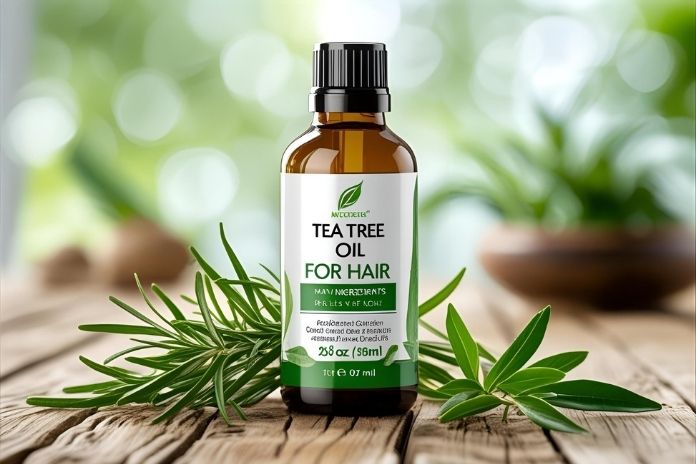
Tea tree oil is extracted from the Melaleuca alternifolia plant, which is native to Australia. This oil is considered safe for topical application on any part of the body. However, you should never consume it internally as it is toxic when ingested.
The benefits of tea tree oil stem from its antimicrobial, antifungal, and anti-inflammatory properties. These beneficial properties make tea tree oil highly effective for treating dry scalp and promoting hair growth by removing toxins, unclogging hair follicles, and enhancing cleansing.
Does Tea Tree Oil Really Help Hair Growth?
Tea tree oil contains antibacterial and anti-inflammatory properties that make it an excellent remedy for addressing hair problems at their source. According to experts, applying anti-inflammatory oils to your scalp helps promote hair regrowth.
The antioxidants present in tea tree oil help combat oxidation on your scalp, making tea tree oil an excellent remedy for hair growth. Additionally, various scientific studies have proven that regular use of the oil helps with hair regrowth, which is why tea tree oil hair regrowth techniques are used by people worldwide.
Rachel Nazarian, M.D., a board-certified dermatologist at Schweiger Dermatology Group in New York, shares his views on the benefits of tea tree oil for hair. She says, “Tea tree oil is naturally anti-inflammatory and antimicrobial, decreasing skin surface bacteria, fungus, and viruses.”
If you’re wondering whether tea tree oil is good for hair, you can rest assured. As long as you’re not ingesting it, tea tree oil is very beneficial and provides numerous important health advantages.
Read More: The Ultimate Guide to Scalp Detoxing: Why and How to Do It
How to Use Tea Tree Oil for Hair Growth
There are several ways to use tea tree oil to promote hair growth. However, you should always be careful when using tea tree oil and remember to dilute it with a carrier oil such as jojoba oil, castor oil, or coconut oil. This is essential because tea tree oil is highly concentrated and can damage your scalp if applied directly without dilution.
You can use tea tree oil on your hair and scalp, create a hair mask for deep cleansing, or make a shampoo to keep your hair healthy.
1. Tea Tree Oil for Scalp

Tea tree oil is considered one of the best natural remedies for treating dry scalp, as it helps remove toxins from the scalp and promotes hair growth. The formation of fungus and dandruff can lead to scalp itchiness.
Clinical studies have shown that 5% tea tree oil shampoo effectively reduces dandruff caused by yeast overgrowth. This condition might also lead to psoriasis, which causes redness, dryness, and itchiness on your scalp.
The antibacterial properties of tea tree oil help eliminate bacterial infections and prove effective in countering psoriasis, according to experts. It also helps keep seborrheic dermatitis, an inflammatory disease, at bay.
Experts recommend massaging tea tree oil onto your scalp along with a carrier oil to promote blood flow in the scalp region and boost natural hair growth.
2. Tea Tree Oil Shampoo
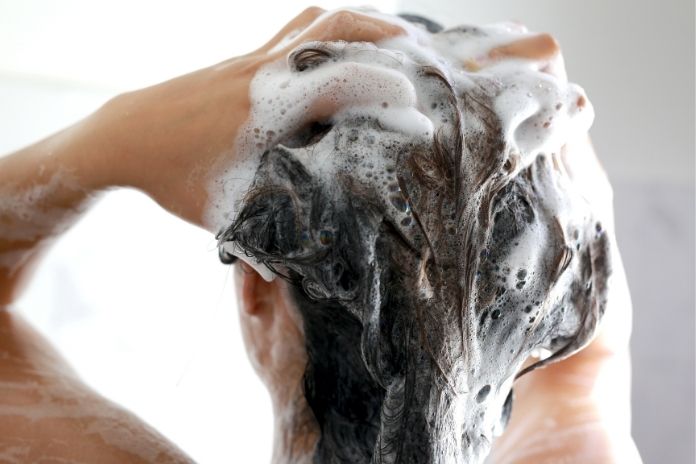
Another effective technique for using tea tree oil on hair is applying it as a shampoo additive. You can add tea tree oil to your existing shampoo for amazing benefits, or create your own tea tree oil shampoo.
How to Make a Tea Tree Oil Shampoo:
- Mix 2-3 teaspoons of tea tree oil into 30 ml of your regular shampoo
- Massage it onto your scalp and leave for 5-8 minutes
- Rinse thoroughly with water
- You can also add lavender oil, along with tea tree oi,l to your shampoo for additional benefits
3. Tea Tree Oil Hair Mask
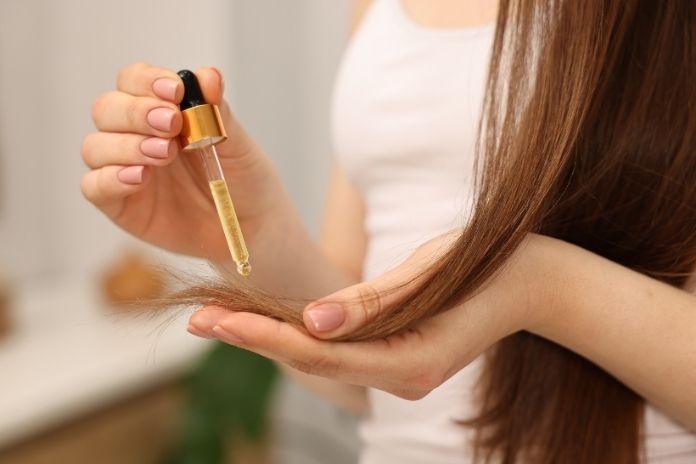
Another effective way to use tea tree oil on your hair is as a conditioning treatment. You can make a hair mask for more intensive benefits using castor oil or coconut oil.
Tea Tree Oil Hair Mask with Coconut Oil:
- Mix 2-3 teaspoons of tea tree oil with an equal amount of coconut oil
- Massage the mixture onto your scalp, ensuring all hair strands are covered
- Leave for 20-30 minutes
- Rinse your hair thoroughly with water
Tea Tree Oil Hair Mask with Castor Oil:
- Mix 1 tablespoon each of castor oil and jojoba oil
- Add 1 teaspoon of tea tree oil
- Massage the mixture gently onto your scalp using circular motions
- Ensure all hair strands are covered
- Wrap your hair in a warm towel for 2-6 hours
- Rinse your hair until all oil is removed
- You can add rosemary oil or peppermint essential oil to the mixture for additional benefits
Read More: Signs of Hard Water Damage on Hair (And How to Fix It)
Tea Tree Oil for Getting Rid of Head Lice
Head lice have become a growing concern worldwide. It’s important to remove lice from your hair as quickly as possible, as they can cause various hair problems, including hair loss, dry scalp, and infections.
Tea tree oil can effectively eliminate head lice, according to experts. Research has shown that tea tree oil’s antimicrobial properties help eliminate the conditions that allow lice to thrive.
Studies have demonstrated the significant effectiveness of tea tree oil treatments against head lice infestations.
To eliminate head lice using tea tree oil:
- Mix 2-3 tablespoons of jojoba oil or olive oil with 1-2 teaspoons of tea tree oil
- Apply the mixture to your scalp
- Keep the mixture away from your eyes and face
- Cover your hair with a shower cap or wrap with a warm towel and leave for 10-12 hours
- The next day, comb through all your hair and remove dead lice with a fine-tooth comb
- Wash thoroughly with water or shampoo
- You can also use conditioner afterward
Tips for Using Tea Tree Oil on Hair
Important tips to remember when using tea tree oil for your hair:
- Always dilute tea tree oil with a carrier oil. It’s highly concentrated and can damage your scalp and hair if used undiluted. Use olive oil, coconut oil, jojoba oil, or other carrier oils for dilution
- Never consume tea tree oil internally, as it’s highly toxic when ingested and can cause serious health problems
- Consult with your doctor before using tea tree oil if you have existing skin conditions
- Perform a patch test before first use to check for allergic reactions
Additional Benefits of Tea Tree Oil
Tea tree oil offers many other benefits beyond hair care:
- Excellent essential oil for relaxation
- Promotes better sleep
- Acts as an effective skin treatment
- Removes skin and nail infections
- Provides healing for cuts, wounds, burns, and boils
Conclusion
Tea tree oil is a versatile and effective natural remedy for various hair concerns. When used properly and with appropriate dilution, it can help promote hair growth, treat scalp conditions, and maintain overall hair health. Remember to always use it safely and consult with healthcare professionals when needed.
Ready to transform your hair health naturally? Start with a simple tea tree oil shampoo treatment today, and experience the difference this powerful Australian essential oil can make for your scalp and hair. Remember to dilute properly and perform a patch test before your first use.
Frequently Asked Questions
Q: How often should I use tea tree oil on my hair? A: For general scalp health, use tea tree oil treatments 2-3 times per week. For specific conditions like dandruff or lice, you may use it daily until the condition improves, then reduce to maintenance frequency.
Q: Can I use tea tree oil directly on my scalp? A: No, never apply undiluted tea tree oil directly to your scalp. Always dilute it with a carrier oil like coconut, jojoba, or olive oil to prevent irritation and damage.
Q: How long does it take to see results from tea tree oil hair treatments? A: Most people notice improvements in scalp conditions within 2-4 weeks of regular use. Hair growth benefits may take 2-3 months to become visible.
Q: Is tea tree oil safe for colored or chemically treated hair? A: Yes, when properly diluted, tea tree oil is generally safe for all hair types. However, perform a strand test first and consult your stylist if you have concerns.
Q: Can pregnant women use tea tree oil on their hair? A: While topical use is generally considered safe, pregnant women should consult their healthcare provider before using tea tree oil or any essential oil.
Q: What’s the best carrier oil to mix with tea tree oil? A: Coconut oil, jojoba oil, and olive oil are excellent choices. Coconut oil has additional antimicrobial properties, while jojoba oil closely mimics natural scalp oils.
Q: Can tea tree oil cause hair loss? A: When properly diluted and used as directed, tea tree oil should not cause hair loss. Undiluted tea tree oil, however, can cause scalp irritation that may lead to temporary hair loss.
Q: How much tea tree oil should I add to my shampoo? A: Add 2-3 teaspoons of tea tree oil per 30ml (about 1 ounce) of shampoo. Start with less and increase gradually to test your scalp’s sensitivity.
In this Article