















When couples face challenges with fertility, the usual suspects—hormone levels, egg quality, sperm motility, and lifestyle habits—tend to get all the attention. But there’s one tiny gland that often flies under the radar: the thyroid.
However, your thyroid plays a surprisingly crucial role in your ability to conceive.
Despite growing research linking thyroid health to reproductive function in both men and women, the thyroid is often overlooked in health evaluations.
In this article, we’ll dive into the connection between thyroid function and fertility, how to spot possible thyroid-related issues, and what steps you can take—both natural and medical—to support your thyroid and improve your chances of conception.
Understanding the Thyroid and Its Role in Fertility
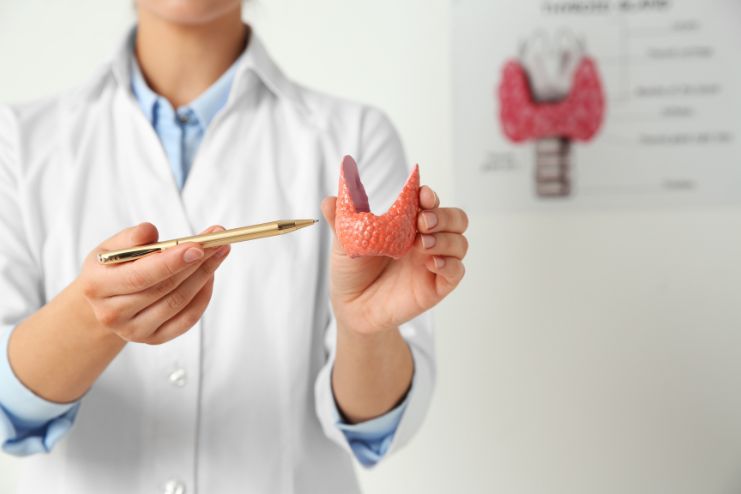
The thyroid is a small, butterfly-shaped gland located at the base of your neck. It produces hormones that regulate your metabolism, energy levels, and, more crucially, your reproductive system.
Key Thyroid Hormones and Their Functions
To understand how the thyroid affects fertility, it’s important to first get familiar with its hormones and how they impact metabolism and reproduction. Let’s break down the key players:
- Thyroxine (T4) and Triiodothyronine (T3): These hormones are essential for regulating metabolism, tissue growth, and energy production. They also help maintain hormonal balance, supporting the development and quality of both eggs and sperm.
- Thyroid-Stimulating Hormone (TSH): The Pituitary gland produces TSH, which signals to the thyroid gland how much hormone to release into the bloodstream. If TSH levels are too high or too low, it can signal a problem with hormone production, disrupting fertility in the process.
The Thyroid’s Connection to Fertility
Thyroid hormones interact with the hypothalamic-pituitary-ovarian (HPO) axis in women to regulate reproductive hormones like estrogen and progesterone. If thyroid function is impaired, it can disrupt this entire system, leading to:
- Irregular or absent ovulation
- Poor egg quality
- Disrupted menstrual cycles
- Increased risk of miscarriage
In men, thyroid dysfunction can reduce testosterone levels and negatively affect sperm count, motility, and overall reproductive health.
Read More: 11 Risk Factors of Infertility
How can an Imbalance in the Thyroid Affect Fertility?

Conditions like hypothyroidism (underactive thyroid) and hyperthyroidism (overactive thyroid) are often overlooked in fertility assessments, but they can have a significant impact on the ability to conceive and carry a pregnancy to term. Even mild thyroid dysfunction can interfere with reproductive hormones and fertility outcomes in both men and women.
These imbalances don’t just affect reproduction; they also impact ovulation, sperm quality, implantation, and pregnancy outcomes.
Hypothyroidism and Fertility
Hypothyroidism occurs when the thyroid doesn’t produce enough hormones to meet the body’s needs. The common symptoms include fatigue, weight gain, sensitivity to cold, dry skin, and irregular or heavy menstrual cycles.
Impact on Female Fertility
- Disrupted ovulation and menstrual cycles make it difficult to predict fertile windows.
- Low progesterone levels increase the risk of miscarriage.
- Luteal phase defects can interfere with implantation and the maintenance of pregnancy.
- Hormonal imbalances can affect estrogen and other key reproductive hormones, impacting egg quality and the uterine environment.
Impact on Male Fertility
- Reduced sperm count and motility
- Erectile dysfunction and low libido
- Poor semen parameters and testicular function
Hyperthyroidism and Fertility
Hyperthyroidism happens when the thyroid becomes overactive and produces too much hormone. Common symptoms are anxiety and restlessness, insomnia, unexplained weight loss, rapid heartbeat, and irregular or light periods.
Impact on Female Fertility
- Anovulation (lack of ovulation): Can prevent eggs from being released.
- High estrogen levels: These may interfere with embryo implantation.
- Increased pregnancy risks: Higher chances of preterm birth and complications like preeclampsia.
- Disrupted menstrual cycles: Unpredictable periods can delay conception.
Impact on Male Fertility
- Reduced sperm concentration and volume
- Altered sperm morphology (shape) and motility
- Disrupted testosterone levels and sexual function
Autoimmune Thyroid Disorders and Fertility
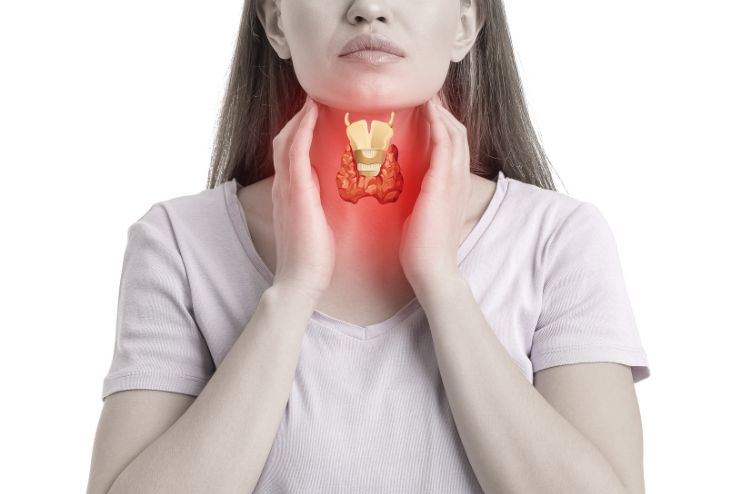
Not all thyroid imbalances are caused by lifestyle or nutrient deficiencies—sometimes, it’s the immune system itself causing trouble. Autoimmune thyroid disorders, like Hashimoto’s Thyroiditis and Graves’ Disease, are key culprits that can silently impact fertility, even when standard thyroid hormone levels appear normal.
Let’s break down how these conditions affect both women and men trying to conceive.
Hashimoto’s Thyroiditis (a common cause of hypothyroidism)
- This is linked to irregular cycles, anovulation, PCOS, and recurrent miscarriages.
- It can cause luteal phase defects and hormonal imbalances.
- It is also associated with elevated thyroid antibodies, which can increase the risk of pregnancy loss, even if TSH levels are in the normal range.
Graves’ Disease (a leading cause of hyperthyroidism)
- It may reduce fertility in both men and women.
- It raises the risk of preeclampsia, preterm labor, and low birth weight.
- It can cause erratic hormone levels, affecting implantation and embryo development.
Thyroid Antibodies and Infertility
Even without abnormal TSH levels, the presence of thyroid autoantibodies (especially TPO antibodies) can impair fertility and increase the risk of early loss of pregnancy.
How Thyroid Imbalances Affect Assisted Reproduction
Thyroid health also plays a critical role in the success of assisted reproductive technologies (ART) like IVF. Thyroid imbalances interfere with hormone medications, affect egg retrieval quality, and lower implantation rates.
How to Know If Your Thyroid Is Affecting Your Fertility

Wondering if your thyroid is standing in the way of your pregnancy journey? While thyroid issues often go unnoticed, they can quietly disrupt your reproductive system. Here’s how to spot the signs and what tests to consider.
Signs Your Thyroid Might Be Off Balance
These symptoms may not always scream “thyroid problem,” but if you’re experiencing a few of them consistently, it’s worth digging deeper:
- Irregular or missed periods.
- Chronic fatigue that doesn’t go away with rest.
- Thinning hair or noticeable hair loss.
- Sudden mood swings, anxiety, or depression.
- Unexplained weight gain or loss.
These signs are often dismissed as “normal stress” or hormonal changes, but they could be your thyroid calling for attention.
Important Thyroid Tests for Fertility
To get a clearer picture of how your thyroid may be influencing your fertility, consider asking your doctor for the following tests:
- TSH (Thyroid-Stimulating Hormone): This tells your thyroid how much hormone to produce. Both high and low levels can affect fertility.
- Free T3 and Free T4: These are the active thyroid hormones that directly influence metabolism, ovulation, and sperm health.
- Thyroid Antibodies (TPO, TgAb): Elevated antibodies can indicate autoimmune thyroid disorders like Hashimoto’s or Graves’—even if TSH levels are normal.
- Reverse T3: This marker can help assess how well your body is converting T4 into active T3. Imbalances can impact energy and reproductive hormone balance.
- Nutrient Levels: Iodine, selenium, and zinc are crucial for healthy thyroid function. A deficiency in any of these can impair hormone production and fertility.
How to Support Thyroid Health for Better Fertility
Whether you’re planning to conceive now or in the future, optimizing thyroid health is a key step toward supporting a healthy pregnancy.
Here’s how you can naturally and medically give your thyroid the love it needs to boost fertility.
1. Nourish Your Thyroid with the Right Nutrients
Your thyroid relies on specific nutrients to function properly, and without them, hormone production can get disrupted.
- Iodine – Essential for thyroid hormone creation. You’ll find it in seaweed, dairy, and fish.
- Selenium – Helps protect the thyroid from oxidative stress. Just a few Brazil nuts a day can do the trick.
- Zinc & Iron – Important for hormone balance. These minerals are found in red meat, pumpkin seeds, and leafy greens like spinach.
- Vitamin D – Often overlooked, but low levels are linked to both thyroid dysfunction and infertility. Adding foods like salmon, egg yolks, or a handful of maitake mushrooms to your meals can be a simple (and delicious) way to keep your levels in check.
Heads-up: Eating moderate amounts of raw broccoli, cabbage, and soy is healthy, but consuming large quantities, particularly in raw form, can interfere with thyroid function.
2. Balance Blood Sugar and Fight Inflammation
Your blood sugar levels and thyroid health go hand in hand. When insulin is high, it can throw your reproductive hormones off balance.
- Cut back on processed foods, refined carbs, and added sugar.
- Add more anti-inflammatory foods to your plate—think leafy greens, fatty fish (like salmon), and berries.
This not only supports your thyroid but also creates a more hormone-friendly environment for conception.
3. Care for Your Stress Levels & Gut Health
Your body isn’t just a collection of systems—it’s an ecosystem. Chronic stress and poor gut health can quietly sabotage your thyroid.
- Take Less Stress: High cortisol (your stress hormone) can suppress thyroid function. Try breathwork, yoga, or simply relax to lower your stress levels.
- Heal Your Gut: Your gut and thyroid talk more than you think. Incorporate probiotics, fermented foods, and consider cutting out known food sensitivities. This can reduce inflammation and autoimmune triggers that may harm your thyroid.
4. Make Small But Smart Lifestyle Changes
Sometimes, it’s not about doing more—it’s about doing what’s right for your body.
- Move your body regularly, but avoid overtraining, which can actually suppress thyroid function.
- Prioritize deep, consistent sleep—your hormones reset while you rest.
- Reduce exposure to endocrine-disrupting chemicals like BPA, phthalates, and parabens found in plastics and some personal care products.
5. Know When to Get Medical Support
If you’ve been trying to conceive without success and suspect your thyroid could be part of the problem, don’t hesitate to get help. A medical professional can guide you through:
- Levothyroxine is used in treating an underactive thyroid.
- Anti-thyroid medications for managing hyperthyroidism.
- Tailored support from an endocrinologist or fertility specialist.
Supporting your thyroid empowers you on your fertility journey. The key? Nourish your body, manage your stress, and don’t ignore the signs when something feels off.
Read More: Best Yoga Poses For Thyroid Treatment
Conclusion
When it comes to fertility, the thyroid is often the silent player working behind the scenes—yet its impact is anything but minor. Whether it’s irregular periods, ovulation issues, or unexplained struggles to conceive, an imbalanced thyroid can quietly throw your entire reproductive system off track.
Thyroid-related fertility issues are often treatable. With the right testing, a supportive lifestyle, and medical guidance when needed, many women go on to conceive and have healthy pregnancies. From nourishing your body with essential nutrients to managing stress and inflammation, every small step toward supporting your thyroid brings you closer to hormonal harmony and improved fertility.
Listen to your body, get the tests, make the changes, and seek the help you deserve. Fertility is complex, but understanding your thyroid gives you one more piece of the puzzle—and one more path to hope.

References
- https://pmc.ncbi.nlm.nih.gov/articles/PMC9829629/
- https://www.sciencedirect.com/science/article/pii/S1521690X20300051
- https://pmc.ncbi.nlm.nih.gov/articles/PMC4724596/
- https://pmc.ncbi.nlm.nih.gov/articles/PMC7605301/
- https://www.verywellhealth.com/infertility-and-thyroid-disease-4019413
- https://www.mayoclinic.org/diseases-conditions/female-infertility/expert-answers/hypothyroidism-and-infertility/faq-20058311
- https://www.btf-thyroid.org/pregnancy-and-fertility-in-thyroid-disorders
- https://www.uranj.com/blog/thyroid-disease-and-infertility-what-you-need-to-know
- https://www.onefertilitykitchenerwaterloo.com/effect-of-thyroid-disorders-on-fertility/
In this Article