













Introduction – Why Stroke Isn’t Just an “Older Person’s” Problem
Most of us grow up thinking strokes happen to people after 60. Retirement-age problem, right?
But the numbers no longer match that belief. Stroke cases in people in their 30s and 40s have doubled in the last couple of decades. Many young adults don’t even consider themselves at risk, which is exactly why silent warning signs often get missed.
Modern lifestyle, irregular sleep, long sitting hours, rising stress, metabolic disorders, smoking, vaping (electronic smoking), and even hormonal factors in women – all are quietly increasing stroke risk much earlier than expected.
The good news? Almost 80% of strokes are preventable with small habit changes and timely screening.
This article goes deeper into the practical, simple, real-world knowledge about strokes, their causes, signs, and management.
Key Takeaways – What You’ll Learn
- Why stroke is becoming more common under the age of 50 years
- The subtle symptoms people often misread
- Which lifestyle changes matter most
- Which screenings to prioritise in your 30s and 40s
Understanding Strokes – A Quick Overview

A stroke simply means the brain suddenly does not get enough blood. When oxygen stops, brain cells begin to die within minutes.
There are two major types of strokes:
- Ischemic Stroke (~85%): Caused by a blockage in blood vessels – usually a clot or cholesterol plaque.
- Hemorrhagic Stroke: Caused by bleeding in the brain due to a ruptured weak vessel.
A short warning episode called TIA (Transient Ischemic Attack) is like a temporary blockage that clears within minutes or hours. It feels “okay after some time,” but it’s a big warning that should never be ignored.
Read More: 6 Ways Taking the Stairs Every Day Can Change Your Body
Why Strokes Are Increasing in People Under 50

1. Modern Lifestyle & Work Stress
Today’s work pattern is simple: sit for long hours, eat whatever is convenient, sleep late, repeat.
Chronic stress, digital overload, and constant multitasking – all these increase inflammation and blood pressure. Over time, these small habits silently build your risk of strokes.
2. Rising Rates of Metabolic Disorders
Hypertension, prediabetes, and high cholesterol are no longer “old people’s problems”.
Many young adults are at borderline or undiagnosed levels because they rarely get routine checkups.
High blood pressure is still the primary preventable cause of stroke, but most people never feel the symptoms.
3. Smoking, Alcohol, and Vaping
Nicotine narrows the blood vessels.
Vaping isn’t harmless either – there are chemicals that irritate blood vessels and increase clot risk.
And binge drinking can sharply raise both ischemic and hemorrhagic stroke risk.
4. Hormonal & Pregnancy-Related Risks (in Women)
Birth control pills, pregnancy complications like preeclampsia, and postpartum hypertension – all increase stroke risk in women under 40. Most women don’t connect these factors with brain health.
Read More: Sleep Problems After Menopause: Why They Happen and How to Fix Them
Silent Warning Signs You Shouldn’t Ignore
Young adults commonly ignore early warning signs, assuming it’s migraine, office fatigue, or low blood sugar.
Key symptoms to stay alert for:
- Sudden weakness or numbness on one side
- Trouble speaking or understanding
- Acute vision changes
- Dizziness or loss of coordination
- Severe headache without a known reason
Remember BE FAST as explained by Stephen Devries, a preventive cardiologist:
- Balance (loss of balance): stumbling, difficulty walking, or controlling movements.
- Eye (vision problems): like double vision, blurry vision, or suddenly losing vision.
- Face drooping or weakness: If you are doubtful, check if their smile looks uneven or lopsided.
- Arm weakness – though it can affect a leg as well. Someone may not be able to lift an arm or keep it raised.
- Speech difficulty: Words may come out slurred or may not make sense.
- Time to call emergency help
BE FAST is not only for older adults – it’s equally important in the 20s, 30s, and 40s.
Dr. Devries also stresses not to take aspirin if you think someone is having a stroke. Sometimes strokes cause bleeding in the brain – aspirin can make it worse. Only a doctor can decide whether aspirin is safe or not, after checking your test results.
Read More: What Happens to Your Body When You Quit Ultra-Processed Foods for 30 Days
Lifestyle & Health Factors That Quietly Raise Stroke Risk
1. High Blood Pressure (Hypertension)
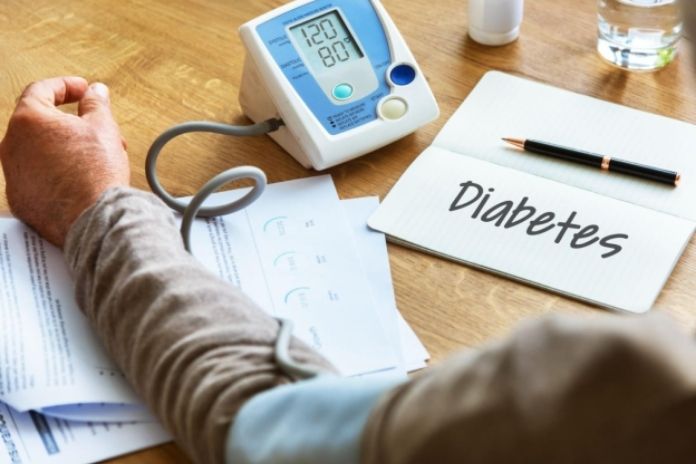
The simplest and most silent threat. You may feel totally well, but you can still have dangerously high BP. The Ideal is below 120/80 mm Hg.
Buy a home BP monitor. Check on a regular basis.
2. Elevated Cholesterol and Triglycerides
Plaque deposits (fat buildup) start forming in arteries much earlier than people think.
Balancing LDL, HDL, and triglycerides is essential.
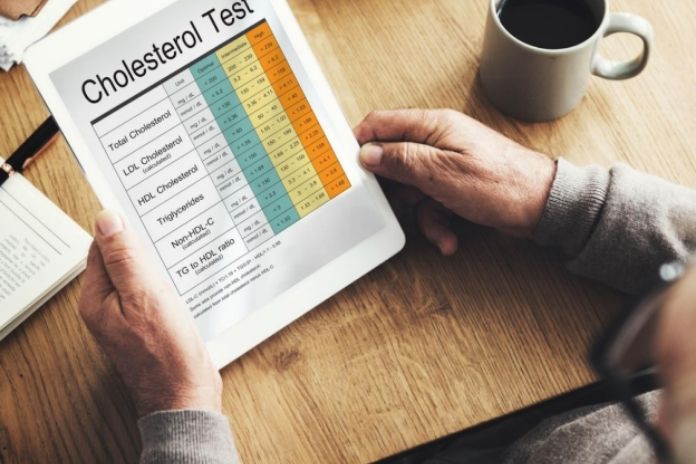
A lipid panel (cholesterol test) every 3–5 years (or sooner with family history) helps catch issues early.
3. Diabetes and Prediabetes
Even early insulin resistance (low insulin response) damages blood vessels. Keeping HbA1c (3-month average sugar level) below 5.7% is protective in the long term.
4. Sleep Deprivation and Sleep Apnea (breathing stops at night)
Irregular sleep raises cortisol (stress hormone), blood pressure, and inflammation. Sleep apnea – especially undiagnosed – almost doubles your stroke risk.
5. Stress and Mental Health
Stress affects everything: BP, sleep, cravings, smoking, and alcohol intake. It also keeps your nervous system in a constant “on” position, which isn’t healthy for vessels.
Proven Lifestyle Changes to Lower Your Risk

Eat for Brain & Heart Health
A Mediterranean or DASH-style eating pattern works not because it is “trendy” but because it reduces inflammation and improves vessel elasticity (flexible blood vessels).
Simple focus points:
- More vegetables, fruits, beans, and whole grains
- Nuts, seeds, olive oil for healthy fats
- Fish 1–2 times a week
- Limit sugary foods, processed meats, and salty items
- Stay hydrated (thicker blood means higher clot risk)
This is not a “diet plan”; it’s a long-term eating style.
Exercise Regularly
Activity helps both blood flow and glucose control.
Aim for 150 minutes/week of moderate activity. Even split across 10–15 minute walks, it still counts. Something as simple as carrying a basket instead of pushing a cart at the grocery store counts.
Kids and teens should be active for roughly an hour every day.
Add two sessions of light resistance training. This helps metabolism, weight, and BP.
Manage Weight
No need for extreme dieting. Even a 5–10% weight loss can sharply improve metabolic health.
Waist circumference is a more practical measure than BMI.
Control Blood Pressure & Cholesterol
- Monitor BP at home
- Follow your doctor’s prescribed medications consistently.
- Add potassium-rich foods (greens, bananas, beans).
- Increase omega-3s (fish, walnuts, flaxseed) to help protect your blood vessels.
Sleep & Stress Care
7–8 hours of sleep is ideal. Less screen time at night helps more than people expect.
Mindfulness, yoga, slow breathing – whatever calms your system – helps reduce cortisol.
Screenings & Preventive Checkups You Shouldn’t Skip
You don’t need frequent tests, but consistency matters.
- BP check: yearly or more if slightly high
- Lipid profile: every 3–5 years after age 30
- Blood sugar / HbA1c: every 1–3 years
- Waist circumference, BMI: routine checkup
- Sleep apnea evaluation: if snoring or waking up tired
Most strokes in young people come from risk factors that could have been identified years earlier.
Read More: Early Signs of Dementia in Women: What to Watch for and When to Seek…
Recovery & Long-Term Prevention After a Mini-Stroke (TIA)
A TIA is the closest thing to a “last warning”. The days following a TIA are when the stroke risk is at its peak,” notes Dr. Veronica Moreno-Gomez, a neurology specialist.
About 1 in 3 people with TIA will later have a stroke – unless they take action fast.
Post-TIA, doctors may prescribe:
- Antiplatelet medicines (clot-preventing drugs)
- Statins
- BP control
- Diabetes management
- Lifestyle changes
The earlier you act, the better the brain’s long-term recovery capacity.
Dr. Moreno-Gomez also added that follow-up visits give doctors a chance to see how well your medicines are working, make sure you’re taking them correctly, and offer guidance, support, as well as helpful community resources.
Read More: Avoid Heat Stroke With These 11 Astounding Natural Remedies
Final Thoughts
Stroke prevention starts much earlier than we ever imagine. You don’t need drastic lifestyle changes, just small, consistent steps – checking BP regularly, staying active, eating whole food, sleeping well, and being aware of early warning signs.
Your 30s and 40s are the perfect time to build these habits so your brain stays sharp for the long run.
Quick Recap
- Stroke is not just an old-age condition.
- Early warning signs often get missed in young adults.
- BP, cholesterol, blood sugar, sleep, stress – these are major players in stroke development.
- Movement, healthy eating, and simple health checks drastically reduce lifetime risk.
- Starting prevention in your 30s and 40s protects your brain for decades.
FAQs
1. Can stress alone cause a stroke?
No! Stress doesn’t directly cause a stroke, but it raises BP, disrupts sleep, increases inflammation, and can push people toward smoking or alcohol – all major risk factors.
2. How young can someone have a stroke?
Even people in their 20s can have strokes. But the 30s and 40s are now the fastest-growing age group.
3. What foods help prevent stroke?
Leafy greens, berries, whole grains, fish, nuts, beans, and olive oil are proven to support vascular health.
4. Is vaping safer than smoking for stroke risk?
Vaping still exposes the body to chemicals that harm vessels. It is not “safe” for stroke prevention.
5. How long does it take to lower stroke risk after quitting smoking?
Risk drops noticeably within a few months and reduces almost 50% within two years of quitting.
References
- https://www.mayoclinic.org/diseases-conditions/stroke/symptoms-causes/syc-20350113
- https://pubmed.ncbi.nlm.nih.gov/37568401/
- https://my.clevelandclinic.org/health/diseases/11209-weight-control-and-obesity
- https://www.ncbi.nlm.nih.gov/books/NBK430927/
- https://www.mayoclinic.org/healthy-lifestyle/nutrition-and-healthy-eating/in-depth/dash-diet/art-20048456
- https://pubmed.ncbi.nlm.nih.gov/36447455/
In this Article