














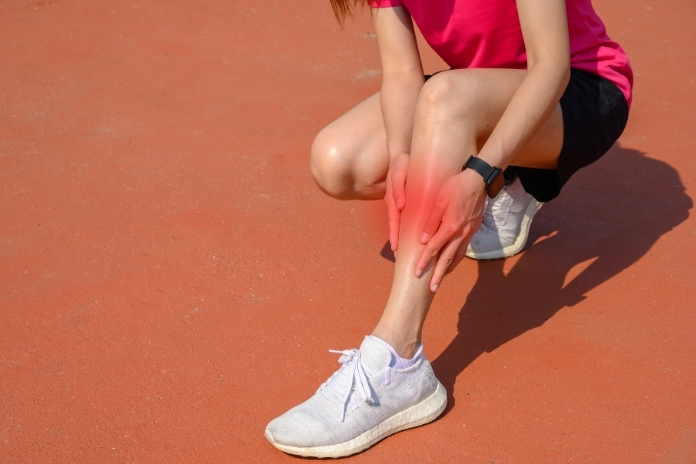
Exercise comes with several perks, but also a few pains. There are a few situations or syndromes that happen due to extreme workouts or vigorous training sessions. If you’ve ever gone out for a run, tried a new exercise class, or leveled up your training regimen too much, too fast, you may already be familiar with the searing pain of shin splints.
Shin splints, also called medial tibial stress syndrome, are among the most common exercise-induced injuries among athletes, dancers, and amateur runners. The ache down the shinbone can be annoying enough to derail your progress and focus, making a short run or brisk walk painful.
If this has ever happened to you, we have some good news. Shin splint stretches, combined with strengthening exercises and proper prevention techniques, may alleviate pain and prevent recurrence. Physiotherapists often suggest easy, safe stretches for your calves and shins, releasing tension and promoting flexibility.
It doesn’t matter whether you’re halfway through recovery or want to avoid shin splints in the future; this article helps you with useful stretches, exercises, and tips for relief and prevention.
Read More: Calf-Focused WODs: Stronger Legs from the Ground Up
What Are Shin Splints?

Shin splints, officially known as medial tibial stress syndrome (MTSS), are a condition characterized by pain along the inner border of the shinbone (tibia). This pain occurs when muscles, tendons, and bone tissue surrounding the tibia are irritated by repeated stress.
They are especially common among:
- Runners who suddenly ramp up mileage or speed.
- Dancers and gym enthusiasts who repeat jumping or impact-full movements.
- New exercisers who begin a rigorous exercise regimen without conditioning.
“Patients have been told not to worry about their shin pain while running and doing sports, often being told to push through the pain to continue training,” says Dr. Rachel Coel, a pediatric sports medicine physician with Kapiolani Medical Center for Women & Children.
She specializes in shin splints, a condition Coel says is often misunderstood. “Many believe the pain from shin splints, at its worst, is just a muscle injury, but actually, it may be a stress fracture. These can become quite serious. They are broken bones that need immobilization, rest, nutrition, and planning for future prevention,” Coel explains. “Totally different ballgame, so awareness is key.”
Read More: 8 Best Braces For Achilles Tendonitis – Effective Support!
Causes of Shin Splints
A few major causes of shin splints include:
- Repetitive stress and overuse due to running long distances on hard surfaces. This may overload the shin muscles.
- Poor footwear or badly cushioned shoes increase impact stress, causing shin splints and making them worse.
- Muscle weakness or imbalances are another cause. Weak anterior tibialis muscles and tight calf muscles cause the shins to absorb greater shock.
- Flat feet or faulty biomechanics, such as pronation (inward rolling of the foot), may cause shin strain.
Although shin splints are generally not serious, they can develop into stress fractures if left unaddressed. That’s why it’s important to notice the signs early and implement preventive stretches and strengthening regimens.
Why Stretching is Effective for Shin Splints

Stretching is a key part of both the healing of shin splints and the prevention of further flare-ups. Here’s why sports professionals and physiotherapists recommend frequent shin splint stretches and exercises:
-
Increases Flexibility in The Shin:
The stretches help relax the shins and calves and make them more flexible. Tight calf and rigid anterior tibialis muscles tug asymmetrically on the shinbone, making the pain worse. Stretching restores function and eases tension.
-
Increases Blood Flow:
Light stretching promotes enhanced blood flow to the muscles, which heals and promotes recovery.
-
Rebalances Muscles:
Most athletes overtrain their calves and ignore their shin muscles. Stretching balances tension through the lower leg.
-
Avoids Recurrence:
When combined with strengthening, stretching develops long-term strength and reduces the risk of further shin splits.
That is, stretching is not only about relieving pain. But it’s an active way to protect your legs from repeated injury.
Read More: Flexibility Training: 8 Stretches to Improve Range of Motion and Prevent Injury
Best Stretches for Shin Splints
Below are five approved stretches for shin splints, recommended by physiotherapists, to relieve pain and aid recovery.
1. Calf Stretch Against Wall:
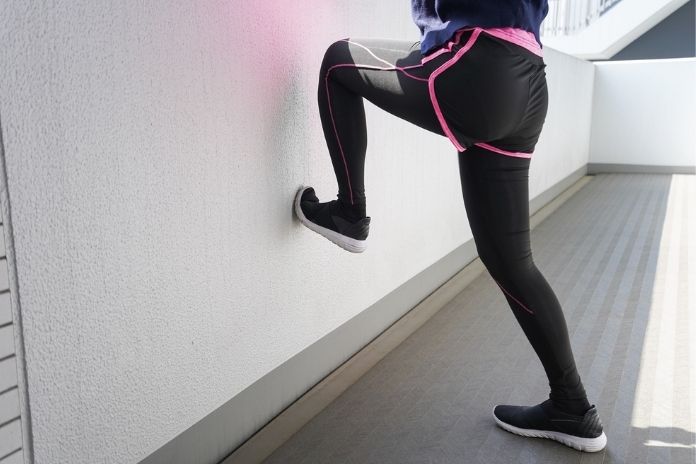
In the wall calf stretch, calf muscles get worked. Tight calf muscles are among the most common factors of shin splints due to their tendency to pull on the shin and change the way your foot absorbs impact. Stretching both the gastrocnemius and soleus restores flexibility. This also promotes running mechanics and relieves stress on the tibia.
How to do it:
- Stand with one leg behind the other, facing a wall.
- Leave your back leg straight and heel ground into the floor.
- Lean forward, bending your front knee until you feel a stretch in your calf.
- Hold for 20–30 seconds and repeat on each leg.
2. Seated Shin Stretch:

The front tibialis muscle at the front of your shin tends to be overworked when you’re running or jumping. Seated shin stretches help gently stretch that muscle, releasing tightness and easing pressure on the shinbone. It’s particularly helpful if you’re having pain on the front or lateral side of your shin.
How to do it:
- Kneel on the ground and sit back onto your heels.
- Have your toes point backward so the tops of your feet push against the ground.
- Lean back slowly to increase the stretch on your shins.
- Hold for 20–30 seconds.
3. Toe Flexor Stretch:
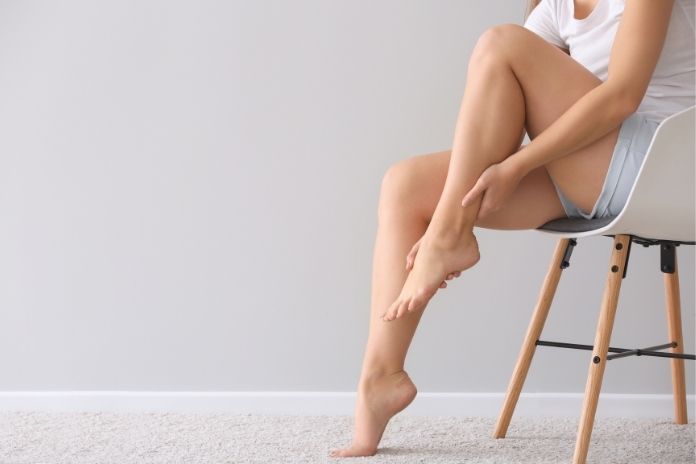
Shin splints aren’t solely a function of the shin muscles. The tightness in the toes and feet can migrate up and add to the shin pain. The toe flexor stretch relaxes the top of the foot and the connecting muscles, increasing flexibility and circulation to the lower leg.
How to do it:
- Sit in a chair and cross one ankle over your other knee.
- Use your hand to slowly pull back your toes until you sense a stretch on the top of your shin and foot.
- Hold for 15–20 seconds, then repeat on the other side.
4. Standing Heel Drop:
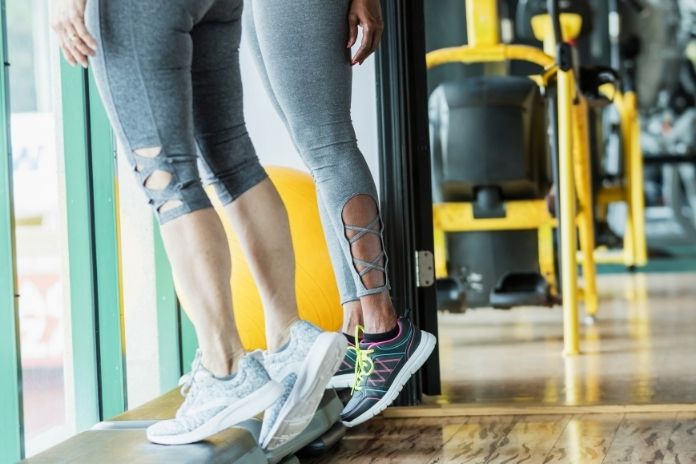
This standing heel drop exercise works the calves and Achilles tendon, which are impacted significantly when running. Stretching these muscles lessens the burden on your shins and increases ankle mobility, two areas of importance in preventing and recovering from shin splints.
How to do it:
- Stand on the edge of a curb or step with heels overhanging.
- Slowly lower your heels below the step level until you feel a stretch.
- Hold for 20 seconds and repeat.
5. Foam Roller for Shins:

Foam rolling is similar to a deep tissue massage for your shins. It loosens up tight fascia, promotes blood flow, and helps release tension in overworked muscles. This can accelerate recovery and enable your shins to deal with impact better.
How to do it:
- Get down on the ground and position a foam roller under your shins.
- Gradually roll up from your ankles to your knees, stopping on sensitive areas.
- Roll for 30–60 seconds.
Strengthening Exercises to be Done with Stretching
Stretching loosens tension, but strengthening allows your muscles to withstand the workload of running and impact-based exercise. Here’s how each exercise benefits:
Toe Raises (Dorsiflexion):
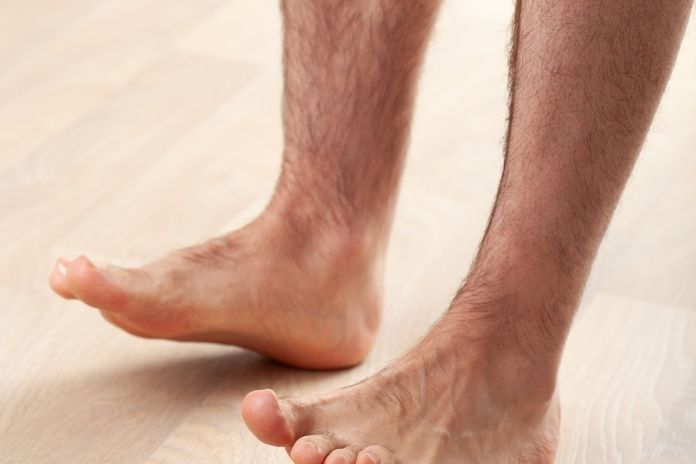
Toe raises strengthen the anterior tibialis, which helps in lifting your toes when running. This minimizes over-dependence on calves and equalizes muscle usage in the lower leg.
How to do it:
Stand with feet shoulder-width apart. Lift your toes while keeping your heels on the ground. Lower slowly and repeat.
Calf Raises:

Calf raises help with strong calves, which have better shock-absorbing ability, reducing stress on your shins. They also provide equal strength between the front and back of the leg.
How to do it:
Stand on a step and lift your heels off the floor, rising onto your toes. Slowly lower down and repeat.
Resistance Band Ankle Flexion:
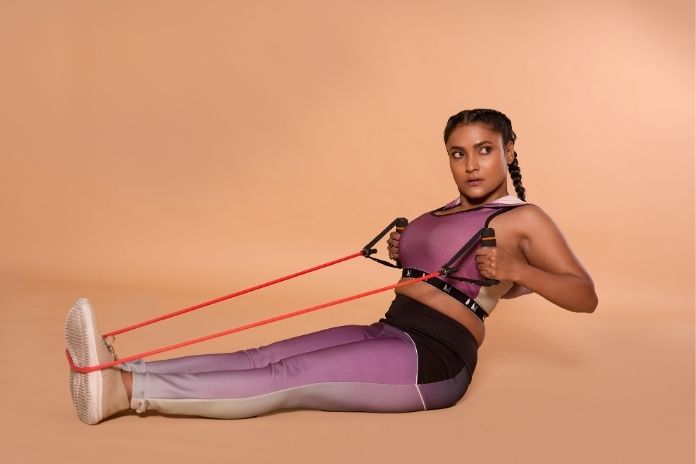
This exercise targets ankle and shin strength, making the lower legs more resistant to repetitive impact.
How to do it:
Sit with legs outstretched and wrap a resistance band around your foot. Pull toes back towards you against resistance. Slowly return to the starting position and repeat.
Additional Tips for Shin Splint Relief & Prevention
- Always warm up before running. You can indulge in light jogging or dynamic stretches to condition muscles.
- Invest in supportive footwear, such as running shoes with cushioning and arch support reduce impact stress.
- Progress gradually while avoiding sudden increases in mileage, speed, or intensity.
- Avoid hard surfaces, and opt for softer tracks or trails over concrete runs whenever possible.
- These small changes, along with regular stretching, significantly lower your risk of shin splints returning.
When to Rest or See a Doctor
While the majority of shin splints will improve with rest, stretching, and strengthening, there are certain situations when medical care is required.
- If the pain continues to persist despite several weeks of home treatment.
- There is swelling, numbness, or tingling in the lower leg.
- The pain does not go away, and instead becomes severe even when resting.
- You worry if it is a stress fracture ( this comes with a sharp, pinpoint pain in a single area).
If any of the above situations occur, you must consult an expert. A sports medicine physician or physiotherapist can offer a clear and helpful diagnosis and treatment plan.
Conclusion
Shin splints are prevalent, but they don’t have to be the end of your exercise routine. By working on specific stretches for shin splints, combining them with strengthening exercises, and adhering to prevention techniques, you can alleviate pain and prevent it from coming back.
Remember: consistency is the secret. A few minutes of stretching both before and after training can be all the difference between sidelining pain and tough, healthy legs. And next time, if you experience this painful situation, try any of the above-mentioned stretches to find instant relief. If pain continues, don’t be afraid to seek advice from a healthcare expert.
FAQs
-
How long does it take to get over shin splints?
With care, stretching, and rest, shin splints typically improve within 2–6 weeks.
-
Should I continue to run with shin splints?
No. Running despite pain can increase inflammation or cause stress fractures. Try low-impact activities until the pain disappears.
-
Can shin splints become stress fractures?
Yes. Without treatment, recurrent stress can develop into tiny bone fractures.
-
Are shin splints permanent?
No. With stretching, strengthening, good shoes, and intelligent training, most individuals recover completely.
References
- https://www.acefitness.org/resources/everyone/exercise-library/23/ankle-flexion/
- https://www.physitrack.com/exercise-library/how-to-perform-the-eccentric-heel-drops-exercise
- https://pmc.ncbi.nlm.nih.gov/articles/PMC9937638/
- https://www.physio-pedia.com/Medial_Tibial_Stress_Syndrome
- https://www.webmd.com/fitness-exercise/strengthening-calf-muscles
- https://kinxlearning.com/pages/toe-raise
- https://www.physitrack.com/exercise-library/how-to-perform-the-eccentric-heel-drops-exercise
In this Article