











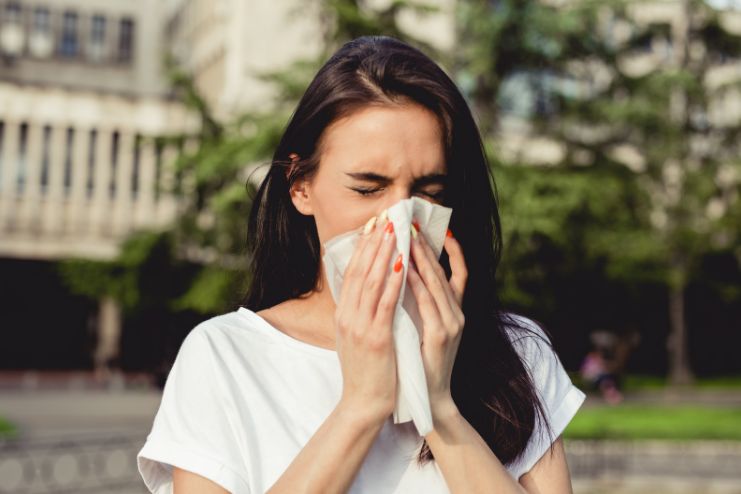
When congestion, sneezes, and sniffles strike, it’s natural to assume you have a cold. But what if allergies are actually to blame? Because their symptoms—runny nose, sneezing, coughing, and fatigue—often overlap, many people confuse the two conditions.
However, finding the right treatment requires understanding the key differences between a cold and allergies. Colds are caused by viral infections, while allergies result from the immune system’s reaction to harmless substances like dust, pollen, or pet dander.
Knowing whether you’re dealing with a cold or allergies can help you avoid unnecessary medications and ensure you manage your symptoms effectively. Mistaking a cold for allergies could delay your recovery, while treating allergies as a cold may lead to prolonged discomfort. This article will help you recognize the symptoms of both conditions and take the right steps toward faster relief.

Read More: Treat Common Cough and Cold at Home
Understanding Allergies
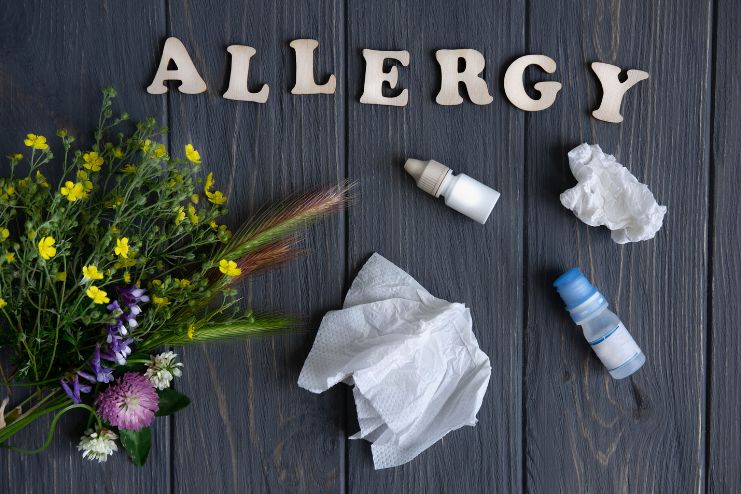
Allergies occur when your immune system reacts to foreign substances that enter your body. These substances, called allergens, include pollen, pet dander, dust mites, certain foods, medications, and even bee venom. While most people don’t react to these substances, they can trigger immune responses in sensitive individuals.
Allergic reactions can range from mild symptoms like sneezing, sniffling, and itching to severe, life-threatening reactions called anaphylaxis, which can cause airway swelling and dangerously low blood pressure.
When you have allergies, your immune system produces antibodies—defensive proteins that normally fight off harmful invaders like bacteria and viruses. However, in allergic reactions, these antibodies mistakenly identify harmless allergens as dangerous threats. When you’re exposed to an allergen, your immune system triggers inflammation in your skin, sinuses, airways, or digestive system.
Understanding the Common Cold
The common cold is an infectious illness that affects the upper respiratory tract, including your nose, throat, sinuses, and windpipe (trachea). Despite its name suggesting otherwise, colds are not caused by cold weather or getting chilled. Instead, they’re caused by viruses—over 200 different types can cause the common cold, with rhinovirus being the most prevalent.
Colds are incredibly common, which is how they earned their name. Adults typically get two to three colds annually, according to the U.S. Centers for Disease Control and Prevention, while young children may experience four or more colds per year.
The common cold spreads easily from person to person. It’s most commonly transmitted through airborne droplets when an infected person coughs or sneezes, which another person then inhales. You can also catch a cold by touching surfaces contaminated by an infected person and then touching your face.
Most people recover from a cold within seven to ten days, though smokers may experience symptoms for longer periods. While typical colds don’t require medical attention, you should consult your healthcare provider if symptoms worsen or don’t improve after ten days.
As Dr. Erich Voigt, clinical associate professor in the Department of Otolaryngology-Head & Neck Surgery at NYU Langone Health, explains: “Colds are caused by viruses for which we don’t have any cure or way to treat truly, so what we rely on are various methods to alleviate symptoms.”
Read More: Summer Cold – Causes, Symptoms and Treatment
Symptom Comparison: Allergies vs Cold
You’re feeling miserable with a sore throat, sneezing, and sniffles. But is it allergies or a cold? It can be challenging to distinguish between them because they share many common symptoms. However, understanding the key differences will help you choose the most appropriate treatment approach.
Dr. Teresa Hauguel of the NIH, a specialist in viral diseases affecting the respiratory system, emphasizes: “If you know what you have, you won’t take medications that you don’t need, that aren’t effective, or that might even make your symptoms worse.”
While both conditions affect your respiratory system and can make breathing difficult, several key symptoms distinguish each illness:
Cold-specific symptoms: People with colds frequently experience fever, body aches, sore throat, and thick, discolored mucus. These symptoms are rare in seasonal allergies.
Allergy-specific symptoms: Dark circles under the eyes, swollen eyelids, and intense itching of the eyes, nose, and throat are hallmarks of seasonal allergies. People with allergies rarely develop fevers or sore throats.
Duration differences: Allergy symptoms persist as long as you’re exposed to the allergen, potentially lasting six weeks or more during pollen seasons. Cold symptoms typically resolve within seven to ten days.
Onset patterns: Cold symptoms develop gradually over a day or two, while allergy symptoms often appear quickly after allergen exposure.
If symptoms persist for more than ten days or over-the-counter medications don’t provide relief, consult your healthcare professional.
Diagnosing Allergies and Colds

You can often determine whether you have a cold or allergies by carefully observing your symptoms and identifying potential triggers.
Allergies
Symptoms: Watery, itchy eyes; sneezing; runny nose with clear, watery mucus; itchy nose and throat; occasional cough
Triggers: Specific allergens such as pollen, dust mites, or pet dander
Onset: Symptoms typically appear soon after allergen exposure
Cold
Symptoms: Fever, body aches, fatigue, sore throat, cough, runny nose with thick, discolored mucus, sneezing
Triggers: Viral infections
Onset: Symptoms develop gradually over 1-2 days
Observing your symptoms and triggers can determine if you have a cold or allergies. In addition to sore throat, cough, fever, and body pains, colds can also induce itchy, watery eyes, sneezing, and runny noses, which are common symptoms of allergies.
Read More: Best Products for Alleviating Seasonal Allergies
Treatment Options for Allergies
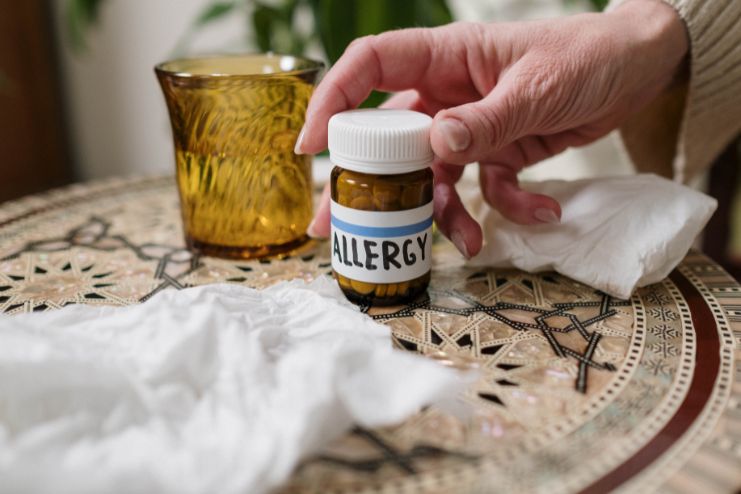
Your doctor will determine the most effective allergy treatment based on your medical history, allergy test results, and symptom severity. Comprehensive allergy management typically involves three approaches: allergen avoidance, medication, and immunotherapy.
Allergen Avoidance: The most effective way to prevent allergy symptoms and reduce medication dependence is to limit exposure to specific allergens. This includes removing allergens from your home and other environments where you spend time.
Don’t dismiss allergy symptoms as “just allergies.” Untreated allergies can lead to complications like sinus or ear infections. Fortunately, many safe and effective treatments are available:
Nasal Corticosteroid Sprays: These reduce and prevent inflammation in nasal tissues and airways. Available both over-the-counter and by prescription.
Antihistamines: The most commonly prescribed allergy medications are available as pills, liquids, nasal sprays, or eye drops. Suitable for both adults and children, available over-the-counter or by prescription.
Mast Cell Stabilizers: These prevent histamine release and help with an itchy, runny nose or watery, irritated eyes. Available as nasal sprays and eye drops.
Immunotherapy: Some allergy sufferers benefit from immunotherapy, including allergy shots and sublingual immunotherapy (SLIT). Allergy shots involve injecting gradually increasing doses of allergens to reduce sensitivity over time. They’re most effective for allergies to pollen, dust, pets, and stinging insects, but generally ineffective for food allergies, medication allergies, or skin conditions like hives and eczema.
Treatment Options for the Common Cold

Since colds are caused by viruses, there’s no cure—you must let the infection run its course. Most colds resolve on their own within seven to ten days without complications. Over-the-counter medications can help ease symptoms and keep you comfortable during recovery.
Important note: Antibiotics fight bacterial infections and are completely ineffective against viral colds. However, if complications like pneumonia or ear infections develop (particularly in children), healthcare providers may prescribe antibiotics for these secondary bacterial infections.
Numerous over-the-counter options are available to relieve cold symptoms, but some medications aren’t appropriate for children. Always consult a healthcare professional before giving over-the-counter drugs to children, and avoid combination medications that treat multiple symptoms simultaneously.
Read More: 15 Natural Remedies For Year-Round Allergies – Keep Them In Check
Conclusion
While sniffles may seem straightforward, determining whether you have a cold or allergies can significantly impact your comfort and recovery time. This article has outlined the key distinctions—from causes and duration to specific symptoms—to help you confidently differentiate between these two common conditions.
Think of your body as a messenger constantly providing clues. Are you experiencing itchy eyes and persistent clear nasal discharge? Or did chills and body aches appear suddenly? By carefully monitoring these signs, you can seek appropriate treatment and find relief more quickly.
Understanding the difference between colds and allergies empowers you to make informed healthcare decisions. Rather than just seeking temporary comfort, you’ll be better equipped for effective long-term health management.
References
- https://allergyasthmanetwork.org/allergies/
- https://www.betterhealth.vic.gov.au/health/conditionsandtreatments/allergies
- https://my.clevelandclinic.org/health/diseases/8610-allergies
- https://www.mayoclinic.org/diseases-conditions/allergies/symptoms-causes/syc-20351497
- https://www.mayoclinic.org/diseases-conditions/common-cold/symptoms-causes/syc-20351605
- https://www.cdc.gov/common-cold/about/index.html
- https://my.clevelandclinic.org/health/diseases/12342-common-cold
- https://www.hopkinsmedicine.org/health/conditions-and-diseases/common-cold
- https://www.mayoclinic.org/diseases-conditions/common-cold/expert-answers/common-cold/faq-20057857
- https://newsinhealth.nih.gov/2014/10/cold-flu-or-allergy
- https://www.healthline.com/health/allergies-or-something-else
- https://www.mayoclinic.org/diseases-conditions/cold-urticaria/diagnosis-treatment/drc-20371051
- https://www.goodrx.com/conditions/allergies/allergies-or-cold-symptoms-causes-treatment
- https://www.mayoclinic.org/diseases-conditions/hay-fever/in-depth/seasonal-allergies/art-20048343
- https://my.clevelandclinic.org/health/diseases/8610-allergies
- https://allergyasthmanetwork.org/allergies/how-are-allergies-treatment/
- https://aafa.org/allergies/allergy-treatments/
- https://www.aafp.org/pubs/afp/issues/2019/0901/p281.html
- https://pubmed.ncbi.nlm.nih.gov/31478634/
- https://www.mayoclinic.org/diseases-conditions/common-cold/in-depth/cold-remedies/art-20046403
- https://www.cdc.gov/common-cold/treatment/index.html
- https://www.today.com/health/cold-flu/best-cold-remedies-rcna49678
- https://nyulangone.org/news/nyu-langone-health-news-monday-march-3-2025
In this Article