














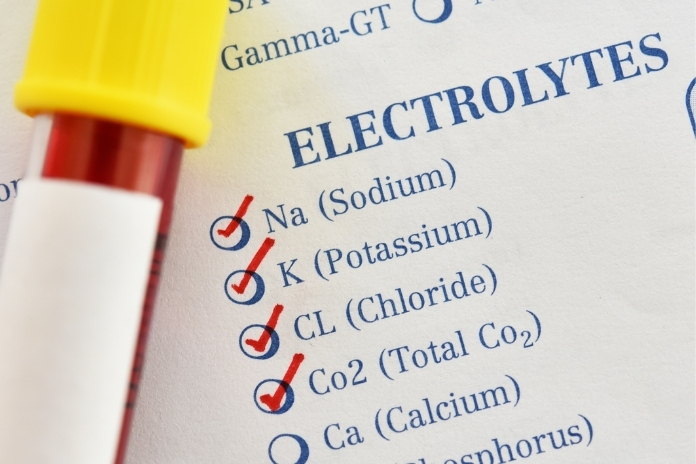
Electrolytes are minerals in your body fluids and blood that have an electric charge. Electrolytes regulate muscle contractions, nerve function, hydration, and acid-base balance. Sodium, potassium, calcium, magnesium, chloride, phosphate, and bicarbonate are common electrolytes. If the levels of any of these get too low or too high, it can interfere with normal bodily functions, causing an electrolyte imbalance.
Knowing the causes, the early signs of imbalance, and how to avoid imbalances can save you from severe health complications. In this article, we will learn in detail about electrolyte imbalance and ways to identify and treat the situation.
Read More: Top 7 Electrolyte Powders to Stay Hydrated: Boost Your Energy and Performance
What Is an Electrolyte Imbalance?
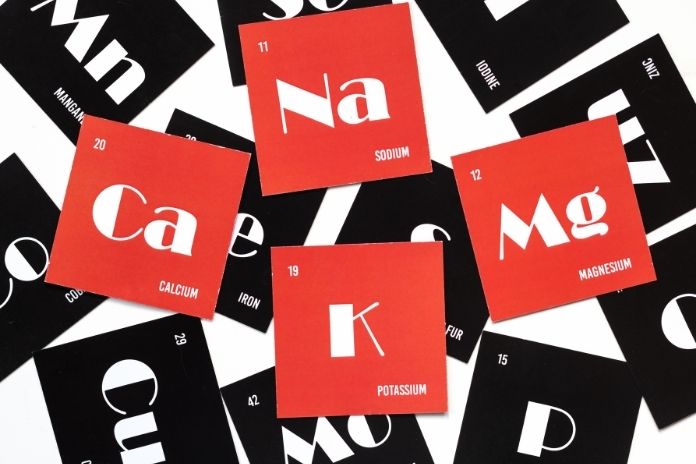
An electrolyte imbalance happens when the level of one or more electrolytes in the body goes outside the normal range. Because electrolytes are essential for the proper function of cells, even slight changes can impact your muscles, heart rhythm, and nervous system.
Mild imbalances can lead to fatigue or muscle weakness, but severe imbalances can cause an irregular heartbeat, seizures, or coma. The severity tends to vary with the electrolyte involved and whether the imbalance occurs gradually or suddenly.
Common Signs You May Be Lacking Electrolytes

If you lack electrolytes, your body tells you in various ways. However, symptoms differ based on which electrolyte is involved, yet some of the typical warning signs include:
Muscle Cramps or Weakness: Low calcium or potassium can interfere with muscle contraction, causing cramps, spasms, or weakness overall.
Fatigue and Lethargy: When electrolytes are out of balance, cells don’t make energy efficiently, and you become abnormally fatigued.
Irvin Sulapas, MD, a primary care sports medicine physician and assistant professor of family and community medicine at Baylor College of Medicine in Houston, shares how loss of electrolytes shows up as symptoms. “Feeling dizzy or lightheaded is a common symptom of an electrolyte imbalance”, Dr. Sulapas says. “You may also feel confused.”
Irregular Heartbeat: Abnormalities in potassium, calcium, and magnesium can disrupt electrical signals in the heart, causing palpitations or arrhythmia.
Confusion or Mood Changes: Sodium imbalances can change brain function, resulting in irritability, confusion, or, in extreme instances, seizures.
Nausea and Vomiting: Low and high levels of some electrolytes can cause digestive upset. Nausea and vomiting are among the signs that confirm this.
Common Causes of Electrolyte Imbalance

Various factors can disrupt your electrolytes. These include:
Dehydration: Excessive fluid loss through sweating, vomiting, diarrhea, or inadequate fluid intake can decrease sodium and potassium. Dehydration also decreases blood volume, causing the heart and kidneys to work harder.
Chronic Diseases: Diseases like kidney disease, diabetes, and hormonal imbalances can disrupt electrolyte balance. For instance, kidney failure can lead to potassium accumulation, whereas poorly controlled diabetes can result in sodium loss.
Drugs: Diuretics, laxatives, some antibiotics, and chemotherapy agents increase excretion or retention of electrolytes. Without monitoring, prolonged usage can drastically change levels.
Excessive Exercise: Sweaty and significant sodium and chloride loss as a result of intense or exhaustive exercise in tropical environments may lead to heat exhaustion or heat stroke without adequate hydration and electrolyte replacement.
Poor Diet or Malnutrition: Chronic imbalances can be caused by a diet that is low in essential minerals. Highly restrictive diets or eating disorders can limit potassium, magnesium, and calcium.
How to Replenish Electrolytes Naturally
Maintaining your electrolyte stores in balance doesn’t have to involve pricey supplements or sugary sports drinks. Nature offers more than enough tasty and convenient alternatives.
1. Consume Electrolyte-Rich Foods:

Try adding foods that help maintain electrolyte balance in the body. Here are a few good options:
- Bananas: A favorite source of potassium, bananas maintain muscle contractions and nerve function. They’re also an easy-to-carry snack.
- Spinach: Full of magnesium, calcium, and potassium, spinach aids energy production and relaxation of the muscles. Simply add to smoothies, omelets, or salads.
- Avocado: While not only a source of healthy fats, avocados are full of potassium and magnesium, and are perfect for heart and nerve function.
- Yogurt: Provides calcium for strong bones and nerve signaling, along with potassium for fluid balance. Choose unsweetened varieties to avoid excess sugar.
- Coconut Water: A natural hydration booster, coconut water contains potassium, sodium, and magnesium. It is ideal after sweating or light exercise.
2. Hydrate the Right Way:
Water is essential, but plain water alone may not restore electrolytes if you’ve lost a lot through sweating, illness, or intense exercise. Consider:
- Natural electrolyte beverages that are low-sugar or homemade varieties of water, a dash of sea salt, and a squeeze of citrus for vitamin C.
- Coconut water, a natural hydration booster, coconut water contains potassium, sodium, and magnesium. It is ideal after sweating or light exercise.
3. Eat a Balanced Diet:

It is simpler to get your daily electrolyte intake when your foods are balanced and full of nutrients:
- Bring on leafy greens, fruits, nuts, seeds, and dairy consistently.
- Don’t neglect healthy carbohydrates such as sweet potatoes and whole grains, which are rich in minerals like potassium and magnesium.
- Try to minimize high levels of processed foods, which can disrupt sodium levels and lead to water retention.
Read More: 23 Foods With Electrolytes You Must Include In Your Diet TODAY
How Electrolyte Imbalance Is Diagnosed
Doctors usually diagnose electrolyte imbalances through a blood test called a serum electrolyte panel. This measures sodium, potassium, chloride, and bicarbonate levels.
If an imbalance is detected, additional tests may be ordered, such as:
- Kidney function tests
- ECG to check for heart rhythm changes
- Urine tests to assess electrolyte excretion patterns
When to See a Doctor

Electrolyte imbalances occasionally can be treated at home, particularly when they’re mild and result from temporary causes such as a momentary bout of sweating or an instant stomach upset. Still, there are some symptoms that you should never overlook. Go see a doctor immediately if you observe:
- Severe muscle paralysis or weakness may be a sign of low potassium, calcium, or magnesium levels, which affect the functioning of nerves and muscles.
- Irregular or irregularly rapid heartbeat is another warning sign. Electrolytes such as potassium, sodium, and calcium are important in keeping the heartbeat normal, and their imbalance may lead to perilous arrhythmias.
- Confusion, dizziness, or sudden changes in alertness indicate an imbalance in electrolytes. Low sodium or calcium levels may interfere with brain function and cause severe neurological symptoms.
- Seizures are another red flag. These can happen when sodium levels decrease rapidly or calcium levels fall critically low.
- Recurrent vomiting, diarrhea, or symptoms of dehydration help us determine if the electrolytes are out of balance. If these do not clear with oral fluids, intravenous therapy may need to be done to correct the balance urgently.
If you already have a health condition, like kidney disease, heart failure, or uncontrolled diabetes, you should call your doctor even for less severe symptoms, as your body won’t be able to self-correct imbalances.
Read More: 8 Foods To Consume To Maintain Electrolyte Balance For A Healthier Lifestyle
Final Thoughts
Electrolyte imbalance is more than a simple condition; it can be a silent saboteur of your body’s most critical processes. Whereas minor imbalances tend to be rectified by improved hydration and balanced meals, more extreme instances are lethal if neglected.
The best method is to be proactive: feed the body whole, nutrient-rich food, heed early warning signs, and receive timely medical advice when things don’t feel right. Consider electrolyte balance as the internal “wiring” of the body that maintains it in working condition, and everything functions properly.
References
- https://medlineplus.gov/fluidandelectrolytebalance.html
- https://www.apollohospitals.com/diagnostics-investigations/electrolytes-test
- https://www.upmc.com/services/kidney-disease/conditions/electrolyte-disorder
- https://www.supremehospitals.in/preventing-electrolyte-imbalances-through-proper-diet-and-hydration/
- https://www.lifeextension.com/protocols/heart-circulatory/arrhythmias
In this Article