












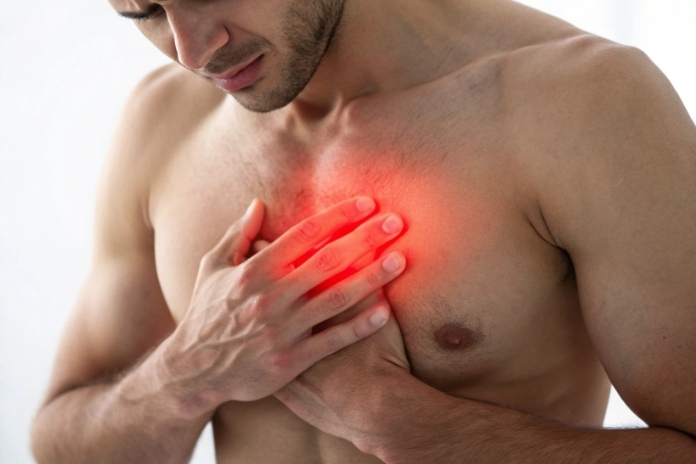
Many men notice their nipples appear puffy, swollen, or more prominent than they expect. This can be unsettling, raising questions about whether it’s merely a cosmetic concern or a sign of an underlying health issue. In medical terms, puffy nipples in men can arise from gynecomastia, the growth of glandular breast tissue due to hormonal imbalances, or from pseudogynecomastia, which is the accumulation of fat in the chest area. Distinguishing between these conditions is essential, as the approach to treatment differs significantly.
This article breaks down the causes of puffy nipples, explains how to differentiate between gynecomastia and chest fat, discusses potential treatments, and provides guidance on when to consult a healthcare professional. Understanding these nuances can help men make informed decisions about their bodies and health while alleviating concerns about appearance and self-confidence.
What Are Puffy Nipples in Men?
Puffy nipples in men refer to nipples that protrude or appear swollen, often noticeable under tight clothing or even without a shirt. While the term “puffy” might sound alarming, it doesn’t always indicate a medical condition. In many cases, this is simply a cosmetic variation of normal male anatomy.
However, in some men, puffy nipples may reflect underlying conditions such as gynecomastia, which involves the growth of glandular tissue, or pseudogynecomastia, caused by excess chest fat. “Puffy nipples can be a symptom of gynecomastia because the breast tissue underneath the nipples pushes the nipple-areolar complex outward,” explains Dr. Arnold Breitbart, board-certified plastic surgeon (American Board of Plastic Surgery).
It’s important to recognize that puffy nipples are relatively common and can vary widely among individuals. While sometimes purely cosmetic, they can also impact male body image concerns, leading to embarrassment, avoidance of certain clothing, or reluctance to participate in activities like swimming or sports.
Gynecomastia vs. Chest Fat: The Key Differences

Understanding the distinction between gynecomastia vs chest fat is crucial in determining the cause and proper approach to treatment.
Gynecomastia
Gynecomastia is the benign enlargement of male breast tissue, primarily due to a hormonal imbalance. Specifically, it occurs when estrogen levels become relatively higher than testosterone, stimulating the growth of glandular tissue under the nipple.
Key characteristics include:
- Firm, rubbery tissue under the nipple or areola.
- Localized swelling that may be symmetrical or on one side.
- Tenderness or sensitivity, sometimes accompanied by mild pain.
According to a 2018 study published in The World Journal of Men’s Health, gynecomastia affects up to 65% of adolescent boys, often resolving spontaneously, but can persist into adulthood in some men, especially when linked to hormonal disorders or medications.
Chest Fat (Pseudogynecomastia)
Pseudogynecomastia, or fat-related nipple puffiness, is caused by excess fat accumulation in the chest, not glandular tissue. Unlike gynecomastia, it feels soft and diffuse, often spreading across the chest rather than localized under the nipple.
Common features include:
- Soft, squishy tissue rather than firm lumps.
- Usually associated with overall weight gain or obesity.
- Often symmetrical but varies with fat distribution.
A clear distinction is critical because pseudogynecomastia responds well to lifestyle modifications, while gynecomastia may require medical intervention or surgery.
Common Causes of Puffy Nipples

Puffy nipples in men can develop for several reasons. Understanding the underlying cause is the first step in addressing the issue.
A. Hormonal Changes
Hormonal fluctuations are a leading cause of gynecomastia. During puberty, boys experience temporary changes in hormone levels that can stimulate breast tissue growth. This condition often resolves within a few months to two years without intervention.
In adult men, aging can lead to decreased testosterone levels and relative estrogen dominance, contributing to nipple puffiness. Certain medications, including anti-androgens, anabolic steroids, and some antidepressants, can also disrupt the hormonal balance and trigger gynecomastia.
“Gynecomastia is usually caused by an imbalance between two hormones – estrogen and testosterone. While estrogen is typically known as a female hormone, men also produce small amounts of it. When the levels of estrogen are too high relative to testosterone, it can lead to the development of breast tissue.” – Riley Children’s Health, Endocrinology Department
B. Weight Gain and Fat Distribution
Excess body fat can exaggerate nipple prominence. Men with higher body fat percentages often accumulate fat in the chest area, leading to what’s sometimes called pseudogynecomastia.
Unlike glandular gynecomastia, chest fat is soft and evenly distributed, not localized to the nipple. Weight gain can make even naturally puffy nipples more noticeable.
A study published in 2022 examined the effectiveness of cryolipolysis, a non-invasive fat reduction technique, for treating pseudogynecomastia in men. The study concluded that cryolipolysis is both effective and safe for reducing breast fat in pseudogynecomastia cases, particularly in men with mild to moderate breast fat accumulation. This suggests that non-invasive treatments can be a viable option for addressing this condition.
C. Medications and Substances
Certain medications and substances can trigger nipple puffiness by affecting hormone levels or fat distribution. Examples include:
- Anabolic steroids: disrupt the natural testosterone-estrogen balance.
- Anti-androgen medications: used in prostate conditions.
- Antidepressants and anti-anxiety medications: sometimes linked to hormonal shifts.
- Recreational substances like alcohol and marijuana may also contribute, though research is limited.
Patients taking these medications should discuss risks and alternatives with their doctor, particularly if nipple changes develop suddenly.
D. Medical Conditions
Rarely, puffy nipples may be associated with underlying medical conditions. These include:
- Hormone disorders: hypogonadism, hyperthyroidism, or low testosterone levels.
- Testicular conditions: such as tumors or infections affecting hormone production.
- Liver or kidney disease: can alter hormone metabolism.
While uncommon, these conditions highlight the importance of consulting a physician if nipple puffiness is persistent, painful, or accompanied by other symptoms like breast discharge, rapid growth, or lumps.
Overall, the causes of puffy nipples range from benign hormonal changes to lifestyle factors and, in rare cases, medical issues. Accurate diagnosis is essential for proper management.
How to Tell If It’s Gynecomastia or Fat

Differentiating gynecomastia from chest fat involves careful observation and, sometimes, medical evaluation.
Self-checks include:
- Feeling for firm, rubbery tissue beneath the nipple (gynecomastia) versus soft, diffuse fat (pseudogynecomastia).
- Noting whether swelling is unilateral or bilateral. Gynecomastia can affect one or both sides.
- Assessing pain or tenderness, which is more common with glandular growth.
A doctor may perform a physical examination, order ultrasounds, or run hormone tests to confirm the diagnosis. According to Dr. David A. Sieber. M.D, a plastic surgeon, the best way to check yourself for gynecomastia is to perform a pinch test, but you can also start with a visual test by simply looking at yourself in the mirror without a shirt on.
Treatment Options for Puffy Nipples

Treatment depends on whether the puffiness is caused by fat, glandular tissue, or a combination.
A. Lifestyle Changes
For men with pseudogynecomastia, lifestyle interventions can be highly effective:
- Weight loss through calorie management.
- Targeted chest exercises, including push-ups, bench presses, and resistance training, to improve muscle tone.
- A balanced diet rich in protein, low in processed sugars, and supportive of fat loss.
It’s important to note that lifestyle changes reduce fat-based puffiness, but they cannot eliminate glandular tissue.
Read More: 7 Best Foods For Weight Loss
B. Medical and Surgical Treatments
Men with gynecomastia or persistent nipple puffiness despite weight loss may consider medical or surgical options:
Medical treatments:
- Hormone therapy for men with confirmed estrogen-testosterone imbalance.
- Medications like tamoxifen or aromatase inhibitors may reduce glandular tissue in some cases.
Surgical options:
- Liposuction: removes excess fat in the chest area.
- Excision surgery: removes glandular tissue for firmer, flatter chest contours.
Surgery is generally considered when puffiness causes pain, discomfort, or significant self-esteem issues. A 2021 study published in the Aesthetic Surgery Journal examined the psychosocial outcomes of cosmetic surgery. The research indicated that cosmetic procedures led to increased satisfaction with the specific area of the body that was altered, as well as improvements in overall body image and self-esteem.
For men exploring puffy nipple treatment, consultation with a board-certified plastic surgeon or endocrinologist is recommended to determine the safest and most effective approach.
Read More: What Is Mounjaro? Everything You Need to Know About the New Weight Loss Injection
Conclusion
Puffy nipples in men are common and can stem from a variety of causes, including gynecomastia, chest fat, hormonal changes, or temporary developmental phases. While often harmless, they can impact self-esteem and body image, prompting men to seek solutions.
Understanding whether the cause is fat or glandular tissue is essential for effective treatment. Lifestyle changes may suffice for fat-based puffiness, whereas hormonal therapy or surgery may be necessary for gynecomastia.
If you notice persistent or painful nipple puffiness, or if you are uncertain about the cause, consult a healthcare professional. Early evaluation ensures appropriate care, protects your health, and helps you regain confidence in your appearance.
References
- https://www.leifrogersmd.com/blog/chest-fat-vs-gynecomastia-how-to-tell-the-difference/
- https://centreforsurgery.com/gynecomastia-vs-chest-fat/
- https://creoclinic.com/blog/gynecomastia-vs-fat/
- https://www.arraaesthetics.com/blog/chest-fat-vs-gynecomastia-how-to-tell-the-difference
- https://essenceaesthetic.com/difference-between-gynecomastia-and-chest-fat/
- https://www.alluremedspa.in/gynecomastia-surgery/gynecomastia-vs-fat/
- https://www.drdateclinic.com/blogs/difference-between-gynecomastia-and-chest-fat.html
- https://www.kosmoderma.com/gynecomastia-vs-chest-fat-treatment-guide/
- https://alcsindia.com/chest-fat-vs-gynecomastia-how-to-tell-the-difference/
- https://www.pristyncare.com/blog/gynaecomastia-vs-chest-fat/
- https://dramitguptaplasticsurgeon.com/what-are-the-differences-between-gynecomastia-and-chest-fat/
- https://www.drsmita.com/blog/how-to-know-if-you-have-gynecomastia-or-fat/
- https://www.sculptsublime.in/blog/gynecomastia-vs-chest-fat/
- https://gynecomastiala.com/gynecomastia-vs-chest-fat/
In this Article