












Introduction – The Morning Trend of “Proffee”
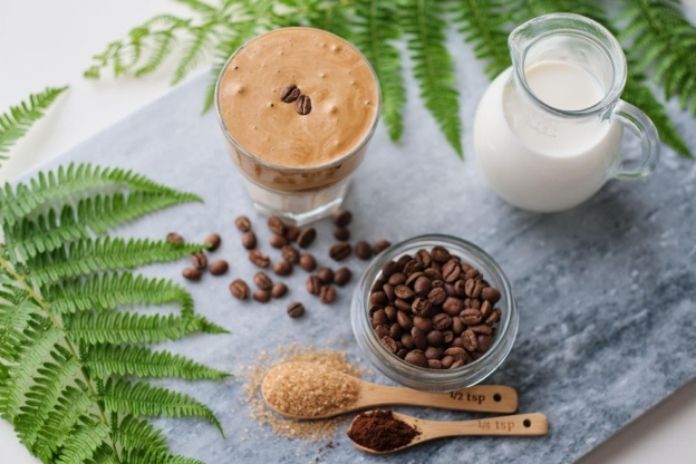
You’ve probably seen it already – someone on Instagram pouring a scoop of protein powder straight into their morning coffee and calling it “proffee.” It looks weirdly satisfying. Some people trust its efficacy, others think it’s just another short-term internet obsession. But here’s the thing – adding protein powder to coffee is not just about chasing trends. It actually makes practical sense for our modern routines.
Morning rush, skipped breakfast, long commute, tired brain – and somewhere in there, we still try to stay “healthy.” So, what happens when you combine your caffeine boost with your daily protein fix? You get one multitasking cup that wakes you up and feeds your muscles (at least partly).
This article breaks it down simply – what protein coffee benefits are real, how to make it taste good, what kind of protein powder won’t ruin your coffee, and where people go wrong with it. No hype – just how to make “proffee” actually work in daily life.
Why Add Protein Powder to Coffee? The Potential Benefits
Let’s be honest – most of us don’t get enough protein in the morning. Sometimes breakfast is just coffee and hope. But protein in the first half of the day actually matters – it keeps you full, prevents those 11 a.m. junk cravings, and helps your body recover if you’re training.
1. Meeting daily protein goals (without another shaker bottle)
If you’re skipping breakfast or not eating till lunch, protein powder in coffee helps you sneak in 20 grams of protein without effort. You don’t even need to chew anything.
2. Satiety and focus
That “I’m starving already” feeling hits less when your coffee carries some protein. It slows digestion moderately, so you don’t experience sudden spikes and crashes. Also, when you take caffeine and protein altogether, your focus feels more stable – not that jittery, high-crash pattern of black coffee.
3. Pre-workout combination that actually works

Many people already drink coffee before going to the gym. Add a scoop of whey, and suddenly you’re not just caffeinated – but you’re fueling muscles too. No fancy pre-workout tubs, no sugar bombs. Just caffeine + protein, the strong performance combination.
4. Time and convenience
Let’s be real – this one is the biggest reason people love it. Mornings are chaos. Making proffee is one easy decision. Took coffee? Always. Took breakfast? Sometimes. And this is how people usually get out of the door.
So yes, the protein coffee benefits are practical, not magical. It’s not going to transform your body, but it can make us follow nutrition goals easier when life is hectic.
Read More: Replenish Your Energy: 6 Best Protein Powders for Men’s Muscle Recovery
How to Make Protein Powder Coffee – Smart Mixing Tips
Now the tricky part. Mixing protein powder with hot coffee can be a bit of a mess. You know those weird clumps floating around? Nobody likes that.
Here’s how to make it work without turning your mug into a blender disaster:
1. Pick your protein
You’ve got choices – whey, plant-based, or collagen.
- Whey protein powder for coffee: mixes best, gives that creamy texture.
- Plant-based: good if you’re dairy-free, but the taste can vary a lot.
- Collagen: dissolves easily and doesn’t change flavour much, though it’s not a complete protein source.
2. Mixing trick (especially for hot coffee)
Don’t just dump the powder straight into your cup. That’s how you get floating cement.
Instead:
- First, mix your protein powder with a little bit of cold water or milk. Stir or shake till smooth.
- Then pour your hot coffee slowly while stirring.
- Or if you’re lazy, use a small hand frother. Works magic.
3. For iced coffee

This is easier. Cold coffee or cold brew, protein powder, ice, and shake = smooth and café-level proffee. You can even add a dash of cinnamon, a little almond milk, or flavoured protein (vanilla works beautifully).
4. Timing
You can do this:
- Morning energy boost
- Pre-workout drink
- Or light breakfast replacement (but only if you’re eating proper meals later)
Just don’t start replacing all your meals with proffee. It’s called “protein coffee,” not “meal replacement.”
Read More: 8 Best Plant-Based Proteins for Muscle Building
What to Look for in a Good Protein Powder for Coffee
Here’s where people mess up – they buy whatever powder looks fancy or “influencer-approved.” But the best protein powder for coffee is not the same as the best protein powder overall.
1. Check the ingredients
Avoid powders with excessive sugar, gums, or “energy blend” ingredients. You don’t need 10 ingredients that you can’t pronounce. Simple = better.
2. Third-party tested
Since protein supplements aren’t tightly regulated, choose brands that conduct independent testing (as indicated on the label). This matters if you’re drinking it daily.
3. Match to your diet
If you digest dairy fine, then you can take whey isolate. If your digestion is sensitive, pea or rice protein blends are a good option. If you just want skin and joint perks – collagen is your friend.
4. Taste matters more than you think
Remember, it’s going into coffee and not a smoothie. So, choose something that complements the coffee flavour. Vanilla, chocolate, or unflavoured are safe choices. Anything like “cookies and cream” or “banana caramel fudge” might taste like chaos when mixed with espresso.
5. Watch your macros
If your “healthy coffee” turns into a 350-calorie dessert with sugar syrup and whipped topping – then what are we even doing here? Keep it clean. Coffee + protein powder + maybe a splash of milk = perfect.
Read More: Shake Up Your Protein Game: 7 Delicious Protein Shakes Available on Amazon
Potential Downsides and What to Watch Out For
Okay, let’s balance this. Protein coffee is cool, but not a miracle elixir. There are a few small traps to avoid.
1. It’s not a full meal
Don’t fool yourself – a scoop of whey and coffee doesn’t replace a proper breakfast with carbs, fats, and vitamins. Use it as a shortcut, not a substitute for real food.
2. Texture issues
Some powders just refuse to mix well with hot drinks. If you dislike clumps, opt for an isolate or collagen product, or try cold coffee instead.
3. Overdoing caffeine and protein
A cup of coffee + pre-workout + energy drink later = it can make you overdrive. Too much caffeine can cancel out the calm focus you were hoping for. Excess protein (if your diet is already high) can also cause digestive discomfort.
4. Sugar traps
Watch those “mocha-flavored” proteins. Many have 10 grams of sugar or more per scoop. That’s just dessert coffee in disguise.
5. Nutrient absorption
Coffee can slightly reduce the absorption of certain minerals, such as iron. If you already have deficiencies, drink your proffee at least 2 hours away from your main meals or supplements.
So yes, smart moderation. Don’t just keep adding scoops because it tastes nice.
Who Might Benefit Most – And Who Should Be Cautious
Let’s be straight – not everyone needs protein powder in coffee, but for some, it’s genuinely useful.
You’ll love it if you’re:
- The one who has no time for breakfast
- Doing early morning workouts
- Trying to build or maintain muscle
- Office warrior surviving on caffeine but trying to eat better
Maybe skip or adjust if you’re:
- Sensitive to caffeine or already drink 4 cups a day
- Having gut issues, bloating, or digestion problems
- On a restricted medical diet
- Using it as your only source of nutrition
If you have health conditions like kidney or liver disease, heavy protein supplementation may not be ideal. Talk to your doctor before turning into a proffee regular.
Read More: 15 Homemade Protein Shakes For Weight Loss You Should Try
Key Takeaway
Adding protein powder to coffee – or jumping on the proffee trend – can actually make sense when done in a healthy and balanced way. You get your caffeine, some decent protein, and zero stress about snacking on unhealthy food for the day.
But it’s not a nutrition hack that replaces balance. Think of it like an upgrade to your regular coffee, not a substitute for breakfast.
Keep it clean by choosing a good protein powder for coffee, avoiding over-sweetening, and monitoring your caffeine intake. When done right, that morning cup can pull double duty – fuel and focus in one sip.
So, tomorrow, before you reach for your usual latte, consider giving proffee a try. One scoop, one stir, and your day starts slightly more efficient – not perfect, but real.
FAQs
Q1. Can I put any protein powder in my coffee?
Technically, yes, but some protein powders don’t mix well or even taste weird. Whey isolate and collagen blend best.
Q2. Will hot coffee destroy the protein?
Not really. Normal coffee temperature won’t denature the protein in any meaningful way. Just avoid boiling it directly.
Q3. Is protein coffee okay if I’m trying to lose weight?
Yes – it can keep you full longer and help avoid overeating later. Just skip added sugar and high-calorie syrups.
Q4. How much protein powder should I add to my coffee?
Usually one scoop (20–25 g protein). More than that will just make it thick and chalky.
Q5. Can I drink protein coffee if I already drink other caffeine drinks?
You can, but track your caffeine total – most people perform best when they stay under 300–400 mg/day.
Q6. Does adding protein to coffee count as a meal replacement?
No. It’s a light snack or boost, not a balanced meal. Pair it with real food for proper nutrition.
In this Article