








Pouchitis is a possible side effect that your medical team may have discussed with you if you have had J-pouch surgery to treat ulcerative colitis (UC). There is a 1-in-2 chance of getting it at some point in life, which indicates how common it is.
Although the condition is quite manageable, you should be aware of its signs to be able to identify the symptoms as soon as they appear and get help right away.
To help patients better manage this post-surgical condition, this article will cover the cause, symptoms, diagnosis, available treatments, and preventive measures for pouchitis.
Read More: Ulcerative Colitis: Causes, Symptoms, and Treatment
What Exactly Is Pouchitis?
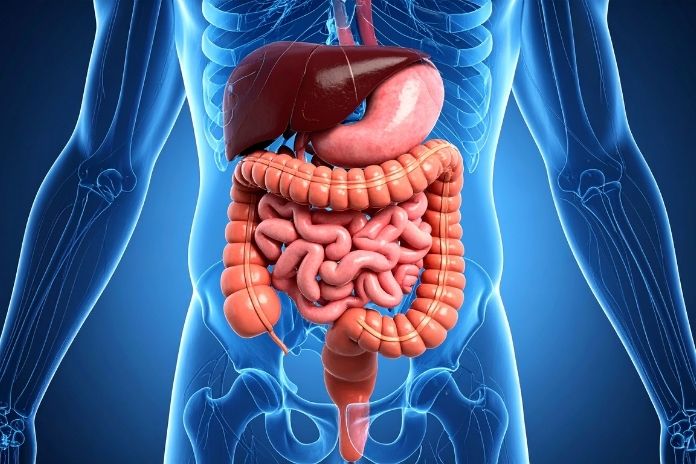
You must first grasp how an ileal pouch functions to comprehend pouchitis. Pouchitis means that the J-shaped area has become inflamed. This pouch accumulates feces throughout the day. You get the urge to use the restroom as it fills up. Without the J-pouch, you would collect liquid stool in an ostomy pouch and undergo an ileostomy, in which surgeons push the end of your small intestine through the skin of your abdomen.
“Inflammation of the ileal pouch (‘J pouchitis’) in patients with inflammatory bowel disease [who have undergone ileoanal anastomatosis] can either be acute or chronic,” says Sandhya Shukla, MD, a gastroenterologist with Atlantic Coast Gastroenterology Associates, New Jersey.
If existing therapies are unable to manage ulcerative colitis (UC) effectively, your doctor can suggest ileoanal anastomosis surgery. A surgeon removes the large intestine and rectum during this treatment. Next, they form a J-shaped pouch that connects the small intestine to the anus using some healthy small intestine.
While most occurrences of pouchitis eventually develop into chronic or long-term pouchitis that requires continuous treatment, acute or short-term pouchitis can come and go.
Symptoms & Signs to Watch For

How can you determine whether your J-pouch is irritated? According to Dr. Gaurav Syal, M.D., a gastroenterologist with UC San Diego Health in California and an expert for the American Gastroenterological Association (AGA),” inflammation of the pouch causes GI symptoms which is ironically similar to those caused by ulcerative colitis itself.”
These include:
- Lower abdominal discomfort
- Cramps in the stomach
- Urgent bowel movements
- Increased frequency of bowel movements
- Not being able to hold feces
- Straining from pain or obstruction
- Having the urge to poop but being unable to do so
- Blood in the stool
- Fever or chills
“Patients often describe [pouchitis] as a ‘return of UC-like symptoms’ despite having had surgery,” says Ekta Gupta, MBBS, the chief of gastroenterology at the University of Maryland Medical Center in Baltimore.
Read More: Crohn’s and Colitis: Facts, Symptoms, and Support Tips
What Causes Pouchitis? Understanding the Triggers

Medical professionals link pouchitis to changes in the types of gut bacteria living in your pouch. When surgeons turn part of your small intestine into a large intestine, it becomes exposed to new bacterial species that compete with the previously present ones. This could trigger your immune system by signaling an infection, leading to an inflammatory reaction.
It may result in an infection in specific individuals. If given the chance, some bacteria in your stomach will attempt to take over. We refer to these as harmful bacteria. Even without an infection, your stomach typically contains some of them, but other bacteria in your stomach usually keep them under control. However, ileal pouch surgery alters the balance and provides them with a fresh chance to control their surroundings.
“The origins of pouchitis can be traced back to the UC itself. Ulcerative colitis is a type of inflammatory bowel disorder (IBD). If you have IBD, you have an inflammation in your gastrointestinal tract due to several factors, including immune system dysfunction,” says Arthur
Decross, M.D., a gastroenterologist and professor of medicine at the University of Rochester Medical Center in New York. “In pouchitis, the lining of the pouch becomes inflamed in a way that’s similar to how their colitis occurred,” he adds.
Diagnosing Pouchitis — How Clinicians Confirm It
Your healthcare provider will examine you. The provider will question your symptoms and medical history. Medical staff may provide a contrast liquid before performing some of the tests listed below:
- Urine and blood testing may reveal indications of inflammation or infection.
- One form of X-ray is pouchography. Contrast will be injected into your pouch by your healthcare provider. The pouch is more visible in the X-ray due to the contrast material.
- Doctors may use an MRI or a CT scan to identify issues in your intestines or pouch. You must not bring any metal object into the MRI room. Since an MRI machine uses a strong magnet, the magnet on metal objects could cause serious injury.
- The use of a thin and flexible tube called a scope to examine the inside of the pouch is known as pouchoscopy. It is also possible to obtain tissue samples using a scope.
Read More: Does Watermelon Make You Poop? What to Know About Its Digestive Benefits
Treatment Options — How Pouchitis Is Managed
Reducing symptoms is the primary objective of pouchitis treatment
Acute Pouchitis: If this is the first time you’ve developed pouchitis or you get pouchitis infrequently, treatment is antibiotic therapy, including ciprofloxacin or metronidazole, for two to four weeks. If that doesn’t work, your clinician may consider a combination of antibiotics. “For most people, we end up treating pouchitis with antibiotics because they work so well,” says Dr. Gaurav Syal.
Recurrent Pouchitis: Some patients may develop pouchitis that improves with antibiotics but recurs soon after treatment stops. Chronic antibiotic-dependent pouchitis is an alternative term for this condition. In this instance, taking antibiotics for an extended period of time is usually advised by the healthcare practitioner.
Your doctor might advise immunosuppressive therapy, which includes biologics or oral small-molecule medications used to treat IBD, such as Remicade (infliximab), Entyvio (vedolizumab), and Rinvoq (upadacitinib), among others. You can also discuss a reliable strategy with your doctor If you have too many side effects from antibiotics or are worried about using them for an extended period of time.
Living With a Pouch — Long-Term Outlook & Preventive Tips
Making a few mindful lifestyle choices can help you stay comfortable and support long-term pouch health.
- Avoid using NSAIDs, such as ibuprofen and aspirin. NSAIDs can cause flare-ups.
- Consume a range of nutritious foods. Fruit, vegetables, whole-grain breads, beans, lean meat, fish, and low-fat dairy products are all considered healthy foods. A nutritionist or your healthcare professional can help you develop a personalized meal plan.
- As instructed, consume liquids. Find out which liquids are best for you and how much you should drink each day. Milk, juice, and water are good options for most people.
- Avoid drinking alcohol. Drinking alcohol can exacerbate your symptoms.
- Engage in physical activity as instructed. Being active can keep your gut healthy and help prevent constipation. You may try different plans to find the best workout regimen ideal for you.
When to Call your Physician?

Get in touch with your physician immediately if:
- You have a temperature exceeding 100.4°F or 38°C.
- You’re experiencing a stomachache.
- Your discomfort worsens.
- You’re bleeding from the rectum.
- Your symptoms worsen, or are constantly persistent.
- You’ve developed new symptoms.
Conclusion
While pouchitis is one of the most common problems associated with the ileal pouch, it does not impede quality of life or healing. Proper awareness, early diagnosis, and education are the keys to keeping it in check. Some of these subtle warning signs, such as increased frequency and urgency of bowel habits and cramping accompanied by bowel habits, are the difference between a short-lived flare and a long struggle with pouchitis.
Being aware of your individual susceptibility to pouchitis is essential. It includes your history of inflammation, eating habits, and stress levels. By working closely with the physicians involved in your care, you can ensure close monitoring, early diagnosis, and treatment with probiotics, antibiotics, or lifestyle modifications.
Read More: 10 Ways to Prevent Stomach Bloating- Causes and Remedies
FAQs
Q. What’s the difference between acute and chronic pouchitis?
A. The main distinction between acute and chronic pouchitis is the duration of inflammation. Usually lasting less than 4 weeks, acute pouchitis is a rapid-onset inflammation that often improves with treatment. A more chronic form of pouchitis lasting 4 weeks or more is called chronic pouchitis.
Q. Can pouchitis be prevented?
A. Following a healthy lifestyle, such as avoiding NSAIDs, staying well hydrated, and eating a balanced diet rich in fruits, vegetables, and lean proteins, may help lower the risk of pouchitis.
Q. How long does treatment take?
A. The duration of pouchitis ranges from acute, or less than 4 weeks, to chronic, or more than 4 weeks. A 2-week course of antibiotics frequently cures acute cases.
Q. If I have pouchitis, can I still live an everyday life?
A. Indeed, most patients with pouchitis can lead everyday lives, particularly if the illness is treated appropriately.
Q. When should I see my doctor for changes in my symptoms?
A. If your pouchitis symptoms get worse, don’t improve, or start causing new problems, you should consult your doctor promptly.
References
- https://my.clevelandclinic.org/health/diseases/15484-pouchitis
- https://www.mayoclinic.org/diseases-conditions/pouchitis/symptoms-causes/syc-20361991
- https://www.ummhealth.org/health-library/understanding-pouchitis
- https://www.everydayhealth.com/digestive-health/what-is-pouchitis-and-can-you-prevent-it/
- https://www.healthcentral.com/condition/ulcerative-colitis/pouchitis
- https://atlanticcoastgastro.com/physicians/sandhya-shukla-md/
- https://www.loyolamedicine.org/services/digestive-health-program/digestive-health-conditions/pouchitis
- https://www.crohnscolitisfoundation.org/clinical-pearls/pouchitis
- https://www.drugs.com/cg/pouchitis.html
- https://www.urmc.rochester.edu/people/112358842-arthur-j-decross
- https://health.usnews.com/doctors/gaurav-syal-4043485
In this Article