











Menopause is a clear biological milestone, but the story doesn’t end the day your periods stop. Postmenopause begins after 12 consecutive months without a menstrual period, marking the permanent end of ovarian hormone production. This stage isn’t temporary; for most women, it lasts for the rest of their lives.
The changes that follow can be both immediate and long-term. Some symptoms, like hot flashes, night sweats, and vaginal dryness, may persist for years, while others, such as an increased risk for osteoporosis, cardiovascular disease, and changes in metabolism, emerge gradually over time.
Understanding postmenopause is about more than tracking symptoms; it’s about knowing how lower estrogen and progesterone levels reshape health risks, and what you can do to protect yourself. In this article, we’ll break down the hormonal shifts that occur, the symptoms most likely to linger, the chronic health risks that rise in this phase, and the practical, evidence-based steps you can take to stay strong, comfortable, and healthy throughout the postmenopausal years.
Menopause vs. Postmenopause: What’s the Difference?

Menopause describes the point in time of the final menstrual period, which is only confirmed after 12 months of no bleeding. Postmenopause is everything that follows: the years and decades after that final period. In other words, menopause is the event; postmenopause is the life stage that follows.
Hormone levels (mainly estrogen and progesterone) fall dramatically during perimenopause and menopause; after the first year without periods, many hormones stabilize at lower levels, but their long-term effects continue to influence health.
Clinically, this matters because some treatments and screening strategies differ by timing: for example, hormone therapy has a different benefit-risk profile if started near the time of menopause versus many years later. Guideline bodies, therefore, distinguish between perimenopause, early postmenopause, and late postmenopause when making care recommendations.
Hormonal Changes After Menopause
The defining hormonal change is the loss of ovarian estrogen and progesterone production. Follicle-stimulating hormone (FSH) rises and estradiol drops; levels then settle at a low baseline. This endocrine shift affects multiple systems: metabolism (slower resting energy use), mood and sleep regulation, bone remodeling, and the tissues of the urogenital tract.
As Dr. JoAnn Pinkerton, who helped lead NAMS guidance on hormone therapy, notes: “Hormone therapy remains the most effective treatment for vasomotor symptoms.” That effectiveness is one reason HRT is still an important option for many symptomatic women when benefits outweigh risks.
Lower estrogen contributes directly to faster bone turnover (bone loss) and unfavourable changes in blood lipids and vascular function, factors that raise fracture and cardiovascular risk over time.
Common Postmenopausal Symptoms

While menopause itself is a single point in time, the postmenopausal years can bring a range of ongoing symptoms. Some are carryovers from the transition, like hot flashes and night sweats, while others become more noticeable only after hormone levels have settled at their new baseline.
Vaginal and urinary changes, sleep problems, mood shifts, and joint discomfort are among the most frequently reported. Not every woman experiences all of these, but being aware of what’s common helps you recognize what’s normal, what deserves medical attention, and what can be managed with lifestyle changes or treatment.
A. Physical Symptoms
- Hot flashes and night sweats (vasomotor symptoms, VMS). Many people continue to have hot flashes for years after menopause; large studies (SWAN) show median durations often measured in many years, frequent VMS can last 7+ years for many women, and in some cases, more than a decade.
- Vaginal dryness, itching, and painful intercourse (genitourinary syndrome of menopause or GSM). These symptoms are caused by thinning, loss of elasticity, and reduced lubrication in vaginal tissues and can worsen without treatment. Low-dose vaginal estrogen, vaginal moisturizers, and non-hormonal options can help.
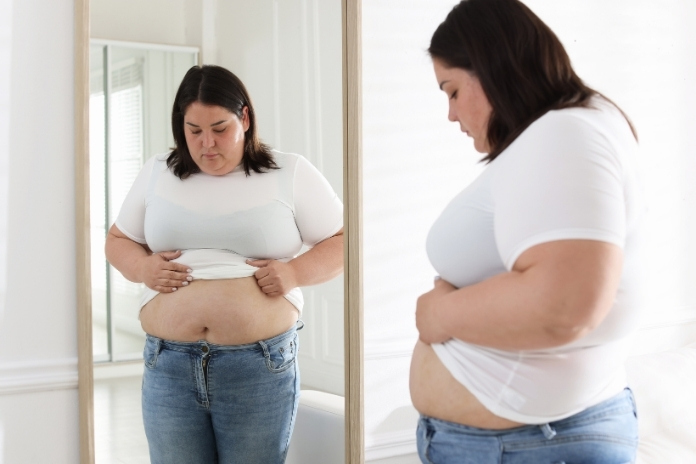
- Weight and body-composition changes. Many people notice increased abdominal/visceral fat and loss of muscle (sarcopenia). These shifts reflect hormonal effects, plus aging and lifestyle factors. Resistance training and attention to protein intake reduce these risks.
Read More: 14 Ways To Lose Weight During Menopause – Don’t Let The Hormones Take Over
B. Emotional and Cognitive Symptoms
Mood swings, anxiety, and depression risk can increase around midlife; sleep disruption from night sweats amplifies these effects. “Menopause brain”, problems with attention, word-finding, or short-term memory, is common and often tied to sleep, mood, and vasomotor symptoms rather than progressive dementia. Short-term cognitive complaints often improve once symptoms are treated and sleep stabilizes.
C. Urinary and Sexual Health
Postmenopausal tissue changes increase urinary frequency, urgency, and risk of recurrent urinary tract infections. Vaginal atrophy increases pain with sex. For recurrent UTIs and GSM, low-dose vaginal estrogen is an evidence-based option that reduces symptoms and may lower UTI risk; nonhormonal lubricants and pelvic-floor therapy are also useful.
Long-Term Health Risks After Menopause
Menopause signals more than the end of menstrual cycles; it marks a shift in hormone levels that can affect long-term health. Lower estrogen and progesterone levels impact the bones, heart, metabolism, and even cognitive function, increasing the risk for conditions that may develop silently over time. Understanding these risks is key: early awareness and proactive steps can help prevent complications and support overall well-being in the postmenopausal years.
A. Bone Health
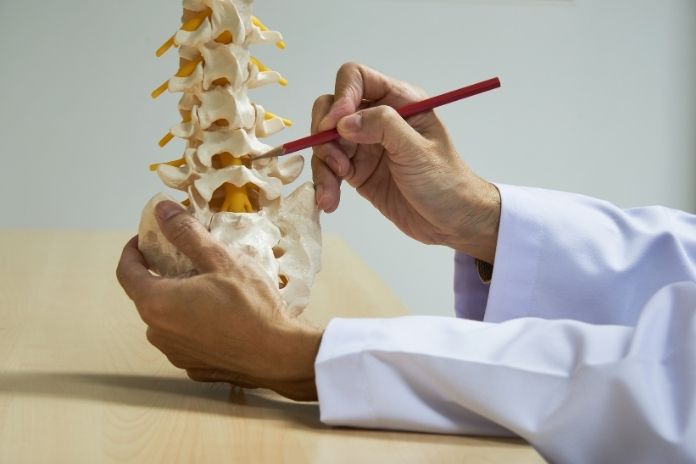
Estrogen plays a major role in maintaining bone density. The years around menopause are when bone loss is often fastest; some studies show notable declines of bone mass in the first 5–10 years after the final menstrual period, contributing substantially to later osteoporosis and fracture risk. Preventive measures and medical treatment, when appropriate, can reduce the risk of fractures
B. Heart Health
The risk of Cardiovascular disease rises after menopause. Changes include higher LDL cholesterol, increases in blood pressure, and greater arterial stiffness. Large reviews and AHA statements highlight menopause as an important window for cardiovascular risk assessment and prevention. Managing lipids, blood pressure, weight, and smoking cessation are central.
C. Other Risks
Postmenopausal years carry a higher population risk for type 2 diabetes (especially with weight gain and central adiposity), and some hormone-sensitive cancers depend on individual history and exposures. Early or late menopause is associated with different long-term disease patterns; individualized risk assessment matters.
How to Manage Postmenopausal Health

Postmenopause doesn’t have to mean simply reacting to new symptoms or risks; it’s an opportunity to take charge of your health. With thoughtful lifestyle choices, targeted medical care, and regular monitoring, many of the changes that follow menopause can be managed effectively.
From maintaining bone and heart health to addressing persistent symptoms like sleep disruption or vaginal dryness, proactive strategies can help women thrive in the postmenopausal years rather than just cope.
A. Lifestyle Changes (diet, exercise, sleep, stress)
- Diet: Aim for a balanced diet rich in calcium-containing foods (dairy or fortified alternatives), adequate protein to preserve muscle, and plenty of vegetables, whole grains, and omega-3 sources. The NIH and major centers recommend meeting calcium/vitamin D needs primarily through diet and targeted supplementation only when indicated.
- Exercise: Combine resistance training (to preserve/ build muscle) with weight-bearing aerobic activity to support bone and cardiovascular health. Even modest regular strength training slows age-related muscle and bone loss.
- Sleep and stress: Treat sleep disruption aggressively (address night sweats, sleep apnea if present), and use CBT, relaxation techniques, or counseling for mood and anxiety problems; these interventions improve quality of life and sometimes reduce hot flashes.
B. Medical Treatments
- Hormone replacement therapy (HRT): Estrogen is the most effective therapy for hot flashes and helps prevent bone loss. Guidelines (NAMS and specialty reviews) emphasize individualized decision-making: age at initiation, time since menopause, personal and family medical history, and goals matter because risks and benefits evolve over time.
For many symptomatic women younger than 60 or within 10 years of menopause, the benefit-risk ratio is favorable; for older women or those with certain risk factors, alternatives may be safer.
“I want to take fear out of the conversation. Hormone therapy remains the most effective treatment for vasomotor symptoms and the genitourinary syndrome of menopause and has been shown to prevent bone loss and fracture,” said Dr. JoAnn Pinkerton, MD, who also chaired the advisory panel that penned the 2017 NAMS position statement on hormone therapy.
- Local vaginal therapies: Low-dose vaginal estrogen, DHEA suppositories, or lubricants/moisturizers effectively treat GSM and often improve sexual comfort and urinary symptoms. For women with estrogen-sensitive cancers, management requires specialist input.
- Nonhormonal options: For those who cannot or choose not to take hormones, several effective options exist: SSRIs/SNRIs and gabapentin reduce hot flashes in many women, and a new class, neurokinin-3 (NK3) receptor antagonists (e.g., fezolinetant / Veozah), has been FDA-approved for moderate-to-severe vasomotor symptoms.
These drugs expand choices but have specific monitoring needs (for example, liver monitoring was later recommended for fezolinetant). Discuss risks, interactions (e.g., tamoxifen and some antidepressants), and costs with your clinician.
Read More: What Is Genitourinary Syndrome of Menopause? Early Signs and Relief Options
C. Preventive Health and Screening
- Bone density (DEXA) scans: Routine screening is recommended for women ≥65. For postmenopausal women under 65, test if they have risk factors (low body weight, prior fracture, steroid use, and family history). Use fracture-risk calculators to guide timing.
- Cardiometabolic monitoring: Check blood pressure, fasting lipids, glucose/HbA1c, and discuss personalized CVD risk reduction.
- Cancer screening: Continue guideline-based breast, cervical (as appropriate), and colorectal screening based on age and risk. Discuss hormone-sensitive cancer history before starting HRT.
FAQs
How long does postmenopause last?
Postmenopause begins after 12 months without a period and continues for life. Symptom duration varies: many have hot flashes for several years; some for a decade or more.
Can postmenopausal symptoms go away?
Yes, some symptoms fade with time or respond well to targeted treatments (HRT for hot flashes; vaginal estrogen for GSM). Others, like the underlying risk for bone loss or CVD, require ongoing prevention.
Is weight gain after menopause inevitable?
Not strictly inevitable, but many experience shifts in body composition (more visceral fat, less muscle). Lifestyle steps (resistance training, protein, calorie balance) and treating sleep or mood problems lower the chance of unhealthy weight gain.
What’s the best age for bone density testing?
Universal testing is recommended at age 65; younger postmenopausal women should be screened earlier if they have risk factors for osteoporosis. Individual assessment with a clinician is the right first step.
Conclusion
Postmenopause is a natural stage of life, marked by predictable hormone changes and associated health risks, but predictable doesn’t mean unavoidable. Lifestyle strategies such as regular exercise, balanced nutrition, maintaining a healthy weight, and avoiding smoking can go a long way in protecting bones, heart, and overall health. Smart screening, including bone density checks and cardiometabolic monitoring, helps catch potential issues early.
Symptom management is equally important. Hormone therapy, when appropriate, local vaginal treatments, or newer nonhormonal options can improve quality of life by addressing persistent issues like hot flashes, sleep disturbances, or vaginal discomfort. By working with your clinician to tailor prevention and treatment strategies to your personal risks and priorities, you can maintain health, comfort, and vitality well into the postmenopausal years.
References
- https://online.nursing.georgetown.edu/blog/a-guide-to-perimenopause-menopause-and-postmenopause
- https://www.optum.com/en/health-articles.html/your-care/perimenopause-vs-menopause-vs-postmenopause
- https://my.clevelandclinic.org/health/diseases/21841-menopause
- https://www.ncbi.nlm.nih.gov/books/NBK507826/
- https://www.templehealth.org/services/conditions/menopause
- https://www.myjuniper.com/blog/perimenopause-vs-menopause-vs-postmenopause
- https://www.sciencedirect.com/science/article/pii/S0092867423009054
- https://www.who.int/news-room/fact-sheets/detail/menopause
- https://lubracil.com/blogs/news/menopause-vs-postmenopause
- https://www.ayaanshhospital.com/perimenopause-vs-menopause-whats-the-difference/
- https://www.baptisthealth.com/care-services/conditions-treatments/menopause-perimenopaus-postmenopause
- https://www.nhsinform.scot/healthy-living/womens-health/later-years-around-50-years-and-over/menopause-and-post-menopause-health/after-the-menopause/
- https://www.jeanhailes.org.au/health-a-z/menopause/about-menopause
- https://www.youtube.com/shorts/n9VhSg6NuXI
- https://blog.walgreens.com/health/womens-health/what-are-the-different-stages-of-menopause.html
- https://www.piedmontmedicalcenter.com/healthy-living/corporate-content/perimenopause-vs-menopause
- https://www.quora.com/What-is-the-difference-between-peri-menopause-and-post-menopause-Which-one-causes-more-severe-symptoms
- https://pmc.ncbi.nlm.nih.gov/articles/PMC4539866
- https://www.healthdirect.gov.au/post-menopause
- https://www.mayoclinic.org/diseases-conditions/menopause/symptoms-causes/syc-20353397
- https://www.webmd.com/menopause/health-after-menopause
In this Article