












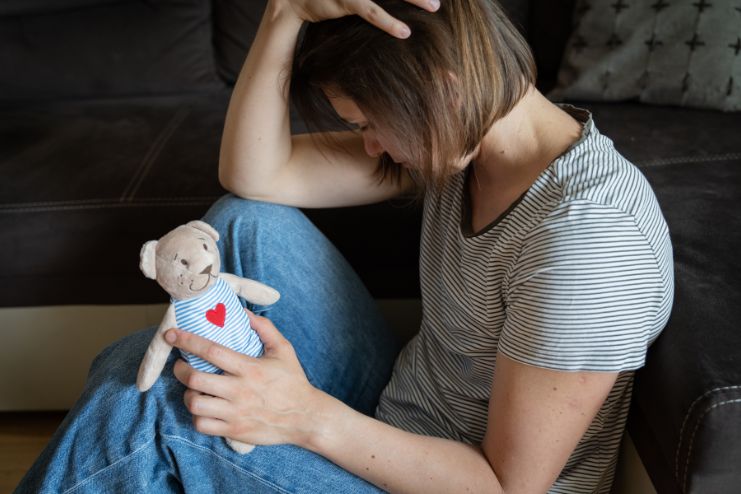
Even though abortion is a regular medical operation, the psychological and emotional reactions that follow are frequently disregarded or mocked.
Abortion can have psychological and emotional effects. Many women who seek abortions already have children and have decided to end their pregnancy for financial reasons, either alone or with a partner. Some people get abortions for health-related reasons. Some people choose to get an abortion because they are not yet moms.
The mental health component of abortion is still a silent battle for many despite society’s heavy emphasis on the physical aspects. There isn’t a “one-size-fits-all” emotional response, in actuality.
One of the reasons for selecting a termination is that around half of pregnancies in the United States are unplanned. There are a variety of reasons, though, for not wishing to carry a pregnancy to term. These may consist of relational, social, financial, or psychological aspects.
This article aims to end the taboo, normalize the emotional complications that accompany treatment, and provide helpful advice.
Read More: Emergency Contraception: What You Need to Know and How It Works
Common Emotional Reactions After an Abortion
When we think of medical procedures, we typically consider their physical effects. What about the impact on the emotions? Each person may experience recovery from an abortion differently. It might be challenging to cope with some of the emotional implications of abortion. If you’re experiencing emotional difficulties, it’s essential to seek help.
Any pregnancy loss will disrupt the hormone cycle. Hormonal changes following a planned termination may be the cause of the destructive emotions that follow, as they are comparable to those following an unanticipated pregnancy loss.
Women who have had an abortion report a variety of emotional side effects. It may include:
- Post-abortion depression.
- Suicidal thoughts.
- Sentiments of loss.
- Fear
- Diminished self-worth.
- After an abortion, regret
- Dysfunction in sexual relations.
- Avoid being emotionally attached.
Social stigma, interpersonal issues, and religious convictions can also make it more challenging to deal with, particularly if they leave the person with no one to talk to about what has happened.
Depression may be more likely to emerge, though, if there are other difficulties, like a feeling of loneliness or a history of mental health disorders.
The Turnaway Study, a seminal examination of abortion conducted by the University of California, San Francisco’s Advancing New Standards in Reproductive Health (ANSIRH), disproved the notion that abortion recipients suffer from profound regret, bereavement, or even PTSD.
Read More: Get to know about Natural Birth Control
What Does Post-Abortion Depression or Anxiety Look Like?
After an abortion, is postpartum depression possible? Although there is evidence that abortion can result in depression, the incidence and severity of this effect vary depending on factors such as the reason for the abortion.
Most importantly, understand that feeling sadness after an abortion is a common—though often complex—experience shared by many women. Your experience of having an abortion might cause strong emotions that may even cause psychological issues.
Ten years prior, an APA task group that reviewed the scientific literature on abortion concluded, particularly when it came to unexpected pregnancies. According to the task group, there was no evidence that women who had an abortion during the first trimester were more likely to experience mental health issues than those who carried on with an unintended pregnancy.
According to Nancy Felipe Russo, PhD, an emeritus professor of psychology and women’s studies at Arizona State University who has led studies on unintended pregnancy, mental health, and abortion, “the best predictor of a woman’s mental health after an abortion is her mental health before the abortion.”
Although one in four American women will have an abortion before the age of 45, there are many other reasons why a woman could want one. Nevertheless, overall, the total number of abortion performed in the US has been falling.
Some women experience sadness, PTSD, post-abortion syndrome, and other emotional difficulties as typical reactions.
There are several reasons why women may experience depression following an abortion. It’s also not unusual, according to research. Several factors may be involved, including hormonal fluctuations, social stigma, moral convictions regarding your experiences, or even underlying mental health issues.
Hormonal Changes: Following the end of a pregnancy, your progesterone and estrogen levels will abruptly and drastically decline. These factors may intensify hormone-related sadness or emotional fluctuations.
Social Stigma: You may feel alone or ashamed if people in your social circle have unfavorable opinions on abortion. Depression may result from this very rapidly.
Moral Convictions: Regardless of your own or your loved ones’ moral convictions, you may feel guilty or regretful, which may lead to depressive episodes.
Prior Mental Health Issues: After ending a pregnancy, you may be more susceptible to post-abortion depression, particularly if you have a history of anxiety or despair.
Coping Techniques for Depression After Abortion
Particularly when it comes to unpleasant feelings and related mental health consequences, such as post-abortion depression, post-abortion care is crucial. Acknowledging your emotions is one of the most critical steps in overcoming depression following an abortion. Your ability to communicate your feelings will be essential to your recovery process because it will enable you to process and work through them.
It’s normal to have a range of emotions before, during, and following an abortion because it’s a complicated topic. You might experience stress, anxiety, depression, relief, grief, or a sense of empowerment and strength. Managing depression related to abortion can be facilitated by the following measures.
According to research in the British Journal of Psychiatry, women who had abortions had significant changes in their mental health. Researchers have analyzed the medical records of 877,000 women, of whom around 164,000 had abortions; these women were around 81 percent more likely to battle their mental health issues.
Embrace your Emotions: One method to deal with an abortion is to acknowledge and accept your feelings, whether they are sadness, anger, guilt, humiliation, or even relief. There is no incorrect way to feel following an abortion. Allow yourself to feel all of your feelings without passing judgment.
Locate a secure Environment: Getting support following an abortion can also aid in emotional regulation. You must establish or locate a safe space where you may freely express your feelings and thoughts if you want to learn how to cope with abortion grief.
You could consider keeping a journal, speaking with a family member or friend who is understanding and supportive, or even signing up for an online support group for women looking for mental health treatment after an abortion.
Seek self-compassion: If you’re experiencing emotional difficulties following an abortion, self-compassion is essential. Self-loathing may seem appealing, but it won’t help you. Instead, be kind to yourself and take care of yourself. It will be crucial to give yourself grace because there is no right or wrong way to handle this. Try yoga or meditation as part of your self-care regimen, eat a balanced diet, and get enough sleep.
Allow yourself to grieve: Healing requires grieving. Allow yourself the space to mourn your loss, if you feel it’s needed. Whether you chose to have an abortion or you had no choice, acknowledge that what you’re going through is a loss.
Read More: 7 Common Mistakes to Avoid When Using Birth Control Pills
Treatment and Support Options

Emotional rehabilitation is as vital as physical recovery following an abortion. Fortunately, people in emotional distress have access to several efficient treatment and support choices.
Physical Care: Following the procedure, patients should be driven home by a friend or relative. They might want to take the next day or two off from work to ensure they get enough sleep. They ought to refrain from engaging in emotionally or physically taxing activities.
A person is more susceptible to infection after an abortion since it takes some time for the cervix to close. They should avoid wearing tampons, having penetrative sex, and putting anything inside their vagina for two weeks to lower the risk of infection.
In abortion, searching for yourself is also essential. Physical recovery may take days or weeks, even if the treatment is not very long.
Emotional Support: Deciding to have an abortion can be a tough choice and a trying time for you emotionally. Following the treatment, hormonal changes make this worse and may result in mood swings. A person’s progesterone and estrogen levels steadily drop after an abortion. It may result in mood swings and low spirits.
Once a person’s menstrual cycle resumes, their hormone levels will return to normal regulation. Nonetheless, some individuals experience persistent emotional issues that shouldn’t be disregarded.
Support groups, both In-person and Online: Offer a non-judgmental setting for exchanging stories and lowering feelings of loneliness. These online and in-person groups provide validation and a sense of community, such as Planned Parenthood and Support After Abortion.
Medication and When It’s Suggested: In certain situations, particularly when anxiety or depression becomes severe, doctors may suggest short-term medicines. Although antidepressants and anxiety drugs can help stabilize mood, a psychiatrist should always prescribe and oversee their use.
Journal: Journaling can be a very effective therapeutic tool for understanding your loss as you recover. As you attempt to manage the various emotions you may be feeling, it might provide insight into your emotional condition.
Try Therapy: If you’re struggling to adapt to the impact of an abortion, then you might try therapy or counseling for depression and other issues. If you notice diminishing effects on your emotional health following an abortion, this becomes more of a mandate. You can receive one-on-one help and guidance from a trained, experienced therapist to work through your emotions and begin the healing process.
What Partners, Friends, and Family Should Know
After the abortion, you must know how to understand, be patient, and not judge so that you can care for someone, especially if she is in mental anguish. Being a steady, nurturing presence is more helpful than trying to comfort a person.
First, you have to listen. If their emotions are confusing or not as you had anticipated, acknowledge and accept them. Tell them it is okay to feel relief, sadness, guilt, or a combination of these feelings.
Avoid telling someone, “At least you didn’t have the baby,” or “You should be over it by now.” Those comments can exacerbate emotional pain and sound dismissive. Instead, try to say, “I’m here for you” or “You’re not alone in this.”
Likewise, please refrain from making the person speak when they are not ready. Let them set the pace. If they appear overburdened, encourage professional assistance, but never coerce them. A mild suggestion has a significant impact.
Above all, assist in normalizing discussions about mental health. Knowing that they have someone they can trust without worrying about embarrassment makes a big difference because abortion can carry a stigma.
Read More: 6 Surprising Benefits of Birth Control Beyond Contraception
When to Seek Professional Help
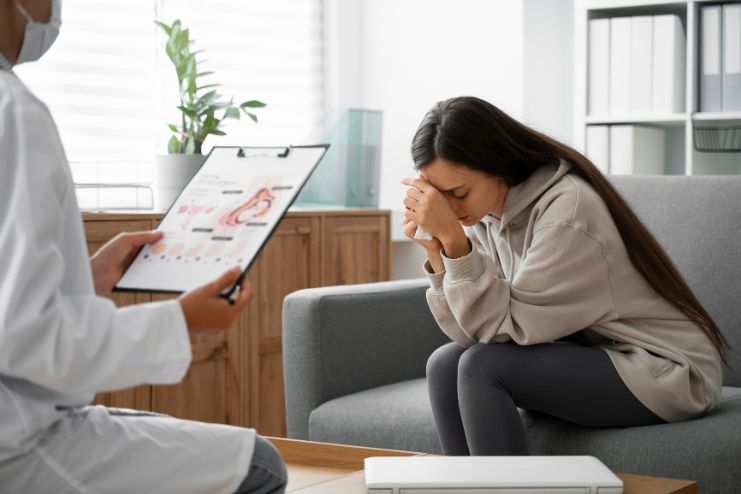
You should seek the assistance of a professional if your post-abortion depression is getting worse or becoming incapacitating. Mental health professionals can offer informed advice and coping strategies. Is your abortion depression caused by a mental disorder that you are experiencing? An accredited therapist can help you.
If sulky moods such as sadness, guilt, worry, or despair persist for more than two or three weeks, it may be time to seek professional help. These are not signs to be ignored, especially if they begin to complicate your everyday life, such as making it increasingly difficult for you to eat, sleep, work, or interact with others.
Also, seek assistance if you feel overwhelmed, numb to your emotions, isolated, or fearful. These signs indicate that you need care and support for your mental health. Seeking help is a sign of strength to recover, not weakness.
Support groups, counselors, and therapists provide a safe and non-judgmental space for individuals to work through difficult emotions.
Read More: 15 Facts About Birth Control No One Tells You About
Conclusion
Following an abortion, emotional recovery is a very personal process that doesn’t have a clear-cut or predictable course. While some people endure waves of sadness, shame, or uncertainty, others may find serenity immediately. There is no predetermined time frame for when you should feel better, nor is there a “right” way to feel.
Above all, keep in mind that you’re not going through this alone. Millions of people have traveled this route, and many have found solace and recovery in professional and personal assistance. Abortion-related mental health issues should receive the same consideration and support as any other emotional difficulty.
It is not at all shameful to ask for assistance. One of the bravest and strongest things you can do for yourself is to ask for help.
FAQs
Is it normal to regret an abortion later?
Even though it is usual that individuals will regret the abortion, it is not always the case. While most women do not regret what they have done, some experience regret, mourning, or melancholy, which can range from mild to extreme.
Can I talk to my OB-GYN about mental health?
Yes, it is okay to discuss mental health concerns with your OB-GYN. OB-GYNS are also equipped to detect and treat mental health concerns, particularly pregnancy, postpartum, and reproductive-related issues.
Will my subsequent pregnancy affect how I feel emotionally?
A subsequent pregnancy after an abortion can stir a wide range of emotions—both uplifting and difficult—shaped by past experiences, current circumstances, and individual coping mechanisms.
References
- https://www.medicalnewstoday.com/articles/313098
- https://bmcpsychiatry.biomedcentral.com/articles/10.1186/s12888-023-05278-7
- https://www.apa.org/monitor/2022/09/news-facts-abortion-mental-health
- https://www.talkspace.com/mental-health/conditions/articles/depression-after-abortion/
- https://www.lakenormancpc.org/emotional-effects-of-abortion-north-carolina
- https://www.ansirh.org/
- https://pmc.ncbi.nlm.nih.gov/articles/PMC3395931/
- https://h3helpline.org/help-after-abortion/post-abortion-stress-syndrome/
- https://www.verywellmind.com/post-abortion-stress-syndrome-what-to-know-6831238
- https://www.healthline.com/health/post-abortion-syndrome
- https://www.medicalnewstoday.com/articles/322533#self-care-tips
- https://lagunatreatment.com/support-for-women/mental-health-abortion/
- https://www.apa.org/monitor/2022/09/news-facts-abortion-mental-health
- https://www.researchgate.net/profile/Nancy-Russo-2
In this Article