











You know that odd moment when your calf suddenly tightens up in the middle of the night? Or after a long day of sitting at the desk, your neck feels like a rock? Most people run to painkillers or muscle relaxant tablets. They do work – but not everyone wants to keep popping pills.
That’s where natural muscle relaxers come into the picture. These aren’t magic potions from Ayurveda shelves or exotic herbs from some mountain. They’re simple, daily-life nutrients, herbs, and habits that support the functions of your muscles – contract, relax, and recover.
People usually use muscle relaxers, natural options for cramps, spasms, stiffness after workouts, or also for that back pain that doesn’t fully go away. Some people use them to avoid the side effects of prescription relaxants. And for some people, it’s like: “I want my body to heal gently, in a natural way.”
But, there is one important thing: “natural” never automatically means “safe.” Even herbs and minerals can interact with medicines or cause harm if taken incorrectly. So, better to understand how these things work before swallowing everything labelled “natural.”
In this post, let’s go through what actually relaxes muscles naturally, how these things work inside your body, what research says, and where to draw the line between natural relief and when to see a doctor.
How Natural Muscle Relaxers Work – Mechanisms and Science
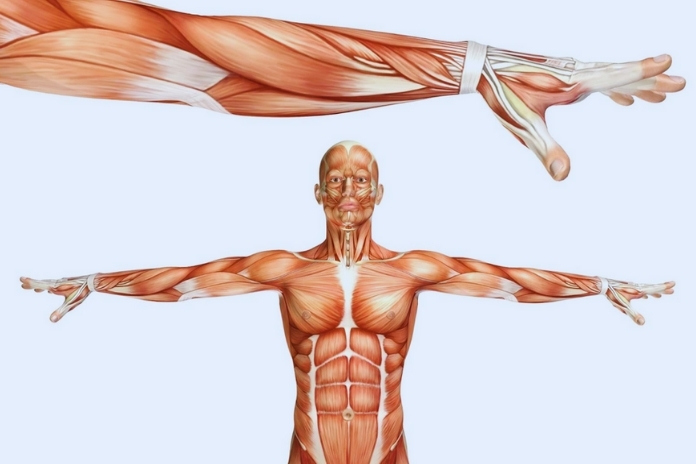
Muscle tension is not just about “tight muscles.” It is related to electrical signals, minerals, inflammation, circulation, and even your stress hormones altogether. When you make a movement, your brain sends signals through nerves that tell muscle fibers to contract. To relax, that signal stops, calcium goes out, magnesium comes in, and this way, the muscle relaxes.
So when relaxation fails – it’s often a sign that one of these systems is out of sync.
Natural muscle relaxers generally help in these main ways:
- Reducing inflammation: Herbs like turmeric (curcumin) or tart cherry reduce inflammatory molecules that make muscles sore and stiff.
- Balancing minerals: Magnesium, calcium, and potassium control the contraction–relaxation cycle. Low magnesium, especially, makes muscles cranky.
- Improving circulation: Better blood flow means less lactic acid, more oxygen – muscles recover faster.
- Soothing nerves: Some herbs or oils calm overactive nerve firing that causes spasms.
For example, magnesium is like the “off switch” for muscle contraction. Without enough of it, calcium keeps telling your muscles to stay tight – that’s why magnesium deficiency often shows up as cramps or twitches.
Then there’s curcumin – the bright yellow compound in turmeric. It doesn’t “relax” muscle directly, but it reduces inflammatory chemicals (like cytokines) after exercise. That’s why soreness feels less intense.
So yes, there’s some real science behind these so-called natural relaxers – it’s not just grandma’s advice.
Read More: Soothe Sore Muscles: 7 Top-Rated Massage Guns for Post-Workout Recovery
Top Natural Muscle Relaxer Options and What the Research Says
Now that we know the basics, let’s look at what options actually have some science behind them – not myths or social-media “miracles”.
Mineral and Nutrient-Based Options
Muscles run on minerals. If one mineral is off, the whole system starts to misfire. Some of the most evidence-backed nutrient options for natural muscle relaxation are:
- Magnesium:
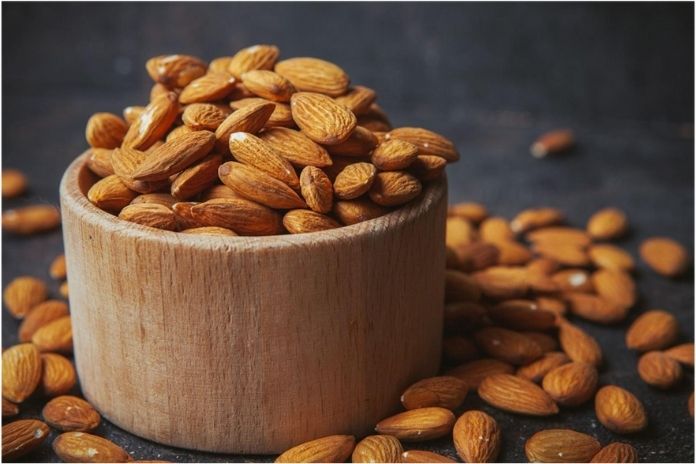
Probably the best-known natural option for cramps. You can get it from spinach, almonds, or pumpkin seeds – or supplements like magnesium citrate or glycinate (these are better absorbed).
Some studies show it helps reduce nighttime leg cramps, especially if you’re low due to sweat loss or a poor diet. It’s not an instant relaxant – it builds balance over time.
- Vitamin D:
Vitamin D is not exactly a relaxer, but still, it can make your muscles weak and achy. In fact, many people nowadays are unaware that they are deficient in Vit D. So, getting it in sufficient amounts can relieve chronic muscle tightness and improve strength.
- Potassium and Calcium:
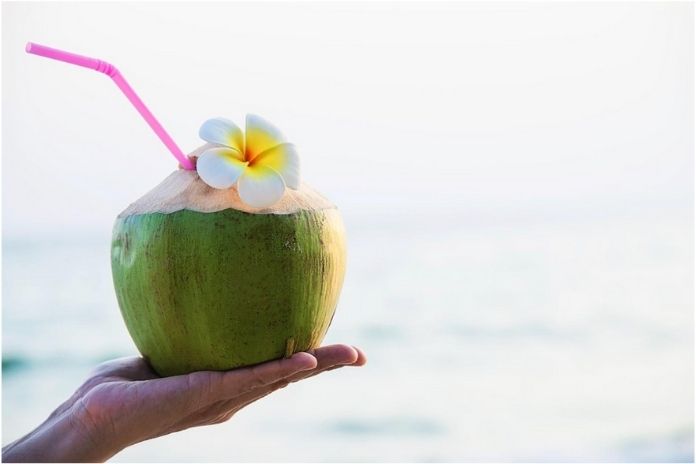
When people sweat heavily or have an electrolyte imbalance, they often get cramps. Bananas, coconut water, curd, leafy greens – all help maintain that muscle rhythm.
These nutrients are like the electrical wiring behind your muscles. If one goes off, sparks fly – literally, in your calves.
Read More: Best Foods to Eat Before Bed for Deep Sleep & Muscle Recovery
Herbal and Botanical Options
Plants have long been used for relaxing muscles, and a few actually have great scientific support.
- Chamomile (Matricaria recutita):
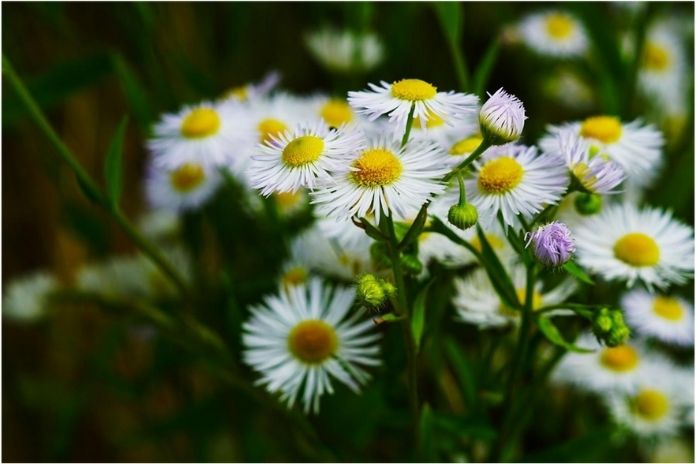
This gentle herb is not only for calming nerves. It’s been used as a herbal muscle relaxer for centuries. The compounds apigenin and bisabolol reduce inflammation and spasms.
A cup of tea before bed can ease shoulder or neck tension. You can even use chamomile oil (mixed with a carrier oil) for a mild massage.
- Curcumin (Turmeric):
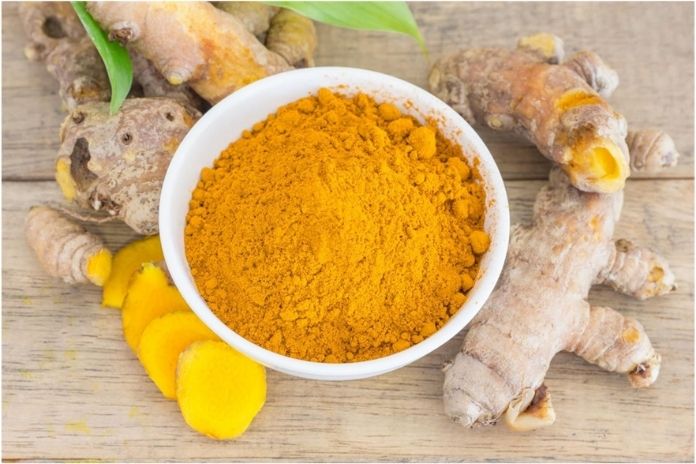
Curcumin is widely used for anti-inflammation. It’s especially useful after intense physical activity. It’s been shown to ease post-exercise soreness (DOMS). Just note – it’s not well absorbed on its own, so pair it with black pepper or buy a supplement that’s formulated for better absorption.
- Valerian Root:
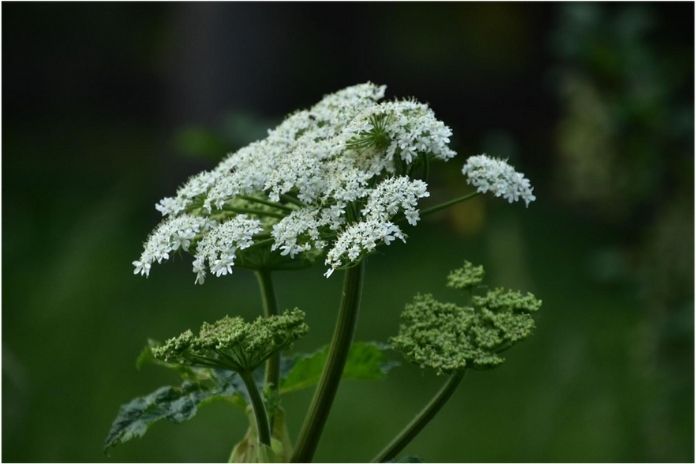
Valerian acts on GABA receptors in the brain – the same pathway that some prescription relaxants use. It’s mild, though, not addictive, and works better for general muscle tension caused by stress or insomnia.
- Lavender and Peppermint Oils:
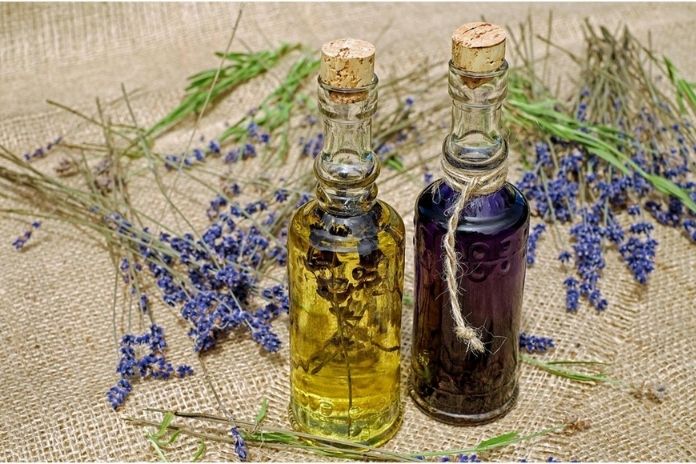
Lavender calms both the mind and muscles. While peppermint or menthol topicals give that cooling relief by activating cold receptors, reducing the perception of pain. They don’t “cure” spasms, but they tell your nerves, “Relax, the danger is gone.”
Together, these herbs form a mild but effective toolbox. Not magic, but definitely helpful when used consistently.
Read More: The Role of Heat Shock Proteins in Muscle Recovery and Longevity
Food and Lifestyle-Based Relaxers
Not every solution comes in a capsule. Your plate and your daily habits also decide how relaxed or rigid your muscles feel.
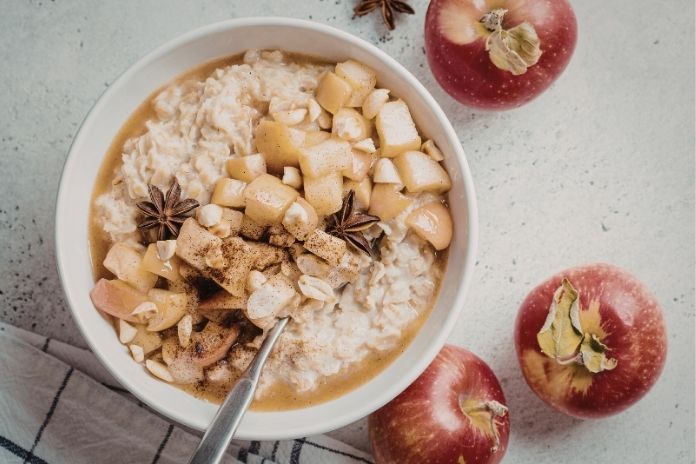
- Tart Cherries/Blueberries:
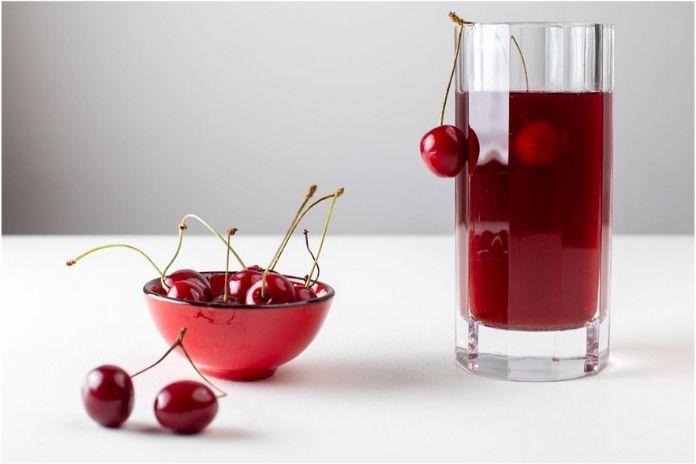
They have a good amount of anthocyanins – antioxidants that help with inflammation and even save you from muscle damage after workouts. Marathon runners usually drink tart cherry juice before and after running to reduce soreness.
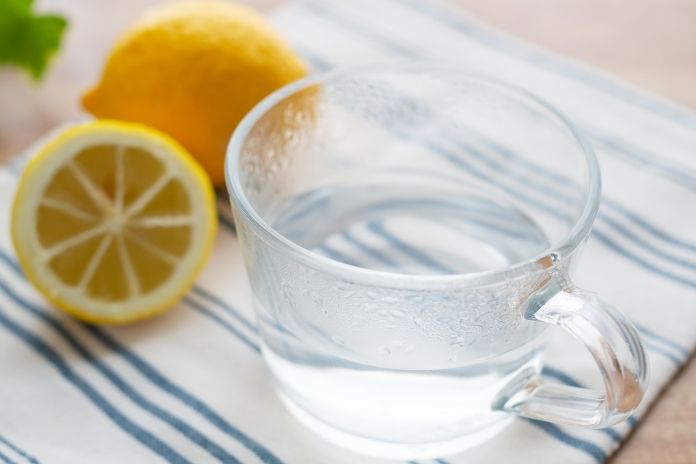
- Hydration with Electrolytes:

Simple water loss can trigger cramps. If you get a lot of sweating, then you can try adding a pinch of salt + lemon to your water. Old-school, yes! but effective.
- Gentle Movement and Stretching:

Muscles that don’t move much get tighter. Paradoxically, mild activity – like slow stretching, yoga, or even walking – actually releases tension faster than bed rest.
- Massage and Heat Therapy:
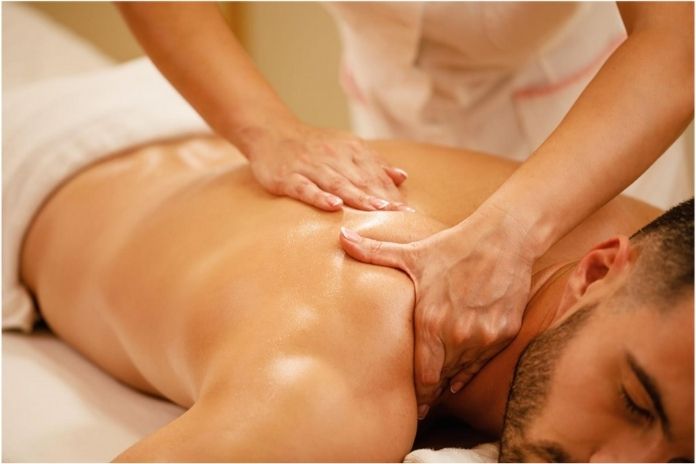
Massage improves circulation and resets muscle tone. Heat works by increasing blood flow and reducing stiffness. Try alternating warm compress and gentle self-massage after long sitting hours.
You don’t need to buy fancy devices. Even a tennis ball against the wall can work wonders.
Read More: Muscle Soreness vs. Injury: Key Differences, Symptoms, and When to Seek Help
How to Use Natural Muscle Relaxers Safely and Effectively
Let’s be honest: even natural things can go wrong if taken blindly. In fact, some herbal supplements are either adulterated or too concentrated.
Consider these practical tips:
- Quality matters: Choose standardised extracts and brands that do not hide composition. Do not buy products that don’t show a clear dosage.
- Special cases: Talk to a doctor if you’re pregnant, taking blood thinners, or taking other medicines. Some drugs can interact with turmeric and magnesium.
- Start with a small dose: Taking large doses can harm. So, always start with the smaller one.
- Use the correct mode of intake: For example, magnesium orally, and apply peppermint oil on the sore area.
- Drink enough water, stretch, and rest: Basic muscle care with a healthy lifestyle always comes before taking medicines and supplements.
And remember – results vary. Natural relaxers usually act more slowly but build up long-term balance rather than just numbing pain.
Read More: How to Prevent DOMS (Delayed Onset Muscle Soreness) Without Skipping Gains
When Natural Muscle Relaxers Aren’t Enough – Red Flags and When to Seek Medical Care
If your muscle spasm keeps coming back even after basic care, it’s not something to ignore. You should be aware if you feel:
- Pain is spreading
- You have tingling or weakness in your limbs
- Your cramps do not ease
- Disturbed sleep due to cramps
- Muscle swelling
- Any visible deformity
- Cramps come with high temperature, weight loss, and drowsiness
These issues could signal serious problems- nerve compression, thyroid issues, electrolyte imbalance, or even side effects from medicines.
At that point, natural ways to relax muscles are just supportive. You need a proper diagnosis. Never keep massaging or taking herbal capsules, hoping it’ll go away.
Read More: 18 Natural Muscle Relaxers – Bid Adieu to Muscle Pain and Cramps
Key Takeaway
Natural muscle relaxers are not shortcuts – they are gentle nudges for your body to restore balance. Magnesium, curcumin, chamomile, stretching, and hydration – these are tools that help your system do what it’s meant to do: contract, relax, and recover.
But they’re never substitutes for medical evaluation. They are just like teammates who work with others, and not a single solution. When you use them wisely, they may reduce stiffness, help in recovery, and make your body feel more at ease.
Consistency and awareness are always more important than any single “miracle” herb.
FAQs
1. What are the best natural muscle relaxers for cramps?
Foods that are high in magnesium, chamomile tea, and tart cherry juice are some of the best options. Coconut water helps by restoring electrolytes.
2. Can magnesium really stop muscle spasms?
Absolutely, when the muscle spasms due to its deficiency. It works by balancing calcium inside muscle cells. But it’s never instant – it may take time to feel a difference.
3. Are herbs or essential oils safe for muscle relaxation?
Mostly yes, if you use it in the correct way or dilute it. Chamomile, lavender, and peppermint are generally safe when used as a topical solution. A patch test is always good.
4. After how much time should I see a doctor for my muscle spasms?
If your cramps are severe, stay for more than one week, or you have numbness or weakness with spasms, then it’s time to get checked.
5. Can natural muscle relaxers interact with any medicine?
Definitely, some do. For example, turmeric can increase blood-thinning action, and valerian can add to drowsiness if given with sedatives. So, always inform your doctor about taking any supplements.
References
- https://www.ncbi.nlm.nih.gov/books/NBK559006/
- https://pmc.ncbi.nlm.nih.gov/articles/PMC9596560/
- https://my.clevelandclinic.org/health/diseases/muscle-spasms-muscle-cramps
- https://pmc.ncbi.nlm.nih.gov/articles/PMC9959659/
- https://nutritionj.biomedcentral.com/articles/10.1186/s12937-021-00747-9
- https://www.mdpi.com/2072-6643/17/9/1512
- https://inajog.com/index.php/journal/article/download/1586/787/
- https://www.sciencedirect.com/science/article/abs/pii/S2210803323000921
- https://www.tandfonline.com/doi/full/10.1080/19390211.2020.1796885
- https://pmc.ncbi.nlm.nih.gov/articles/PMC5329173/
- https://my.clevelandclinic.org/health/drugs/18708-valerian-oral-dosage-forms
- https://pmc.ncbi.nlm.nih.gov/articles/PMC9959659/
- https://pubs.rsc.org/en/content/articlehtml/2024/fo/d3fo04435a
- https://health.clevelandclinic.org/sole-water
- https://www.mayoclinic.org/diseases-conditions/muscle-cramp/diagnosis-treatment/drc-20350825
In this Article