












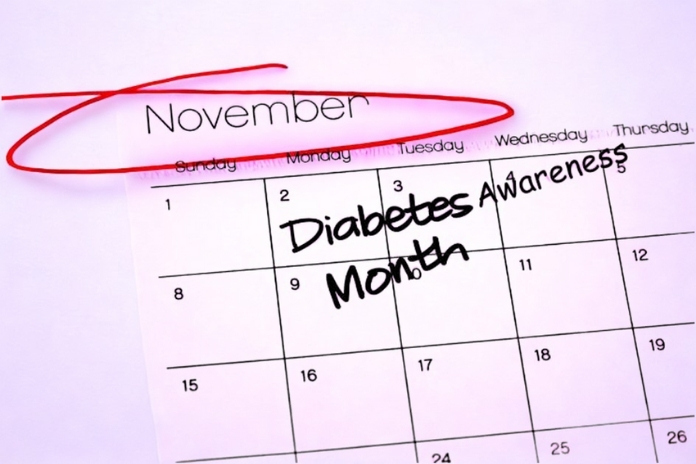
November is observed as National Diabetes Month to raise awareness of diabetes and highlight the importance of preventing, managing, and understanding the condition.
Why does National Diabetes Month matter?
In 2021, 38.4 million Americans, or 11.6% of the population, had diabetes. Type 1 diabetes affects 2 million Americans, including more than 304,000 children and adolescents.
Increasing awareness promotes early detection and better care while reducing the risk of diabetes complications. By educating ourselves and others, we can empower people to make informed decisions about their health.
Diabetes and Sleep: How Rest Affects Blood Sugar Levels

Sleep is essential for diabetes management.
Research shows that people with diabetes may find it more difficult to maintain stable blood sugar levels when they don’t get enough sleep.
During sleep, the body repairs and regulates itself, including balancing hormones that influence how well insulin controls blood sugar.
Irregular or insufficient sleep can trigger the release of stress hormones like cortisol, which raise blood sugar levels.
Over time, poor sleep patterns can increase the risk of developing type 2 diabetes or worsen the condition in those already diagnosed.
Common signs of poor sleep include frequent awakenings, difficulty falling asleep, and feeling tired even after a full night’s rest. Unexpectedly high blood sugar levels upon waking are another warning sign related to diabetes. If you frequently experience these symptoms, consult a healthcare professional.
Role of Plant-Based Diets in Diabetes Management

A plant-based diet isn’t a passing trend. It’s a lifestyle choice with significant benefits for diabetes management. By emphasizing whole, natural foods, this approach can help stabilize blood sugar levels, improve overall health, and even reduce the risk of complications.
There are several types of plant-based diets. Vegan diets exclude all animal products, while vegetarian diets may include dairy and eggs but eliminate meat.
Flexitarian diets, which are primarily plant-based but occasionally include meat, offer a more flexible approach.
Regardless of their variations, these diets prioritize fruits, vegetables, whole grains, legumes, nuts, and seeds as their primary sources of nutrition.
Plant-based diets are rich in fiber, which slows the absorption of sugar and helps prevent blood sugar spikes. Additionally, high-fiber foods promote feelings of fullness, reducing the likelihood of overeating.
Diets rich in fruits and vegetables can also increase insulin sensitivity, helping cells use glucose more efficiently.
To start:
- Increase the amount of fruits and vegetables you eat each day.
- Gradually replace animal proteins with plant-based alternatives such as quinoa, lentils, beans, and tofu.
- Choose nutritious snacks like nuts and seeds.
Making small adjustments can create lasting habits that will ease the transition and improve your diabetes management journey.
Other Strategies for Managing Diabetes During National Diabetes Month

Effective diabetes management requires a proactive approach, and National Diabetes Month is the ideal time to review essential strategies. It’s about more than following a diet. It’s about adopting a well-rounded lifestyle that enables you to live a healthier, fuller life.
Regular medical checkups are essential for managing diabetes. By routinely monitoring your blood sugar levels, you gain a better understanding of how your body responds to food, exercise, and medications, allowing you to make necessary adjustments.
Healthcare professionals can also screen for potential complications during checkups, ensuring timely intervention when needed.
Staying active is one of the most effective diabetes management strategies. It helps control blood sugar levels and improves insulin sensitivity. You don’t need a rigorous exercise routine; simple activities like walking, gardening, or dancing can make a significant difference.
Aim to move for at least 30 minutes each day, whether it’s morning yoga or an evening walk.
Engagement and Call to Action
Managing diabetes can feel overwhelming, but you’re not alone. Take advantage of community resources such as local diabetes support groups, workshops, and events. These can provide valuable education, emotional support, and connection.
This National Diabetes Month, consider joining a local group or event to meet others who share similar experiences.
Defeat Diabetes Foundation: This organization lists support groups state-by-state. These groups meet at university medical centers, hospitals, and community clinics.
Lions Clubs International: Lions Clubs worldwide offer peer support groups for people with diabetes. You may need to register as a member to participate.
As we celebrate National Diabetes Month, now is a great time to get involved in your community and raise awareness about diabetes. Your participation can make a significant impact, not just for yourself but also for many others facing similar challenges.
Attend community events such as health fairs, charity walks, or educational workshops to connect with others and gain valuable knowledge. These events are ideal for building a support network, sharing experiences, and learning about diabetes management.
Find a local event near you! Visit the American Diabetes Association events page for a list of activities throughout the month. These gatherings provide opportunities to educate, inspire, and promote healthier lifestyle choices in your community.
Knowledge is power, and many resources are available to support you on your journey. Visit the Centers for Disease Control and Prevention (CDC) for comprehensive guidance on diabetes education and prevention. The Diabetes Support website also offers connections to online communities and local support groups where you can learn and contribute.
Conclusion
Learning more about diabetes is essential for building awareness and improving management strategies in our communities.
As we’ve discussed, a plant-based diet and good sleep habits are crucial for maintaining stable blood sugar levels and enhancing overall health.
Prioritizing sleep helps regulate insulin sensitivity, while plant-based diets are rich in fiber and essential nutrients that support blood sugar control. When combined, these practices empower people with diabetes to take charge of their health.
Let’s commit to raising awareness, promoting healthy living, and supporting one another in managing diabetes.
References
- https://www.lfchd.org/national-diabetes-month-and-world-diabetes-day
- https://www.niddk.nih.gov/health-information/community-health-outreach/national-diabetes-month
- https://diabetes.org/adm
- https://www.census.gov/newsroom/stories/diabetes-month.html
- https://news.calpers.ca.gov/november-is-national-diabetes-month-4/
- https://atriumhealth.org/dailydose/2023/10/31/november-is-national-diabetes-month
- https://diabetes.org/about-diabetes/statistics/about-diabetes
- https://www.cdc.gov/diabetes/php/data-research/index.html
- https://www.niddk.nih.gov/health-information/health-statistics/diabetes-statistics
- https://www.webmd.com/diabetes/sleep-affects-blood-sugar
- https://www.sleepfoundation.org/physical-health/sleep-and-blood-glucose-levels
- https://www.sleepfoundation.org/physical-health/lack-of-sleep-and-diabetes
- https://www.diabetes.org.uk/guide-to-diabetes/life-with-diabetes/sleep-and-diabetes
- https://www.healthline.com/health/diabetes/diabetes-and-sleep
- https://www.niddk.nih.gov/health-information/professionals/diabetes-discoveries-practice/the-impact-of-poor-sleep-on-type-2-diabetes
- https://www.webmd.com/diabetes/type-2-diabetes-sleep
- https://diabetesjournals.org/care/article/46/1/6/148190/Diet-and-Diabetes-Prevention-Is-a-Plant-Based-Diet
- https://nutrition.org/plant-based-diets-and-diabetes/
- https://www.hsph.harvard.edu/news/press-releases/plant-based-low-carbohydrate-diet-linked-with-lower-risk-of-premature-death-for-people-with-type-2-diabetes/
- https://www.mdpi.com/2072-6643/16/13/2110
- https://www.foodunfolded.com/article/plant-based-diets-and-diabetes
- https://diabetes.org/living-with-diabetes/newly-diagnosed/health-checks-people-with-diabetes
- https://www.cdc.gov/diabetes/treatment/your-diabetes-care-schedule.html
- https://www.cbwchc.org/news/understanding-diabetes-a-simple-guide-for-national-diabetes-awareness-month
- https://www.niddk.nih.gov/health-information/diabetes/overview/managing-diabetes
- https://medlineplus.gov/ency/patientinstructions/000082.htm
- https://diabetesjournals.org/spectrum/article/16/2/112/701/Taking-Part-in-a-Diabetes-Group
- https://www.lionsclubs.org/en/start-our-global-causes/diabetes/diabetes-peer-support-groups
- https://defeatdiabetes.org/diabetes-support-groups
- https://www.cdc.gov/diabetes/index.html
- https://diabetes.org/events/calendar-events
- https://diabetes.org/tools-resources/get-connected
In this Article