














Celebrating National Dental Hygiene Month: A Wake-Up Call for Your Mouth
Most of us brush because we have to. A quick routine between waking up and rushing out the door. Half the time, people don’t even think about what’s happening inside their mouths. But your mouth is not just about “fresh breath” or “white smile.” It’s a mirror to your health.
Here’s the truth: nearly half of American adults over 30 have some form of periodontal (gum) disease. And the scary part? It doesn’t stay limited to your mouth. Studies show that the bacteria from your mouth can travel through the bloodstream and end up harming your heart, your pancreas, and even your brain.
That’s exactly why every October, National Dental Hygiene Month (NDHM) is observed. It was established by the American Dental Hygienists’ Association (ADHA) in 2009. It’s not just a fancy poster; it’s a reminder that oral care is not cosmetic. It’s healthcare.
In this article, we’ll explore simple yet science-backed oral health strategies to completely change how you care for your teeth and gums: just proven, research-based steps that actually work.
Why Your Oral Health Matters More Than You Think
Inside your mouth live hundreds of types of bacteria. Some good, some bad. If you skip cleaning or rush through brushing, the balance is thrown off. Gums start bleeding. Inflammation builds up. Bacteria find their way into your bloodstream.
Studies have shown that these bacteria can contribute to plaque buildup in arteries and increase your heart disease risk. Another study found that people with diabetes and gum disease are 28% more likely to develop heart failure.
It goes both ways – high blood sugar can make gum infections worse, and gum problems can make it harder to keep your blood sugar under control. So, if you’ve got diabetes or heart problems, brushing your teeth isn’t just about clean teeth – it actually helps your overall health.
Even mild gum issues can stress your immune system more, like one more thing your body’s always fighting.
As Dr. Leonard Brennan, a dentistry practitioner in Maine, says, taking care of your teeth doesn’t just help with gum disease – it can actually help prevent other health problems as you get older.
“Good oral health helps you enjoy life – chewing, tasting, swallowing, talking, smiling,” he says. And with regular care, he thinks most people can keep their natural teeth for life.
Read More: Why Do My Gums Bleed When I Brush? Causes and Remedies
Master the Fundamentals: Brushing Technique That Actually Works
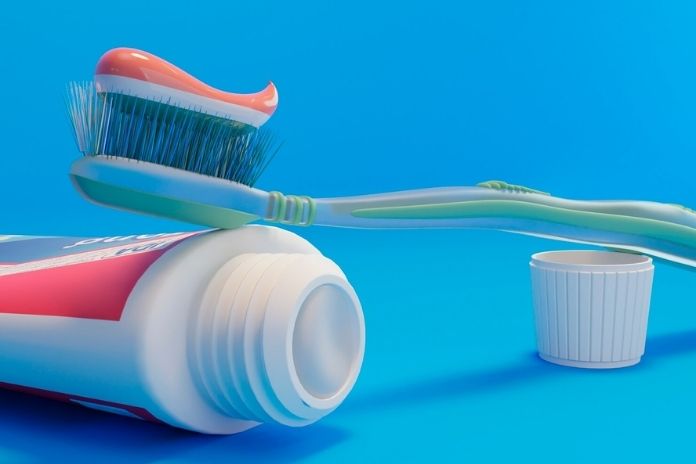
Brushing looks simple, right? But most people do it wrong. Too hard, too fast, too careless. Let’s fix that.
- Hold the brush at a 45° angle toward the gums. This helps get at the plaque which hides just under the gumline – that’s usually where gum problems start.
- Use small, gentle circles. Don’t scrub back and forth too hard – that can wear down your enamel and actually make your gums recede over time.
- Two full minutes, twice a day. Studies show this timing removes up to 26% more plaque than short brushing. Use a timer if needed.
- Soft bristles only. Hard bristles just do more damage to enamel and irritate gums. The “harder = cleaner” myth? Completely wrong.
- Use toothpaste with fluoride. It makes teeth and enamel stronger; in fact, it fixes tiny cracks.
- If you had coffee or something sour, don’t rush to brush. Wait half an hour, or you’ll scrape off your enamel instead of cleaning it. Instead, Ezzard Rolle, Assistant Professor of Dental Medicine at Columbia University College of Dental Medicine, suggests just rinsing your mouth or drinking some water after acidic stuff – it helps protect your teeth without making things worse.
- Don’t forget your tongue. Tons of the bad breath bacteria stay there. Just scrape gently from back to front.
- And yes, most people wait till their brush looks destroyed before changing it. Don’t wait. Every 3 months is ideal – or sooner if bristles fray.
People who brush twice daily with proper brushing technique have significantly lower markers of inflammation (C-reactive protein) in blood tests. That’s mouth-body connection in action.
Read More: Best Oral Hygiene Routine Beyond Brushing and Flossing
Beyond Brushing: The Critical Role of Interdental Cleaning
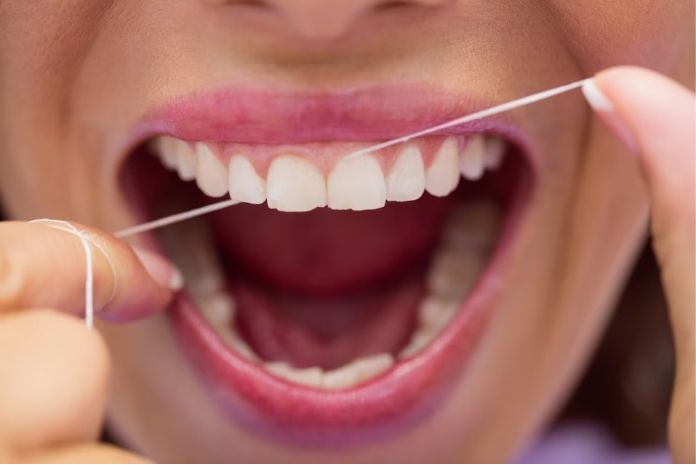
Your toothbrush can’t reach everywhere. Only about 60% of your tooth surface gets cleaned that way. The rest is in between teeth – where food and bacteria settle.
Proper Flossing Technique:
- Use a floss that is 18 inches Then wrap it around your middle finger and slide it between your teeth gently.
- Curve it slightly around each tooth in a C-shape, go under the gumline, and move it gently.
- Don’t snap or force it – that can injure gums.
Hate using that string floss? Not a problem! You have other options too – little floss picks, small brushes for between teeth, or even a water flosser. A study said a water flosser cuts gum bleeding almost in half compared to normal floss.
And no, flossing doesn’t have to be done after every meal – once daily is enough.
If your gums bleed at first, don’t stop, Dr. Brennan explains. That’s inflammation being cleared, not damage. You should monitor it for a week, as it will heal on its own once the gums heal.
Read More: Do Charcoal Toothpastes Really Work or Damage Enamel?
Maximizing Protection with Antimicrobial Mouthwash

Your mouthwash acts as your third line of defense. It never replaces brushing or flossing, but it is a good backup – especially at night or after meals.
Antimicrobial rinses (such as those containing chlorhexidine or essential oils) are good. They kill bacteria that brushing usually misses. Use it after meals or before bed. Don’t rinse right after brushing – that’ll wash off your fluoride protection.
Swish vigorously for 30 seconds. Fluoride-based rinses also help remineralize enamel.
And if you have a dry mouth, then please skip alcohol-based mouthwash. It makes things worse. Check for the ADA Seal of Acceptance – that’s how you know it’s not just another marketing gimmick.
Pro tip: Some patients with gum disease benefit from prescription-strength mouthwash, but don’t buy it blindly. Ask your dentist.
Read More: Effortless Oral Care: The Top 7 Water Dental Flossers for Superior Dental Hygiene
Nutrition and Lifestyle Factors for Optimal Oral Health
Your diet and your teeth have direct communication. Every sip and bite can change the pH of your mouth, along with the balance of bacteria.
What helps:
- Water – especially fluoridated water. It keeps your mouth clean and neutralizes acids.
- Cheese, nuts, greens, crunchy veggies – these strengthen enamel and make you chew more, which boosts saliva flow.
- Sugar-free gum – improves saliva production – your mouth’s natural cleaner.
What harms:
- Sugary foods and sodas – acid-producing bacteria love sugar.
- Frequent snacking – your mouth doesn’t get a chance to recover its pH.
- Smoking – triples gum disease risk and slows down healing.
Quick swap idea: Replace your midday sugary tea or coffee with green tea, which contains catechins that help suppress oral bacteria and inflammation.
Read More: 8 Oral Symptoms That Could Signal Serious Health Problems — From Diabetes to Heart
Professional Care: How Often You Really Need to See Your Dentist
Even if you brush and floss perfectly, plaque removal is hard once it hardens. That’s what professional cleanings are for.
For most adults, the ADA recommends dental checkups every six months. But if you smoke, have diabetes, or have early gum problems, your dentist might call you in every 3–4 months.
Regular checkups are not just about cleaning – they also screen for oral cancer, early cavities, and gum pockets that can’t be seen otherwise.
And yes, it’s worth it – research shows gum disease prevention visits to doctors cost less in the long run than spending on treatment of advanced dental disease.
If cost is your concern, then look for clinics offering sliding-scale fees or community dental programs.
Read More: How Long Until a Tooth Infection Kills You? Understanding the Risks, Timeline, and When
Warning Signs You Shouldn’t Ignore
Your mouth often warns you before things go bad. Pay attention to these:
- Bleeding gums after brushing or flossing (for more than a week).
- Persistent bad breath can mean bacterial overgrowth or gum infection.
- Receding gums or loose teeth.
- Mouth sores that don’t heal within 2 weeks.
- Jaw clicking or pain when chewing.
- Chronic dry mouth (can indicate medication side effects).
- White or red patches anywhere inside the mouth.
These symptoms aren’t just dental – they can reflect deeper issues like diabetes or autoimmune conditions. Early checkups save both teeth and money.
Read More: Early Signs of Oral Cancer You Shouldn’t Ignore
Taking Action This National Dental Hygiene Month
Trying to get better with your oral hygiene routine? Break it up week by week:
Week 1: Note down all your current habits – care, hygiene, techniques – how many times you brush, if you’re actually flossing, or when you last saw the dentist.
Week 2: Get better tools. Soft brush, fluoride toothpaste, decent mouthwash (check the ADA stamp to ensure it’s worth it).
Week 3: Focus on how you’re using the brush and floss – correct angle, not jamming it into your gums, actually doing it for 2 minutes. Most people make mistakes here..
Week 4: Add an antimicrobial rinse. Start keeping track of your new habits every day – helps it stick.
Main thing: just keep at it. Doing it half-decent every day is way better than perfect once in a while.
By the end of the month, you’ll not only have cleaner teeth but lower systemic inflammation and better long-term health – because there is always a strong oral-systemic health connection
Read More: Oral Health Matters: Unique Practices for National Dental Hygiene Month
Final Thought
It’s Dental Hygiene Month, but honestly, oral health strategies like brushing and flossing aren’t just about having clean teeth. You’re actually doing your whole body a favor. Less risk of health issues, you feel better about yourself, and it pays off down the road.
Just start. Today’s as good a day as any. Your teeth (and probably your heart) will be better off for it.
FAQs
Q1. Do I really need to see the dentist twice a year?
Yes, you do. Even if you’re great about brushing and flossing, there are issues like tartar and early cavities that only a dentist can deal with. And if you’ve got gum issues or diabetes, you might need to go in every 3-4 months.
Q2. What type of toothbrush should I be using?
Always soft-bristled – manual or electric, both work. Avoid “hard” bristles – they cause more harm than good. And swap it out every 3 months or sooner if it starts looking beat up.
Q3. Can brushing and flossing really help with heart problems or diabetes?
Absolutely! Gum disease causes inflammation, which messes with your blood vessels and even your blood sugar. A clean mouth literally helps a healthy heart.
References
- https://www.cdc.gov/oral-health/data-research/facts-stats/fast-facts-gum-disease.html
- https://pmc.ncbi.nlm.nih.gov/articles/PMC8891310/
- https://www.nature.com/articles/s41598-023-50891-x
- https://www.mdpi.com/2673-947X/5/2/14
- https://pmc.ncbi.nlm.nih.gov/articles/PMC11654539/
- https://pmc.ncbi.nlm.nih.gov/articles/PMC8533035/
- https://pmc.ncbi.nlm.nih.gov/articles/PMC7603140/
- https://pmc.ncbi.nlm.nih.gov/articles/PMC6630384/
- https://www.nidcr.nih.gov/health-info/gum-disease/ask-the-expert
- https://pubmed.ncbi.nlm.nih.gov/28390208/
- https://www.ada.org/resources/ada-library/oral-health-topics/mouthrinse-mouthwash
- https://pmc.ncbi.nlm.nih.gov/articles/PMC2951950/
In this Article