















Introduction – Why a Nasal Aspirator Matters for Infants
If you’ve ever had a baby with a stuffy nose, you already know how helpless it feels. One tiny nose, one tiny blockage – and suddenly they can’t breathe properly, feed well, or sleep right. A stuffy little nose? It’s not just annoying them and us, but it can make everything harder.
Enter the nasal aspirator. It’s a simple tool, but when used right, it can make a real difference for a congested infant: less snorting, easier feeds, more restful naps. In this post, we’ll take a fresh look at how it works, its benefits (and risks), safe how-to use, and then the best products you can pick up – especially relevant if you’re based in India or nearby.
How a Nasal Aspirator Works
At its core, a nasal aspirator is a very simple idea: you’re just helping remove the mucus that your baby can’t. The goal is clear breathing and comfort.
Basic mechanism
- Pediatrician Noah Schwartz recommends that, before using any nasal aspirator on your baby, you first put a few drops of saline (salt water) into each nostril. That helps thin things out.
- Then you apply suction (by bulb, mouth tube, or electric motor), which pulls the mucus out of the nose.
- The result: a cleared nasal passage, reduced gagging/snorting, easier feeding, and improved sleeping.
Types of aspirators
There are several designs, each with its pros and cons.
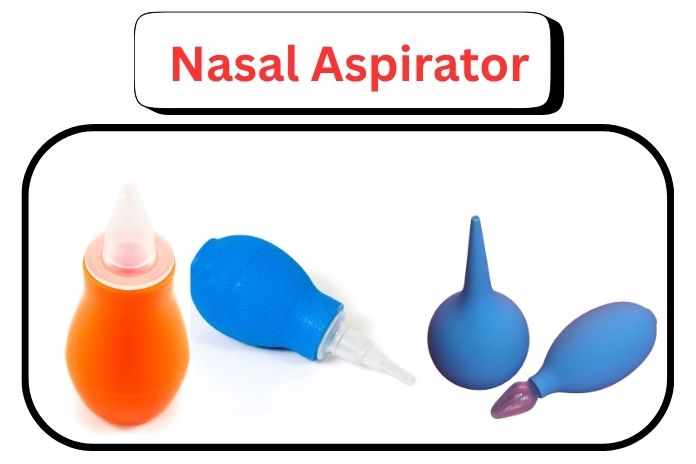
- Bulb syringe (manual): The classic rubber bulb you squeeze, insert quickly, then release to suck in mucus.
- Mouth-suction tube type: You have a tube and mouthpiece; you gently suck while the tip sits by the baby’s nostril; there’s a filter to stop mucus from entering your mouth.
- Electric nasal aspirator: A powered device with suction controlled by a motor rather than hand or mouth; typically for those who want easier operation.
So, they all do the same job – remove mucus, ease the baby’s breathing. Just their way of working is different.
Benefits of Using a Nasal Aspirator for Babies
The benefits of using a nasal aspirator for babies are real, especially when used correctly.
- When you clear the congested nasal passage in your baby, you can make their breathing easier, feeding better, and they even sleep more comfortably. When you feed the baby, they usually breathe through their nose, and when it’s blocked, they face problems in feeding and sleeping.
- Removing excess mucus may reduce the risk of throat irritation, post-nasal drip, cough, and even ear infections (since mucus drainage can influence the ear & throat).
- It provides quick relief during sniffles/colds when the baby can’t clear their own nose. For a congested infant, this can make a day of difference.
- On a more subtle note, using a quality aspirator can give you more control and comfort as a parent – you feel you’re doing something practical to ease the baby’s discomfort rather than just waiting.
Read More: Top 9 Baby Products Every New Parent Needs: Essentials for Baby Care
When and How Often to Use It (Safety Tips Included)

Using a nasal aspirator isn’t just about “suction until done.” There are important safety and timing considerations to consider.
When to use
- Use before feeding and before sleeping if your baby seems congested or is snorting, breathing with the mouth, etc. That helps feeding/sleeping go smoothly.
- Use when you see visible mucus build-up or hear “snuffly” sounds from the baby’s nose.
- Use after a saline drop has loosened mucus, making suction more effective.
How often and how gently
- Don’t over-use. Suctioning too frequently may irritate the nasal lining, cause increased mucus production, or even lead to small nosebleeds. “No more than ~3-4 times per day” is a guideline in many sources.
- Use a soft tip only; do not insert it deeply into the nostril. You’re not “digging” out mucus – you’re simply creating a gentle suction at the opening.
- Be gentle. If your baby cries or resists too much, pause and comfort them first.
- Always clean it after every use (warm water + soap, rinse well, let dry).
Safety tips
- Support your baby’s head so they’re stable (lying down or slightly upright).
- Don’t suction right after a feed – it can make them vomit.
- Watch for irritation around the nostrils.
- And if your baby has a nasal or heart condition, get your pediatrician’s approval first.
Read More: 10 Essential Nutrients for Children’s Growth and Development
When It’s Time to Call the Doctor Instead

A nasal aspirator is great for mild stuffiness, but it’s never a magic bullet. And sometimes, congestion is never just a cold.
In both cases, never depend on the aspirator alone; always check if:
- Your baby’s breathing rapidly or looks like they’re struggling (chest pulling in, bluish lips)
- There is a high fever or ear pulling
- Baby refuses to feed or sleep due to congestion that doesn’t ease up
- Mucus is green or thick persistently, or aspirator use causes discomfort/bleeding
- The baby is under a certain age (e.g., under 3 months) and you’re not sure – always check the guidance.
- Baby has a history of lung or heart problems; nasal congestion may aggravate serious issues.
In short, use the aspirator for quick relief – never as a replacement for a doctor’s care.
Read More: Home Remedies for Baby Colds: Natural Relief for Your Little One
How to Pick the Right Nasal Aspirator?
Today, we have numerous models available. So, how do you pick “the right one for your baby”? Here are key factors, from a fresh perspective.
Type & suction control
- The manual (bulb) is the cheapest, simplest, and best for occasional use. But cleaning and visibility of mucus may be limited.
- Mouth suction (tube) provides better control, allowing you to see the mucus chamber and adjust suction delicately.
- Electric gives ease and consistency but at a higher cost; it may be better if the baby is frequently congested or you want more features (quiet motor, gather data, etc).
Cleaning and hygiene
- Does it disassemble easily? Are tips removable and washable? Is the interior accessible for proper cleaning?
- Transparent parts help you see what’s happening – this can be reassuring and help you learn how much suction is needed.
- A filter in mouth-suction types is important to prevent cross-contamination.
- Consider materials (BPA-free plastic, soft silicone tips).
Comfort and baby/parent ergonomics
- The tip should be soft and appropriately small for the baby’s nostrils; a too-large tip can cause discomfort.
- For babies: quieter operation, minimal fuss, and good (electric models are often quieter).
- For parent: easy to hold, one-handed operation, minimal handling required (especially if baby wriggles).
- A compact design or a small carrying case is great if you travel frequently.
Safety certifications and durability
- If available, check for safety certifications or reviews.
- Durability: Will parts wear out (tips, filters)? Are replacements available?
- Cost vs value: cheaper models work well for occasional use; frequent congestion may justify a more premium model.
Regional/availability considerations
- Ensure that replacement parts/filters are available locally ( or online)
- Consider voltage/charging for electric models (if applicable)
- After-sales support and hygiene consumables matter
Top Nasal Aspirator Products Worth Considering
Here are five well-matched picks to get you started. Each has pros/cons. (Note: check current availability and pricing in your region.)
1. Frida Baby NoseFrida SnotSucker

- Classic manual mouth-suction style by the well-known brand Frida Baby. On Amazon.com as the #1 Best Seller in baby nasal aspirators.
- Comfortable seal outside the nostril (for easy insertion), disposable hygiene filters (for good hygiene), and dishwasher-safe parts.
- Reputable brand, long track record, good reviews across parenting sites.
- More budget-friendly compared to top electric models.
- The mouth-suction method may feel odd for some parents (you’re doing the suction). Also, manual operation → might require more effort compared to electric models.
2. Frida Baby Electric NoseFrida (3-level)
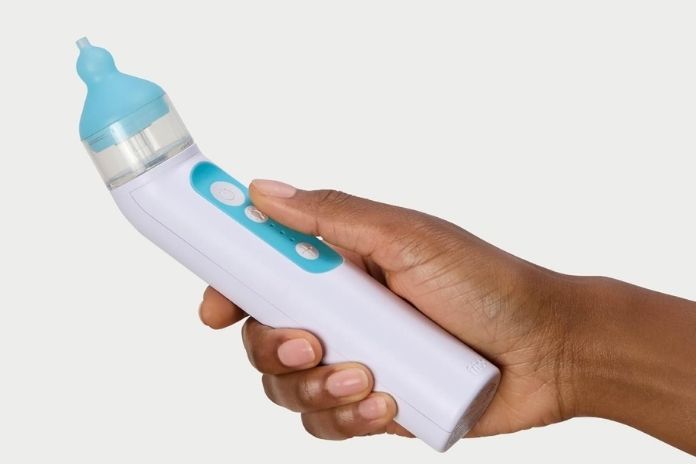
- Electric version from Frida Baby: 3 suction levels, gentle power.
- It’s worth considering if you like the Frida brand but want less manual effort.
- Feature highlight: Electric suction, two tips for small/older children, etc.
- Price: Mid-level (higher than manual).
- Watch for: Electric parts require charging, more complex cleaning, and may result in a higher cost.
3. GROWNSY Electric Nasal Aspirator for Baby
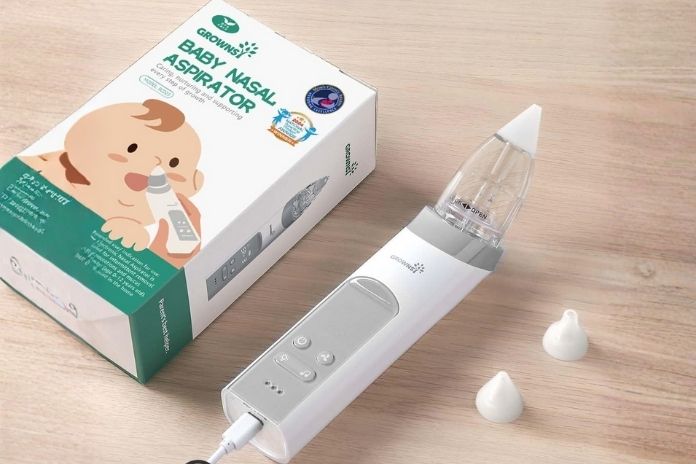
- A more advanced feature set (electric, adjustable suction, silicone tips, and anti-backflow) and has an “Amazon’s Choice” listing in some cases.
- Price-point: Slightly higher than the basic manual, but it offers premium value.
- Watch for: As with any electric model, ensure the charger/cables are available, parts are easy to clean, and tip sizes are suitable for both newborns and older infants.
4. GROWNSY Electric Nasal Aspirator Upgraded 5-Suction Level

- Further upgraded model from GROWNSY: 5 suction levels, possibly featuring IPX7 waterproofing, and extra features like lullabies/music & light to distract the baby.
- Why it’s a “step-up”: For parents who expect frequent use (e.g., baby with recurrent congestion) or want premium features.
- Watch for: Higher costs; check whether the extra features are needed for your use case (vs. a simpler model). Cleaning/maintenance may be more involved.
Key Takeaway
Using a nasal aspirator for your baby can truly make a huge difference when they’re congested. It helps them breathe, feed, and sleep better – and helps you breathe easier too (mentally, at least).
Remember:
Just go gentle, clean it well, don’t overuse, and talk to your pediatrician if anything feels off. It’s never a medical cure.
So: one of those little tools that gives you more control as a parent, and helps your baby feel more comfortable – that’s worth its weight in mucus (figuratively!).
FAQs
Q1. At what age can I start using a nasal aspirator on my baby?
You can use it from the newborn stage if needed – just make sure the tip is soft and designed for infants. Always check the product label or ask your doctor for very young or preterm babies.
Q2. What’s the difference between a bulb syringe and an electric nasal aspirator?
A bulb syringe is a simple, manual device; you squeeze the bulb, insert the tip, and release to create suction. Less expensive, but less control, harder to clean, you can’t always see how much mucus is extracted.
An electric nasal aspirator is a powered suction device, often featuring multiple settings, making it easier for frequent use, and often with features such as easier cleaning or improved visibility built in. But a higher cost may be more complex, and you still need to use it gently and correctly.
Q3. How often is too often when using a nasal aspirator?
Use only as needed, and limit use to about 3-4 times per day, at most, in typical situations. Over-suctioning can irritate the nasal tissues, causing increased mucus production or even nosebleeds.
Q4. Can I use saline drops with my aspirator?
Yes – it is strongly recommended. A few drops of saline solution (or saline nose spray/drops safe for infants) loosen thick mucus and make suction easier and gentler. Insert drops, wait ~30–60 seconds, then suction.
Q5. Are nasal aspirators safe during a cold or cough in babies?
Yes – when used correctly. They help relieve nasal congestion, which often accompanies colds. However, if the baby has cough/breathing issues beyond nasal congestion (e.g., chest congestion, wheezing), then an aspirator alone is not enough; consult your pediatrician.
References
- https://health.clevelandclinic.org/nasal-aspirator-and-phlegm-in-your-babys-throat
- http://www.internationaljournalofcaringsciences.org/docs/42.bulbul.pdf
- https://www.liebertpub.com/doi/10.4187/respcare.07269
- https://www.ncbi.nlm.nih.gov/books/NBK448077/
- https://www.mayoclinic.org/diseases-conditions/common-cold-in-babies/symptoms-causes/syc-20351651
In this Article