











Anyone who’s ever felt anxiety take over knows it doesn’t just live in the mind. It shows up in the body first: a swirl in the stomach, a tightening in the chest, a wave of nausea you didn’t see coming. In those moments, eating is usually the last thing you want to think about.
Yet the food you choose throughout the day, tiny choices you barely notice, can quietly shape how strongly those anxious moments hit.
What you eat affects how your gut and brain communicate. Certain foods help keep mood steady, nerves calm, and stress response smoother. Others nudge the brain toward irritability, worry, and fatigue. That gut-brain conversation is real, and nutrition has a surprisingly significant voice in it.
In this article, you’ll see how diet can play a role in anxiety and mood, not as a cure-all, but as a foundational support. You’ll learn which nutrients and foods show up most consistently in research tied to reduced anxiety, how dietary patterns influence mental health, and practical ideas to build a food-first strategy that supports your emotional well-being.
Before diving in, let’s map out the key areas we’ll explore.
What We’ll Cover
- The science behind the gut-brain connection and why diet matters for mood and anxiety.
- Nutrients backed by evidence, like omega-3s, magnesium, zinc, and antioxidants, appear most supportive for anxiety and stress resilience.
- Gut-friendly eating: the role of probiotic and fiber-rich foods, microbiome balance, and how gut health ties to mental health.
- Patterns over perfection: why an overall balanced diet matters more than chasing single “superfoods.”
- Foods and eating habits that research suggests may worsen anxiety or mood, and why it’s not just about “what,” but “how.”
- Practical steps to build a mood-supportive eating plan: realistic meal ideas, habits to adopt, and a mindset for sustainable food choices.
- Important caveats: when diet can help, when it’s limited, and why it’s only one part of a broader approach to mental wellness.
With that roadmap, you’ll have a clear guide for understanding, and hopefully integrating, a food-aware approach to anxiety and mood support.
Why Diet Matters: The Gut-Brain Connection and Anxiety
We often think of anxiety as “all in the head.” But what you eat, or don’t eat, may influence anxiety in very real, biological ways. Good nutrition can help prevent chronic illnesses such as heart disease, obesity, and diabetes.
Now, evidence is mounting that our food choices can affect our mental health and mood. Emerging research increasingly supports a link between dietary patterns and mental health, in large part due to the gut–brain axis, inflammation pathways, and nutrient-driven neurotransmitter regulation.
- The gut-brain axis is the bidirectional communication network between the gut microbiome, the nervous system (including the vagus nerve), and the brain. Microbiota, dietary metabolites, immune signaling, and neural messages all play a part.
- Diet shapes that microbiome, and therefore can shape mood. Healthy diets high in fiber, fruits and vegetables, healthy fats, and micronutrients tend to support a more balanced microbiome, which may reduce anxiety and stress.
- Conversely, diets heavy in ultra-processed foods, refined sugars, saturated fats, and low in nutrients have been associated with increased anxiety, depressed mood, and neurochemical imbalance.
“Think about your diet as something you can control and use to potentially improve not only your physical health but also your mental health,” says Andrew T. Chan, MD, MPH a gastroenterologist at Massachusetts General Hospital. He focuses on the relationships between gut health and other aspects of well-being.
What this really means is: food isn’t a magic cure for anxiety, but diet is a modifiable piece of the puzzle. Choosing the right foods can help support your brain chemistry, gut health, and stress response.
Key Nutrients & Dietary Patterns That Help
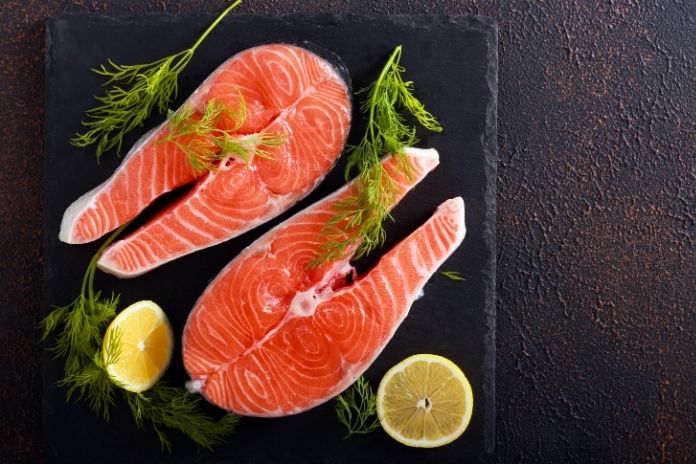
Here’s a breakdown of the most evidence-backed nutrients, foods, and overall diet patterns associated with reduced anxiety and improved mood.
Omega-3 Fatty Acids (EPA & DHA)
- Long-chain omega-3 fatty acids, especially EPA (eicosapentaenoic acid) and DHA (docosahexaenoic acid), have been linked to lower anxiety levels and improved mood.
- Omega-3s help regulate neuroinflammation, support healthy neuronal membrane structure and signalling, and influence neurotransmitter function.
- In some clinical scenarios, supplementation has shown promise in reducing anxiety symptoms.
So fatty fish, like salmon, sardines, mackerel, and trout, show up consistently in research as part of an “anti-anxiety diet.”
Magnesium, Zinc, and Other Micronutrients
- Magnesium is vital. Low magnesium correlates with anxiety and stress, while diets rich in magnesium appear to support calmer mood and better stress response.
- Zinc may also help. Foods rich in zinc (oysters, eggs, nuts/seeds, lean meats) are associated with lower anxiety and improved well-being.
- Antioxidant-rich and micronutrient-dense foods, lots of vegetables, fruits, legumes, and whole grains, appear supportive too. A 2024 review links antioxidant-rich diets to reduced anxiety, while diets high in sugar/processed foods correlate with increased anxiety.
Probiotics, Prebiotics & Gut-Friendly Foods
- Probiotics, live beneficial bacteria, and prebiotic-rich foods (fiber, plant-based foods) help maintain gut microbial balance. Evidence increasingly links healthy gut microbiota with better mental health, lower anxiety, and improved stress resilience.
- A “psychobiotic diet” (rich in fiber, fermented foods, healthy fats, nutrients) has shown reductions in perceived stress in some intervention studies.
- The bottom line: feeding your gut microbes well most likely supports brain health.
Whole-Diet Patterns: More Than Single Foods
Focusing on one “magic food” overlooks how interconnected the diet is. Multiple recent studies highlight that overall dietary patterns, not just single nutrients, shape mental health outcomes.
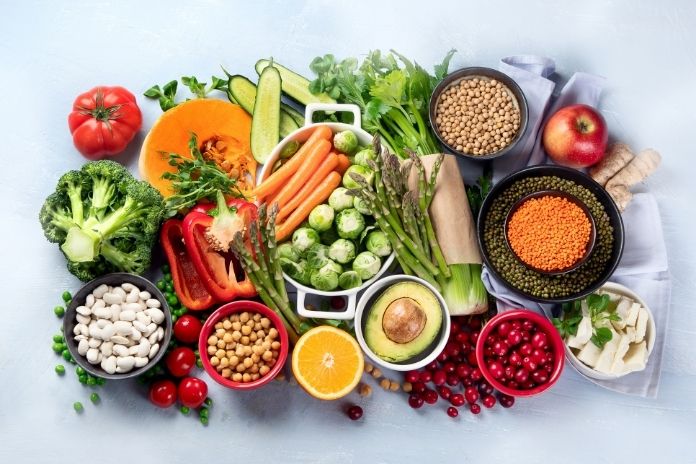
For instance, adherence to a diet rich in vegetables, fruits, healthy fats, whole grains, and low in processed foods, similar to what’s often called a Mediterranean-style diet, has been repeatedly associated with lower anxiety and depression symptoms.
Foods That Consistently Show Up as “Anxiety-Friendly”
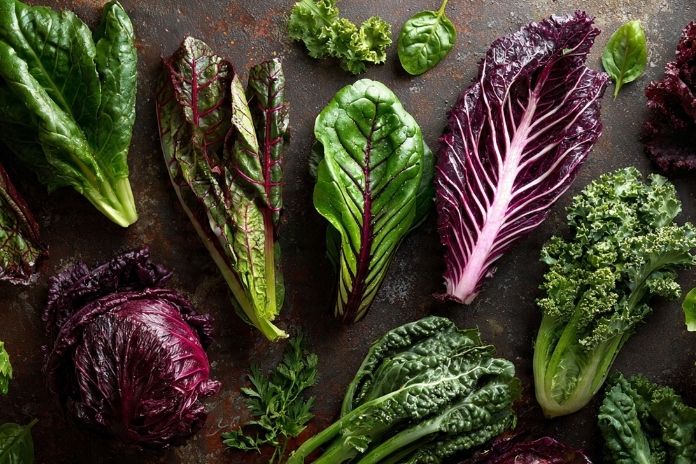
Here are specific foods that research (and nutrition experts) often recommend when thinking about anxiety, calmness, and mood support.
- Fatty fish (salmon, sardines, trout, mackerel) are rich in EPA/DHA omega-3s, vitamin D, and high-quality protein.
- Leafy greens and vegetables, spinach, Swiss chard, kale, and similar greens, provide magnesium, fiber, folate, and antioxidants.
- Legumes, beans, lentils, chickpeas, are rich in fiber, magnesium, protein, sometimes tryptophan, all support gut health and mood stabilization.
- Nuts & seeds, like almonds, walnuts, pumpkin seeds, flaxseeds, bring magnesium, healthy fats, and micronutrients into play.
- Fermented foods & probiotic-rich foods, such as yogurt, kefir, and fermented vegetables (e.g., sauerkraut, kimchi), may influence the gut-brain axis and improve mood regulation.
- High-quality proteins and certain animal products, eggs, lean meats, and seafood can supply amino acids like tryptophan, zinc, and B vitamins that support neurotransmitter synthesis and healthy brain function.
- Whole grains and fiber-rich complex carbs help regulate blood sugar, support the gut microbiome, and avoid mood instability triggered by sugar crashes.
Read More: The Anti-Anxiety Diet: What to Eat (and Avoid) for a Calmer Mind
What Happens When You Don’t Eat Right

“Animal and human studies show us that the brain and gut microbiome are intimately connected,” said Arpana “Annie” Gupta, PhD, co-director of the Goodman-Luskin Microbiome Center at UCLA.
“When most people think about mental health, they only think about the brain, but there is bi-directional communication between the gut and brain. I tell people the gut and the brain are like BFFs. The brain and the gut are in constant communication with each other.”
It’s not just what helps, it’s also what hurts. A growing body of research finds that diets high in refined carbohydrates, sugar, processed foods, and saturated/trans fats correlate with increased anxiety, mood swings, and poorer mental health overall.
Mechanistically, these poor diets may:
- Promote systemic inflammation and neuroinflammation, affecting brain chemistry and stress response.
- Disrupt the gut microbiome, reducing beneficial bacteria, increasing dysbiosis, which impairs the gut–brain communication pathway.
- Provide insufficient micronutrients (magnesium, zinc, vitamins) needed for proper neurotransmitter synthesis and regulation, which can leave the brain more vulnerable to stress and anxiety.
So chronic reliance on junk food, sugary snacks, and processed meals may not just be bad for your waistline; it could be setting the stage for anxious moods and unstable mental health.
What Science Says (And Doesn’t): The Strengths & Limitations of Evidence
Look: the link between diet and mental health is real, but it’s not simple. Here’s where the research stands as of now:
- A 2021 scoping review found associations between lower anxiety and diets high in fruits, vegetables, omega-3 fatty acids, micronutrients (magnesium, zinc, selenium), probiotics, and balanced dietary patterns.
- But most studies are observational, meaning they find correlation, not causation; only a minority (≈ 10%) have been intervention (clinical trial) studies with people diagnosed with anxiety disorders.
- A 2025 review suggests diet influences mood via multiple biological pathways, the gut-brain axis, inflammation, neurochemical modulation, and that omega-3s, polyphenols, and probiotics are promising dietary modulators of mental health.
- Still, experts caution that diet alone is not a treatment. As useful as nutritional strategies can be, they should complement, not replace, mental health care when needed.
So what this really means: adopting an anti-anxiety diet can support mental well-being, especially as part of a holistic lifestyle (sleep, exercise, stress management), but it isn’t a guaranteed cure.
Putting It Into Practice: Building a Mood-Friendly Eating Plan
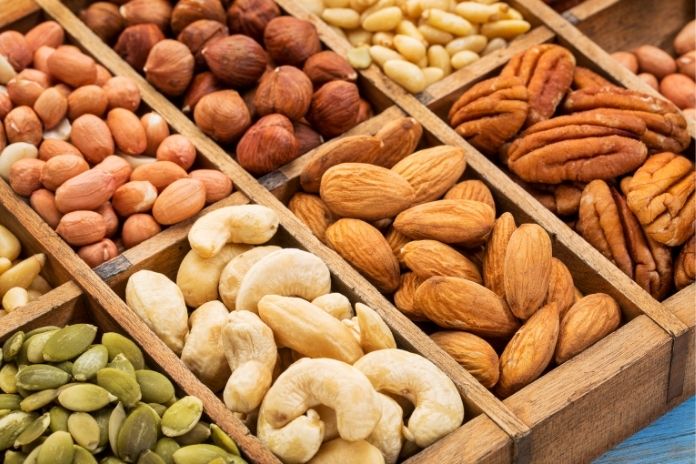
Here’s a simple blueprint, not a rigid plan, to incorporate mood- and anxiety-friendly foods into your daily meals:
- Eat fatty fish (salmon, sardines) 2–3 times/week.
- Fill half your plate with leafy greens, colorful vegetables, legumes, or whole grains daily.
- Snack on nuts or seeds (almonds, pumpkin seeds, walnuts) instead of chips or desserts.
- Include fermented foods such as yogurt, kimchi, or kefir regularly to support gut health.
- Prioritize whole foods over processed snacks; limit refined carbs, sugary drinks, and junk food.
- Ensure you get magnesium, zinc, fiber, and healthy fats by combining vegetables, legumes, whole grains, and proteins.
- Maintain balance: combine healthy eating with regular exercise, enough sleep, and social connection, all factors that strongly influence anxiety and mood.
Read More: Brain-Boosting Avocado & Berry Smoothie: Fuel Your Mind
Why This Approach Makes Sense, Not Hype
- The evidence isn’t about miracle foods. It’s about patterns: diets rich in nutrients, anti-inflammatory foods, and microbiome-friendly ingredients tend to correlate with better mood and lower anxiety.
- Biological plausibility exists. Nutrients like omega-3s, magnesium, zinc, and antioxidants influence brain function, inflammation, and neurotransmitters, all relevant to anxiety.
- The gut-brain link gives a powerful explanation for why what you eat may influence how you feel, beyond mere calories or “healthy vs junk” categories.
- This approach also aligns with overall physical health, meaning the same diet that supports mental health is good for the heart, gut, energy, and longevity.
Who Should Be Cautious & When Food Isn’t Enough
Diet matters, but it may not be enough in more serious cases of anxiety or anxiety disorders. A few caveats:
- Most of the evidence comes from observational studies. That means while diet is associated with better mental health, it doesn’t prove that eating these foods will cure anxiety.
- Effects might vary from person to person (genetics, gut microbiome, life stressors, sleep, exercise, social support).
- If anxiety is severe, persistent, or debilitating, dietary improvements shouldn’t replace professional care (therapy, medication if prescribed). Use diet as a supportive tool.
- Overemphasizing “perfect diet” can create anxiety of its own, which defeats the purpose. The goal is sustainable balance, not perfection.
Conclusion
What you eat really matters for how you feel. There’s no magic food that wipes out anxiety. But building a diet around nutrient-dense whole foods, fatty fish, leafy greens, legumes, nuts, seeds, and fermented foods, gives your brain and gut a fighting chance.
It supports balanced neurotransmitters, healthy inflammation levels, stable blood sugar, and a robust gut microbiome, all critical pieces in the anxiety puzzle.
If you combine these dietary choices with good sleep, movement, social contact, and stress management, you’re likely to build a stronger foundation for mental well-being than diet alone.
Treat food like a supporting player, not the star, but don’t underestimate its role.
FAQs
Can food alone cure anxiety?
Food can’t cure anxiety on its own, but it can support a calmer and more stable mood. A nutrient-dense diet helps regulate blood sugar and inflammation, both linked to anxiety. Healthy fats, minerals, and antioxidants also support the brain’s stress response.
Think of food as one pillar in a much bigger system of care. Therapy, medication, and professional guidance still matter when symptoms are significant.
How long does it take to notice an improvement in anxiety after changing your diet?
Most people need a few weeks of consistent dietary changes to feel a shift. Mood improvements often come from steadier blood sugar and reduced inflammation. Gut microbiome changes take longer, usually around a month or more. Everyone responds differently based on lifestyle, stress, and sleep. The key is sticking with healthy patterns long enough for the body to adapt.
Are supplements like omega-3s or magnesium better than food for anxiety?
Whole foods should always be the foundation since they offer more complete nutrition. Supplements help when someone has a deficiency or limited dietary access. They’re useful, but they don’t replace what diverse foods provide. Most people notice better results when supplements support, not substitute, the diet. Think of them as helpful add-ons rather than shortcuts.
Do certain foods make anxiety worse?
Yes, some foods can trigger or intensify symptoms in vulnerable people. Highly processed foods, refined sugars, and trans fats tend to worsen mood stability. Caffeine and alcohol can heighten anxiety by overstimulating or disrupting sleep. Blood sugar spikes and crashes from such foods add to the problem. The more stable your diet, the more stable your mood tends to feel.
Is coffee bad for anxiety?
It depends on how sensitive you are to caffeine. Some people tolerate it without any issues at all. Others feel jittery, restless, or emotionally on edge even after one cup. If coffee triggers those reactions, cutting back can help noticeably. It’s about listening to your body and adjusting accordingly.
What if I have food restrictions, vegan, vegetarian, gluten-free?
You can still follow a mood-supportive diet with those restrictions. Plant-based eaters can get omega-3s from flax, chia, walnuts, and algae-based supplements. Leafy greens, legumes, and seeds offer plenty of magnesium and B vitamins. Fermented foods like kimchi, sauerkraut, and yogurt alternatives still support gut health. It’s absolutely possible to eat for mental well-being within any dietary pattern.
Can overeating or undereating affect anxiety?
Yes, both extremes can make anxiety worse. Irregular eating disrupts blood sugar, which directly affects mood. Undereating can lead to nutrient shortages that heighten stress sensitivity. Overeating, especially high-sugar foods, triggers emotional and hormonal swings. Regular, balanced meals help keep the nervous system steady.
Do probiotics really help with anxiety?
Research is promising but still developing. Probiotics support gut microbes involved in mood regulation. Prebiotic fibers feed those microbes, which strengthens the gut-brain connection. Some people feel calmer and more balanced with regular intake. They aren’t guaranteed treatments, but they’re a useful piece of the puzzle.
References
- https://pmc.ncbi.nlm.nih.gov/articles/PMC12366197/
- https://www.medanta.org/patient-education-blog/gut-brain-connection-how-your-gut-health-affects-your-mental-wellness
- https://www.hopkinsmedicine.org/health/wellness-and-prevention/the-brain-gut-connection
- https://www.health.harvard.edu/diseases-and-conditions/the-gut-brain-connection
- https://www.asterhospitals.in/blogs-events-news/aster-medcity-kochi/how-your-gut-talks-your-brain-and-why-your-diet-matters
- https://www.sciencedirect.com/science/article/pii/S2666149725000532
- https://www.jaslokhospital.net/blogs/what-is-the-connection-between-gut-health-and-mental-health–
- https://www.uclahealth.org/news/article/you-are-what-you-eat-diet-may-affect-your-mood-and-brain
- https://www.netmeds.com/c/health-library/post/mental-health-how-diet-impacts-your-brain-function-eat-this-for-emotional-wellbeing
- https://healthmatters.nyp.org/the-gut-brain-axis-how-your-gut-impacts-your-mental-health/
- https://www.mentalhealth.org.uk/explore-mental-health/a-z-topics/diet-and-mental-health
- https://oshihealth.com/how-gut-health-affects-mental-health/
- https://www.frontiersin.org/journals/nutrition/articles/10.3389/fnut.2024.1337889/full
In this Article