






Why Dry January Feels Harder Than It Sounds
On paper, Dry January looks simple. Thirty-one days without alcohol. No hangovers. Better sleep. Clear head.
Yet many people give up by the second or third week, not because they need alcohol, but because something else quietly disappears.
The ritual: the glass in the hand at the end of the day; the bitter-sweet taste before dinner; the social pause, “let’s have a drink,” that signals relaxation, conversation, and transition.
Most Dry January advice focuses on elimination: stop drinking, avoid triggers, drink water instead. But human behaviour doesn’t work well with empty spaces. When the replacement feels childish, overly sweet, or flat, the brain keeps craving the original habit.
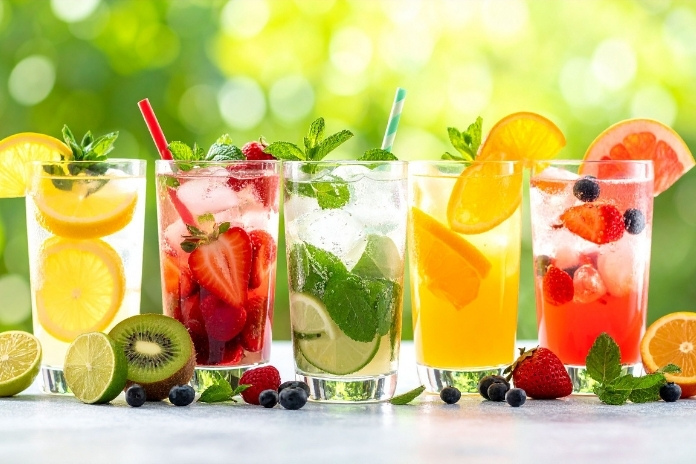
This is where Dry January mocktails matter, not as colourful juices, but as adult substitutes that preserve flavour, structure, and satisfaction.
This article does not give you syrupy Instagram drinks. It focuses on mocktails for Dry January that:
- Feel intentional, not compensatory
- Use bitterness, acidity, herbs, spice, and texture
- Avoid excess sugar
- Are easy to make with accessible ingredients
The goal is simple: make alcohol optional, not tempting.
What Makes a Mocktail Feel “Worth It” During Dry January
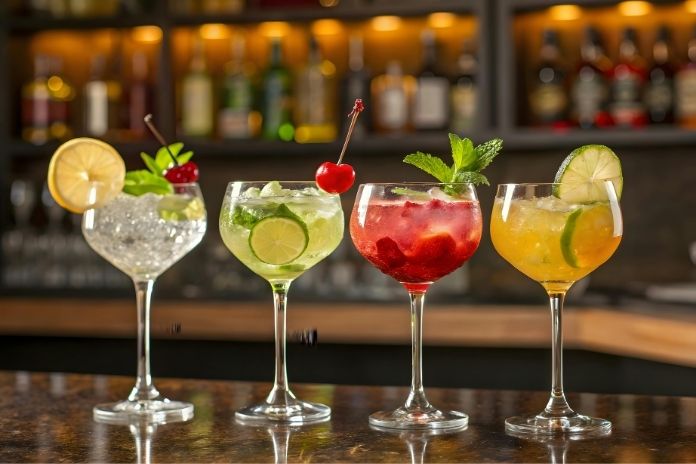
Most people say, “Mocktails are fine, but they don’t hit the same.” That is usually because the mocktail is badly built.
Why juice-only drinks fail
Fruit juice is sweet, one-dimensional, and fast-absorbing. Alcoholic drinks rarely rely on sweetness alone. They have contrast.
A satisfying mocktail needs tension, not comfort.
Elements that matter more than sweetness
A good non alcoholic drink for Dry January usually includes at least two of the following:
- Bitterness– signals “adult” flavour (citrus peel, bitters, grapefruit)
- Acidity– lime, lemon, vinegar, tart fruits
- Herbal or spicy notes– ginger, rosemary, mint, cloves
- Carbonation or texture– sparkling water, crushed ice, warm steam
Once you design mocktails around these principles, alcohol stops feeling “missing.”
And this is why mocktails can work better than “just water.” They engage the palate and the nervous system in a similar way to cocktails, without intoxication.
Mocktails for Dry January That Don’t Feel Like a Sacrifice
1. Citrus & Bitter Spritz
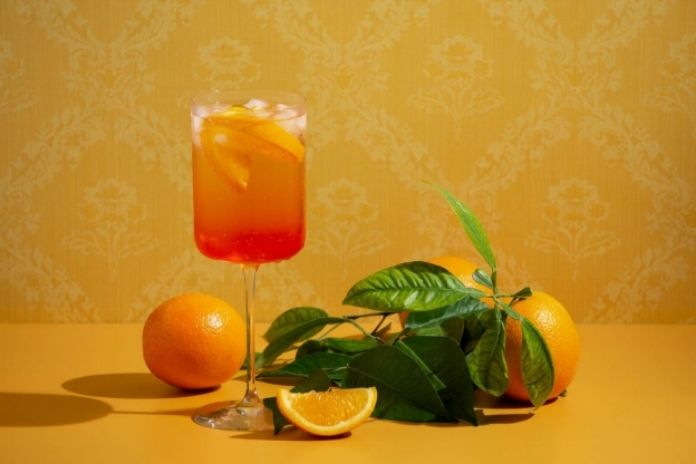
Inspired by aperitif-style cocktails
Ingredients
- Fresh orange or blood orange juice (small quantity)
- Non-alcoholic bitters
- Sparkling water
- Orange peel
Why it works
Bitterness is often what people miss, not alcohol. Bitter flavours reduce sugar cravings and slow down drinking speed. This feels closer to an evening drink than any sweet mocktail.
2. Ginger, Lime & Soda Highball
Sharp, spicy, uncomplicated
Ingredients
- Fresh ginger juice or grated ginger infusion
- Lime juice
- Soda water
- Pinch of salt
Why it works
Ginger provides a throat “burn” similar to alcohol. The salt sharpens the flavour and prevents it from tasting flat. Lime provides an edge. This is one of the most reliable Dry January drink ideas for people who miss strong drinks.
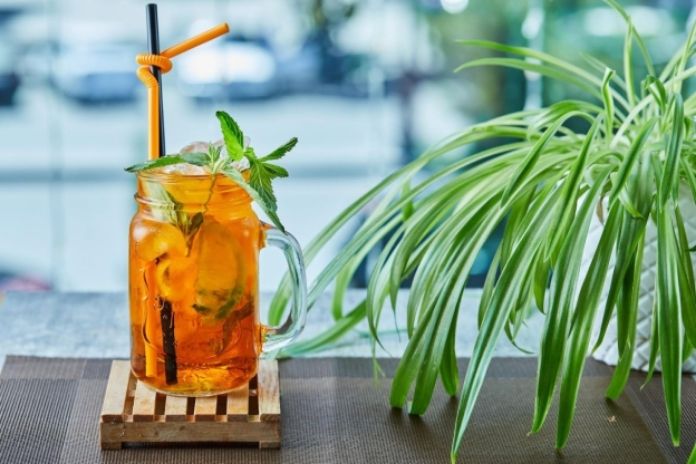
3. Herbal Iced Tea Mocktail
Tannin-rich and layered
Ingredients
- Green, black, or hibiscus tea (strongly brewed)
- Fresh herbs: mint, rosemary, or thyme
- Lemon peel or a few crushed berries
- Ice
Why it works
Tea has structure. Tannins replace the “dry” sensation that wine and spirits give. This makes it a strong base for mocktail recipes without alcohol that don’t rely on sugar.
4. Tart Cherry & Sparkling Water Mocktail
Deep, wine-like profile
Ingredients
- Unsweetened tart cherry concentrate (very small quantity)
- Sparkling water
- Lemon twist
- Cinnamon stick or clove
Why it works
Tartness feels more mature than sweetness. Tart cherry is sour and deep, not sugary. These sparkling water drinks have an almost fermented character that works well for evening drinking without alcohol.
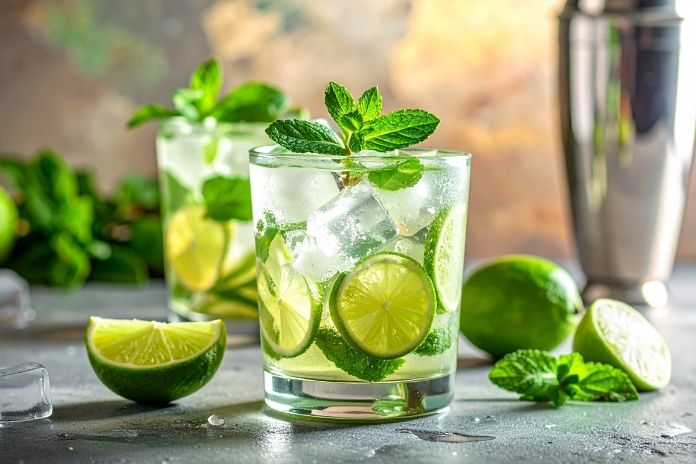
5. Cucumber, Mint & Lime Refresher
Clean, cooling, bar-style
Ingredients
- Crushed cucumber
- Fresh mint
- Lime juice
- Soda water
Why it works
Hydrating without being boring. The vegetal taste of cucumber gives structure, while lime keeps it sharp. Ideal for people who want non-alcoholic drinks for Dry January without heaviness.
6. Apple Cider Vinegar Spritz (Diluted)
Shrub-style sharpness
Ingredients
- Apple cider vinegar (small amount)
- Sparkling water
- Honey or jaggery (optional, very little)
Why it works
The acidity hits fast and satisfies the “bite” many people miss from alcohol. This is not about health claims, it’s about sensory replacement.
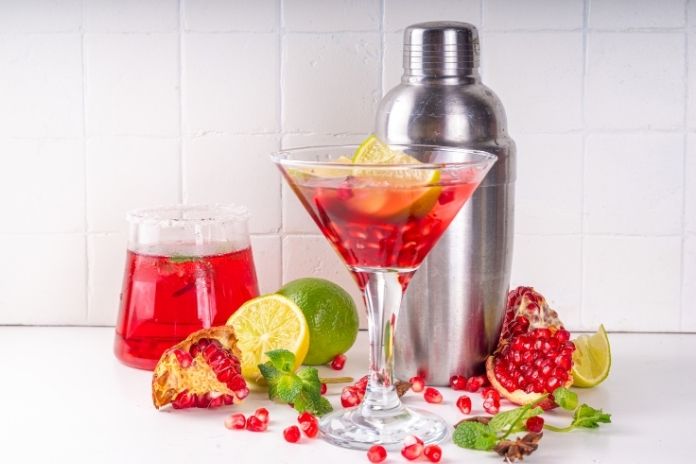
7. Spiced Pomegranate Mocktail
Warming and structured
Ingredients
- Pomegranate juice (diluted)
- Cinnamon or clove infusion
- Lime juice
Why it works
Spices create warmth, which replaces alcohol’s relaxing cue. This works well in the evening when cold drinks feel unsatisfying.
8. Grapefruit & Rosemary Sparkler
Bitter, aromatic, complex
Ingredients
- Fresh grapefruit juice
- Rosemary sprig
- Sparkling water
Why it works
Grapefruit bitterness combined with herbal aroma is one of the closest non-alcoholic parallels to classic cocktails. Among all mocktails for Dry January, this feels the most “bar-like.”
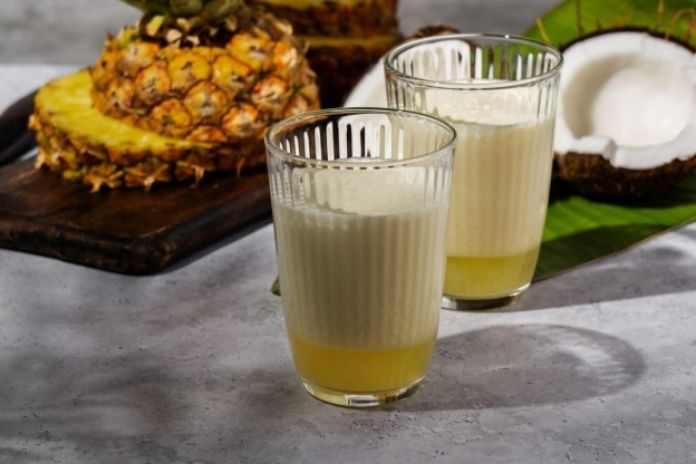
9. Coconut Water & Pineapple (Light, Not Sweet)
Balanced tropical
Ingredients
- Coconut water
- A small amount of pineapple juice
- Lime juice
Why it works
Dilution matters. When tropical flavours are diluted down, they feel refreshing rather than childish.
10. Lemon, Olive Oil & Sparkling Water
Mediterranean-inspired
Ingredients
- Lemon juice
- A few drops of olive oil
- Sparkling water
- Salt pinch
Why it works
Olive oil adds mouthfeel and richness, something alcohol usually provides. This is about texture, not taste alone. This drink feels intentional and slow.
11. Non-Alcoholic “Spirit” with Soda Mocktail
When NA spirits make sense
What to look for
- Low sugar
- Botanical drinks, not flavour-driven profile
- No artificial sweetness
- Soda water
- Citrus peel
Why it works
These products are built for bitterness and aroma. Avoid mixing with sugary syrups. These are useful when social pressure is high. The familiar bottle and glass reduce awkward conversations during social drinking without alcohol.
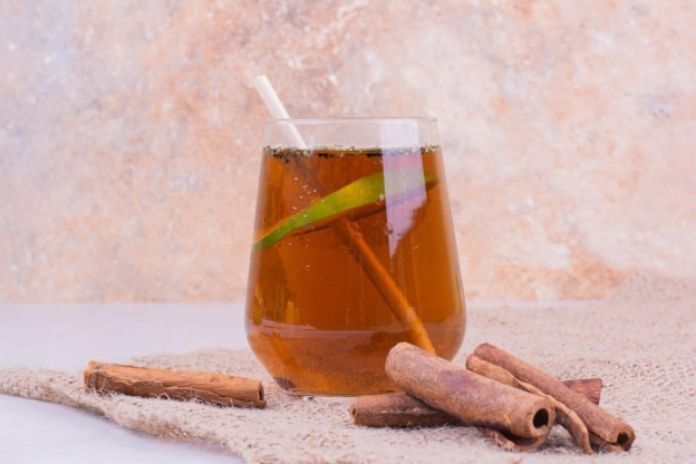
12. Warm Mocktail for Evenings
Underused but effective
Examples
- Hot herbal tea with lemon and ginger
- Cinnamon-clove water with orange peel
- Spiced apple water (not cider-heavy)
Why it works
Warmth replaces alcohol’s calming signal to the body. Many people drink alcohol at night not for the taste, but for the wind-down. Warm mocktails address that directly.
Common Dry January Mocktail Mistakes
Most mocktails fail for predictable reasons:
- Using too much juice
- Adding sugar to “fix” flat flavours. But sugar spikes energy, then crashes mood.
- Overcomplicated recipes. If it takes 15 minutes, you won’t repeat it.
- Trying to mimic alcohol exactly. That comparison sets the drink up to lose.
- Ignoring acidity and bitterness. This is the biggest mistake.
- Drinking them too fast. Pace matters more than ingredients.
- Treating mocktails as party-only drinks instead of daily rituals
A mocktail is not a reward. It is a replacement habit.
Read More: The Rise of No-Alcohol Drinks: Are They Actually Good for Your Health?
How Mocktails Help You Stick to Dry January
Mocktails are not about pretending alcohol doesn’t exist. They help by:
- Preserving the evening drink routine
- Reducing social pressure
- Lowering “just one drink” moments
- Making moderation sustainable beyond January
This is why alcohol free drinks in Dry January should feel purposeful, not playful. This reflective aspect of Dry January is often overlooked. It isn’t just about removing alcohol for thirty days, but about noticing what role it plays in daily life.
Dr. Robert Brown, Chief of Gastroenterology and Hepatology, explains that while taking a month off alcohol can have surface-level benefits like fewer empty calories, modest weight changes, or saving money, the deeper value of Dry January lies elsewhere.
“The real benefit of Dry January is that it gives people time to reflect on their relationship with alcohol. Alcohol is an addictive, mind-altering substance, and if we’re going to use it, it shouldn’t be in control of our lives. That’s when concerns about alcohol use disorder and addiction begin.”
He adds, “If you’re having trouble with the idea of Dry January, you probably need it. Not as punishment, but as a reset.”
Alongside this reflective reset, short-term physiological changes often appear faster than people expect. Dr. Ehsan Ali notes that “even just a few weeks off alcohol can improve sleep, energy, digestion, and focus.”
Together, these shifts, reflective and physical, explain why certain people find mocktails especially helpful during Dry January.
Read More: Best Practices for Supporting Liver Health After Hepatitis
Who Benefits Most From Mocktails During Dry January
- People quitting alcohol for sleep or anxiety
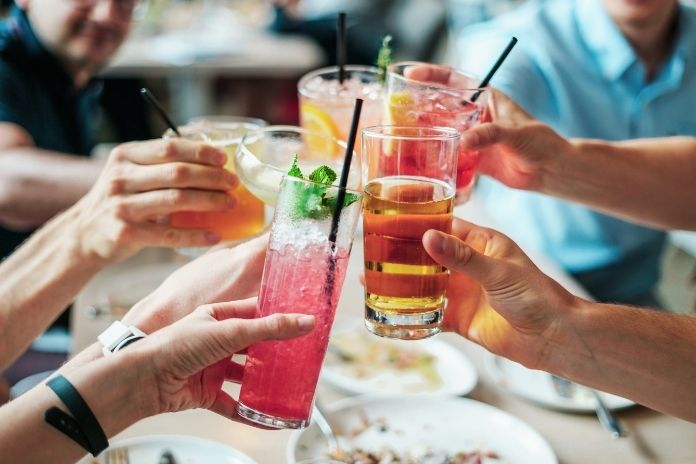
- Social drinkers who don’t want isolation
- Anyone exploring sober-curious living without labels
Read More: 7 Habits That Can Hinder Your Mental Sharpness as You Age
Final Takeaway
Dry January does not fail because people miss alcohol. It fails because replacements feel unsatisfying.
Well-built Dry January mocktails respect flavour, structure, and ritual. When done properly, alcohol becomes optional, not tempting.
Key Takeaways
- Mocktails work best when they support pacing, not stimulation.
- Bitterness, acidity, and texture matter more than sweetness in mocktails.
- Many commercial mocktails fail because they copy juice, not non-alcoholic or classic cocktails.
- Warm and bitter drinks are under-researched but highly effective substitutes.
- There is a clear research gap on sensory-based alcohol replacement strategies beyond calorie reduction.
FAQs
1. Are mocktails during Dry January just replacing one habit with another?
They replace the ritual, not the dependency. That distinction matters.
2. Can mocktails trigger alcohol cravings?
Poorly designed ones can trigger alcohol cravings. Bitter, low-sugar mocktails usually reduce cravings.
3. How many mocktails are okay per day?
There is no strict limit, but if sugar stays low, moderation is natural.
4. Are non-alcoholic spirits necessary for Dry January?
No. They help socially, not physiologically.
5. Do mocktails help beyond January?
Yes. They make long-term moderation practical, not restrictive.
References
- Chaikhamla, N., Yingchankul, N., Pomngen, I., & Sirisatayawong, P. (2025). A scoping review of sensory‐based interventions to address alcohol consumption. American Journal on Addictions
- Delaware Office of Highway Safety. (n.d.). How to have a safe & sober Holiday Season
- Jawad, M., Hillman, A. R., & Brannan, R. G. (2025). Tart cherry (Prunus cerasus L.): Polyphenols, Bioactivity, and Bioavailability Beyond Exercise. Food Bioscience, 107612
- Sage, D. (2025, January 16). Mocktail magic: Sip your way through Dry January
- Sir Gir Carmarthenshire. (n.d.). MERLIN’S MOCKTAILS
- United States Department of Agriculture. (n.d.). Tannins
In this Article