










Herbal teas have been used for centuries as natural remedies, offering both comfort and potential therapeutic effects. Among these, milk thistle tea has stood out for its reputation as a gentle liver tonic and detoxifying agent. Originating from the Mediterranean region, milk thistle (Silybum marianum) carries a long history of use in traditional medicine, with its seeds containing the powerful compound silymarin. Known for its antioxidant and anti-inflammatory properties, silymarin has garnered scientific interest due to its role in protecting the liver and promoting overall well-being.
Today, milk thistle is consumed worldwide in various forms, including capsules, extracts, and teas. For those who prefer a soothing, ritual-like approach, the tea version provides a mild yet beneficial option. In this article, we’ll break down what milk thistle tea is, its health benefits, possible side effects, safe brewing methods, and who should or shouldn’t drink it. By the end, you’ll have a balanced view that helps you decide whether to incorporate milk thistle tea into your daily wellness routine.
What is Milk Thistle Tea?
Before exploring the benefits, it helps to understand exactly what this tea is and how it works.
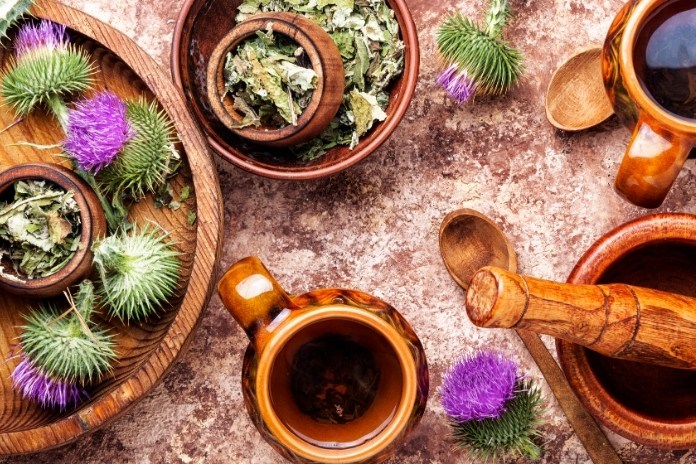
Milk thistle is a spiky plant with purple flowers and distinctive white-veined leaves. Its seeds, rich in silymarin, are the part most often used for medicinal purposes. While supplements offer concentrated doses, the tea provides a gentler, more approachable form of milk thistle, making it easier to integrate into everyday life. Traditionally, this herbal infusion has been valued not only for its support of the liver but also for aiding digestion and promoting internal balance.
“Milk thistle is interesting because from what we know, it might be beneficial for people with various health problems,” states registered dietitian Beth Czerwony, RD, LD. “The problem is that it hasn’t been very well studied in people yet. So, it’s hard to recommend as a safe or effective remedy.”
Health Benefits of Milk Thistle Tea

Milk thistle tea has earned a place in herbal medicine cabinets for centuries, but modern science is only beginning to catch up with what traditional healers observed long ago. While it’s not a miracle cure, this herbal infusion carries active compounds, particularly silymarin, that may positively influence several key areas of health.
From protecting the liver against everyday stressors to easing digestion and even supporting skin clarity, milk thistle tea offers a gentle but meaningful boost for overall wellness. Researchers emphasize that its benefits are most effective when paired with healthy habits, rather than used in isolation. With that context in mind, let’s take a closer look at the main areas where milk thistle tea shows promise.
A. Liver Health Support
Milk thistle is best known for its potential to support liver health. Silymarin has been studied for its hepatoprotective effects, which may help protect liver cells from toxins such as alcohol, medications, and environmental pollutants. Research suggests that milk thistle may aid in conditions such as fatty liver disease, hepatitis, and cirrhosis; however, further studies are needed to confirm its efficacy.
According to the American Pharmacists Association, “Since the 1970s, researchers have shown that milk thistle’s hepatoprotective properties are attributed to its antioxidant, anti-inflammatory, and antifibrotic assets.”
B. Antioxidant & Anti-Inflammatory Properties
The antioxidant properties of silymarin help neutralize free radicals, reducing oxidative stress and inflammation. This action supports cellular repair and may contribute to healthy aging. Additionally, silymarin’s anti-inflammatory effects may benefit conditions associated with chronic inflammation.
A study published in the Journal of Clinical Gastroenterology notes that “Silymarin has been shown to have antioxidant and anti-inflammatory effects, which may be beneficial in treating liver diseases.”
Read More: Best Anti-Inflammatory Foods To Counter Inflammation
C. Digestive Support
Good digestion is central to overall health, and milk thistle has been traditionally used to alleviate discomforts such as bloating and indigestion. By stimulating bile flow, it may help the body break down fats more effectively, supporting smoother digestion after meals.
Read More: Gut Health and Diet: Foods that Promote a Healthy Digestive System
D. Immune & Skin Health
Although research in this area is less extensive, milk thistle’s antioxidant effects may have broader applications beyond liver and gut health. Early findings suggest that it may play a role in supporting immune function and improving skin conditions, such as acne. These benefits are still under study, but the potential adds another layer to its appeal.
Research suggests that silymarin’s antioxidant and anti-inflammatory properties may play a role in supporting immune function and improving skin conditions, such as acne. While these findings are promising, further clinical studies are needed to fully understand their efficacy and safety in these contexts.
Read More: 10 Ultimate Ways To Boost Immunity For A Healthy Living
Potential Side Effects and Risks
While milk thistle tea is generally considered safe for most individuals, some may experience mild side effects, including:
- Nausea
- Diarrhea
- Bloating
Individuals allergic to plants in the ragweed family should avoid milk thistle, as it may cause allergic reactions. Additionally, milk thistle may interact with certain medications, including blood thinners, diabetes medications, and hormone therapies. Its safety during pregnancy and breastfeeding has not been well studied; therefore, it is advisable to consult a healthcare provider before use.
According to Baptist Health, “Doctors consider milk thistle to be generally safe. Side effects, which tend to be minor, can include bloating, nausea, and diarrhea. However, milk thistle may not be right for you if you’re pregnant, have diabetes, have specific hormone-sensitive health conditions (including some forms of breast cancer), or are allergic to the herb.”
How to Brew Milk Thistle Tea
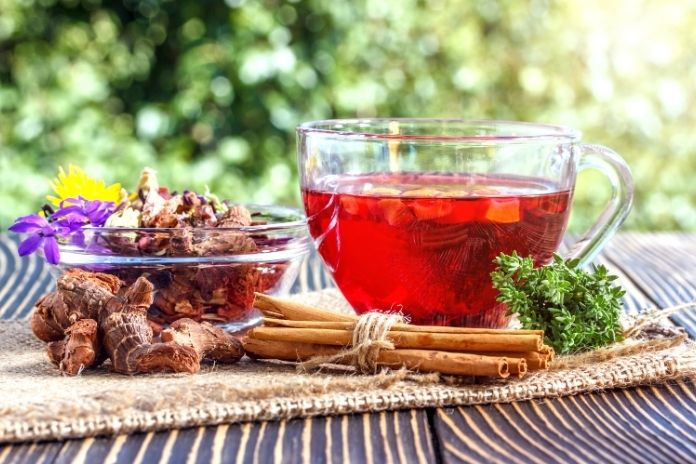
Making milk thistle tea is simple, but brewing it correctly maximizes both its flavor and potential benefits.
Brewing milk thistle tea is straightforward:
- Ingredients:
- 1–2 teaspoons of crushed milk thistle seeds or 1 tea bag.
- 1 cup of hot water.
- Instructions:
- Boil water and pour it over the milk thistle seeds or tea bag.
- Cover and steep for 10–15 minutes.
- Strain if using loose seeds.
- Optional: Add lemon, ginger, or honey for enhanced flavor.
For optimal liver support, it is typically suggested to consume 1–2 cups of milk thistle tea per day. Regular consumption over time is likely to yield the best results. According to The Frugal Chef, “For liver support, it is typically suggested to consume 1–2 cups of milk thistle tea per day.”
Who Should (and Shouldn’t) Drink It?
Milk thistle tea can be a helpful addition for many people, but not for everyone.
It may benefit individuals seeking natural support for liver health or those looking to ease mild digestive issues. However, people with chronic liver conditions, diabetes, or those taking multiple medications should consult their doctor first. Pregnant or breastfeeding women should avoid it unless given medical approval. In short, milk thistle tea is best viewed as a complementary practice, not a replacement for professional treatment.
Frequently Asked Questions (FAQs)
To clear up common doubts, here are a few quick answers:
Does milk thistle tea detox the liver?
Milk thistle tea doesn’t detox the liver in the way fad cleanses claim. Instead, it supports the liver’s natural processes by helping protect cells from damage and aiding regeneration. The active compound, silymarin, has antioxidant properties that reduce oxidative stress. Studies suggest it may benefit people with fatty liver disease or mild liver damage. While it isn’t a miracle cure, regular use can complement medical treatment. Think of it as liver support, not a quick fix for detox.
How long does it take to see results?
The effects of milk thistle tea depend on your health goals and the consistency of your intake. Some people may notice improved digestion or reduced bloating within a few weeks. For liver-related benefits, clinical studies have shown that results often take several months of use. Because herbal remedies work gradually, patience is important. Drinking the tea consistently, alongside a balanced diet and a healthy lifestyle, enhances its effectiveness. It’s not instant, but steady use may offer long-term support.
Is tea as effective as supplements?
Tea made from milk thistle seeds provides gentle support, but supplements usually deliver more concentrated silymarin. This means that capsules or extracts may be more suitable for therapeutic purposes, especially in clinical settings. However, tea is a calming, hydrating, and accessible option for daily wellness. Although it may not match the potency of supplements, it can still make a meaningful contribution to liver, digestive, and antioxidant support. The choice depends on whether you want a mild daily habit or targeted treatment.
Can you drink it every day?
Yes, most people can safely enjoy milk thistle tea daily as part of a balanced routine. Drinking 1–2 cups is generally considered safe, though very high doses are unnecessary. It’s best to consult a doctor if you’re pregnant, breastfeeding, or taking medications that affect the liver. Consistency matters, so moderate daily consumption may support overall wellness. Think of it as a gentle, herbal addition rather than a cure-all. Regular use is safe for most adults.
Conclusion
Milk thistle tea sits at the intersection of tradition and modern wellness. Its mild yet meaningful effects on liver support, digestion, and antioxidant activity make it a valuable herbal option for many people. The tea form offers a soothing, approachable way to incorporate milk thistle into daily life, without the intensity of concentrated supplements.
Still, it’s not for everyone. Individuals with certain health conditions or those taking specific medications should consult a healthcare professional first. Think of milk thistle tea as part of a larger picture: it complements, but does not replace, a balanced diet, adequate hydration, regular exercise, and proper medical care.
When enjoyed responsibly, milk thistle tea can be more than just a warm drink; it can be a small yet steady step toward supporting your liver, enhancing digestion, and promoting overall well-being.
References
- https://www.webmd.com/diet/milk-thistle-tea-good-for-you
- https://www.youtube.com/watch?v=lrCcHkrFm6o
- https://health.clevelandclinic.org/milk-thistle-benefits
- https://www.youtube.com/watch?v=fGwi9WPPmik
- https://www.youtube.com/watch?v=ZC7UoCqmV64
- https://senchateabar.com/blogs/blog/milk-thistle-tea
- https://www.medicalnewstoday.com/articles/320362
- https://www.mayoclinic.org/drugs-supplements-milk-thistle/art-20362885
- https://www.1mg.com/ayurveda/milk-thistle-252
In this Article