













Exercise is a sure way to burn calories and lose weight. Physical activity of any type has a positive impact, but if you’re going to work out, why not make the most of every drop of sweat?
That’s where low-impact exercises come in – they deliver powerful calorie burn without punishing your joints. Low-impact exercises like swimming, cycling, or brisk strolling can burn just as many calories as jogging. They are a great option for anyone who wants to prevent overstressing their knees or for those with joint pain or injuries.
These workouts can help you change your body composition and burn fat. Plus, you don’t need a personal trainer or gym equipment to get a full-body workout.
In this article, we’ll reveal the best low-impact calorie-burning techniques and help you effectively lose body fat while protecting your health.
Read More: Low-Impact WODs for People with Joint Pain
Why Low-Impact Workouts Are Effective for Burning Calories
Many people believe that only high-impact exercises, such as running or jumping, burn significant amounts of calories. But that’s not true.
The intensity of your exercise—determined by your effort and heart rate – is what increases calorie burn.
Weight loss requires a caloric deficit, or burning more calories than you consume. Low-impact activities such as swimming, cycling, or rowing allow you to burn substantial calories while reducing stress on your ankles, knees, hips, and back.
One major benefit of low-impact exercise is sustainability. Since it doesn’t cause pain with each step or movement, you can maintain the activity for longer periods. The longer you perform low-impact exercises, the greater your total calorie burn.
For example, someone might be able to row for 45 minutes without discomfort but may need to stop running after 20 minutes due to joint pain or fatigue.
Low-impact exercise often engages multiple muscle groups simultaneously, increasing overall energy expenditure and calorie burn. This full-body engagement creates more efficient workouts in less time—ideal for people with busy schedules.
10 Best Low-Impact Workouts That Burn Calories
1. Swimming:
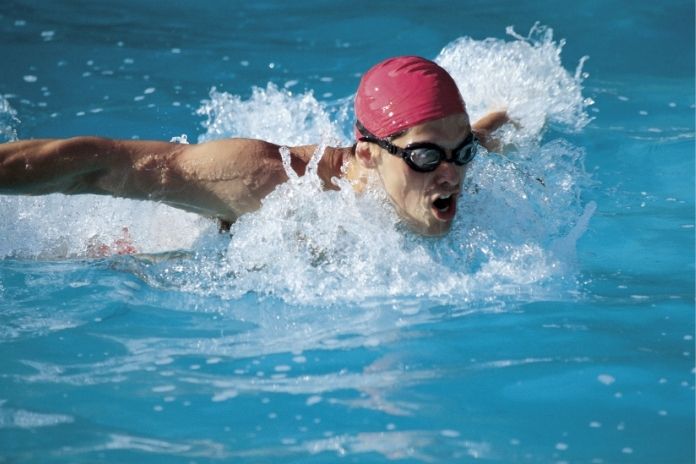
Swimming is the solution if you want a full-body aerobic workout that doesn’t strain your joints. The water’s buoyancy lessens the force that your weight exerts on your body.
In addition, every movement in water provides resistance, which enhances muscle strengthening compared to other aerobic activities.
“Swimming can strengthen your joints without the impact that comes with many land-based activities,” says exercise physiologist Ben Kuharik.
“And you can burn ample calories whether you’re water walking, swimming leisurely, or trying to push yourself with specific strokes.”
2. Cycling (Indoor/Outdoor):
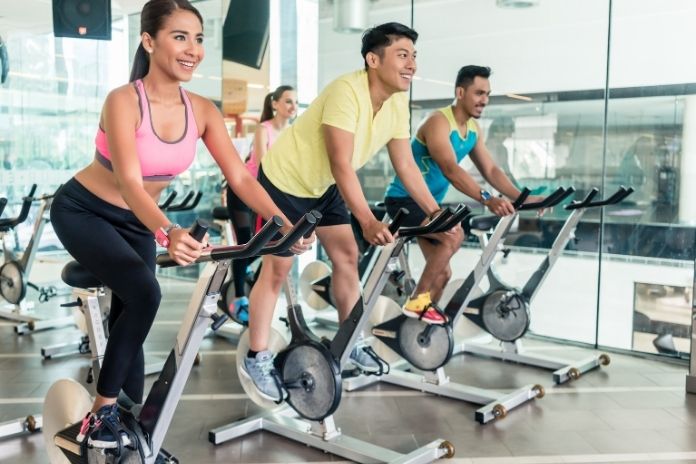
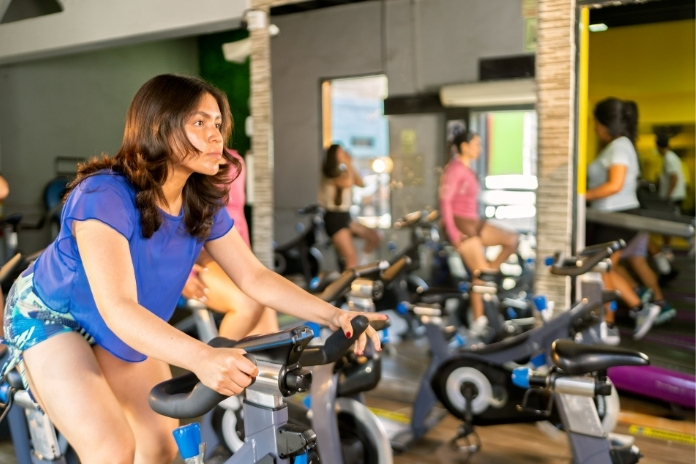
Moving swiftly on two wheels burns calories quickly. The energy your leg muscles need to pedal continuously creates rapid calorie consumption.
Cycling outdoors or riding a stationary bike indoors can be considered low-impact, as long as you maintain a comfortable pace.
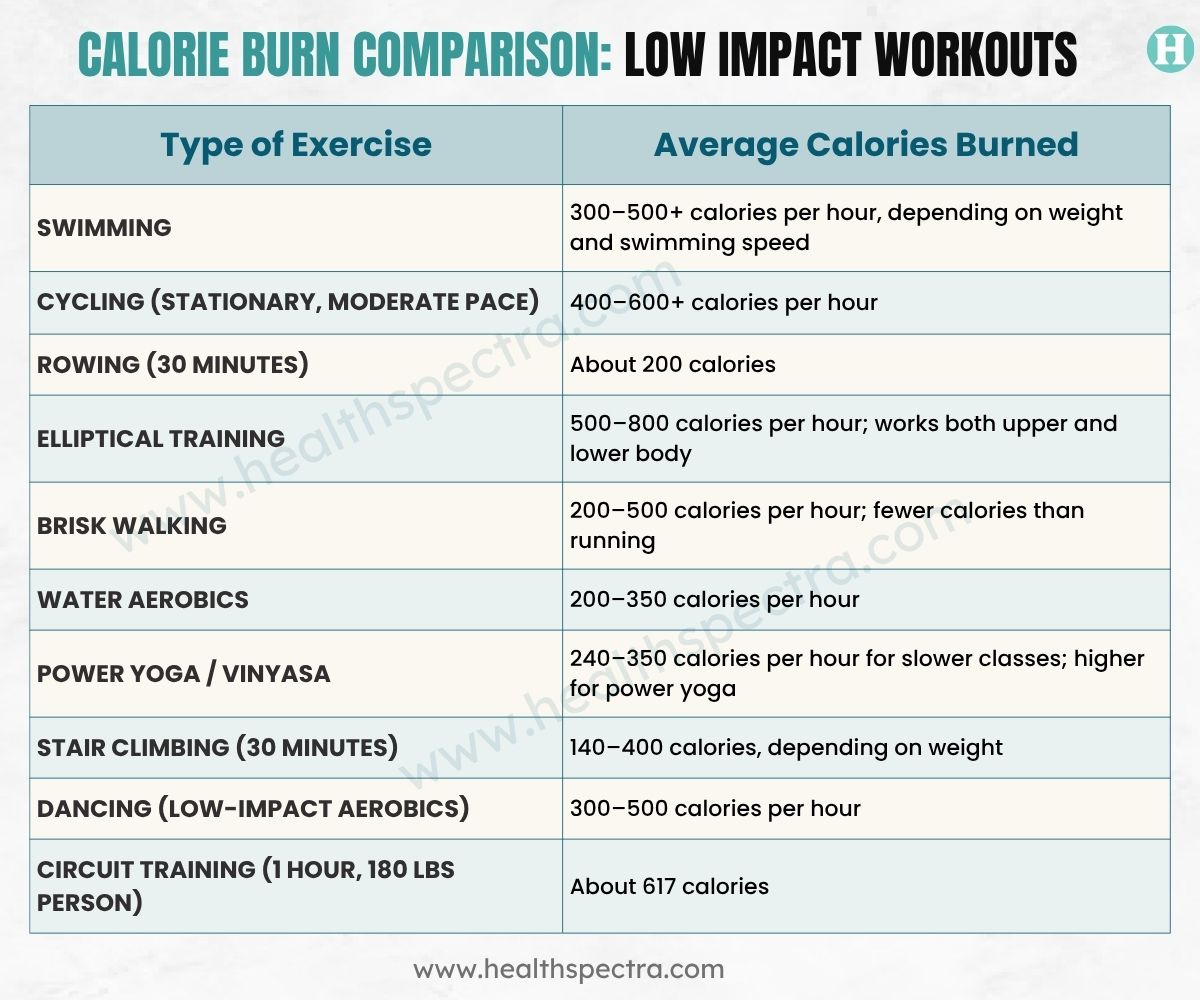
Riding a stationary bike at a moderate pace burns 400–600+ calories per hour. If you experience joint pain while cycling, try a recumbent bike, which sits lower and reduces pressure on your knees.
Read More: Commute Workouts: Turning Walking and Cycling Into Training
3. Rowing Machine:
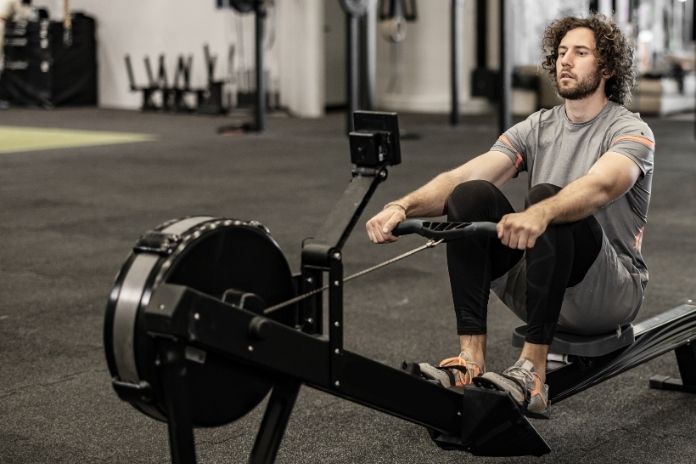
Rowing is a full-body cardio exercise that’s easy on your joints. With proper form, a rowing machine engages all of your major muscle groups and provides an excellent cardiovascular challenge for people of all fitness levels.
You control the workout’s intensity by adjusting the machine’s resistance at your own pace. Try one minute of maximum effort followed by one to two minutes of lower intensity to recover—this interval approach can help maximize calorie burn.
To start, repeat the intervals 10 times. You can also adjust the number of intervals per session and the ratio of high-intensity effort to recovery time.
4. Elliptical Training:
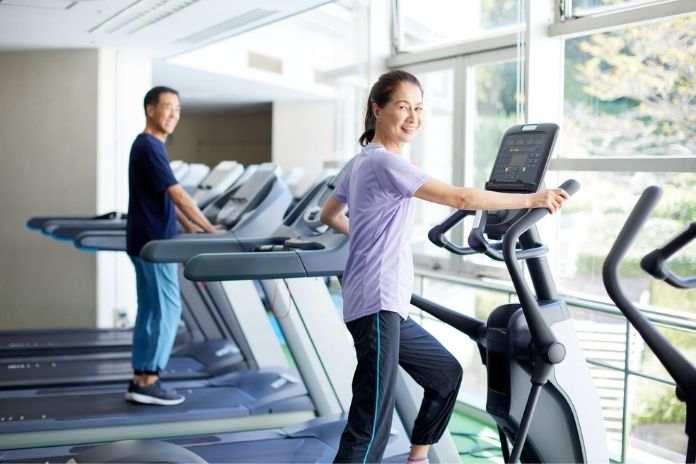
The name “elliptical trainer” comes from the long oval motion your legs make while using the machine. These devices combine elements of cross-country skiing, cycling, stair climbing, and running to create a low-impact cardiovascular workout that burns significant calories.
Some ellipticals have moving handlebars to provide a more complete workout and higher calorie burn. Whether the handlebars move or not, avoid leaning on them to maintain proper form.
5. Brisk Walking (Incline/Hills):
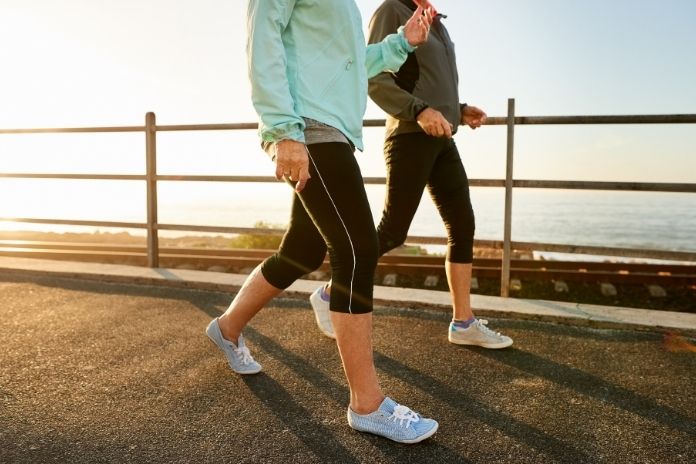
Walking ranks as one of the best low-impact aerobic exercises. Simply put on a good pair of athletic shoes and head out.
However, to fully benefit from walking’s cardiovascular benefits, you must walk at a brisk pace. You can track your mileage and ensure you’re walking quickly enough by downloading a walking app to your phone.
To help you move faster, pump your arms and keep your elbows bent. Try walking uphill to increase your calorie burn. To absorb some of the additional stress, make sure your knees remain bent as you descend again. To burn even more calories, consider adding intervals to your walks.
6. Water Aerobics:
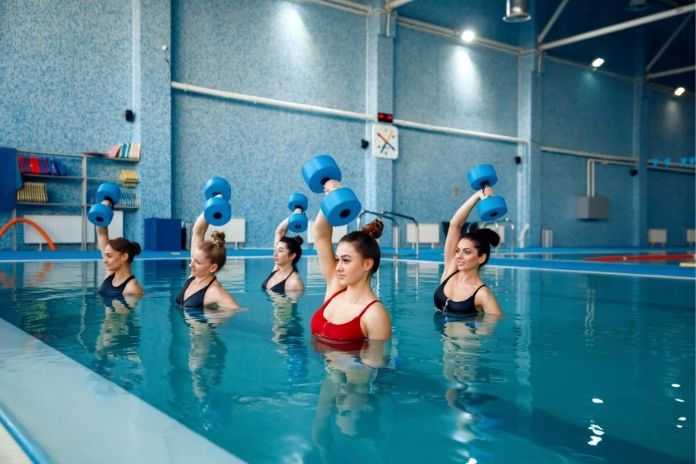
When you do cardiovascular exercise in the shallow end of the pool, your body has the advantage of overcoming resistance.
Like swimming, this enhances the cardiovascular system without putting undue stress on the joints.
Read More: 7 Cardio Kickboxing Workouts for Stress Relief and Calorie Burn
7. Power Yoga (Ashtanga or Vinyasa):
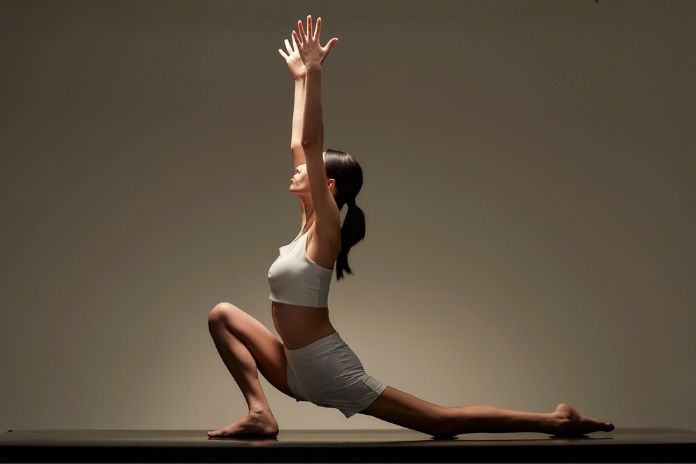
Power yoga, characterized by continuous movement from one pose to another, can raise your heart rate, burn calories, and increase your strength and flexibility. Still, not all types of yoga offer a decent cardiovascular workout.
To gain those benefits, choose classes labeled vinyasa, Ashtanga, power, or flow. If you’re new to yoga practice, consider taking a few lessons to learn proper form and safe transitions between postures.
And keep in mind that just because “hot” yoga makes you sweat more, it doesn’t necessarily follow that you are burning more calories.
To protect your joints, substitute stepping in and out of postures for the short hops that are part of some power yoga styles, from plank to forward bend, from head to plank.
8. Stair Climbing (Machine):
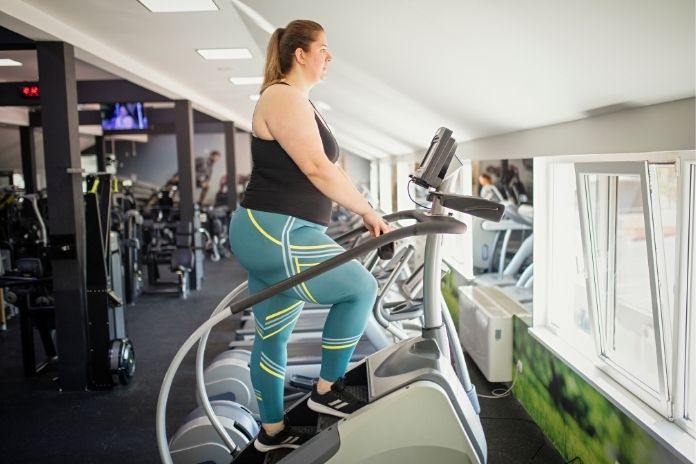
When used appropriately, the stair climber can have a minimal impact on your joints. To keep it low-impact, avoid moving too quickly or for too long.
If you experience knee pain, stop using the stair climber. And before using it once more, consult your physician.
9. Dancing (Zumba/Cardio Dance):
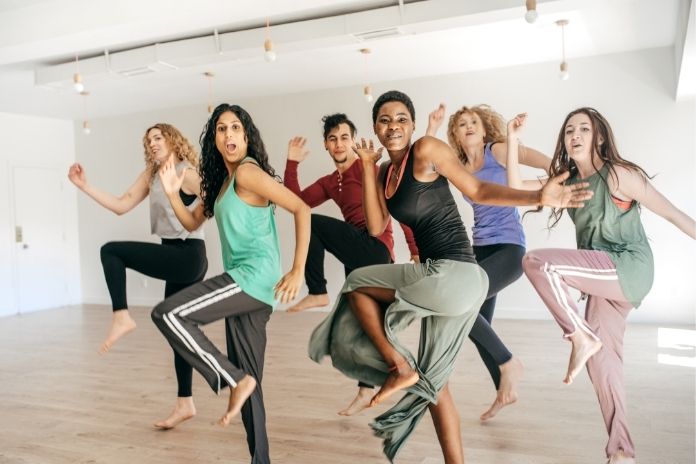
Zumba and other cardio dance courses offer an enjoyable way to burn calories in a group workout environment that combines rhythmic movement and music. Zumba uses repetition to help you learn the moves quickly, so don’t worry if you can’t master all the choreography right away.
You’ll learn all the moves quickly, thanks to the numerous opportunities to practice them. Keep in mind that you will be sweating, so don’t forget to bring a towel and a bottle of water with you.
A standard class lasts for one hour, with breaks of 30 seconds to 1 minute between songs. During breaks, drink some water and recover from any fatigue.
10. Circuit Training (Low-Impact):
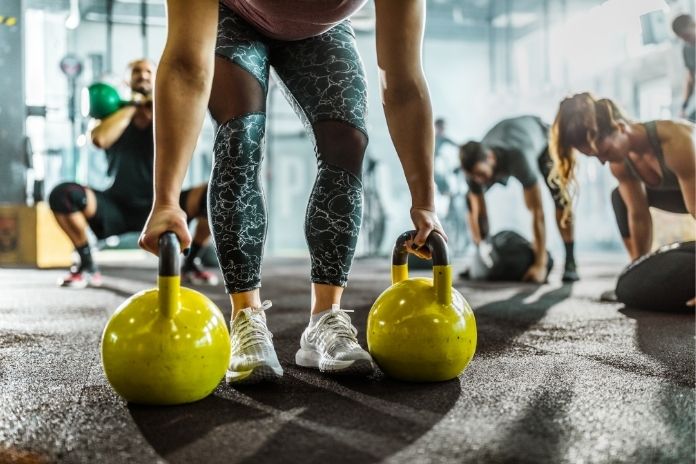
Circuit training alternates between several muscle-strengthening exercises with little to no rest in between, adding an aerobic challenge to resistance training. It raises the heart rate, resulting in a highly effective workout.
Circuits are used in many bootcamp-style fitness courses to burn calories and gain muscle simultaneously. With basic tools like medicine balls, dumbbells, and even your own body weight, you can create your own circuit workouts.
Read More: Best Exercises to Strengthen Your Joints Without Stressing Them: Low-Impact Moves That Work
Calorie Burn Comparison: Low Impact Workouts
 Read More: How to Protect Your Knees During Workouts: Tips Every Active Person Should Know
How to Maximize Calorie Burn in Low-Impact Workouts
It’s not always necessary to run on the pavement or jump through high-intensity circuits to burn more calories.
With the correct techniques, low-impact exercises can be much more effective at burning fat while also being much less taxing on your joints. The way you train, not just what you do, is the key.
Focus on Intensity, Not Measures: Keep your heart rate high. Use interval training, which alternates shorter bursts of high intensity with brief rests in between. For instance, if you are swimming or cycling, “go harder” for 30 to 60 seconds, then take a little rest, then go again.
Add Incline or Resistance: Walking on a treadmill adds incline. Riding a stationary bike adds resistance. It increases muscle use and calorie burning, thus enhancing endurance and strength.
Maintain Correct Form and Posture: Correct alignment enables efficient movement, reducing fatigue and allowing one to remain intensely focused for a longer period, with a lower risk of injury.
Be Consistent: Low-impact workouts are more straightforward and more effective to start with, especially for long runs. Aim to maintain at least 150 minutes of moderate to vigorous exercise every week to promote overall bodily health. But at the same time, don’t forget rest days.
Conclusion
The most innovative exercises are not the fastest or most explosive ones, nor are they the hardest on your body.
Low-impact workouts demonstrate that you can make progress without overtaxing your joints. They enable you to burn hundreds of calories per session, moving with power rather than discomfort. Every steady push and consistent session adds up to noticeable, long-lasting improvements, whether you’re swimming, cycling, or taking brisk walks.
The sustainability of these exercises is what really makes them effective; you may perform them day after day without worrying about injury or burnout. That constancy eventually turns into your most significant calorie-burning benefit. Therefore, concentrate on equilibrium rather than pursuing weariness.
Read More: Cycling for Cardio: Exploring the Benefits of Indoor and Outdoor Cycling Workouts
FAQ
Q1: Can you really burn calories with low-impact workouts?
Certainly! The number of calories burned by a low-impact cardio workout of about 5 minutes may vary for individuals, but it is typically between 20 and 50. Efficient exercises, such as swimming, cycling, and rowing, produce the same calorie results as high-impact exercises like running. Maintaining adequate intensity—keeping your pulse rate high in the cardiac zone—is crucial. Low impact does not mean less work or calorie burn; instead, it means less joint stress.
Q2: What low-impact workout burns the most calories?
Swimming is an excellent kind of exercise that does not involve any impact and achieves maximum calorie burn. You may experience feelings of embarrassment if you wear a bathing suit in public, but if you go early in the morning, you will most likely discover a small group of people exactly like you who are working out.
Q3: How many calories can I burn in 30 minutes of low-impact exercise?
Thirty minutes of low-impact workouts burn between 150 and 400 calories. Cycling burns (125-pound person) 315-441 calories (185-pound person), water aerobics burns (125-pound person) 120-168 calories (185-pound person), and elliptical training burns (125-pound person) 270-378 calories (185-pound person). This range varies depending on your body weight (heavier people burn more calories) and the intensity of your workout (a vigorous pace versus a moderate pace).
Q4: Are low-impact workouts that burn calories good for weight loss?
Low-impact workouts are indeed great for weight loss, especially in combination with a balanced diet. They are good because they effectively burn fat and calories, help build muscle, and promote cardiovascular health, which helps bolster more consistent exercise regimens. They are also gentle on the joints, which helps bolster consistent exercise regimens.
Q5: How can I burn more calories during low-impact workouts?
In low-impact workouts, you can raise the intensity by: 1) increasing speed, incline, or resistance; 2) gaining muscle mass through circuit training or weights; and 3) improving your technique to ensure you are exercising correctly and making the most of your effort.
Q6: Which is more advantageous, having a low impact or a high impact?
A low-impact workout or high-impact workout can help increase your fitness level, build muscle, improve your mood and cognitive health, strengthen your bones, and assist you in losing weight. People with joint issues may find low-impact workouts more effective than other types, as they allow for exercise with reduced discomfort and strain on their joints.
Q7: Can I do calorie-burning low-impact workouts every day?
If you want to burn calories and improve your overall health, consider incorporating low-impact workouts into your daily routine. These workouts are easy on your body and good for your overall health. Experts recommend incorporating rest days into your program or varying your routine with strength training a few times per week to prevent overtraining and maintain a well-rounded fitness plan.
Q8: How do I track calories burned during low-impact workouts?
During a workout, you can determine the number of calories you burn by employing a formula that takes into account your body weight, the MET value (metabolic equivalent) of the activity, and the length of time you spend engaging in the activity. Alternatively, you can use wearable fitness trackers or rely on data from gym machines, both of which estimate your results using their own calculations.
References
- https://perfectketo.com/low-impact-exercises-for-weight-loss/
- https://portal.peopleonehealth.com/HealthyLiving/Fitness/All/Low-ImpactExercisesThatBurnMajorCalories
- https://health.clevelandclinic.org/what-exercise-burns-the-most-calories
- https://www.linkedin.com/in/ben-kuharik-68a396267/
- https://www.health.harvard.edu/diet-and-weight-loss/calories-burned-in-30-minutes-for-people-of-three-different-weights
- https://burned-calories.com/sport/circuit-training
- https://betterme.world/articles/low-impact-workout/
- https://www.crunch.com/thehub/cardio-exercises-for-losing-weight-which-ones-work-best/
- https://www.health.com/fitness/5-exercises-that-burn-the-most-calories
In this Article