





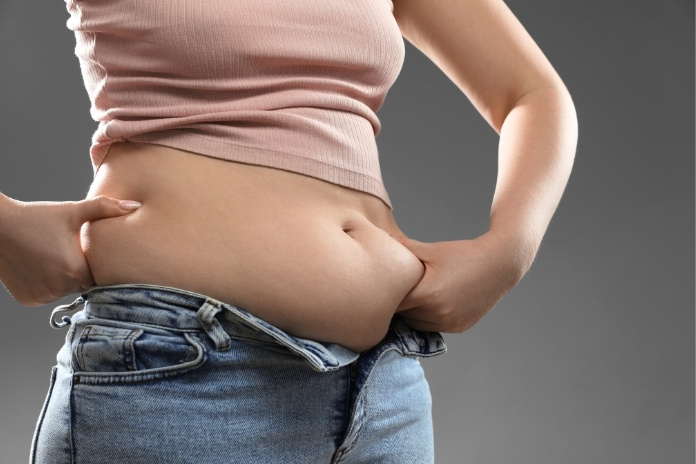







Low-carb or low-fat. Which is really the better diet for weight loss? The answer might surprise you.
The debate between low-carb and low-fat diets won’t go away, and part of the reason is that it’s often oversimplified. Too often, weight loss is reduced to a single nutrient instead of looking at the bigger picture. Carbs are “bad,” fat is “fattening.” This focus on myths keeps the discussion stuck in misunderstanding rather than evidence.
Carbs don’t automatically cause weight gain. Their effect depends on how much you eat, what else is in your diet, and the overall calorie context. Similarly, fat isn’t inherently fattening; its impact depends on total calories consumed. In fact, fat can help you feel full, which may actually make it easier to manage your overall intake.
In this article, we’ll break down the evidence, explore how low-carb and low-fat diets really affect weight loss, and help you understand which approach might suit you best.
Read More: Post-Weight Loss Challenges: How to Manage Persistent Hunger
What Really Drives Weight Loss

In its simplest form, you lose weight by having a calorie deficit. That means consuming fewer calories than you burn. It doesn’t matter what your sources of calories are, whether you eat a lot of carbohydrates or a lot of fats. The success and failure of a specific diet isn’t determined by whether that diet causes a net reduction in calorie consumption.
Your body works against a calorie deficit with physiological changes in hormones and the nervous system, increasing appetite and reducing the rate at which your body can burn energy. At this point, the importance of your diet comes in.
“When you think of what dieters want – and what they need to stay motivated – it is the satisfaction of results. They want to see significant weight loss and fast. For many, a low-carb lifestyle provides the answer they are looking for,” says Dr. Tiffany Lowe-Payne, DO, an osteopathic family physician.
The balance of macronutrients determines the drive of hunger through the mechanisms of satiety, blood sugar control, and the rate of stomach emptying. Protein-rich, high-fiber, and high-volume foods are more likely to suppress hunger for a longer time. While foods high in either carbohydrates or fat might cause overeating.
Additionally, it is essential to distinguish between weight loss and actual fat loss. In the early stages of weight loss, it is common to experience rapid weight loss due to the loss of glycogen and water.
However, it is necessary to assess the effectiveness of weight loss in months rather than weeks.
What Is a Low-Carb Diet?
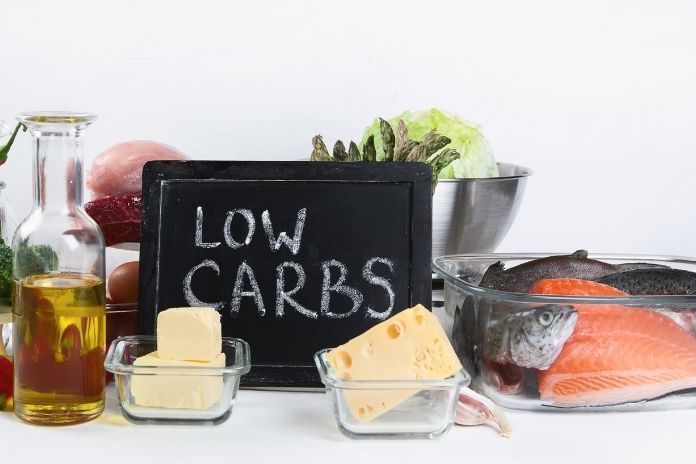
A low-carb diet is not a “one size fits all” with a clear boundary. Rather, it is a dietary regime in which carb intake is reduced below standard recommendations. While some might be moderately strict or intensive, the principle is simple: one wants to cut down on calorie intake from carbohydrates.
Reducing carbs leads to less insulin production in your body. When an insulin-resistant or glucose-intolerant individual reduces insulin production, their body becomes more sensitive to insulin, and their blood sugar levels become stabilized.
This stabilization not only prevents energy crashes but also helps a person cut cravings between meals, thereby aiding weight loss.
Such diets also increase protein intake, which, in turn, promotes weight loss in several ways, including increasing satiety, aiding the retention of muscle mass during fat loss, and increasing the thermic effect compared to fat and carbohydrates. When consumed together, it is easier to maintain a calorie deficit without experiencing hunger pangs.
What Is a Low-Fat Diet?

A low-fat eating pattern shifts the balance of calories toward carbohydrates (mainly whole, real foods), while keeping the fat intake relatively small. Protein stays in the middle, and total calories are often controlled more by the amount of food eaten than by strict portion rules.
This approach helps with weight loss by reducing calorie density. Fat packs more than twice as many calories per gram as carbs or protein. Hence, cutting fat lets you eat larger portions that are lower in calories overall. For many people, that makes it easier to maintain a calorie deficit without feeling deprived.
On a fat-restricted diet, one usually increases foods high in water and fiber. Foods like fruits, vegetables, legumes, and whole grains. Such food slows digestion, keeps you feeling fuller for longer periods, and supports gut balance, allowing for more efficient appetite regulation over time. If you prefer carbohydrate-heavy meals, this method may make weight loss more sustainable than diets that emphasize higher fat intake.
And let’s not forget: low fat does not invariably mean low quality. When the diet centers on minimally processed foods rather than refined carbohydrates, it can support not only weight loss but also broader metabolic health markers, including lipid profiles and cardiovascular risk factors.
Read More: Effective Obesity Management: 4 Proven Strategies for Lasting Weight Loss
Low Carb vs Low Fat: How They Compare for Weight Loss

When comparing a low-carb diet to a low-fat diet, people lose weight faster with a low-carb diet. This depends on glycogen depletion and then the water leaving the body.
With time, these differences become fewer. If you look at maintaining calorie and protein intake, the long-term fat loss with low-carb and low-fat diets will basically be the same. Such trends emerge in randomized controlled trials and systematic reviews.
Diets that are doable and won’t drive you crazy or ruin social events are preferable to those that are theoretically sound but impractical.
Rather than indicating that one diet is superior, these findings draw a more practical conclusion. The best diet is the one that reliably helps an individual control calories while preserving energy, satisfaction, and consistency over the long term.
Why Low-Carb Diets Often Show Faster Early Weight Loss
Low-carb diets may result in rapid initial weight loss, but this weight loss is not always fat loss. Much of this is related to how the body processes carbohydrates.
As your body reduces its intake of carbohydrates, it begins to rely on stored glycogen in your muscles and in your liver. Glycogen holds water, and as your glycogen reserves decrease, your body loses water weight. This results in early weight loss as your scale tips downward even before your body loses much fat.
In addition, many people experience reduced appetite on a low-carb diet. A higher intake of protein and fats will often cause slower digestion and reduce appetite, prompting one to eat fewer calories without appearing to starve. This encourages those who experience difficulty in monitoring their calorie intake.
But that initial momentum is no guarantee of sustained success. After glycogen stores are stabilized, weight loss may stop. If at any point the diet becomes too difficult to maintain or adherence waxes and wanes, that number on the scale could creep back up.
Those initial changes on the scale must be taken with a grain of salt.
Why Low-Fat Diets Can Be Easier to Maintain Long-Term
Low-fat diets feature a larger variety of foods, and this makes them a lot easier to follow for an extended period of time. A low-fat meal includes grains, fruits, beans, and starchy vegetables.
If you are eating more carbohydrates on a low-fat diet, you will likely find that you are getting more fiber as well. Fiber helps promote a healthy digestive tract and satiety after eating. This often means that people experience fewer ups and downs in energy and digestive trouble than with low-carb diets.
Moreover, it’s easier to implement in real life. Low-fat patterns are more adaptable for shared meals, travel, and ethnic cuisines. The ability to adapt makes the difference in “being on a diet,” as it helps you stick to it.
Appetite, Hunger, and Cravings

Carbs and fats impact hunger and feelings of fullness in several different ways. Carbs, particularly those that contain a lot of fiber, help you feel full because the stomach expands, and the body senses this through hormonal changes. Fats delay gastric emptying, helping you enjoy the food you eat, reducing the need for snacks.
Each individual has a different response. Some people feel hungrier and eat more when their diet includes more carbohydrates, whereas others may feel tired and eat more when their consumption of fats becomes higher.
That is why the most effective diet is always the one that you can follow. A diet that helps suppress your appetite, keeps your energy levels constant, and is practical and feasible is far more preferable than one that just sounds impressive.
Low Carb vs Low Fat for Different Weight Loss Goals
For Rapid Weight Loss
Low-carb plans may be more inspiring initially, as the scale often reflects changes more quickly, and they tend to reduce appetite. Quick gains tend to facilitate adherence to a new diet plan in its early stages.
But it’s good to remember that you need to set realistic expectations. Much of that early drop is water weight rather than fat loss. If you don’t anticipate when progress slows down, motivation tends to wane.
For Long-Term Fat Loss
Successive fat loss is based more on consistency than on counting macronutrients. Diets that allow for flexibility, provide good nutrition, and are enjoyable are more likely to be maintained over the long term.
Studies have shown that low-carb and low-fat diets do not always outperform one another when calories and protein are matched; adherence remains the strongest predictor of success.
For Metabolic Health
Both diets can enhance insulin sensitivity, lipid profile, and blood glucose if associated with weight loss. The benefits often depend more on where you start healthwise than on the diet label. If you have insulin resistance or high blood sugar, the quality and quantity of carbs may matter more. For others, more important things are the total calorie intake and how much weight you lose.
Read More: 8 Myths About Weight Loss You Need to Stop Believing
Who May Do Better on a Low-Carb Diet
Some bodies just work better on a lower carb intake, especially if one experiences strong cravings when carbs are readily available. Reducing carb intake may help maintain a balanced level of appetite and energy.
In the case of insulin resistance or a disturbed glycemic state, a low-carb diet may help. This holds when refined carbohydrates are replaced with either protein, total fiber, or healthy fatty acids.
People who prefer high-protein, high-fat diets find it easier to stick with a low-carb diet because the foods align with their preferences.
Can You Combine Low Carb and Low Fat?

At first, it would seem that pairing low-carb and low-fat diets could be the cleanest shortcut to losing weight, slashing everything, and opting for a deficit diet. In reality, however, this plan bombs more often than not.
Cut down both carbs and fats, and you are left with fewer food options, less satisfying meals, and a higher chance of missing crucial nutrients.
The extreme restriction permanently depletes your energy around eating. Hunger is much more difficult to manage, cravings spike, and sticking with the plan becomes tough. That is one big reason ultra-restrictive diets typically show quick, initial weight loss followed by rebound rather than lasting fat loss.
Include both carbs and fats while watching portions and prioritizing protein. This often helps with appetite control and consistency. Rather than avoiding whole macronutrients, proven longer-term strategies focus on cutting ultra-processed foods, improving the quality of the diet, and maintaining a sustainable calorie deficit.
In many contexts, moderation isn’t a compromise but a performance edge.
How to Choose Between Low Carb and Low Fat
A choice between low-carb diets and low-fat diets is not about remaining loyal to your dietetic principles. It is more about observing how your body responds to certain kinds of food and how your lifestyle syncs with your diet. The right diet is the one that matches your biology and lifestyle.
A good rule of thumb would be to examine hunger, energy, and cognitive effort. Programs that involve hunger and energy, often associated with significant cognitive effort or cravings, can surely fall apart, even though rapid results seem promising initially.
Lifestyle and personal culture count. If your eating system does not integrate with family suppers, social gatherings, or work patterns, it will fail not because it does not work, but because it won’t work. Sustainability is not an option; it’s a lever for weight loss.
And notice the signs: fatigue, irritability, episodes of eating too much, and difficulty staying on track. Such signs are significant.
Common Myths About Low-Carb and Low-Fat Diets
The idea that carbohydrates automatically cause weight gain ignores calorie balance and food quality. Carbs eaten within a calorie-controlled diet do not inherently lead to fat gain.
Similarly, the belief that dietary fat inevitably leads to fat gain oversimplifies metabolism. Fat is calorie-dense, but it does not cause weight gain unless total intake exceeds needs.
The most persistent myth is that one diet works for everyone. Individual biology, lifestyle, and preferences matter far more than rigid rules.
The Practical Takeaway on Low-Carb vs. Low-Fat Diets
When you focus on low-carb vs. low-fat diets for weight loss. Both will be effective if they contribute to cutting calories in the long run. No single nutrient can help alone in fat burning, and carbs and fats cannot be avoided to achieve optimum energy levels.
“The one factor that leads to success is a combination of enough protein, healthy foods, and consistency.” Plans that improve metabolism and are associated with stable hunger and that fit an individual’s lifestyle are typically superior to approaches emphasizing severe calorie restriction.
Rather than trying to determine which diet is “better,” it is more helpful to know the diet you are able to stick to that balances energy, satisfaction, and nutrient intake in a way that suits your needs. Often, it is better to have a realistic aim and opt for a macro breakdown than to try to optimize for something that is never going to be feasible for your lifestyle or goals.
“Low-carb diet” and “low-fat diet” are not competing diets. They are simply two approaches that lead to the same result using the same mechanism: creating a calorie deficit. They are distinguished only in the impact they have on appetite, food choices, and maintainability. The best diet isn’t the most extreme; it is the one that works in concert with your biology and in harmony with your lifestyle.
References
- Ebbeling, C. B., Knapp, A., Johnson, A., Wong, J. M. W., Greco, K. F., Ma, C., Mora, S., & Ludwig, D. S. (2021). Effects of a low-carbohydrate diet on insulin-resistant dyslipoproteinemia: A randomized controlled feeding trial. American Journal of Clinical Nutrition, 115(1), 154–162.
- Hall, K. D., Guo, J., Courville, A. B., & Boring, J. (2023). Weight loss over 12–16 weeks with low-calorie diets and associated inflammatory factors. Nutrition & Metabolism, 20, Article 74.
- Elsevier. (n.d.). Glycogen muscle level. In ScienceDirect Topics. Retrieved January 13, 2026
- Elsevier. (n.d.). Low-fat diet. In ScienceDirect Topics. Retrieved January 13, 2026
- WebMD. (n.d.). Calorie deficit: What it is and how it works. Retrieved January 13, 2026
- Elsevier. (n.d.). Satiety. In ScienceDirect Topics. Retrieved January 13, 2026
- Oh, R., Gilani, B., & Uppaluri, K. R. (2023). Low-carbohydrate diet. In StatPearls. StatPearls Publishing.
In this Article