













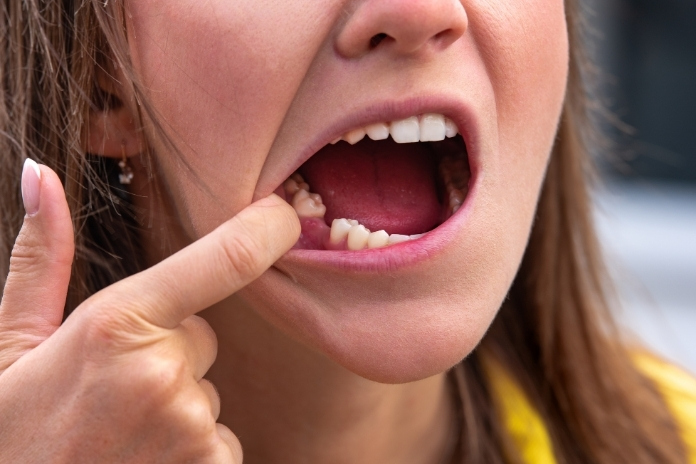
Think of someone close to you, or even yourself, suddenly being struck in the face and having a tooth knocked out. Panic immediately sets in. Losing a permanent tooth is one of the most severe dental emergencies a person can experience.
Over five million teeth are lost by individuals of all ages each year, and in many instances, the tooth is not truly gone for good. It may be surprising, but with quick and proper emergency treatment, a lost tooth can be saved and reimplanted into the mouth, where it can remain for years to come.
This article outlines the steps to take immediately after losing a tooth, when it is essential to see a dentist, how to store the tooth appropriately if needed, and the mistakes you should avoid.
Read More: Do Charcoal Toothpastes Really Work or Damage Enamel?
Understanding the Injury — What “Knocked-Out” Means
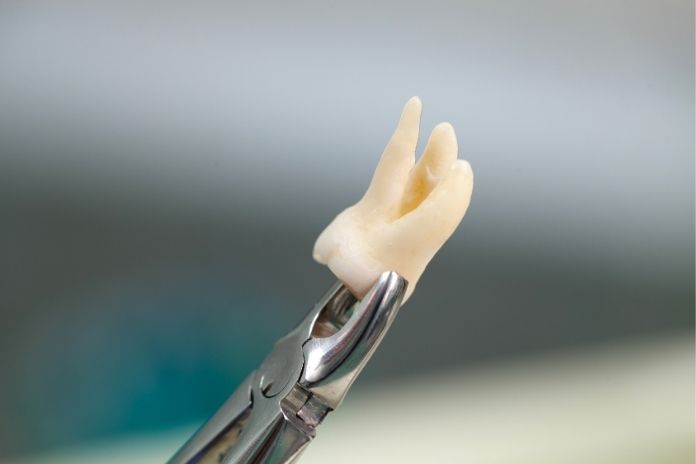
Avulsed teeth, also known as knocked-out teeth, are teeth that have been knocked out of their socket and frequently from your mouth. Medical professionals may refer to this as dental avulsion.
As a form of dental trauma, avulsed teeth require immediate treatment. If this occurs to you or someone else, you can save the tooth by putting it back in the socket right away. This procedure is also called replantation, or the reinsertion of a tooth. Keep it wet, and then see your dentist or go to the ER as soon as possible.
Immediate re-implantation, or putting the tooth back in its socket as soon as possible, can frequently save permanent teeth.
“It is possible to save a tooth if you act quickly,” says LaToya Wilson, DMD, dentist with St. Louis Children’s Hospital Healthy Kids Express. “There is only a 30- to 60-minute window of opportunity before it is too late.
Immediate First-Aid Steps — What to Do in the First Minutes

After a tooth gets knocked out, you can take a few steps to increase your chances of saving it, depending on the situation. Following the extraction of your child’s or your own teeth, you can take the following actions.
The American Association of Endodontists (AAE) states that there are a few things you can do to improve your chances of salvaging a knocked-out tooth during the first thirty minutes.
Recover the tooth if you can: Until you can visit the dentist, make an effort to keep the tooth clean. If the entire tooth gets knocked out, handle only the crown—the top or chewing surface—and avoid touching the root.
Rinse the tooth with warm water: You can use warm water to rinse a tooth that has fallen to the ground and is covered in dirt or debris, but do not use soap or any other cleaning supplies. The AAE advises against cleaning or scraping the tooth and against covering it with gauze or tissue.
Maintain constant moisture in the tooth: You may attempt to replace the tooth in the socket. If not, try holding the tooth in your mouth to keep it moist, or soak it in milk until you visit the dentist.
Visit the dentist as soon as possible: A knocked-out tooth is a dental emergency, so you should visit the dentist as soon as you can. If you cannot get an appointment within an hour of your tooth falling out, save the tooth and bring it to your appointment, as it may still be possible to reattach it.
Read More: How Long Until a Tooth Infection Kills You? Understanding the Risks, Timeline, and When to Seek Help
When to See a Dentist — Emergency Care and What to Expect
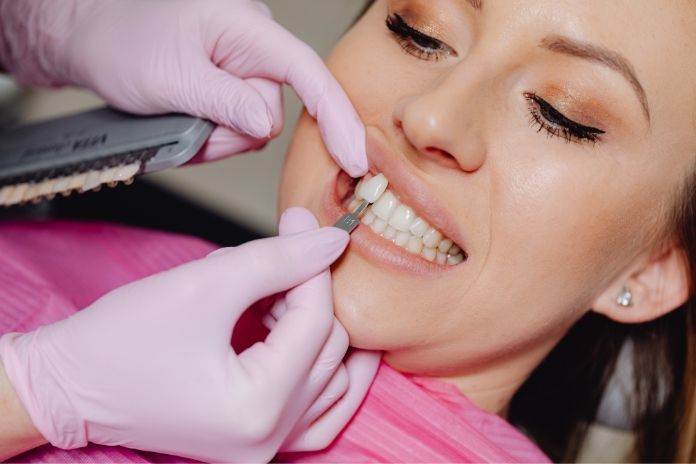
The last and most crucial step is to see a dentist or endodontist right away after the tooth has been appropriately managed and kept. There’s a reason people frequently refer to the 60 minutes after injury as the ‘golden hour.’
The faster a professional reimplants the tooth, the greater your chances of a favorable outcome. After an hour or so, the root cells’ vitality begins to deteriorate rapidly, making reattachment considerably more challenging.
An endodontist is a specialist in tooth preservation, particularly in complex situations such as a serious tooth injury. An endodontist will assess the tooth and socket, clean the area, and gently splint the tooth into place during your emergency visit.
A splint holds the tooth in position, similar to a cast, while the periodontal ligament fibers reattach to the jawbone. This procedure to maintain your natural tooth is essential for healing, and it provides the best chance of long-term retention. And remember, speed is your greatest ally.
A tooth may take 1 to 8 weeks to properly reattach to its socket, depending on the extent of the injury. Once the tooth heals, you shouldn’t need any additional services beyond your routine examinations. After the socket has healed, your dentist will probably talk to you about tooth replacement options, including a dental bridge or dental implant, if the tooth cannot be reimplanted.
What Not to Do — Mistakes That Reduce Success Rate
Just as crucial as learning the proper steps is knowing what not to do. Specific actions can significantly reduce the likelihood of successful tooth reimplantation.
The root cells will die within minutes if the tooth is allowed to dry out entirely. Tissue and cloth can absorb moisture, which can cause the tooth to dry out, so avoid wrapping it in them. Tap water should not be used for prolonged storage, as fluctuations in osmotic pressure may cause root cells to rupture.
Alcohol, hydrogen peroxide, and other chemicals can harm the root surface, so avoid using them to try to clean the tooth. Avoid using your fingers to touch the tooth’s root and never attempt to brush away dirt or debris.
Read More: 12 Home Remedies for Wisdom Tooth Infection – Relief from Pain
Prevention and Protective Measures
While dental emergencies can happen, taking precautions will reduce the risk of harm, such as having your tooth knocked out. By taking a few easy precautions, you or a loved one can significantly reduce their risk of dental injuries.
Protective Sports Gear: Dental injuries are a common risk of playing sports. Wearing a custom-fitted mouthguard significantly reduces the risk of losing or breaking a tooth, whether you’re playing a fast-paced sport like basketball or a contact sport like football.
Regular Dental Examinations: Regular dental exams improve your overall oral health. Routine dental exams can also help your dentist spot conditions that can increase the risk of your teeth sustaining damage, and healthier teeth are less likely to be dislodged. For example, untreated cavities or misaligned teeth may compromise a tooth’s strength and overall resistance during an accident.
First Aid Knowledge: Having a basic understanding of dental first aid can be quite helpful in an emergency. A successful outcome is more likely when you know how to tackle the situation, whether it’s a cracked crown or a knocked-out tooth. Keep a dental first-aid kit on hand, including sterile gauze, saline solution, and a small tooth transport container.
Conclusion
Losing a tooth can be overwhelming; however, you should not have to lose it forever. Pivotal decisions in an instant—with a tooth knocked out of its socket—will determine whether you will save it or not. In the whirlwind, panic flows into purpose and, often, into success, with on-the-go thinking, gentle handling, and quick action.
A knocked-out tooth is a race against time and a dental emergency. However, if you know what to do, you will place the odds—shockingly—in your favor. What is quite scary and chaotic becomes manageable when you know how to pick up the tooth, how to store the tooth to keep it alive, and how quickly to get to a dentist.
Read More: 6 Ways to Cure a Toothache with Cloves
FAQs
Can a knocked-out baby tooth be replanted?
Replanting a knocked-out baby tooth is not advised, as it may harm the development of the permanent tooth beneath it.
How long can a tooth be out of the socket and still be saved?
The tooth will probably survive if it is put back into its socket or stored properly within five minutes of being knocked out. As long as the tooth has been stored correctly, there remains a reasonable probability of survival between five and sixty minutes.
Should I hold the tooth in my mouth or put it in a container with milk?
You can keep a knocked-out tooth in your mouth between your cheek and gums without using tap water, or you can carefully rinse it and place it in a storage solution such as milk or a tooth-preservation kit.
What happens if the tooth can’t be saved?
If a knocked-out tooth cannot be preserved, a dentist will discuss replacement options like dental implants, bridges, or partial dentures.
Do I still need a root canal if the tooth was re-implanted?
The tooth will require root canal treatment regardless of whether the reimplantation is successful (there are rare instances when an immature tooth with an open apex is quickly replanted and revascularized, avoiding the need for root canal treatment).
Is there an increased risk of infection when a tooth is knocked out?
Even with the best of intentions, you may still lose a tooth. Still, you should act immediately if you lose a tooth. Immediate treatment helps minimize the risk of complications such as infection or bone loss.
References
- Stuart Bradin, D.O. (2025, October 23). First aid for a knocked-out permanent tooth
- Cleveland Clinic. (2024, May 16). Avulsed tooth (knocked-out tooth)
- American Association of Endodontists. Knocked out teeth
- Pine Tree Pediatric Dentistry. How to preserve a knocked-out tooth
- Modern Micro Endodontics. (2025, August 24). Can a knocked-out tooth be saved? What to do in the first hour
- St. Louis Children’s Hospital. Save that smile: What to do when a child’s permanent tooth is knocked out
- Finger Lakes Dental. Knocked Out Teeth: Next Steps for the Most Common Dental Emergency
In this Article