




We always brush certain symptoms or ailments under the carpet. A slight pain in the back, changes in the urine, or fever can seem very normal at first. However, we must examine the root cause, as these can also indicate kidney stones.
Kidney stones are more common than you may realize, and if you’ve had kidney stones before, then you’re aware that the pain lasts a long time. The good news? Most stones are preventable.
With proper lifestyle modifications and at times medication, the recurrence risk can decrease significantly.
In this article, let’s understand more about kidney stones, their recurrence, causes, symptoms, and ways to prevent them.
Read More: Kidney Stones in Women: Why They’re Often Misdiagnosed as UTIs
What Are Kidney Stones? (Stone Basics)
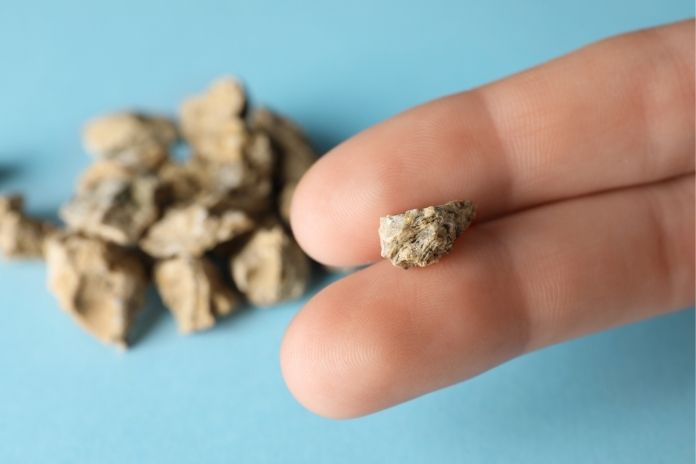
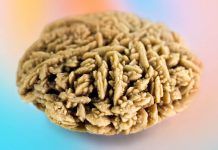
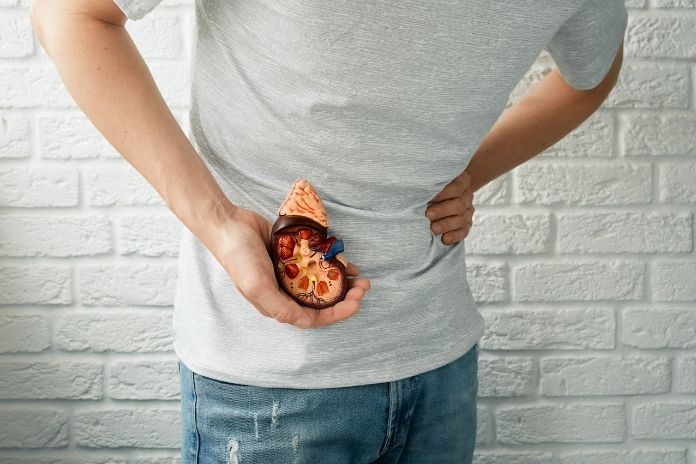
Kidney stones are hard, crystal-like masses that develop within the kidneys. They start when minerals and salts in the urine, such as calcium, oxalate, and uric acid, concentrate too much. The crystals bond together, slowly building stones that can be as small as a grain of sand or as large as a golf ball.
Common Stone Types:
Knowing your stone type is important since prevention approaches vary:
- Calcium oxalate stones are most prevalent (approximately 70–80% of patients).
- Calcium phosphate stones, associated with hyperuric aciduria and some metabolic abnormalities.
- Uric acid stones are more common in individuals with gout, diabetes, or purin-rich diets.
- Struvite stones, typically a result of chronic UTIs.
- Cystine stones, though uncommon, as a result of a genetic disorder.
Why it matters: Prevention is not a one-size-fits-all solution. For instance, a person with a history of uric acid stones will gain more benefit from urine alkalinization, whereas a person with calcium oxalate stones will require modification of oxalate-containing foods and calcium equilibrium.
Why Kidney Stones Happen (Root Causes)
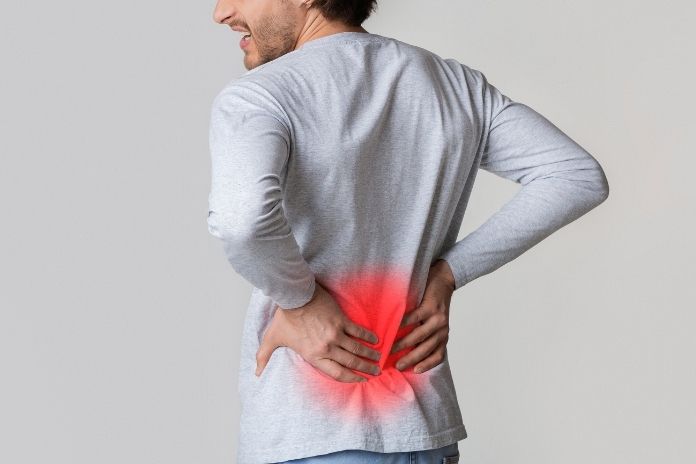
It is rarely the case that a single cause for the development of kidney stones. Rather, it is normally the interplay of concurrent dietary lifestyle, fluid intake, health issues, and hereditary risks.
1. Low Urine Volume/Dehydration:
- Hot weather, intense exercise, or just not drinking enough fluids can concentrate the urine.
- This is why stones and dehydration are linked together.
2. High Sodium Intake:
- A diet high in salt leads to increased excretion of calcium in the urine, increasing the risk of stone formation.
- Processed foods, fast foods, and other junk foods contribute to the risk.
3. Dietary Patterns:
- Consuming much too much oxalate(e.g., spinach, nuts, soy) and little calcium.
- Excessive animal protein (particularly organ meats and certain fish).
- Low dietary citrate, which would otherwise prevent stones.
4. Medical Conditions:
A few medical conditions can make kidney stones worse. These include:
- Gout, which leads to increased uric acid.
- Obesity and insulin resistance, which change urine chemistry.
- Hyperparathyroidism, which increases calcium in urine.
- Inflammatory bowel disease (IBD) or bariatric surgery increases oxalate absorption.
- Recurrent UTIs will produce more struvite stones.
5. Medications and Supplements:
- High-dose vitamin C(>1,000 mg/day) increases oxalate.
- Continuous use of diuretics and topiramate increases stone risk.
- Excess calcium supplements, particularly between meals.
Symptoms: When to Suspect a Stone

A kidney stone can show up in several ways. Classic warning symptoms of a kidney stone are:
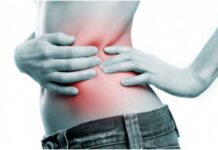
- Severe flank pain (usually radiates to the groin; tends to come in waves).
- Blood in urine (pink, red, or brown).
- Nausea and vomiting (secondary to pain and obstruction).
- Urinary urgency/frequency if the stone is close to the bladder.
- Fever and chills are common symptoms of an infected obstructing stone, a medical emergency.
Read More: Kidney Stones: Types, Causes, Symptoms, and Diet
How Doctors Diagnose Kidney Stones
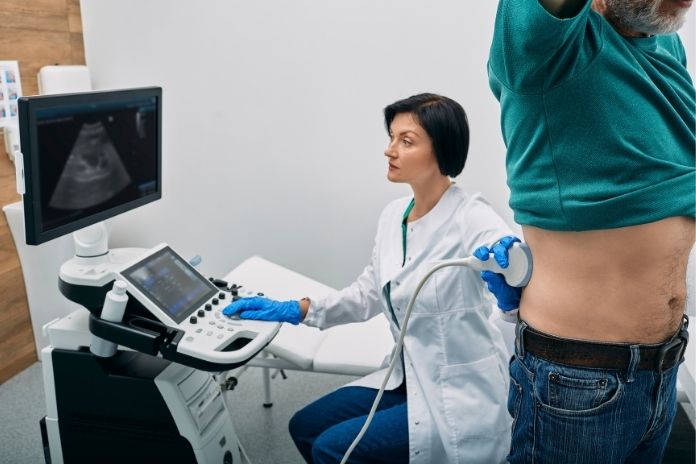
If you suspect a kidney stone, here’s how the doctors diagnose the same:
Tests and Imaging:
- Urinalysis: Urine tests reveal blood, crystals, or infection of the kidneys.
- CT Scan (non-contrast): A CT scan is the gold standard for the diagnosis of a kidney stone.
- Ultrasound: Doctors prefer ultrasound as they are safer in pregnancy.
- Stone Analysis: Laboratory testing of the passed/removed stone after the doctor removes it during the surgery.
Metabolic Tests:
If you continue facing the issue of kidney stones, here is how it is dealt with:
- 24-hour urine test: Volume, calcium, oxalate, citrate, uric acid, and sodium measured.
- Blood tests: Electrolytes, calcium, uric acid, and parathyroid hormone tested (if appropriate).
This comprehensive testing helps with customized diagnosis and treatment.
Read More: 23 Pain-Free Natural Remedies to Flush Out Kidney Stones
Treatment Overview (Acute Management)
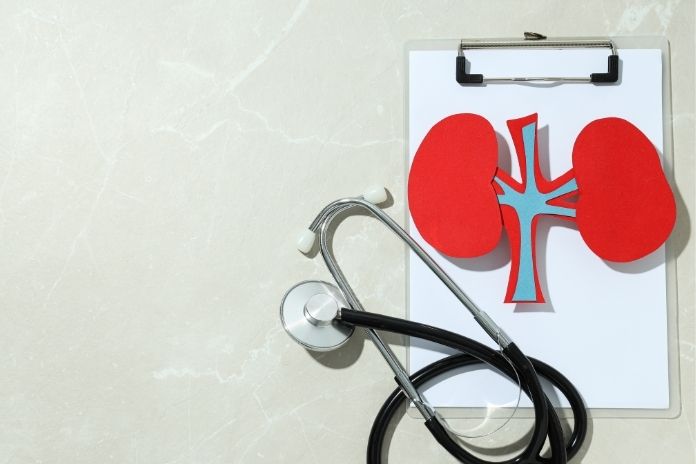
Once a stone is identified, treatment varies by size, location, and symptoms.
- Pain Control: NSAIDs or opioids if severe.
- Medical Expulsive Therapy: Drugs such as tamsulosin can facilitate the passage of small ureteral stones.
Interventions:
- Shock wave lithotripsy (SWL) helps shatter stones into fragments.
- Ureteroscopy with laser lithotripsy enables direct extraction of a kidney stone by breaking it into pieces with the help of a laser.
- Percutaneous nephrolithotomy (PCNL) is suitable for large/complex or multiple stones, unable to be treated by other therapies.
- Antibiotics are prescribed in case of infections.
How to Prevent Kidney Stones (What Actually Works)
Here are a few tips that help prevent kidney stones:
Hydration Targets and Best Fluids:
Aim for 2.5–3.0 liters of urine per day (typically 3+ liters of fluid).
Best fluids for kidney stones:
- Water (best option)
- Lemon or lime water provides citrate (a stone inhibitor)
- Orange juice (moderate)
- Avoid: Cola and dark sodas (phosphoric acid), sweetened beverages.
Controlled Sodium Intake:
Aim for <2,300 mg/day of sodium intake or 1,500 mg, if at risk.
Tips:
- Check labels.
- Prepare more at home.
- Steer clear of regular takeout and processed meals.
Calcium: Don’t Cut It (Get It Right):
- Regular dietary calcium (1,000–1,200 mg/day) is protective.
- Calcium sequesters oxalate in the intestine, less absorbed.
- If necessary, take calcium supplements with meals and under medical supervision.
Oxalate-Aware, Not Oxalate-Phobic:
- Oxalate-containing foods (spinach, beet greens, nuts, chocolate, soy, potatoes) don’t have to be avoided, but restricted.
- Combining oxalate foods with calcium foods reduces risk.
- Avoid excessive doses of vitamin C supplements.
Tip: An oxalate food list from your clinician can help.
Protein and Purines:
- Opt for moderate animal protein.
- For uric acid stones: restrict purine-containing foods such as organ meats, anchovies, and sardines.
- Add more plant proteins.
Increase Urinary Citrate:
- Citrate prevents the clumping of crystals.
- A good way is to include oranges, limes, and lemons.
- In certain instances, physicians recommend potassium citrate supplements.
Weight, Metabolic Health, and Gut:
- A healthy weight and regulation of blood sugar decrease the risk of stones.
- Treat gastrointestinal disease (IBD, post-bariatric syndrome) to decrease absorption of oxalate.
Drugs that Prevent Recurrence
When diet and fluids alone are not sufficient, medications may assist:
- Thiazide diuretics for stones help lower urine calcium by reducing its amount excreted in the urine.
- Potassium citrate helps increase urinary citrate and alkalinizes urine. This is beneficial for uric acid and calcium stones, as it reduces urine pH.
- Allopurinol, for the overproduction of uric acid.
- Antibiotic treatment is important in the prevention of struvite stones.
These are individualized based on 24-hour urine tests.
Special Situations
Here are a few rare situations that you may encounter with a kidney stone:
- Uric Acid Stones: May usually dissolve with alkalinization of urine (pH 6.0–6.5).
- Cystine Stones: Need extremely high fluid consumption (>3 liters/day urine) along with alkalinization.
- Pregnancy: Ultrasound used for diagnosis; conservative management is emphasized.
When to See a Doctor—Immediately vs. Soon
Go to the emergency room right away if you have:
- Fever + flank pain.
- Repeated vomiting.
- Cannot pass urine.
- Severe, uncontrolled pain.
Schedule a visit with your doctor soon if:
- You’ve experienced your first stone.
- You’re experiencing repeated stones.
- You have only one kidney or chronic kidney disease (CKD).
- You’re having ongoing difficulty meeting prevention goals.
Elizabeth Frank, PhD, medical director of ARUP’s Calculi and Manual Chemistry Lab, explains the recurrence of kidney stones and their examination. “Determination of chemical composition is the main reason medical providers order stone testing,” explains. “Knowing what is present in the stone can help determine the best treatment to decrease the likelihood of stones forming again and help providers educate their patients on how their diet and lifestyle may be contributing to the stones.” She says.
Myths vs. Facts (Quick Hits)
Let’s bust a few myths and facts related to kidney stones:
Myth: “Eliminate all calcium.”
Fact: Normal calcium intake helps to prevent stones.
Myth: “Only spinach will cause stones.”
Fact: Risk is due to overall diet, sodium, and urine chemistry.
Myth: “Once you pass one, you’re safe.”
Fact: Without prevention, the recurrence risk is as high as 50% in 5 years.
Bottom Line
Kidney stones can be terrible, but prevention is possible. Stay well hydrated, reduce sodium, maintain normal dietary calcium, and modify your diet based on your stone type. In recurrent stone formers, a 24-hour urine test gives the blueprint for individualized prevention.
With proper steps and your doctor’s advice, you can significantly reduce the risk of long-term kidney damage.
References
- https://www.hopkinsmedicine.org/health/conditions-and-diseases/kidney-stones
- https://journals.lww.com/co-nephrolhypertens/fulltext/2024/07000/thiazides_for_kidney_stone_recurrence_prevention.11.aspx
- https://www.nhs.uk/conditions/kidney-stones/diagnosis/
- https://pubmed.ncbi.nlm.nih.gov/15987848/
- https://www.kidney.org/uric-acid-stones
- https://www.betterhealth.vic.gov.au/health/healthyliving/Exercise-the-low-down-on-water-and-drinks
- https://pubmed.ncbi.nlm.nih.gov/15987848/
In this Article