











Have you ever found yourself constantly wanting to scratch inside your ears, only to make the itching worse? You’re not alone. Itchy ears are a surprisingly common problem that affects millions of people and can be caused by various factors.
According to medical experts, this condition may occur due to the sensitivity of your ears, which contain highly sensitive nerve fibers. Sometimes, itchy ears may indicate an underlying health issue that requires attention.
This comprehensive guide provides detailed information about itchy ears, including their causes, symptoms, and effective remedies to help you find relief.
Read More: 7 Signs Your Eardrum is Ruptured
Major Causes of Itchy Ears
Several factors can contribute to itchy ears. Understanding these causes can help you identify the source of your discomfort and seek appropriate treatment.
Ear Canal Dermatitis
Inflammation around the skin of the ear canal is the primary cause of ear canal dermatitis. This condition can develop due to:
- Allergic reactions to metal earrings
- Sensitivity to personal hygiene products
- Aural eczematoid dermatitis, which can occur for unknown reasons
Dry Skin
When your ears don’t produce enough earwax, the ear skin can become dry and itchy. Earwax (cerumen) is essential because it provides natural lubrication and protects the ear canal. Without adequate wax, you may experience itching and flaking skin in your ears.
Psoriasis
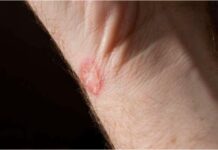
Psoriasis causes red, scaly rashes to appear on various parts of the body. This condition commonly affects not only the arms and legs but can also occur inside the ears.
Hearing Aid Use
Hearing aids can cause itchy ears through several mechanisms:
- Allergic reactions to the device materials
- Water becoming trapped inside the ear
- Pressure on certain areas of the ear canal
Outer Ear Infection (Otitis Externa)
Also known as swimmer’s ear, otitis externa occurs when an infection develops in the outer ear canal. This condition causes inflammation that leads to itching, pain, swelling, and redness.
Additional factors that can contribute to itchy ears include:
- Excessive water in the ear
- Debris or foreign particles in the ear canal
- Insufficient earwax lubrication
Symptoms of Itchy Ears
The primary symptom of itchy ears is persistent irritation that can feel highly bothersome. While scratching may seem like it would provide relief, it actually makes the problem worse and can lead to further complications.
Other symptoms that may accompany itchy ears include:
- Ear drainage
- Fever
- Swelling
- Pain
How to Treat Itchy Ears
Professional Treatment Options
The first step in treating itchy ears is to identify and avoid any substances that may cause allergic reactions, such as certain earrings or personal care products that can trigger irritation.
Important: Always consult with a healthcare provider before using ear drops or ointments. This is especially crucial if you have a damaged eardrum, as certain treatments should not be used in these cases.
Your doctor may prescribe the following treatments:
- Baby oil to soften the skin
- Diluted solutions of hydrogen peroxide, acetic acid, or rubbing alcohol
- Antibiotic ointments
- Anti-inflammatory ointments to reduce swelling and irritation
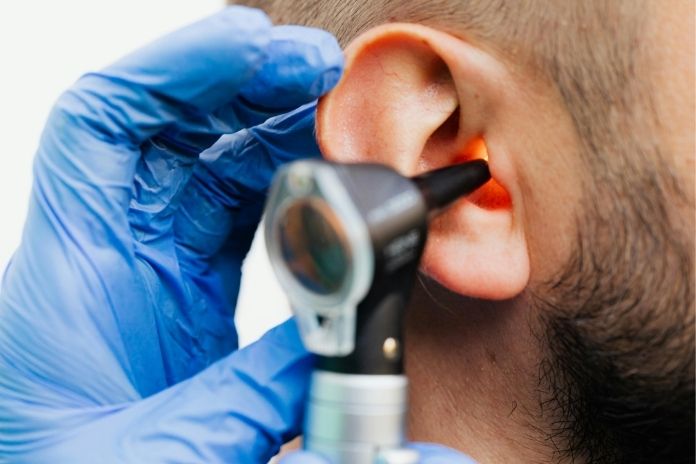
Antibiotics may be necessary when itchy ears are accompanied by discharge, pain, or fever. Medical professionals recommend regular ear cleaning by a healthcare provider to reduce trauma that can occur from removing large amounts of earwax at home.
Read More: 12 Remedies For Swimmer’s Ear To Get Rid Of The Pain
Home Remedies for Itchy Ears
Along with professional treatment, several home remedies can help provide relief from itchy ears.
White Vinegar Solution
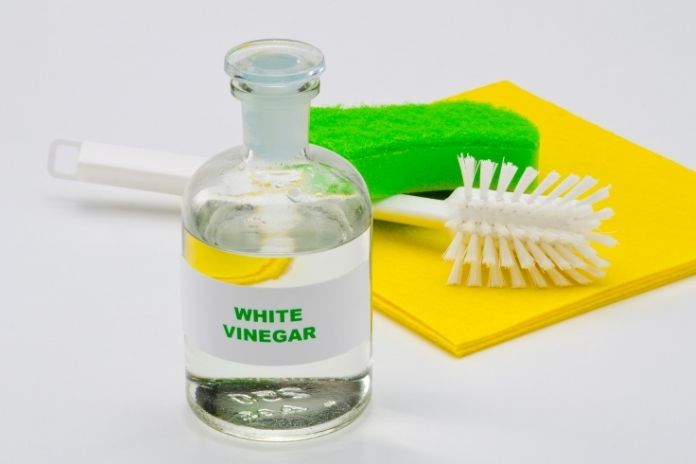
Distilled white vinegar is an effective treatment for itchy ears. You can enhance its effectiveness by combining it with rubbing alcohol in equal parts. This mixture helps clean the ear and provides symptom relief.
To use this remedy:
- Mix equal parts distilled white vinegar and rubbing alcohol
- Use a syringe or dropper to apply the solution to your ear
Alternative: If you don’t have rubbing alcohol, diluted apple cider vinegar can be used instead. Apple cider vinegar has natural antiseptic properties and supports both inner and outer ear health.
Aloe Vera
Aloe vera gel can be an effective natural treatment for itchy ears. According to experts, aloe vera drops help maintain the pH balance of ear skin and provide soothing relief from inflammation and swelling caused by ear infections.
To use aloe vera:
- Extract fresh gel from an aloe vera leaf
- Use a syringe to apply the gel to your ear
- This remedy is safe for children, who are often more susceptible to itchy ears
Safety Note: Before using aloe vera in your ears, test a small amount on your skin and wait 24 hours to check for any adverse reactions. If you experience redness, swelling, or other symptoms after using aloe vera, consult your doctor immediately.
Read More: Effective Earache Treatment and Home Remedies
When to See a Doctor
Shawn C. Jones, MD, an otolaryngologist at Baptist Health Medical Group in Paducah, Kentucky, shares his thoughts on maintaining ear health.
“In short, you can improve your ear health the same way you take care of the rest of your body,” Dr. Jones said. That can be done through “hygiene, lifestyle choices, appropriate medical consultations.”
It is also important to make “sure that you identify issues and get treated or looked at for what you might think are minor issues before they escalate into bigger problems,” he said.
While many cases of itchy ears can be managed with home remedies, you should seek medical attention if you experience:
- Persistent itching that doesn’t improve with treatment
- Severe pain
- Discharge from the ear
- Fever
- Hearing loss
- Signs of infection
Remember, proper diagnosis and treatment from a healthcare professional are essential for addressing the underlying cause of your itchy ears and preventing complications.
Take Action for Your Ear Health Today
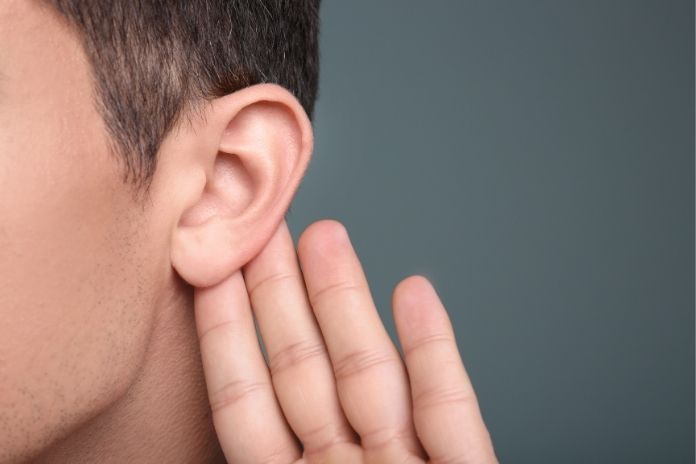
Don’t let itchy ears continue to disrupt your daily life. If home remedies aren’t providing relief, or if you’re experiencing severe symptoms like pain, discharge, or hearing loss, it’s time to consult with a healthcare professional.
Early intervention can prevent minor ear issues from becoming serious complications. Your ears deserve the best care—schedule an appointment with an ENT specialist or your primary care physician to get the personalized treatment you need for lasting relief.
Frequently Asked Questions
How long do itchy ears usually last?
The duration of itchy ears depends on the underlying cause. Simple cases due to dry skin or minor irritation may resolve within a few days with proper care. However, infections or chronic conditions like eczema may require several weeks of treatment. If symptoms persist beyond a week, consult a healthcare provider.
Is it safe to use cotton swabs to scratch itchy ears?
No, using cotton swabs or any objects to scratch inside your ears is not recommended. This can push earwax deeper, damage the delicate ear canal skin, or even perforate the eardrum. Instead, try gentle external cleaning and appropriate ear drops as recommended by your healthcare provider.
Can stress cause itchy ears?
While stress doesn’t directly cause itchy ears, it can worsen existing skin conditions like eczema or psoriasis, which may affect the ears. Stress can also weaken your immune system, making you more susceptible to infections that cause ear itching.
Are there any foods that can trigger itchy ears?
Some people with food allergies may experience ear itching as part of their allergic reaction. Common triggers include dairy, nuts, shellfish, and certain fruits. If you notice a pattern between certain foods and ear symptoms, discuss this with your doctor or an allergist.
When should I see a doctor for itchy ears?
Seek medical attention if you experience persistent itching lasting more than a week, severe pain, discharge from the ear, fever, hearing loss, dizziness, or if home remedies aren’t providing relief. These symptoms may indicate an infection or other condition requiring professional treatment.
Can swimming cause itchy ears?
Yes, frequent swimming can lead to swimmer’s ear (otitis externa), which causes itching, pain, and inflammation. The moisture from water can create an environment where bacteria thrive. Always dry your ears thoroughly after swimming and consider using earplugs if you’re prone to ear infections.
Are natural remedies safe for children?
While some natural remedies like diluted vinegar solutions may be safe for children, it’s crucial to consult with a pediatrician before trying any home treatments on young ones. Children’s ear canals are more delicate, and what’s safe for adults may not be appropriate for kids.
References
- https://www.ncbi.nlm.nih.gov/books/NBK459335/
- https://www.ncbi.nlm.nih.gov/books/NBK536541/
- https://www.mayoclinic.org/diseases-conditions/swimmers-ear/symptoms-causes/syc-20351682
- https://pmc.ncbi.nlm.nih.gov/articles/PMC11477254/
- https://newsnetwork.mayoclinic.org/discussion/prompt-treatment-clears-up-most-outer-ear-infections/
In this Article