












When you grab a bottle of Vitamin Water Zero off the shelf, it feels like a small victory. It’s not soda. It’s not a sugary sports drink. It’s clear, bright, and labeled with words like “zero calories,” “vitamins,” and sometimes even “electrolytes.” It practically screams, “I’m the healthier choice.” And let’s be honest, it’s easy to feel good about tossing it in your gym bag or sipping it between meetings.
But here’s where things get interesting: what you see on the label might not tell the whole story. Just because something is marketed as better for you doesn’t mean it actually is. The “zero” in Vitamin Water Zero refers to calories, not ingredients. And just because a drink has added vitamins doesn’t automatically make it beneficial, especially if your diet’s already covering your basic nutritional needs.
So let’s get into it. What’s really in that bottle? Are those vitamins doing anything useful? What about the sweeteners, the flavors, and the health claims? In this breakdown, we’ll look at what Vitamin Water Zero offers, what it leaves out, and how it stacks up against what your body actually needs.
What Is Vitamin Water Zero?
Vitamin Water Zero is Coca-Cola’s rebranded answer to the growing demand for healthier beverages. It takes the original Vitamin Water concept, flavored water with added vitamins and minerals, and strips away the sugar and calories. What’s left is a drink that looks like water, tastes like a sweetened beverage, and promises to be a smarter choice. But let’s unpack that.
At its core, it’s water infused with artificial or natural flavors, boosted with a cocktail of vitamins (like B vitamins and vitamin C), and sweetened with a mix of stevia and erythritol, two popular sugar alternatives. The stevia provides the sweetness, while erythritol, a sugar alcohol, adds volume and helps mask stevia’s bitter aftertaste. The result? A drink that mimics the taste of something sugary without the actual sugar or calorie hit.
The “Zero” in the name refers to the zero-calorie promise. No sugar, no fat, no carbs, at least on paper. That makes it tempting for people trying to cut down on soda, energy drinks, or even fruit juices, which are often packed with hidden sugars.
It’s sold as a guilt-free, refreshing way to hydrate while getting a dose of nutrients. But here’s the catch: while it’s arguably better than chugging a Mountain Dew, “better” isn’t the same as “good for you.” Just because something is marketed as healthy doesn’t mean your body actually needs it or benefits from it the way the label suggests.
A widely publicized recent study suggests that artificially sweetened drinks affect intestinal bacteria in ways, as yet undetermined, that lead to metabolic abnormalities–glucose intolerance and insulin resistance. This research is largely animal-based, preliminary, and requires confirmation. But one thing about diet drinks is clear: they do not do much good in preventing obesity.
Ingredients Breakdown: What You’re Really Drinking
On the surface, Vitamin Water Zero sounds like a smart mix: hydration with a bonus of nutrients. But when you flip the label and look closer at what’s actually in the bottle, the story gets a bit more complicated. Here’s a breakdown of the main ingredients and what they really mean for your health:
- Water: No surprise here, water is the base. It’s the foundation of the drink, but calling this “just water with extras” is a stretch. What you’re really getting is a flavored supplement cocktail suspended in water.
- Vitamins: You’ll find a handful of added vitamins:
- B3 (niacin)
- B5 (pantothenic acid)
- B6 and B12
- Vitamin C
- Vitamin E
Most of these are water-soluble, meaning your body will absorb what it needs and flush out the rest in your urine. If you’re already eating a balanced diet, the extra doses don’t necessarily provide added benefits. In fact, megadoses of certain B vitamins (like niacin) can cause side effects in excess, though the amounts in one bottle are generally safe.
- Electrolytes: Small amounts of potassium and magnesium are added, likely to make the drink feel like it supports hydration or athletic recovery. But compared to real electrolyte-rich drinks, the levels here are pretty modest. It’s not going to replace what you lose after intense sweating or long workouts.
- Sweeteners (Stevia and Erythritol): Here’s where the “zero calories” claim comes in. Instead of sugar, Vitamin Water Zero is sweetened with:
- Stevia, a plant-based sweetener that doesn’t spike blood sugar.
- Erythritol, a sugar alcohol that adds volume and texture without adding calories.
While these are generally considered safe, some people experience bloating or digestive issues from sugar alcohols like erythritol, especially in larger quantities. Stevia can also have a bitter aftertaste for some palates.
- Natural Flavors and Colors: “Natural flavors” is a catch-all term regulated by the FDA, but it’s frustratingly vague. It could come from fruit, herbs, or even lab-altered compounds that started as something natural. Similarly, the coloring is often plant-derived (like from fruit or vegetable juice), but again, there’s minimal transparency.
- Preservatives: To keep the product shelf-stable, citric acid is commonly added. It helps maintain flavor and freshness, and while it’s safe in small amounts, it’s also used in highly processed foods and drinks, not exactly a sign of purity.
What Your Body Actually Needs
Here’s the thing: your body doesn’t need fancy drinks to stay healthy; it needs consistency with the basics. For hydration, plain water does the job for most people. Unless you’re sweating heavily from intense exercise or working in extreme heat, your electrolyte levels don’t drop enough to need replenishment from a drink like Vitamin Water Zero.
As for the added vitamins? If you’re eating even a moderately balanced diet, some fruits, vegetables, and whole grains, you’re likely getting enough B vitamins and vitamin C already. These are water-soluble, which means your body uses what it needs and flushes out the rest. You’re not absorbing all that extra nutrition just because it’s in your drink. It’s more about peace of mind than physical benefit.
And while having a bit of flavor can help you drink more fluids, that doesn’t require sweeteners or additives. You can easily flavor your own water with lemon, mint, cucumber, or berries, real ingredients your body actually recognizes. No artificial aftertaste, no vague “natural flavors,” and no digestion surprises.
So if you’re reaching for Vitamin Water Zero, thinking it’s doing something your body can’t get elsewhere, take a step back. It’s not a terrible choice, but it’s also not a necessary one. The basics still win: real food, real water, and knowing when a product is useful versus when it’s just marketing dressed up as health.
UCLA Health echoes this: electrolytes and vitamins in fancy hydration drinks aren’t necessary for regular routines; a balanced diet provides all those nutrients naturally.
Pros of Vitamin Water Zero
Let’s be fair, Vitamin Water Zero isn’t all smoke and mirrors. There are a few solid reasons why it appeals to health-conscious consumers, and in certain situations, it can be a decent option. Here’s where it earns a bit of credit:
- Zero Sugar and Zero Calories: One of the biggest wins: no added sugar, no calories. If you’re watching your blood sugar, managing weight, or trying to kick a soda habit, this can be a much smarter swap.
- Added Vitamins: Is it a multivitamin in a bottle? Not quite. But for people who forget their supplements or whose diets aren’t super varied, the extra boost of B vitamins and vitamin C might help top up their daily intake.
- Hydration with Flavor: Let’s be honest: not everyone loves plain water. If you struggle to stay hydrated because water feels boring, flavored alternatives can help you drink more throughout the day.
- Handy in Hot Weather or After Light Exercise: Thanks to the inclusion of potassium and magnesium, it offers light electrolyte support. It’s not going to replace a full-blown rehydration drink for athletes or marathon runners, but it can help if you’re sweating from a long walk, hot commute, or casual gym session.
The Cons: Is It Truly “Healthy”?
The packaging says zero calories, added vitamins, and hydration, but that’s only part of the picture. Vitamin Water Zero might look like a wellness drink, but when you peel back the marketing, there are a few caveats worth considering.
- Sweeteners Still Trigger Debate: Yes, it’s sugar-free, but it’s still sweet. The flavor comes from stevia (a highly refined plant-derived sweetener) and erythritol (a sugar alcohol), both of which are FDA-approved. That said, approval doesn’t mean everyone responds the same way.
- Vitamin Overload Isn’t Always Useful: More vitamins seem like a good thing, until you realize your body can only use so much. The B vitamins in Vitamin Water Zero, like B3, B5, B6, and B12, are water-soluble, meaning your body absorbs what it needs and discards the rest.
- Not a True Electrolyte Replacement: Sure, it has potassium and magnesium, but only in small doses. If you’re lightly sweating on a summer walk or after yoga, it’s fine. But if you’re pushing through intense workouts, long runs, or serious heat exposure, this won’t cut it.
- It Still Tastes Like a Treat: Even without calories, the sweet taste has a psychological effect. Drinks like this can keep your sweet cravings alive, making it harder to fully transition away from sugar-heavy habits.
It’s kind of like quitting cigarettes with a vape; you’re not breaking the cycle, just replacing the delivery method.
Read More: 11 Infused Water Combinations and Their Benefits That You Shouldn’t Miss Out on
Vitamin Water vs. Vitamin Water Zero: Key Differences
If you’re standing in the drinks aisle of a supermarket and trying to decide between the original Vitamin Water and its sugar-free sibling, here’s a quick side-by-side look at what you’re actually choosing: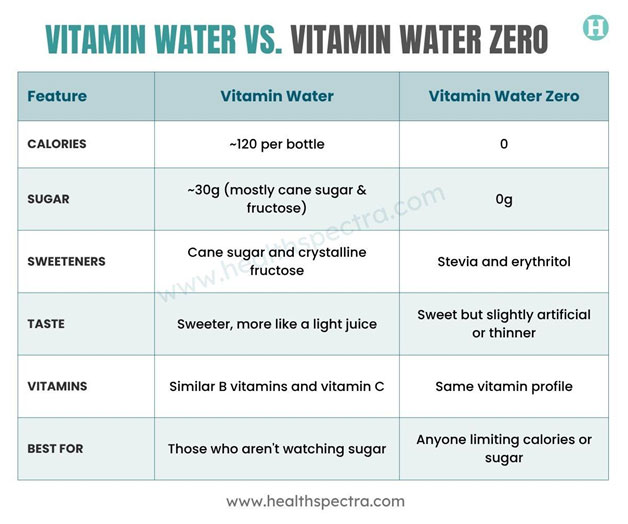
So Which One’s Better?
If you’re watching your sugar intake or managing your weight, Vitamin Water Zero is the obvious choice. You’re skipping nearly eight teaspoons of sugar and over 100 empty calories, without sacrificing the added vitamins or hydration benefit.
But here’s the thing: just because it’s better doesn’t mean it’s good for you.
Both versions are heavily processed, artificially flavored, and designed to taste like a treat. They don’t offer the same hydration quality as plain water or the nutritional depth of real food.
Who Should (and Shouldn’t) Drink Vitamin Water Zero?
Vitamin Water Zero isn’t inherently “good” or “bad”. Depending on your body, lifestyle, and expectations, it might make sense in moderation, or not at all.
Let’s break down who might benefit and who should probably skip it.
Might Be a Good Fit For:
- People Cutting Back on Sugar.
If you’re trying to ditch soda, juice, or other high-sugar drinks, this is a decent middle ground. You get sweetness and flavor without the sugar crash or calorie overload.
- People Who Struggle to Remember Their Vitamins.
While it won’t replace a quality multivitamin or a balanced diet, the added B vitamins and vitamin C can give you a small nutritional bump, especially if your routine is inconsistent.
- Light Hydration Support.
Hot summer day? Long walk? Traveling and need something more flavorful than water? This works well for mild hydration support without resorting to energy drinks or sports beverages.
Might Not Be Ideal For:
- People With Sensitive Guts.
Erythritol, a sugar alcohol used in the drink, is known to cause gas, bloating, or cramping in some people, especially those with IBS or other digestive sensitivities.
- Those With Kidney Issues or Electrolyte Restrictions.
Even though the electrolyte levels are low, if you’re on a kidney-friendly diet or need to limit potassium or magnesium, it’s best to consult your doctor before drinking it regularly.
- Anyone Hoping for a “Health Boost”.
This isn’t a shortcut to better health. The vitamins are minimal, and the benefits are overstated. If you’re relying on Vitamin Water Zero as a daily wellness hack, you’re probably better off drinking actual water and eating real food.
Better Alternatives to Consider
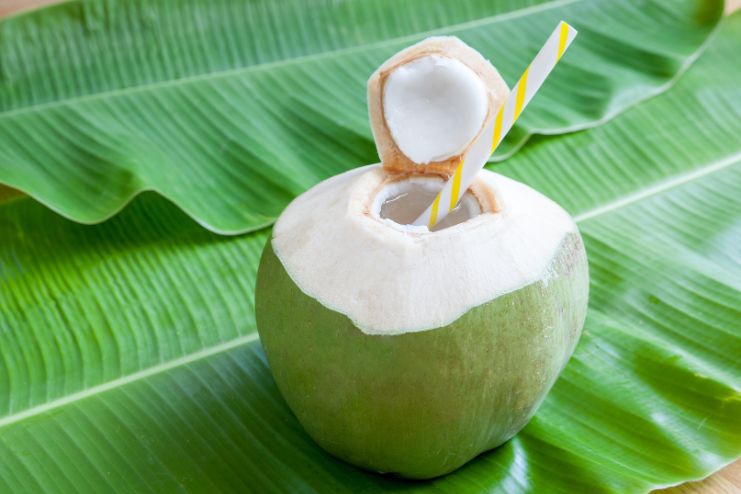
If your goal is better hydration and better health, there are smarter, more natural ways to get both, without the artificial sweeteners, vague “natural flavors,” or unnecessary additives.
- Infused Water: Simple, customizable, and refreshing. Toss in slices of citrus, berries, cucumber, mint, or even ginger. You’ll get subtle flavor, a touch of antioxidants, and none of the weird aftertaste that comes with sugar substitutes.
- Unsweetened Coconut Water: Nature’s original electrolyte drink. Coconut water is naturally rich in potassium and magnesium, making it a great post-exercise option.
- Herbal Teas (Iced or Hot): Options like chamomile, peppermint, rooibos, or hibiscus deliver subtle flavor and plant-based benefits without calories or chemicals.
- Electrolyte Powders With Clean Ingredients: If you need more than water, say after intense workouts or long travel, look into electrolyte mixes made without sugar, dyes, or artificial flavors.
Bottom line: If you’re reaching for Vitamin Water Zero to feel healthier, these options will get you there more directly, no marketing spin required.
Read More: Unlock the Power of Coconut Water: 10 Health Benefits You Need to Know
According to Dr. Robert Parker, BS, DC (Parker Health Solutions), “There are three essential elements necessary for our bodies to sustain life. In order of necessity, they are air or oxygen, water, and nutrition from food. Proper hydration is critical for maintaining health on a cellular level. Every cell in the human body is reliant on water for proper function.”
Drinking water infused with fruit or herbs is a smart and tasty way to hydrate and cleanse without getting overloaded with sugar and calories.
Conclusion
Vitamin Water Zero sells the idea of health in a bottle. With its zero-calorie label and added vitamins, it feels like a guilt-free upgrade from soda or juice. And for people trying to cut back on sugar or stay hydrated with something flavorful, it can serve a purpose. But smart marketing doesn’t always equal smart nutrition.
The truth is, this drink walks a fine line between helpful and hype. Its sweeteners, though calorie-free, still trigger cravings and may mess with digestion for some. The vitamins sound impressive but offer little real benefit unless you’re deficient, and the electrolyte content is too low to matter in most situations. It’s more dressed-up water than a wellness drink.
If you’re looking for real health gains, skip the packaged shortcuts. Infused water, herbal teas, or even coconut water give you hydration without the baggage. Vitamin Water Zero isn’t harmful in moderation, but it’s not a health essential. Treat it as a once-in-a-while option, not a daily solution.
References
- https://www.webmd.com/diet/ss/slideshow-in-your-water
- https://www.healthline.com/health/food-nutrition/nine-types-of-drinking-water
- https://rgwater.com/whats-really-in-bottled-water/
- https://www.webmd.com/diet/safe-drinking-water
- https://www.verywellfit.com/water-nutrition-facts-calories-and-health-benefits-4102563
- https://www.everydayhealth.com/water-health/drinking-water-taste.aspx
- https://www.ryangreenspan.com/spring-water
- https://my.clevelandclinic.org/health/diagnostics/21790-electrolytes
- https://www.medicinenet.com/what_is_the_healthiest_water_to_drink/article.htm
- https://www.mayoclinic.org/healthy-lifestyle/nutrition-and-healthy-eating/in-depth/water/art-20044256
- https://www.health.harvard.edu/staying-healthy/how-much-water-should-you-drink
- https://www.medicalnewstoday.com/articles/290814
- https://www.webmd.com/diet/ss/slideshow-drinks-and-your-health
- https://aboutwater-bottles.com/en/healthy-water-why-drinking-water-is-so-important/
- https://www.henryford.com/blog/2020/05/side-effects-of-not-drinking-water
- https://www.medicalnewstoday.com/articles/319673
In this Article