










Stevia has surged in popularity as a sugar alternative, particularly among people managing diabetes, reducing calorie intake, or cutting back on sugar consumption. Many individuals turn to stevia, believing it’s a safer, more effective option than artificial sweeteners like sucralose.
However, this natural sweetener isn’t without potential drawbacks.
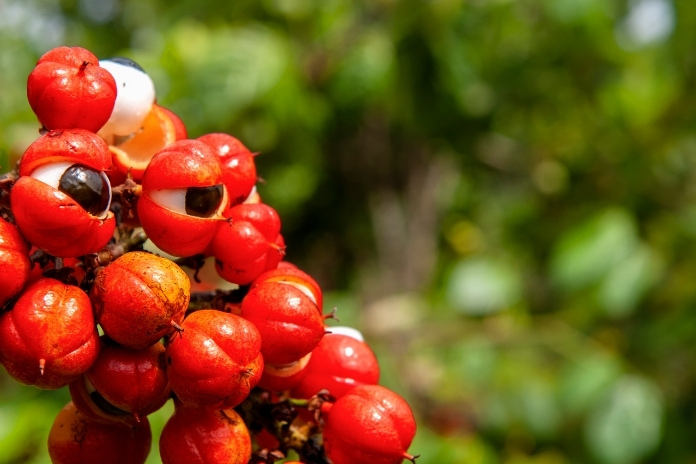
Stevia comes from Stevia rebaudiana, a bush-like plant native to Argentina, Brazil, and northeastern Paraguay. The compounds in stevia are 200-300 times sweeter than regular sugar, making it an incredibly potent natural sweetener.
While stevia is used to address various health concerns, including diabetes, high blood pressure, and obesity, solid scientific evidence supporting these claims remains limited. Although frequently marketed as a safe and healthy alternative, stevia has sparked some controversy in the health community.
This article examines the potential risks and side effects of this popular natural sweetener to help you make informed decisions about its use.
Read More: 10 Side Effects of Pineapple
What Is Stevia and Where It Comes From
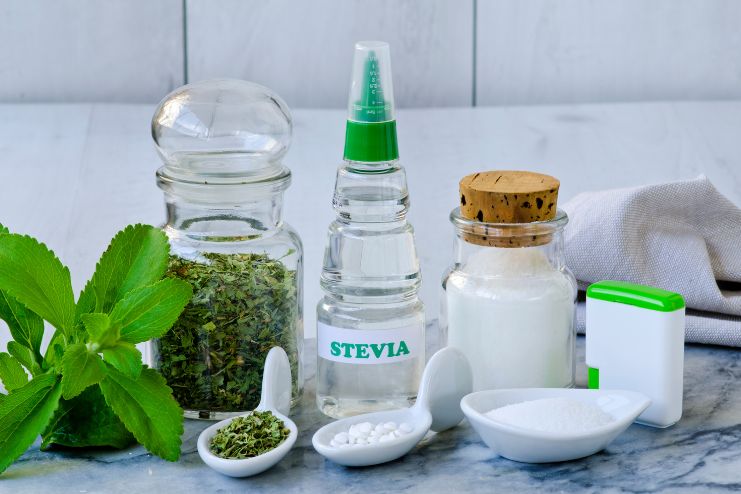
Stevia leaves are processed to create zero-calorie, zero-carbohydrate sugar substitutes. You’ll typically find stevia in green packets alongside other sweeteners in grocery stores and restaurants. Many people consider it safer and healthier than artificial sweeteners due to its “natural” origin.
However, the FDA has only approved high-purity steviol glycosides for human consumption. Companies cannot import whole stevia leaves or crude extracts into the US for use as sweeteners, as the FDA hasn’t authorized them as food additives.
While many people use stevia without experiencing noticeable health changes, others have reported undesirable side effects, including heart palpitations and digestive difficulties.
8 Possible Side Effects of Stevia
1. Digestive Issues
Many commercial stevia products combine the sweetener with sugar alcohols like erythritol or xylitol to improve texture and enhance sweetness. For people with sugar alcohol intolerance, this combination can trigger unpleasant gastrointestinal reactions, including nausea, vomiting, diarrhea, bloating, and abdominal cramping.
These effects occur because sugar alcohols aren’t fully absorbed in the intestines, leading to bacterial fermentation in the gut. It’s worth noting that pure stevia alone hasn’t been shown to cause gastrointestinal problems—the issues typically stem from the added sugar alcohols.
2. Low Blood Pressure
Stevia may act as a vasodilator, helping widen blood vessels and potentially lowering blood pressure. While researchers have primarily studied this as a beneficial effect, the impact varies between individuals.
Some people benefit from stevia’s effects on blood pressure, while others may experience adverse reactions. Although stevia hasn’t been shown to reduce blood pressure to dangerous levels, people with chronically low blood pressure or those taking blood pressure medications should consult a healthcare professional before adding stevia to their diet.
Read More: 8 Side Effects of Too Much Vitamin D That Can Be Dangerous
3. Potential Liver Effects
Research on stevia’s liver effects remains limited and inconclusive. One animal study found a connection between stevia and sucralose consumption that raised liver enzymes. However, other human research suggests stevia may actually help reduce markers of fatty liver disease.
The conflicting evidence highlights the need for more comprehensive studies on stevia’s long-term liver impact.
4. Damage to the Kidneys
Stevia may stimulate the body to excrete water and electrolytes more rapidly through urine. Since kidneys filter and produce urine, scientists initially theorized that long-term stevia consumption could significantly impair kidney function.
However, recent human trials present a different picture. Consuming approximately 1,000 milligrams of stevia extract daily may actually improve kidney health markers—including uric acid, serum creatinine, and microalbumin levels—in people with chronic kidney disease, compared to placebo groups.
5. Endocrine System Disruption
Steviol glycosides may share molecular similarities with steroids, leading to theories about their potential impact on hormone production. One study found that human sperm cells exposed to steviol showed increased progesterone production.
Conversely, animal studies have demonstrated positive hormonal effects from stevia, including improved fasting blood sugar levels and luteinizing hormone balance. These mixed results suggest stevia could potentially benefit male fertility, though more research is needed.
Read More: 11 Side Effects of Consuming Too Much Milk
6. Allergic Reactions
While relatively rare, allergic reactions to stevia can occur. In severe cases, you may experience anaphylaxis with symptoms including itching, inflammation, and hives. People allergic to plants in the Asteraceae and Compositae families may be at higher risk for stevia allergies.
If you have known plant allergies, consider conducting a patch test or consulting an allergist before using stevia regularly.
7. Hormonal Effects
Research indicates that large amounts of stevia could influence hormone levels. Studies have shown that stevia exposure leads to increased progesterone levels in human sperm cells, potentially affecting fertility and reproductive health.
However, human studies haven’t definitively confirmed these findings. More research is necessary to understand Stevia’s potential effects on human hormonal systems, particularly with long-term use.
8. Bitter or Metallic Aftertaste
Some people experience an unpleasant metallic or bitter aftertaste when consuming stevia-containing products, especially with larger quantities or certain food combinations. This taste issue may make stevia unpalatable for some users.
The aftertaste tends to be more pronounced with certain stevia preparations and can vary based on individual taste sensitivity and the specific product formulation.
Read More: 7 Warning Signs and Side Effects of Poor Digestion You Shouldn’t Ignore
Who Should Avoid Stevia?
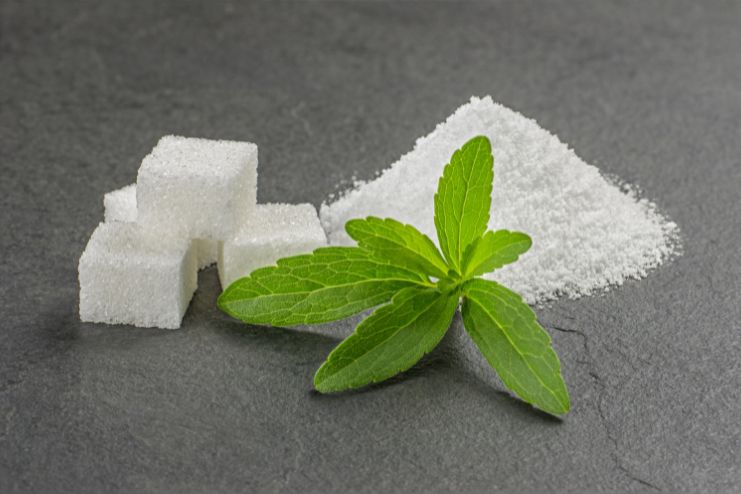
While stevia is generally considered safe for most people, certain individuals should exercise caution or avoid it entirely.
Pregnant and Breastfeeding Women: Limited research exists on stevia’s effects during pregnancy and lactation. Women who are pregnant or nursing should consult their healthcare providers before incorporating stevia into their diets.
People on Medications: Since stevia can affect blood sugar and blood pressure levels, individuals taking medications for diabetes, hypertension, or hormonal conditions should proceed with caution. Always consult your healthcare provider to ensure stevia won’t interfere with your medications.
Those Sensitive to Sugar Alcohols: If you’re sensitive to sugar alcohols like erythritol or xylitol, carefully read stevia product labels. Many commercial stevia products contain these additives, which can cause bloating, diarrhea, or stomach pain in sensitive individuals. Choose pure stevia extract if you have known sugar alcohol sensitivities.
Read More: 11 Side Effects Of Almond Milk- That May Cause Serious Health Issues
Conclusion
Stevia offers clear advantages as a calorie-free, diabetic-friendly sugar alternative, but it’s not without potential drawbacks. Some individuals may experience side effects, particularly when consuming products that combine stevia with sugar alcohols or when using larger quantities.
The long-term health impacts of stevia remain somewhat unclear, as research in this area continues to evolve. While stevia can be an effective tool for managing blood sugar and reducing calorie intake, moderation is key.
Pay attention to how your body responds to stevia, and don’t hesitate to consult a healthcare provider if you have concerns about whether stevia is right for your individual health needs. Making informed decisions about sweetener choices is an important part of maintaining your overall health and wellness.
References
- https://americansforbgu.org/stevia-health-side-effects
- https://www.medicalnewstoday.com/articles/319837
- https://www.verywellhealth.com/stevia-side-effects-6890614
- https://www.medicalnewstoday.com/articles/319837#risks-and-side-effects
- https://www.signos.com/blog/stevia-side-effects
- https://health.clevelandclinic.org/what-is-stevia
- https://www.verywellhealth.com/stevia-side-effects-6890614
- https://www.webmd.com/vitamins/ai/ingredientmono-682/stevia
- https://www.webmd.com/food-recipes/what-is-stevia
- https://www.healthline.com/nutrition/is-stevia-safe#side-effects
In this Article