









Picture this: you’re in a silent yoga studio, easing into plow pose, and suddenly a noise pops out of nowhere. Or you’re with a partner, everything feels intimate and smooth, and then an unexpected sound throws you off rhythm. That moment of shock, followed by embarrassment, is something almost every woman has experienced at least once.
Here’s the thing: queefing isn’t a sign that your body is malfunctioning. It’s usually nothing more than air getting trapped inside the vagina and escaping when your position changes, your pelvic floor shifts, or penetration creates pressure differences. The sound can feel awkward because we associate it with flatulence, but the mechanism is completely different and is rarely a health concern.
What this really means is that most queefs are a mechanical event, not a medical one. Movements in yoga, pilates, or certain sex positions create the perfect conditions for air to enter and exit. Even strong pelvic floor muscles can contribute by creating a sort of “accordion effect” that pushes air around.
This guide breaks down why queefing happens, when it’s totally normal, the rare times it may signal a pelvic floor or structural issue, and simple ways to reduce how often it happens if it’s bothering you. The goal is to replace embarrassment with clarity, confidence, and practical tools you can actually use.
Quick Summary: What You’ll Learn
- Queefing is common and usually normal.
- It’s caused by air getting trapped and then released from the vagina during movement, sex, or exercise.
- Occasional queefing is harmless; frequent or painful episodes may point to pelvic floor weakness, prolapse, or, rarely, a fistula.
- Simple measures, pelvic floor exercises, position tweaks during sex, and breathing control in exercise reduce occurrences.
What Is Queefing? (Vaginal Gas Explained)
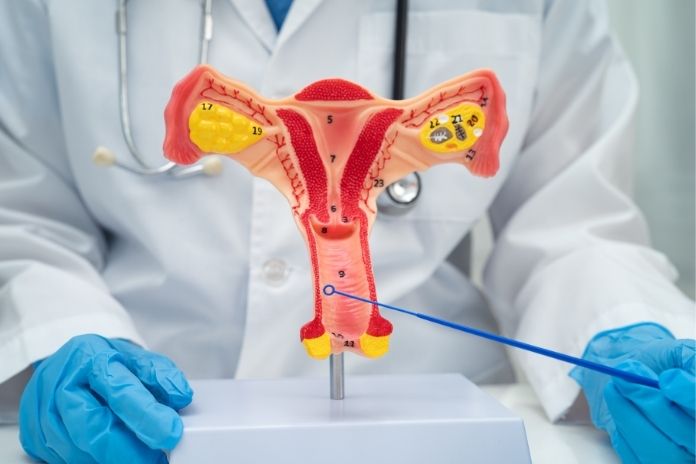
Queefing is simply the sound of air leaving the vagina, nothing more. The noise can mimic a fart, but it has zero connection to the digestive system. Air gets pulled into the vaginal canal during certain movements, stretches, or forms of penetration, and when your position shifts or the pressure changes, that air escapes. As it moves out, the vaginal walls can flutter a little, which creates the familiar pop or puff of sound.
Here’s the thing: this is basic body mechanics, not a sign of poor hygiene, weakness, or anything “wrong” with your anatomy. Yoga poses, pilates, deep squats, sex positions that involve thrusting, or anything that opens and closes the pelvic area can pull air in. Even something as simple as standing up quickly after sitting cross-legged can trigger it.
Because the sound is similar to gas, people often assume it’s related. It isn’t. Queefing doesn’t involve the rectum, bacteria, digestion, or smell. Medical sources consistently describe it as a normal, harmless physiological event that occurs when movement and anatomy align in a certain way.
Understanding that it’s a pressure-and-air situation, not a health problem, is the first step toward easing the embarrassment and seeing it for what it is: a common quirk of the body doing exactly what it’s built to do.
Why Does Queefing Happen? Common Causes

Here’s where the mechanics really come into focus. Queefing isn’t random; it happens because certain movements, pressures, or changes in muscle tone make it easy for air to enter the vagina and then get pushed back out.
When you see the patterns, the whole phenomenon feels a lot less mysterious and a lot easier to manage. Below is a clear breakdown of the most common causes and when to pay attention to them.
1. Sexual Activity
Sex and penetration commonly introduce air into the vagina. Certain positions, particularly those with deep thrusting or high angles, allow more air to enter. When the partner or object is withdrawn, vaginal muscles relax and trapped air escapes, sometimes loudly.
WebMD notes that queefing during or after intercourse is very common and usually nothing to worry about. If you experience other symptoms, such as pain, discharge, or stool/urine leakage, see a clinician, as these may signal a fistula or other pathology.
2. Exercise and Movement (Yoga, Pilates, Squats)
Poses and movements that change pelvic orientation or compress the abdomen can push air into the vagina or cause previously trapped air to shift and escape. Yoga instructors and fitness writers regularly note that forward folds, plow poses, and deep hip openers are frequent triggers.
While the advice from pop fitness sites can be practical, it’s supported by clinical descriptions of how posture and pressure affect vaginal air exchange.
3. Pelvic Floor Muscle Changes
The pelvic floor, the group of muscles that supports the bladder, uterus, and rectum, plays a controlling role in what does and doesn’t escape the vaginal opening. When those muscles are weak, overly relaxed, or poorly coordinated, air can enter and exit more easily.
Pelvic floor weakness is common after childbirth, with aging, or after certain surgeries. Strengthening those muscles through targeted exercises can improve support and reduce queefing frequency. For guidance, Cleveland Clinic recommends pelvic floor training and, when needed, referral to a pelvic floor physical therapist.
4. Vaginal Laxity After Childbirth
Vaginal tissues naturally stretch during pregnancy and delivery. Many people report increased queefing in the months after childbirth as tissues and pelvic muscles recover. This is frequently temporary; pelvic floor rehabilitation and time often reduce symptoms.
If queefing persists beyond the expected recovery period or is accompanied by other symptoms, clinical evaluation is appropriate.
5. Medical Conditions (Rare)
While almost all queefing is benign, persistent or unusual vaginal gas can rarely indicate a medical issue:
- Rectovaginal or vesicovaginal fistula, an abnormal connections that allow gas or stool/urine to pass into the vagina. These conditions are uncommon but serious and require surgical evaluation. Cleveland Clinic outlines how fistulas cause continuous or recurrent gas and odor.
- Pelvic organ prolapse, when pelvic organs descend and alter vaginal shape, creating pockets where air can collect. ACOG practice bulletins and reviews explain how pelvic support loss changes symptoms, sometimes increasing noise or pressure sensations.
If queefing is accompanied by foul-smelling discharge, consistent stool leakage, or pelvic pressure, seek medical evaluation. Those signs point away from benign trapped air and toward structural problems that need attention.
Is Queefing Normal or a Sign of a Problem?

Here’s the thing: most queefing is harmless. If it happens once in a while, doesn’t hurt, and isn’t paired with odd discharge or leakage, every major medical source considers it normal physiology.
The vagina is a flexible, air-permeable space, and sound alone isn’t evidence of anything wrong. Cleveland Clinic repeatedly notes that the noise itself isn’t a symptom of disease, and feeling embarrassed doesn’t mean there’s a medical issue hiding underneath.
When It’s Probably Normal
If queefing shows up during sex, exercise, stretching, or sudden position changes, and everything else feels fine, it’s usually just trapped air escaping. No treatment needed. No tests. Nothing to fix. In these cases, the body is doing exactly what it’s designed to do.
When to Pay Attention
Some situations call for a closer look. Think of these as red flags rather than automatic danger signs:
- Foul odor or unusual discharge:Persistent queefing paired with a bad smell or abnormal discharge could suggest an infection or, in uncommon cases, a fistula.
- Stool or urine leakage through the vagina:This is never normal. Any leakage of stool or urine through the vaginal opening points strongly toward a fistula, an abnormal connection between organs.
- New pelvic pressure or a visible bulge:A sense of heaviness, pressure, or a bulge in the vagina can indicate pelvic organ prolapse. Reviews referenced in PubMed describe how prolapse changes the shape and support of the vaginal canal, which can trap and release air more often.
- Symptoms that began after childbirth or pelvic surgery and haven’t improved:Some queefing is expected after delivery or surgery, but if several months pass with no improvement, ACOG recommends evaluation to rule out healing complications or pelvic floor dysfunction.
If none of those red flags apply, queefing is almost always a benign, mechanical event, more of an awkward moment than a medical concern. It doesn’t damage tissue, it doesn’t signal disease, and it doesn’t require treatment.
Understanding the difference helps you skip unnecessary worry and focus on what actually matters: how your body feels, not the sound it occasionally makes.
How to Prevent or Reduce Queefing

You can’t eliminate queefing entirely; the vagina is not airtight, but you can reduce its frequency and your worry about it. Here are practical, evidence-aligned strategies.
1. Strengthen Your Pelvic Floor
Pelvic floor exercises (Kegels) are the frontline, noninvasive approach. Contract the muscles you’d use to stop the flow of urine; hold for 3–5 seconds, then relax for 3–5 seconds. Aim for sets of 8–12 contractions, three times a day. Proper technique matters; contracting the abdomen, buttocks, or thighs reduces effectiveness.
As Dr. Melissa Waldron explains, ‘your pelvic floor doesn’t work in isolation, it must be coordinated with your posture, breathing mechanics, and core and hip muscles for optimal function,’ which is why proper Kegel technique matters so much.
If you’re unsure of technique or you suspect muscle dysfunction (either weakness or over-tightness), see a pelvic floor physical therapist. Practical tip: practice Kegels in different positions (lying, sitting, standing) and incorporate quick contractions (fast flicks) plus longer holds to build both power and endurance.
2. Adjust Positions During Sex
If queefing happens during sex, try shallower penetration or changes in angle. Positions that minimize deep air entry, such as side-lying or shallow missionary with the hips adjusted, can help. Communication with a partner matters: a brief pause and repositioning will usually eliminate the immediate problem and reduce the awkwardness.
There’s no scientific “one-size-fits-all” sexual position guide; instead, experiment with angles that reduce air entry and prioritize comfort.
3. Control Breathing and Movement in Workouts
In yoga or Pilates, exhale slowly during transitions and avoid rapid, forceful compressions of the abdomen. Move deliberately when coming out of deep hip-openers or forward folds. Teachers and clinicians both recommend mindful breathing to reduce sudden pressure changes that can force air in or out.
4. Practice Proper Vaginal Health
Avoid aggressive douching or harsh soaps that might irritate or change tissue elasticity and microbiome balance. Maintain hydration and use water- or silicone-based lubricants during sex if dryness is an issue. Healthy tissue and adequate lubrication reduce friction and unpredictable air movement.
As Dr. Nitu Bajekal warns, ‘avoid using harsh cleansers, douching, or scented products inside the vagina, these can disrupt the normal pH balance, irritate delicate tissue, and disturb the microbiome,’ which is why gentle hygiene and proper lubrication really matter.
If pelvic tissue feels unusually lax after childbirth or surgery, a clinician can assess whether targeted rehabilitation or other interventions are needed.
Read More: 7 Best pH-Balanced Feminine Washes for Vaginal Health
When to See a Doctor About Queefing
Most of the time, queefing doesn’t need a medical appointment. If it’s occasional, painless, and not paired with anything unusual, it’s simply air moving in and out of the vaginal canal. But there are moments when it’s worth checking in with a clinician, especially if something feels off or the pattern has changed.
Situations that warrant medical evaluation
- Signs of infection:If queefing is accompanied by persistent foul-smelling discharge, irritation, or other infection-like symptoms, a gynecologist should take a look.
- Stool or constant gas escaping from the vagina:This is a major red flag. Continuous passage of stool or gas suggests a fistula, which is an abnormal connection between the rectum and vagina.
- Pelvic pressure, a bulge, or trouble emptying the bladder or bowels:These are classic signs of pelvic organ prolapse. Research published in PubMed shows that prolapse can change the vaginal shape and create air pockets, leading to increased noise.
- Post-surgical or post-childbirth queefing that doesn’t improve:If symptoms began after pelvic surgery or delivery and haven’t settled after several months, experts recommend evaluation to rule out structural issues or muscle dysfunction.
What to expect at the appointment
A clinician will start with a symptom history and a pelvic exam. Depending on what they find, they may order additional tests like:
- Pelvic ultrasound.
- Dye tests to check for fistulas.
- Vaginal inspection or imaging to assess for prolapse.
- Referral to a pelvic floor physical therapist if muscle weakness is suspected.
For many people, pelvic floor therapy alone makes a noticeable difference. Surgery is only considered when there’s a clear structural problem, such as a fistula or advanced prolapse. The bottom line: queefing isn’t a medical emergency, but certain patterns should be taken seriously. If something feels out of the ordinary, getting checked is the right call.
Read More: 7 Vaginal Health Myths Doctors Wish Women Would Stop Believing
Quick Recap
Queefing is simply the sound of air escaping the vagina, and for most people, it’s a completely normal part of how the body moves and responds during sex, exercise, or certain positions. The noise can feel embarrassing in the moment, but on its own, it isn’t a sign of poor health or something you need to fix.
What this really means is that most cases don’t require any treatment. You can reduce how often it happens by strengthening your pelvic floor, switching up sexual positions, and paying attention to posture and breathing during workouts. These small adjustments keep less air from getting trapped in the first place.
The only time queefing deserves a closer look is when it comes with something unusual: odor, discharge, stool, or urine leakage, or a new sense of pelvic pressure or heaviness. Those changes hint at something beyond simple trapped air. Otherwise, queefing stays firmly in the category of harmless quirks the body occasionally throws your way.
References
- American College of Obstetricians and Gynecologists. (n.d.). Pelvic support problems: FAQs.
- Cleveland Clinic. (2022, Sept 20). Vaginal gas: Causes, prevention & when to see a doctor.
- Cleveland Clinic. (n.d.). Kegel exercises: Benefits, how to & results.
- Cleveland Clinic. (2025, May 12). Rectovaginal fistula: Causes, symptoms & treatment.
- Mayo Clinic. (n.d.). Vaginal health: What’s typical, what’s not.
- Mayo Clinic. (n.d.). Rectovaginal fistula: Symptoms and causes.
- PubMed. (2019). Pelvic organ prolapse: ACOG practice bulletin.
- Self. (n.d.). 6 small, everyday habits pelvic floor physical therapists wish you’d break.
- Verywell Fit. (2021, Dec 8). Preventing vaginal farts during yoga classes.
- WebMD. (2025, Mar 25). Vaginal gas (queefing): What it is and why it happens.
In this Article