












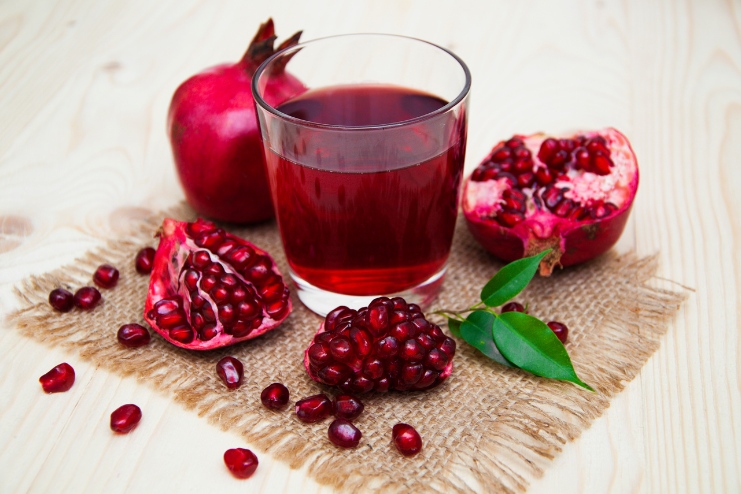
Pomegranate juice has been around for centuries, celebrated in ancient cultures as a symbol of life and vitality. Today, it’s marketed as a “super juice,” said to be packed with antioxidants, polyphenols, and anti-inflammatory compounds that promise everything from glowing skin to a healthier heart. The boldest claims focus on its potential benefits for cardiovascular health, including lowering blood pressure, improving cholesterol levels, and potentially slowing the buildup of arterial plaque.
But here’s the thing: is this deep-red drink truly a heart-friendly powerhouse, or just another passing health fad dressed up in scientific jargon? The truth isn’t as simple as the glossy ads make it seem. Some studies show impressive benefits, while others suggest that the effects might be modest or dependent on how and when it is consumed.
In this article, we’ll unpack the science behind pomegranate juice and your heart. We’ll look at what’s actually in it that might protect your cardiovascular system, how much you’d realistically need to drink, who should approach it with caution, and whether juice is the best form, or if fresh seeds or extracts might be even better.
What’s in Pomegranate Juice That Supports Heart Health?
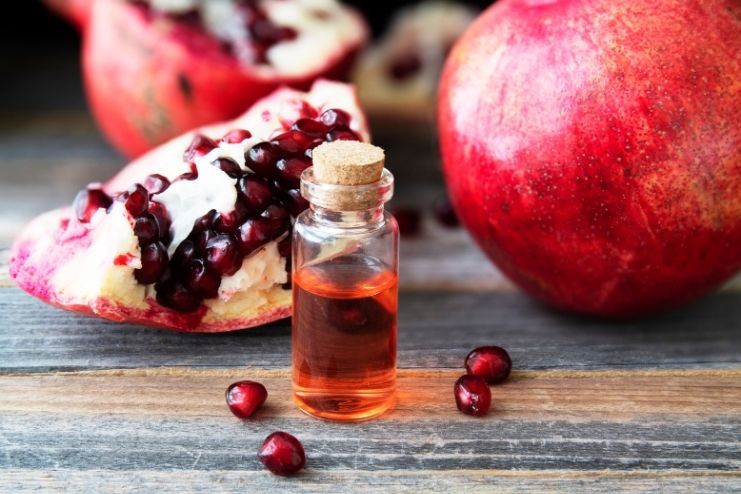
Pomegranate juice isn’t just a pretty shade of ruby; it’s loaded with bioactive compounds that give it serious potential for cardiovascular protection. While it contains a variety of vitamins and minerals, the real heroes are its polyphenols, particularly punicalagins and anthocyanins.
Punicalagins are unique to pomegranates and are among the most potent antioxidants found in nature. They help neutralize harmful free radicals before they can damage artery walls, reducing oxidative stress, a key driver of plaque buildup and artery stiffening. Anthocyanins, the pigments responsible for that deep red color, have been shown to improve blood vessel flexibility and support healthy circulation.
Beyond these, pomegranate juice offers a supportive cast of heart-healthy nutrients:
- Potassium – crucial for maintaining fluid balance and regulating blood pressure by counteracting the effects of sodium.
- Vitamin C – supports vascular health by strengthening blood vessel walls and aiding collagen formation in arterial tissue.
- Ellagitannins – a class of polyphenols that not only reduce inflammation in blood vessels but also may help lower LDL oxidation, a major step in atherosclerosis development.
What sets pomegranate juice apart from other antioxidant-rich drinks is its polyphenolic diversity.
According to a 2020 review in Molecules, its antioxidant capacity is significantly higher than that of red wine or green tea, thanks to its unique blend of tannins, flavonoids, and anthocyanins. This combination doesn’t just mop up free radicals; it may actively improve endothelial function, enhance nitric oxide availability, and ultimately help your heart work more efficiently.
Read More: 26 Health Benefits of Pomegranate That Will Leave You in Shock
Top Heart Health Benefits of Pomegranate Juice (Backed by Research)

When it comes to heart health, pomegranate juice doesn’t just look good in the glass; it’s been put through serious scientific testing. Its unique blend of antioxidants and polyphenols works on several fronts: easing the strain on your blood vessels, keeping cholesterol in check, slowing the buildup of arterial plaque, and calming the inflammation that quietly damages the cardiovascular system over time.
a. Reduces Blood Pressure
Several human trials have observed a drop in both systolic and diastolic blood pressure after regular consumption of pomegranate juice.
In a 2017 meta-analysis, researchers found that drinking pomegranate juice significantly reduced systolic blood pressure by up to 5 mmHg in some participants. The proposed mechanism? An increase in nitric oxide production, which relaxes and dilates blood vessels.
A meta-analysis of pomegranate-juice trials found significant reductions in systolic (−4.96 mmHg) and diastolic (−2.01 mmHg) blood pressure, effects attributed to anthocyanin-rich polyphenols improving endothelial function.
b. Improves Cholesterol Levels
Oxidized LDL cholesterol plays a central role in plaque formation in arteries. Pomegranate juice has shown promise in reducing LDL oxidation, a critical step in slowing atherosclerosis.
In a small randomized trial, patients with high cholesterol who drank 800 mL of pomegranate juice daily for four weeks had a 90% reduction in LDL oxidation and a 30% reduction in total cholesterol levels. HDL (good cholesterol) levels also saw a modest increase.
However, not all studies have seen dramatic results, especially at lower dosages. The effects appear to be more consistent in individuals with metabolic syndrome or dyslipidemia.
c. Helps Prevent Artery Stiffness and Plaque Buildup
Atherosclerosis, the thickening and hardening of arteries, is one of the leading causes of heart attacks and strokes. Some early-stage human studies suggest that pomegranate juice may help reduce the progression of arterial plaque.
In a landmark 2004 study published in Clinical Nutrition, patients with carotid artery stenosis who drank 50 mL of pomegranate juice daily for up to three years experienced a 30% reduction in intima-media thickness, a key marker of atherosclerosis.
Additionally, pomegranate juice intake led to a 35% decrease in oxidative stress markers in the blood, suggesting protective effects on vascular tissue.
d. Fights Oxidative Stress and Inflammation
Oxidative stress and chronic inflammation are central players in cardiovascular disease. Pomegranate juice combats both, thanks to its high concentration of antioxidants.
A study in Free Radical Biology and Medicine found that pomegranate juice reduced serum C-reactive protein (CRP), a marker of inflammation, as well as interleukin-6 (IL-6), another inflammatory cytokine, in overweight individuals.
The antioxidants in pomegranate, particularly punicalagin, help protect the endothelium, the thin layer lining blood vessels, which is crucial for maintaining vascular tone and preventing clots.
A study published in the Journal of Clinical Nutrition found that pomegranate juice may help visual memory in older adults.
How Much Pomegranate Juice Should You Drink for Heart Benefits?
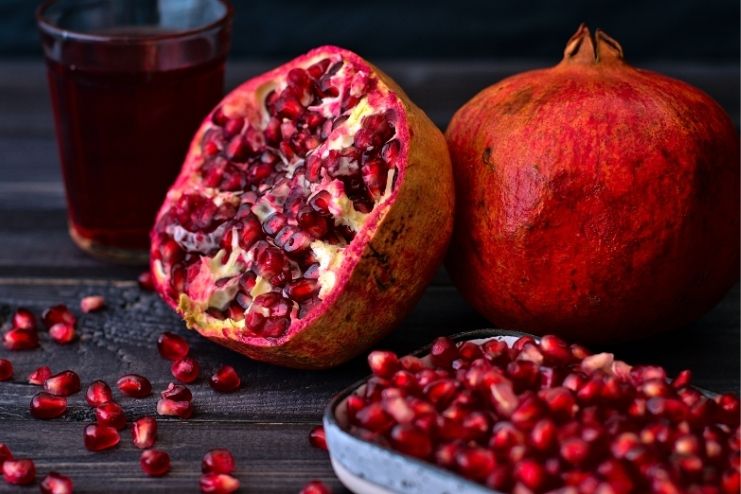
When it comes to heart health, more isn’t always better, especially with fruit juice. Most of the positive cardiovascular effects in research have been observed at 150–240 ml (5–8 ounces) per day. That’s roughly a small glass, not a giant bottle. While some studies have tested much higher amounts, up to 800 ml daily, the sugar load at that level makes it impractical and potentially counterproductive, especially for people watching their blood sugar or calorie intake.
The key is to think of pomegranate juice as a daily habit, not a one-off boost. Measurable benefits like lower blood pressure or reduced oxidative stress usually start showing up after two to three weeks of consistent intake. Sporadic drinking won’t have the same impact.
A few points can help you get the most from it:
- Quality matters – Choose 100% pure pomegranate juice with no added sugar, preservatives, or artificial flavorings. Many “pomegranate blends” on the market are diluted with cheaper juices like apple or grape, which weakens the polyphenol punch.
- Timing is flexible – You can have it with or without food. Some people prefer drinking it in the morning, particularly if they take medications later in the day that might interact with concentrated fruit juices.
- Watch the rest of your diet – Pomegranate juice should complement, not replace, whole fruits, vegetables, and other heart-healthy foods. It’s a concentrated source of natural sugars, so balance it within your daily carb intake.
Potential Downsides or Interactions

Pomegranate juice is often marketed as a pure win for heart health, but like any concentrated food source, it comes with a few caveats worth knowing before you make it a daily habit. These don’t negate its benefits, but they do help you use it wisely.
1. High in Natural Sugars
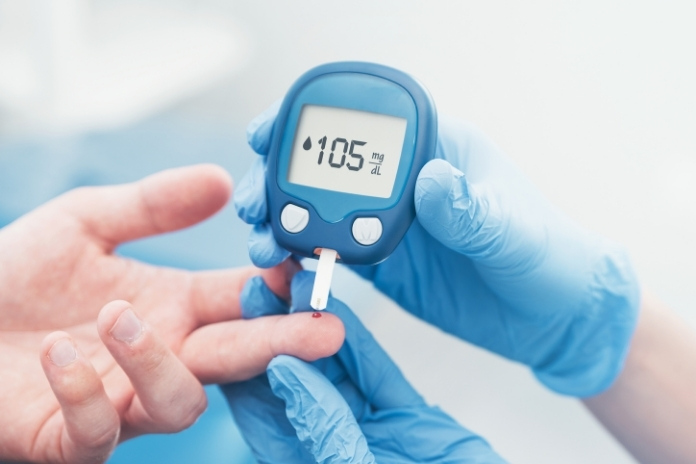
An 8-ounce (240 ml) serving can carry up to 30 grams of sugar, comparable to some soft drinks, minus the empty calories. While the sugar is naturally occurring and comes with antioxidants, it’s still a sizable load for your blood glucose.
This makes it something to moderate if you have diabetes, insulin resistance, or are actively tracking carbohydrate intake. In those cases, smaller daily servings or alternating juice with whole pomegranate seeds may be the better approach.
2. Drug Interactions
Pomegranate juice can influence how certain medications are metabolized. Like grapefruit juice, it may inhibit the cytochrome P450 enzyme system, particularly CYP3A4, which plays a role in breaking down many prescription drugs. This interaction has been linked to altered effects of some statins (like simvastatin), certain blood pressure medications, and anticoagulants (like warfarin).
A 2006 study showed pomegranate juice inhibited CYP3A activity in vitro. While real-world impact varies, it’s safest to check with a healthcare provider before adding large amounts of pomegranate juice to your diet if you’re on long-term medication.
3. Gastrointestinal Sensitivity
Because pomegranate juice is both acidic and rich in polyphenols, some people notice bloating, gas, or mild stomach discomfort, especially if they jump straight to a full glass. If you’re new to it, start with a smaller serving and build up gradually, letting your digestive system adjust.
Who Should Avoid or Limit It
While most healthy adults can enjoy pomegranate juice daily, there are a few situations where it might not be the best choice. People with uncontrolled diabetes may need to limit their intake due to the natural sugar load.
Individuals with chronic kidney disease should be mindful of their potassium levels, as excessive intake can lead to complications. And if you have a history of severe allergies to pomegranate fruit or pollen from related plants, skip it altogether. As with any concentrated food source, a little awareness goes a long way.
Pomegranate Juice vs. Whole Fruit or Supplements
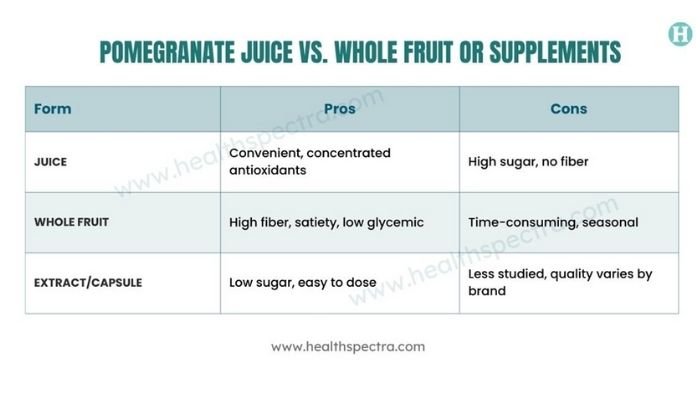 Whole pomegranate seeds (arils) provide fiber and micronutrients not found in juice. However, the antioxidant concentration, particularly punicalagins, is significantly higher in the juice, making it the preferred choice for cardiovascular benefits.
Supplements can offer a sugar-free alternative; however, the research is less consistent and highly dependent on the formulation.
Who Should Consider Adding Pomegranate Juice to Their Diet?

You might benefit from adding pomegranate juice if you:
- Have mild hypertension or borderline high cholesterol.
- Have a family history of heart disease.
- Experience elevated inflammatory markers like CRP.
- Are you transitioning to a more plant-based or Mediterranean-style diet?
Dr. Dean Ornish and colleagues studied the effects of drinking 8 ounces a day of pomegranate juice (PJ) in patients with heart disease and abnormal stress tests. After three months, blood flow improved in those who drank PJ and worsened in a control group.
Cholesterol was measured in 22 patients with diabetes who were given a concentrated pomegranate juice for eight weeks. Total and LDL cholesterol fell, and this was not explained by any other changes in diet.
In fact, in his expert report, Dr. Ornish testified: “Taken as a whole, the preponderance of the scientific evidence from basic scientific studies, animal research, and clinical trials in humans reveals that the pomegranate in its various forms (including POM Wonderful 100% Pomegranate Juice, POMx Pils, or POMx Liquid) is likely to be beneficial in maintaining cardiovascular health and is likely to help reduce the risk of cardiovascular disease.
People already on cholesterol-lowering or blood pressure medications should consult a healthcare provider first.
What to Look For When Buying Pomegranate Juice

Not all pomegranate juices are created equal. Some bottles are rich in polyphenols and deliver the heart-health benefits research talks about. Others are mostly apple or grape juice with a splash of pomegranate for color. Knowing how to read labels and spot high-quality products can make the difference between an effective daily habit and a sugary placebo.
- Check for 100% Juice: Look for labels that say “100% pomegranate juice” with no blends or concentrates from other fruits. Many popular supermarket brands dilute pomegranate with cheaper juices, lowering both the antioxidant content and the benefit.
- Watch for Added Sugar: Pure pomegranate juice is already sweet. If the label lists sugar, corn syrup, or other sweeteners, you’re paying for extra calories and a bigger blood sugar spike without extra benefits.
- Choose Cold-Pressed or Fresh-Pressed When Possible: Cold-pressing preserves more antioxidants compared to high-heat pasteurization. While pasteurized juice is still beneficial, cold-pressed varieties may retain slightly higher polyphenol levels.
- Consider Packaging: Opaque or dark bottles help protect the juice from light, which can degrade antioxidants over time. Avoid products sitting in direct sunlight on store shelves.
- Check the Polyphenol Content: Some brands now list the total polyphenol content (in milligrams) on the label. If available, choose options with higher values, ideally over 500 mg per serving.
- Mind the Shelf Life: Fresh, refrigerated juice usually has a shorter shelf life but often tastes better and may contain more active compounds. Long-shelf-stable juices are fine, but choose those without added preservatives whenever possible.
Bottom Line: A little label reading goes a long way. High-quality pomegranate juice will cost more than diluted blends, but if you’re drinking it for heart health, it’s worth paying for the real thing.
Final Thoughts
Pomegranate juice isn’t just riding the wave of the latest superfood trend; it’s one of the rare fruit juices that has consistently held up under scientific scrutiny. Decades of research suggest that it can work on multiple fronts to protect your cardiovascular system, including lowering blood pressure, slowing LDL oxidation, improving artery elasticity, and reducing the inflammation that drives heart disease.
But here’s the reality: it’s not a magic bullet. If your diet is heavy on processed foods, excess sodium, and trans fats, no amount of pomegranate juice will offset that damage. Think of it as a supporting player in a bigger heart-health strategy, not the lead actor. The benefits show up when it’s paired with other healthy habits: balanced nutrition, regular movement, and mindful lifestyle choices.
To get the most out of it: choose 100% pure juice with no added sugar, stick to 5–8 ounces daily for at least a few weeks, and make it part of a diet rich in fruits, vegetables, healthy fats, and fiber. And if you’re on medications, especially statins or blood pressure drugs, check with your doctor first. Done right, this ruby-red drink can be more than a health trend; it can be a quiet but powerful ally for your heart.
References
- https://pmc.ncbi.nlm.nih.gov/articles/PMC3678830/
- https://www.heart.org/en/news/2021/09/09/just-how-healthy-are-pomegranates
- https://www.medicalnewstoday.com/articles/318385
- https://www.ajconline.org/article/S0002-9149%2805%2901027-1/fulltext
- https://www.practo.com/healthfeed/why-pomegranates-are-essential-for-a-healthy-heart-54950/post
- https://continentalhospitals.com/blog/10-powerful-reasons-to-drink-pomegranate-juice-every-day/
- https://www.medicalnewstoday.com/articles/318385
- https://bnatural.in/know-more/blog/benefits-of-pomegranate-juice.html
- https://www.webmd.com/vitamins/ai/ingredientmono-392/pomegranate
- https://www.webmd.com/diet/health-benefits-pomegranates
In this Article