















Do you want to brighten your eyes? Over time, our eyes can become dull and lifeless. After a long day’s work, prolonged computer and phone use, allergies, and dry, winter days, our eyes may look red and tired.
Fortunately, there are remedies to combat this redness and irritation, to make the eyes appear whiter. The drops contain brimonidine as the active ingredient, and its effects typically last for about eight hours when used in small amounts. It produces results in about a minute, without harsh chemical products like bleach or dyes.
On April 26, 2024, Lumify Preservative Free Redness Relieving Eye Drop was approved by the FDA for use by patients who are sensitive to preservatives. These drops can be used in single-use vials. Adults and children aged five and older can use Lumify safely, but parents should consult a physician before using the drops in children below five.
However, many patients wonder whether they can use Lumify daily or if prolonged use might cause problems. In the following article, we will discuss specialists’ insights and review previously published clinical data on the safety, effects, and recommendations for the continuous use of the drops.
Read More: Why Your Vision Is Blurry in the Morning (and What It Means for Your Eyes)
How Lumify Eye Drops Work
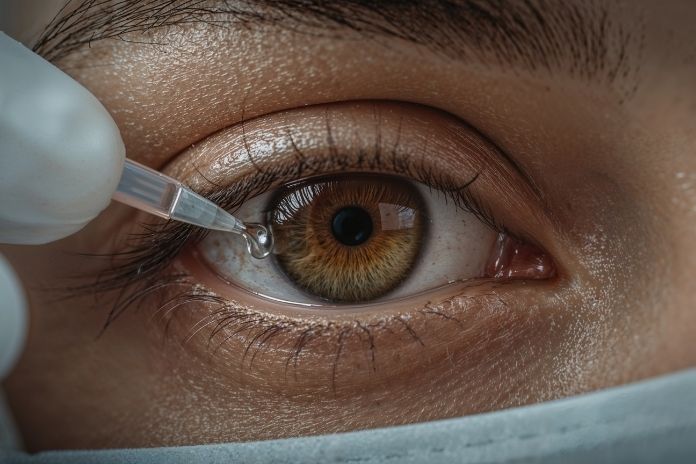
The FDA in the United States has approved Lumify eye drops as a nonprescription solution for red eyes. These drops precisely target the cause for eye redness to reduce minor irritations.
Brimonidine tartrate (0.025%), the active component of Lumify, reduces redness by narrowing the veins in the eye. Irritation causes veins to enlarge, giving the sclera—the white part of the eye—a reddish-pink appearance.
When taken as prescribed, Lumify has been shown in the clinical testing to be both safe and effective, according to Bausch + Lomb. Adults and children five years and older may use Lumify up to four times a day, with each dose providing relief for as long as eight hours.
The key ingredient in Lumify eye drops is brimonidine tartrate. It’s the same ingredient used in prescription eye drops used to reduce pressure in the eyes and treat glaucoma, though, in Lumify, it’s at a much lower concentration of .025%. Lumify eye drops are the only OTC drops on the market that contain this ingredient, causing constriction and narrowing of the blood vessels in the eye, says Adam Moss, M.D., an ophthalmologist in Edina, Minnesota.
Is It Safe to Use Lumify Daily?
When used as prescribed, Lumify is usually considered safe, but only for short-term daily use. According to the product description, you should use only one drop per eye up to 4 times a day, every 6 to 8 hours.
Lumify has a favorable reputation as an occasional treatment for increasing brightness in the eyes or decreasing redness from fatigue, allergies, and/or digital stress, as the vast majority of users report rapid and considerable relief from eye redness. Excessive use may produce dryness and mild irritation.
Possible Side Effects and Risks

Common adverse effects of Lumify include dry mouth, impaired vision, drowsiness, fatigue, and minor eye irritation such as stinging, burning, or redness.
If you experience any of the following symptoms of a Lumify allergic reaction —hives, trouble breathing, or swelling of face, lips, tongue, or throat —get emergency medical attention.
Call your doctor right away and stop taking this medication if you have:
- Eye discomfort or more watering
- Vision changes
- Extreme discomfort, burning, redness, or swelling in or near your eye
The most significant risk of using Lumify eye drops is developing a sensitivity or allergy to either the active ingredient, brimonidine, or its preservative, benzalkonium chloride, says Dr. Moss.
Read More: 5 Effects of Hurting Your Eyes After Swimming
How to Use Lumify Safely
Use Lumify Preservative Free or Lumify eye drops as prescribed by your physician or as stated on the label of the product.
- Use the drops at least ten minutes before putting in the contact lenses, if you wear them.
- Before using eye drops, wash your hands.
- Every 6 to 8 hours, instill one drop into the affected eye or eyes.
- You should not use Lumify eye drops more than four times a day.
- Please do not place the tip of the eye dropper directly onto the eye or touch the tip of it. A contaminated eye dropper can infect the eye, potentially causing severe vision problems.
- Wait at least five minutes before using any other eye drops prescribed by your doctor.
Stop using Lumify if there is a change in vision, pain, continued redness, or other irritation, or if the condition worsens or persists, and report to your eye doctor immediately.
Consult your physician if you use Lumify too often. You might have an underlying issue that needs more testing and care if you have to use Lumify frequently.
When to See a Doctor Instead of Using Lumify

Do not self-diagnose, as LUMIFY was not designed to treat all forms of red eye. See an eye doctor instead to find out what’s causing the redness.
“Red eyes that are related to dryness can cause significant pain for some patients. LUMIFY isn’t a good option for those patients. Instead, we need to figure out what’s causing the dry eye symptoms and treat the patient accordingly,” Whitman Eye Center’s Dallas optometrist Dr. Amanda Hoelscher says.
Redness caused by inflammation or infection should not be treated with Lumify, as it may delay appropriate diagnosis and treatment.
Lumify works well for moderate, transient redness, caused due to a long day or from sleep deprivation, but a physician should treat persistent or uncomfortable symptoms.
Read More: Home Remedies for Healthy Eyes: 6 Tips to Support Vision Naturally
Alternatives and Eye Health Tips
On your own, you can take the following actions to assist in maintaining eye health and avoiding vision loss:
- Avoid smoking.
- Consume a nutritious, well-balanced diet that includes seafood rich in omega-3 fatty acid and dark, leafy greens.
- Engage in regular exercise.
- When engaging in activities such as yard maintenance, sports, or house repairs that could harm your eyes, wear protective eyewear.
- Before handling contact lenses, wash your hands.
- Put on sunglasses that offer 99% or 100% protection against UVA and UVB rays.
People who spend a lot of time in front of a computer screen should think about using computer glasses to protect their eyes.
“Computer glasses are glasses that are ideally suited to that intermediate arm’s length distance that desktop computers usually sit at,” says Dr. Christopher E. Starr, M.D., FACS. “The glasses will keep that distance in focus and will alleviate a lot of that burden on the eye muscles to keep things in focus. It should help people who struggle with eye strain as the day goes on.”
Conclusion
Bright, clear eyes not only signify good health, but they also affect your appearance. Lumify has a unique combination of brimonidine tartrate, providing an excellent solution for red, tired eyes without the rebound effects of other drops. But like all fast solutions, it works best with a bit of caution.
Think of Lumify as a “cosmetic boost” for occasional redness, not a standard solution. The secret to having bright eyes is—hydrating them, taking breaks from the computer screen, dealing with allergies, and protecting them from irritants.
See an eye care professional if the redness persists or if there is pain to determine the cause and maintain flawless vision.
Read More: 16 Effective Cures For Dry Eyes That Work Like Magic
FAQs
Can I use Lumify every day indefinitely?
No, you cannot use Lumify continuously every day. The manufacturer advises against using it for more than 30 days in a row without first consulting a physician.
Is Lumify bad for my eyes in the long run?
Even though Lumify is less likely to induce rebound redness than some other eye drops, frequent and prolonged use may still result in problems, such as preservative damage and the concealment of underlying eye disorders.
Can Lumify cause rebound redness?
No, Lumify is not often associated with rebound redness.
Is Lumify safe with contact lenses?
In most cases, Lumify eye drops are compatible with contacts. But it’s crucial to take some safety measures.
What’s the best alternative for daily redness relief?
The reason for red eyes will determine the best course of action, but moderate irritation can be relieved with over-the-counter artificial tears, cool compresses, and rest.
References
- https://www.health.com/condition/eye-health/eye-whitening-drops
- https://drbishop.com/lumify-eye-drops-everything-you-need-to-know/
- https://www.drugs.com/lumify.html
- https://www.goodrx.com/lumify/what-is
- https://www.aao.org/eye-health/news/new-over-counter-eye-whitening-drop-lumify
- https://www.shape.com/lifestyle/beauty-style/lumify-eye-drops
- https://www.allaboutvision.com/eye-care/eye-drops/lumify-eye-drops/
- https://www.mccanneleye.com/about-us/meet-the-staff/adam-m.-moss–m.d..html
- https://keywhitman.com/doctors/amanda-hoelscher-o-d/
- https://www.nei.nih.gov/learn-about-eye-health/nei-for-kids/healthy-vision-tips
- https://weillcornell.org/news/how-to-improve-vision-and-maintain-eye-health
- https://weillcornell.org/cestarr
In this Article