











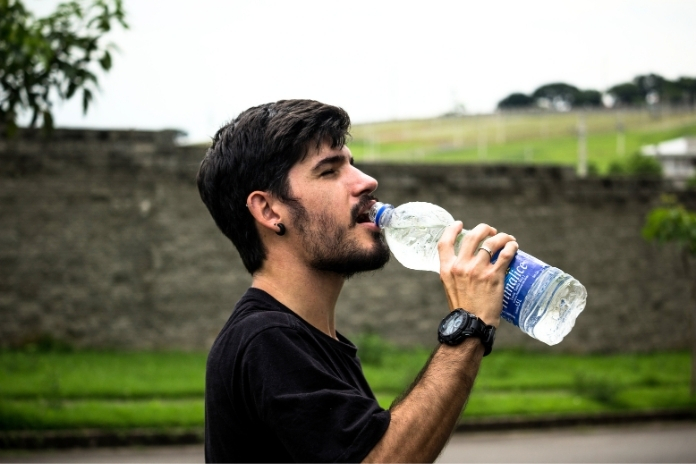
Your body uses a periodic thirst as a natural reminder to drink more water. However, this may cause some concerns if you find yourself reaching for a glass of water very often, even after consuming a lot of water.
After eating anything spicy or on a hot summer day, it’s normal to feel the need for a refreshing drink of cold water. However, if you are experiencing acute thirst, it may indicate a problem—a mental or physical illness which may be the cause of the excessive drinking urge.
Family medicine specialist Matthew Goldman, MD, explains that there can be multiple reasons why you’re thirsty all of a sudden — and some are more serious than others.
Typically, feeling thirsty is your body’s natural signal that you haven’t consumed enough water and may be becoming dehydrated. However, polydipsia, or excessive and ongoing thirst, may indicate an underlying issue like diabetes.
This article examines the potential causes of persistent thirst, explains the difference between typical and abnormal patterns, and provides guidance on whether to consult a medical professional.
Read More: Drinking Water Before Bed: Is It Healthy or Harmful? What Science Says
How Much Thirst Is Considered Normal?
Your body naturally produces thirst to keep fluid balance and avoid dehydration. Feeling thirsty occasionally is natural, but feeling thirsty all the time—even when you’re drinking a lot—is not.
A person can typically relieve their thirst by drinking more fluids after eating salty food, exercising vigorously, or spending time in the sun.
The average person requires four to six glasses of plain water every day. You might be surprised to learn that the amount of water each person needs can differ significantly.
Although the four-to-six cup norm is for people who are typically healthy, the amount varies depending on how much water they consume from other foods and beverages. Additionally, factors including exercise level, medications, ambient temperature, and specific medical problems affect the amount of water consumed each day.
The average daily intake of water for healthy adults is approximately 11.5 cups for women and 15.5 cups for men. Depending on additional fluid sources like coffee, tea, juice, fruits, and vegetables, you may only need four to six cups of plain water.
When your thirst persists despite drinking a lot of water, it becomes a problem. “The body has a way of telling you when there’s an issue,” said Noel Santini, MD, Senior Medical Director of Ambulatory Services at Parkland. “The problem is a lot of times we don’t heed the warning.”
Thirst can be triggered by any condition that disrupts the balance of fluids or electrolytes in your body. Still, it can also be an indication of diabetes, diabetes insipidus, dry mouth, anemia, low blood pressure, or a simple dietary change.
It’s a good idea to keep an eye on your intake and seek further examination from a healthcare professional if you experience excessive thirst or if it persists.
Common Causes of Excessive Thirst

a. Dehydration: Most of the time, you will experience thirst because you aren’t getting enough fluids into your body. It could be the result of excessive perspiration or fluid loss from vomiting and diarrhea.
By drinking something and ensuring you stay properly hydrated, you can quickly slake your thirst and restore your body’s fluid balance. It’s especially very crucial to drink plenty of water when it’s hot outside, while you’re exercising, and when you’re sick with diarrhea and vomiting.
b. High Sodium Intake: Drinking a lot of salty food can make you thirsty. Since fluids aid in the removal of excess salt, the body’s natural response is to make you drink water. Ideally, you should restrict your intake of salt because it might make you thirsty and raise your chance of developing certain kinds of diseases, such as hypertension.
c. Dry Mouth (Xerostomia): A change in the content of saliva or a disruption in saliva production are the hallmarks of xerostomia, the medical term for dry mouth. It may make your mouth feel parched, leading to increased thirst.
Usually, other symptoms like bad breath, thick saliva, or trouble chewing accompany a dry mouth. Smoking, anxiety, or other medical disorders such as multiple sclerosis, lupus, or anemia typically cause it.
To maintain the oral mucosa moist, it’s very critical to drink lots of water throughout the day. You should abstain from smoking as well.
Read More: The Impact of Hydration: How Water Influences Your Diet and Health
d. Exercise and Sweating: Extreme physical activity can cause substantial fluid loss, which will cause the body to trigger thirst reactions. Drinking a lot of water both during and after exercise is crucial to avoiding dehydration. You should use electrolyte solutions, such as Gatorade or mineral water, to replace electrolytes lost through perspiration.
e. Excessive Alcohol Consumption: Xerostomia, the medical word for dry mouth, is characterized by a change in the composition of saliva or a disturbance in the production of saliva. You can become thirstier as a result of your mouth feeling so dry.
Usually, a dry mouth comes with other symptoms, including chewing difficulties, thick saliva, or foul breath. Usually, smoking, anxiety, or other illnesses like anemia, lupus, or multiple sclerosis cause it.
Drinking plenty of water throughout the day is very essential for keeping the mouth mucosa hydrated. You should also refrain from smoking.
Medical Conditions That Can Cause Constant Thirst

a. Diabetes Mellitus (Type 1 or Type 2): Excessive thirst is one of the main symptoms that person with untreated diabetes experience. It happens as a result of inadequate insulin production or use by the body. Increased blood sugar levels result from a malfunction in the action of insulin, which is essential for delivering sugar to the cells. When blood sugar levels are high, the body attempts to dilute the excess glucose by drawing in more water, often leading to increased thirst.
If you experience excessive thirst along with symptoms like frequent urination, dry mouth, weight loss, or excessive hunger, consult your physician for evaluation. To determine the type of diabetes and to guide treatment, the doctor will order tests.
b. Diabetes Insipidus: A decrease in the synthesis of ADH (antidiuretic hormone) results in diabetes insipidus, a rare illness. This hormone regulates the rate of urine production. The kidneys’ diminished reaction to this hormone may also result in this disorder.
Diabetes insipidus exacerbates thirst by causing increased urine output, fluid loss, and dehydration.
To determine whether diabetes insipidus is present and to begin the proper medication, you should consult an endocrinologist or family physician. The underlying cause determines the course of your treatment, which may include hormone, diuretic, or anti-inflammatory medication use.
Read More: Top 10 Popular Myths About Hydration Busted!
c. Mental illness: Excessive thirst is a symptom of several mental diseases, including bipolar disorder, schizophrenia, and psychotic depression. Psychogenic polydipsia is another name for it, and it frequently causes excessive thirst and frequent urination.
Hyponatremia can result from a decrease in sodium levels brought on by increased fluid intake and urine. Symptoms of this illness may include nausea, sleepiness, and confusion. A psychiatrist can effectively handle the mental illness.
d. Pregnancy:Feeling thirsty and peeing more frequently than normal are typical pregnant symptoms that are typically not cause for concern. On rare occasions, these issues may indicate gestational diabetes, is a form of disease that affects pregnant women. If you are at risk, your healthcare provider should screen you for this as part of your prenatal care.
e. Anemia: While there are many different causes of anemia, the symptoms of severe anemia are usually the same. Anemia is the result of red blood cell numbers falling below normal. Increased thirst, lightheadedness, exhaustion, weakness, pale complexion, and cold hands and feet are some of these. Early detection of these symptoms can facilitate fast diagnosis and treatment.
f. Thyroid Imbalance (Hyperthyroidism): The butterfly-shaped gland at the base of the neck, the thyroid, is in charge of producing thyroid hormone, which controls your energy levels, appetite, body temperature, and other essential bodily processes.However, thyroid problemsare pretty common among women, says Prudence Hall, MD, founder and medical director of
The Hall Center in Santa Monica, CA. Increased thirst can lead to various nonspecific symptoms, including weighty periods, anxiety, heat, and dry mouth, all of which are caused by the gland producing too much or too little hormone.
Read More: 10 Ultimate Ways to Increase Water Intake for Healthier Well Being
When to Worry: Red Flags to Watch
According to Sonal Chaudhry, MD, assistant professor of endocrinology, increased thirst can be a common and natural reaction to dehydration, increased salt intake, or certain medications. Water makes up about 60% of your body.
And the body has a very complex system for keeping just the right amount of fluid at any given time. So the body can send a message to the brain that it’s thirsty, which is your cue to drink.
Sometimes the cause of your thirst is clear. For instance, your body will require extra fluid if you have been perspiring a lot on a hot day. In other cases, the reason for your body’s desire for more water may not be immediately apparent and could indicate a medical condition.
Tips to Manage Excessive Thirst

If you are affected by chronic thirst, you can help manage it through uncomplicated daily habits.
Create a Consistent Fluid Log: Track your fluid intake to determine if you are achieving enough hydration each day. It is the first thing to inquire about if you are becoming overwhelmed by thirst. By monitoring your fluid intake, you can ensure you are getting enough water and reduce the risk of health issues.
Stay with Water: You are most likely just scratching the surface of thirst, even if you are following your recommended daily intake (RDI) of fluids.
Eliminate what is considered “liquids” from your Diet: Even if you are not consuming from glasses, you may still be consuming “liquids”. Experts classify a food as a “liquid” regardless of whether it melts (like popsicles or gelatin) or is already in liquid form (like soups). The best solution is to consume more water consistently throughout the day. You can accomplish this more effectively by removing some of these items from your diet.
Reduce intake of Salt, Sugar, and Caffeine: Consuming excessive amounts of salt, sweets, and caffeinated drinks can lead to dehydration by causing water loss from your cells or increasing urine volume. By reducing the consumption of these types of products, you can aid your body in restoring normal fluids! It should make it easier to stay adequately hydrated and not be continuously thirsty.
Read More: Drinking Water Before Bed – Is It Medically Advisable?
Conclusion
Your body employs thirst as a warning mechanism to ward off dehydration. This potential creates the opportunity for you to protect your health by managing your hydration. That being said, your body might be trying to maintain a healthy balance when you experience chronic thirst. That is, something is likely happening.
In many cases, simple strategies, such as charting your symptoms, eliminating coffee and salt, and slowly increasing your hydration, can significantly alter your situation. If these modifications don’t result in positive behavior change, consider that you might need to investigate other medical problems.
Again, pay attention to your body and act early; you can identify possible health problems and treatment before they worsen. Early diagnosis and treatment significantly can improve your health and prevent complications. Therefore, chronic or intense thirst is something to be aware of – even if not every thirst indicates a problem, it is probably worth looking into, and potentially would suggest a trip to your healthcare provider.
References
- https://health.clevelandclinic.org/reasons-why-you-may-be-feeling-really-thirsty
- https://providers.clevelandclinic.org/provider/matthew-goldman/4269055
- https://www.nhsinform.scot/illnesses-and-conditions/nutritional/thirst/
- https://www.mountsinai.org/health-library/symptoms/thirst-excessive
- https://www.parklandhealth.org/news-and-updates/constant-thirst-could-be-warning-sign-of-medical-c-745
- https://www.nhs.uk/symptoms/thirst/
- https://my.clevelandclinic.org/health/symptoms/24050-polydipsia
- https://www.medicalnewstoday.com/articles/318213
- https://www.health.harvard.edu/staying-healthy/how-much-water-should-you-drink
- https://www.linkedin.com/in/noel-o-santini-md-mba-facp-608a9718/
- https://www.tuasaude.com/en/excessive-thirst/
- https://nortonhealthcare.com/news/why-am-i-always-thirsty/
- https://www.prevention.com/health/a20488867/why-youre-always-thirsty/
- https://www.goodrx.com/well-being/diet-nutrition/why-am-i-feeling-thirsty-so-often-signs-factors
- https://www.linkedin.com/in/prudence-hall-8903a120/
- https://www.medicinenet.com/why_am_i_so_thirsty_even_after_drinking_water/article.htm
- https://www.goodrx.com/about/bio/sonal-chaudhry
In this Article