















Your smile is the first thing people notice about you. And a perfect smile starts with straight pearly whites. But if you thought straightening teeth is just for teens, think again.
These days, an increasing number of adults seek orthodontic treatment to achieve a smile makeover and boost their confidence. Also, this is one way to improve oral health. But the thought of traditional metal braces that come with brackets and wires can be scary.
That’s where Invisalign comes in. They are clear, custom-made aligners that offer a discreet, convenient, and effective alternative for adult orthodontics.
This article will walk you through how Invisalign benefits, and why more adults are choosing it. We will also learn about the conditions it can address, costs, commitments, and how to make sure your results last.
Read More: 10 Best Night Guards for Teeth Grinding You Didn’t Know About
Key Takeaways
- Invisalign involves a series of clear, removable aligners that move teeth gradually over time to achieve the desired position.
- Aligners should be worn 20–22 hours daily and changed every 1 to 2 weeks for the best results.
- Treatment is most effective for mild to moderate crowding and spacing, and some types of bite problems.
- Invisalign allows for easier oral hygiene and fewer lifestyle disruptions than traditional braces.
How Invisalign Works — A Quick Overview
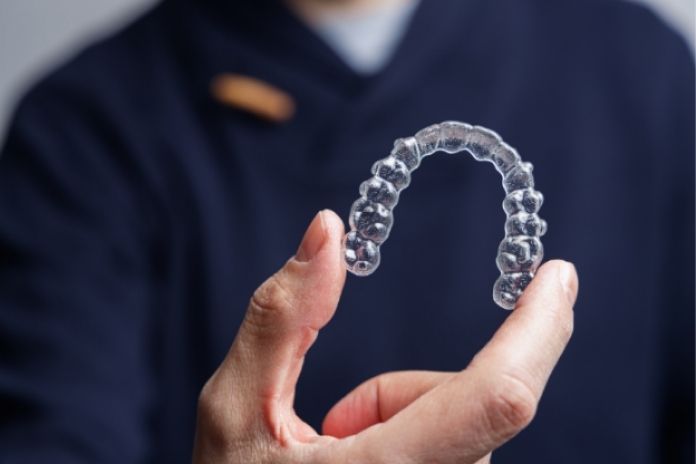
Invisalign is not just about aesthetics; it’s about combining flexibility, comfort, and clinical effectiveness to suit the adult lifestyle. Whether you are getting ready for a big event or trying to improve your professional image, Invisalign boosts your confidence.
Invisalign provides a way to get a straighter smile without the visibility and hassle of traditional braces.
Here’s a quick review of how Invisalign works.
1. Consultation & Assessment:
The process of getting Invisalign begins with a professional consultation. Here, an orthodontist will first check your dental health, the alignment of your bite, and your gums and bone structure.
Any prior dental work is also taken into consideration. Doing this ensures that Invisalign can be applied by ruling out any underlying conditions of the teeth that would pose complications for the treatment.
2. Digital Scan & Treatment Plan:
Next, you may be asked to get a digital scan or mold of your teeth. Advanced software creates a 3D model of your mouth and maps the movement of each tooth. The orthodontist will make an accurate treatment plan based on this simulation.
3. Fabrication of Custom Aligners:
Your individualized treatment plan is then sent to a laboratory to fabricate a series of custom aligners. Each aligner will apply gentle, controlled forces to certain teeth, making them move slowly.
In most cases, you will be given several sets of aligners at a time. Each set will be slightly different to continue guiding teeth toward their final position.
4. Wearing the Aligners:
Aligners should be worn about 20-22 hours each day for the best outcome, taking them out only when eating, brushing, or flossing. Most adults change to a new set every 1-2 weeks, depending on their treatment plan.
You must visit the orthodontist regularly to ensure that progress is going well. They will assess if any changes are needed and answer your questions.
5. Retention Phase:
After the active aligner stage, retention starts. It involves retainers, which prevent teeth from moving back to their original positions. You may opt for fixed or removable and wear them at night or part-time. Retainers are a lifelong commitment for maintaining the results of Invisalign.
Why More Adults Are Choosing Invisalign
Here are a few reasons why more adults today choose Invisalign aligners over traditional braces:
1. Discreet Appearance
One of the most significant Invisalign features for adults is its nearly invisible design. You might be at work, in social settings, or during special events, and these aligners often go unnoticed. Adults no longer have to sacrifice professional image or personal confidence during orthodontic treatment.
2. Removability & Lifestyle Flexibility
Invisalign aligners are removable, unlike traditional braces. With this freedom, you can eat your favorite foods, brush and floss as usual, and avoid the restrictions that come with traditional braces. This flexibility also reduces the risk of plaque accumulation and cavities during treatment.
3. Improved Oral Hygiene
Another advantage is better oral hygiene. As mentioned earlier, brushing and flossing are relatively easy with removable aligners. You will not have to tackle the wires and brackets, which often catch food and complicate oral hygiene. These strong hygiene practices during treatment support gums, teeth, and overall oral health.
4. Minimal Lifestyle Disruption
Adults need and want convenience. Invisalign helps you lead a life without constant adjustments, emergency visits, or aesthetic compromises. It seamlessly integrates into daily life, making it much easier for busy professionals or parents.
Speaking on the popularity of Invisalign aligners, Dr Milind Darda, an orthodontist, says, The most rewarding aspect about Invisalign aligners is the fact that the aligners are quite literally true to their name. Several patients come to me asking for a less conspicuous orthodontic solution, and well, Invisalign aligners always make for a no-brainer choice.”
Read More: White Spots on Teeth – All You Need to Know
What Invisalign Can Treat — and When It Might Not Be Ideal
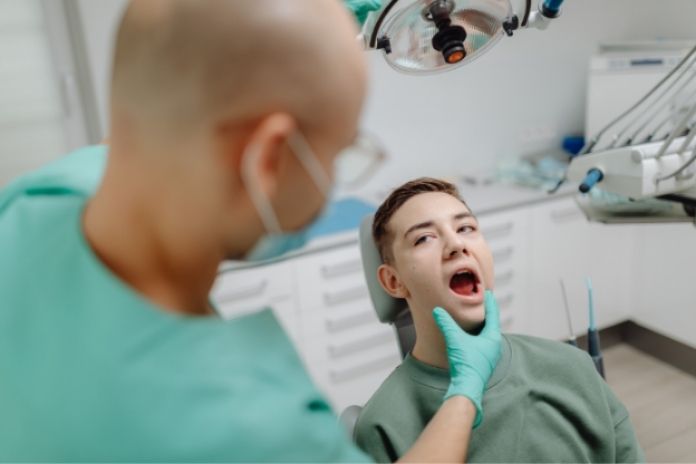
Suitable Cases for Invisalign
- Mild to moderate crowding or spacing of the teeth
- Some overbite, underbite, or crossbite problems, assuming they are not too serious
- Adults who can follow the prescribed wearing schedule consistently
Limitations of Using Invisalign
- Invisalign aligners might not be suitable for more serious orthodontic issues, such as major jaw misalignments or skeletal problems. These conditions may require traditional braces or other more complex treatments.
- Before starting Invisalign, you must treat active gum diseases, lost teeth, or unstable occlusions.
- People who can’t wear aligners consistently or who remove them too often might achieve less effective results.
In other words, Invisalign is most suitable for adults who are disciplined and have comparatively minor orthodontic needs. However, in more complicated dental conditions, a different treatment may be prescribed.
Benefits vs. Considerations of Invisalign (for Adult Users)
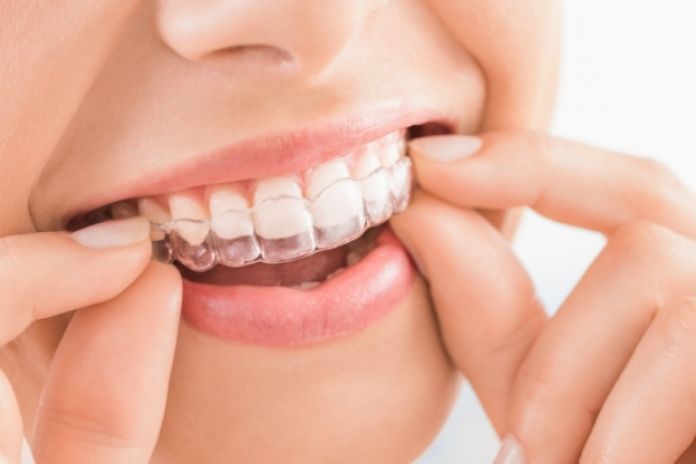
Benefits of Invisalign Aligners:
- Professional-Friendly Appearance: Invisalign aligners for adults are almost invisible, helping you look good and have a better appearance.
- Diet:You may remove them during meals, and there are no food restrictions.
- Simpler Oral Hygiene: With Invisalign aligners, it’s easier to brush and floss. These dental habits reduce dental risks.
- Less Treatment Time: In case of mild-to-moderate problems, Invisalign can be effective than traditional braces.
- Predictable Results: The results are easy to see with digital planning. Invisalign helps us track the progress and outcomes.
Considerations While Wearing Invisalign Aligners:
- High Compliance: You must wear aligners nearly all day for better results.
- Cost:Invisalign costs might vary, but are comparable. These might sometimes go higher than braces, depending on the complexity and the provider.
- Sensitivity & Discomfort: Initial and transition phases can cause some degree of soreness as teeth shift.
- Retention Is Mandatory: Retainers are used to prevent teeth from going back.
- Potential Adjustments: Sometimes, you may need additional refinement or aligners after the initial treatment plan.
Cost, Time & Commitment Overview of Invisalign
Treatment Duration
The treatments for adults last from 6 to 18 months, although complex issues may prolong the process. Compliance with wearing the aligners and frequent follow-up visits ensures the treatment is on schedule.
Cost
The costs of Invisalign aligners will also vary depending on the region, provider, and complexity of the case. These usually range from $3,000 to $9,000 in the U.S. for adults.
In India and other countries, prices are often lower. However, they may still vary depending on the provider and technology used. Consider not only upfront costs but also potential long-term benefits, such as improved oral health and reduced risk of tooth wear.
Commitment
Here are a few things to keep in mind while opting for Invisalign aligners:
- Wear aligners 20–22 hours/day
- Switch aligners as instructed, generally every 1–2 weeks
- Attend scheduled orthodontic check-ups
- Maintain good oral hygiene during treatment
- Follow any retainer instructions indefinitely after treatment.
Success with Invisalign aligners is all about consistency. Missing days or not following instructions could affect your results, prolong your treatment, or increase the number of aligners you will need.
Read More: Best Oral Care Products for Healthier Teeth and Gums (Dentist-Approved Essentials)
How to Determine If Invisalign Is Right for You
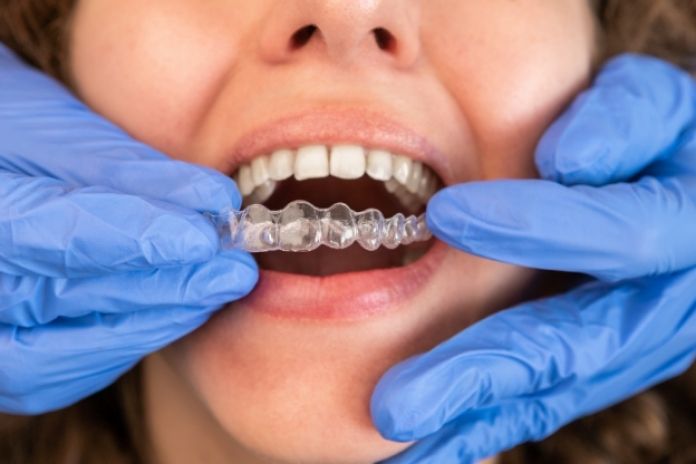
Here are the steps that determine if Invisalign is the best way to go:
Step 1: Book an Appointment: Consult a qualified orthodontist who has experience in adult cases. A professional assessment will determine if Invisalign is appropriate.
Step 2: Dental Health Assessment: Your dentist may assess the condition of your gums, the structure of your bones, the alignment of your bite, and any previous dental work. Address any underlying issues before you begin the treatment.
Step 3: Digital Scan & Simulation: You may request a digital model of your teeth and a projected treatment outcome. It helps set expectations and visualize the process.
Step 4: Budgeting & Insurance: You may compare the cost, financing options, and insurance coverage. Consider the long-term value: better oral hygiene, less tooth wear and tear, and potentially a shorter treatment time than with traditional braces.
Step 5: Lifestyle Assessment: Reflect on your daily routine – can you commit to wearing aligners for 20+ hours per day? If adherence may be challenging, discuss alternatives.
Step 6: Retention Planning: Make sure your provider explains a retention plan following treatment. This will often consist of nighttime retainers or part-time use indefinitely to avoid relapse.
After-care & Maintenance to Maximize Your Results
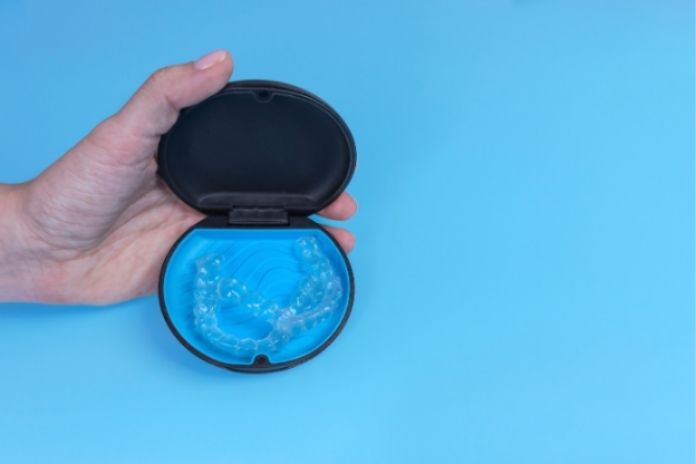
Retainers are important. They must be worn as instructed to maintain the alignment of teeth.
- Maintain Oral Hygiene: Brush twice a day, floss regularly, and attend dental follow-ups.
- Avoid Habits That Shift Teeth: Habits such as grinding, skipping retainer use, or major dental procedures without planning can affect results.
- Periodic Check-ins: Some adults may need occasional “refresher” aligners to maintain perfect alignment years after treatment.
By following these steps, your investment in Invisalign will translate into a lifetime of healthy, confident smiles.
Quick Summary
Invisalign is a modern, flexible, almost invisible alternative to traditional braces. Ideal for adults with mild-to-moderate crowding and/or bite issues, discipline, commitment, and follow-through yield excellent results.
The treatment offers discreet aesthetics, lifestyle flexibility, and improved oral hygiene but comes with a cost and the need for lifelong retention. If used correctly, Invisalign can change your smile without interrupting your life.
FAQs
Q: At what age is Invisalign no longer possible?
A: There is no strict upper age limit. The basic requirement consists of healthy teeth and gums.
Q: How painful is the Invisalign aligner process when changing sets?
A: Mild pressure or soreness is normal in transitions and usually subsides after a day or two.
Q: Can adults with gum disease or bone loss still get Invisalign?
A: Treatment is based on severity. Active gum disease or significant bone loss should be treated first.
Q: Will insurance cover Invisalign treatment?
A: Some dental plans cover partial costs. Flexible Spending Accounts or Health Savings Accounts may also be used.
Q: How often should I wear the retainer after completion?
A: Usually at night or part-time indefinitely, depending upon your orthodontist’s instructions.
Q: What happens if I don’t wear the Invisalign aligners 20 hours/day?
A: Teeth can move back; treatment may take longer, and the results might be affected. Compliance is key.
References
- https://www.invisalign.com/resources/living-with-invisalign/invisalign-overview-guide
- https://mymarinadentist.com/blog/the-importance-of-retainers-after-invisalign-treatment-cip225/
- https://nypost.com/shopping/invisalign-review/
- https://twinsmilesortho.com/invisalign-cost-in-palo-alto-what-you-need-to-know-from-your-local-orthodontists/
In this Article